Review · GALLE
Great Whales Education Programe Dolphins and Whales are in SL
Sri Lanka’s whale-watching story begins before you board a boat. At Great Whales in Matara, Ms. A. H. Deepika Kumari explains the country’s marine species, watching areas, boats, weather, and sighting patterns in a friendly one-hour session. It is a useful answer to the usual question: What am I really looking at offshore?
I like the small private format, where only your group takes part, and I like the practical focus on live watching in places such as Mirissa. The tea, coffee, snacks, and bottled water are welcome touches. The main drawback is simple: this is an education program, not a boat trip, so you will not see whales or dolphins in the sea during the session.
Key points at a glance
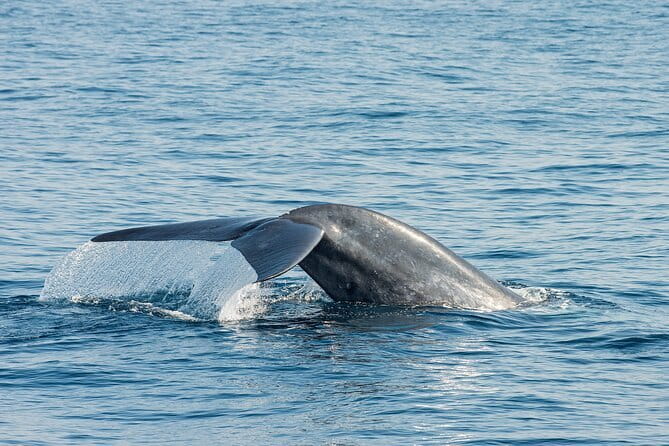
- A one-hour marine education program: Learn about blue whales, dolphins, and other species found in Sri Lankan waters.
- Led by Ms. A. H. Deepika Kumari: She has more than 12 years in the whale and dolphin watching industry and was among the early members of the industry in Sri Lanka.
- Useful before a boat trip: The talk covers Mirissa and other watching points, boat types, weather, trip length, and responsible viewing.
- A private activity: Only your own group takes part, making it easier to ask questions and discuss past sightings.
- Located in Matara: Great Whales is about 30 minutes from Mirissa and Mirissa Beach, and about 15 minutes from Polhena Beach.
- Refreshments are included: Tea or coffee, snacks, bottled water, fees, and taxes are covered in the price.
Why this Matara session is different from a boat trip
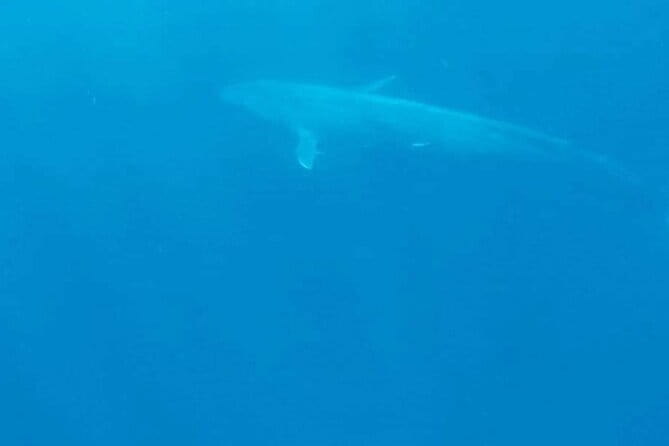
Most whale-watching outings sell you the chance to see a fin or a blow in open water. Great Whales takes a different route. It gives you a basic framework for understanding Sri Lanka’s marine life before you set out, or after a disappointing day when the sea offered no clear sightings.
That distinction matters. A boat ride can be exciting, but wildlife is unpredictable. The session helps you understand why sightings change, how weather affects the trip, and which species are commonly found around Sri Lanka. You are not promised a whale encounter. Instead, you get a clearer sense of what responsible watching involves.
The program is especially useful for families. Children can ask direct questions, and adults can fill in gaps without needing previous knowledge of marine biology. Seniors may also prefer an hour indoors with refreshments to a long day at sea, particularly when weather or sea conditions are poor.
More Whale and Dolphin Watching Tours in Sri Lanka
- Whales and Dolphins Watching-Luxury Super Grade Cruiser(Hotel Pick up offered)
★ 5.0 · 1,268 reviews - Trincomalee: Whale & Dolphin Safari Tour with Expert Guides
★ 4.2 · 53 reviews - Trincomalee: Dolphin & Whale Watching Boat Tour
★ 4.2 · 37 reviews
Meeting Ms. Deepika Kumari in Matara
The program takes place at No. 12 Paramulla Road in Matara. Ms. A. H. Deepika Kumari conducts the education session. She has more than 12 years of experience in Sri Lanka’s whale and dolphin watching industry and was one of its early members.
That background shapes the session. This is not just a general talk about large sea animals. The subjects are tied to watching in Sri Lankan waters, including the places used for commercial trips and the species commonly seen in the country.
The private format is a real advantage. You can ask about a sighting you had in Mirissa, compare notes with your family, or pause when a child wants an explanation. With only your group attending, the hour should feel more like a conversation than a formal lecture.
The program is open daily from 7:00 a.m. to 7:00 p.m. Booking confirmation is provided at the time of booking, and the local team may contact you through WhatsApp to confirm the appointment. That contact can be helpful if you need to change the time, but do not leave transport planning until the last minute.
What you learn during the one-hour program
The content is broad but practical. The session begins with the commercial history of whale and dolphin watching in Sri Lanka. That gives you context for the growth of the activity and explains why places such as Mirissa became important watching points.
You then look at the main whale and dolphin watching locations in Sri Lanka. Mirissa is the key nearby point, and its beach and boat departures are about 30 minutes away by road. Polhena Beach is closer, about 15 minutes from the program location, so the session can fit into a day around Matara or the south coast.
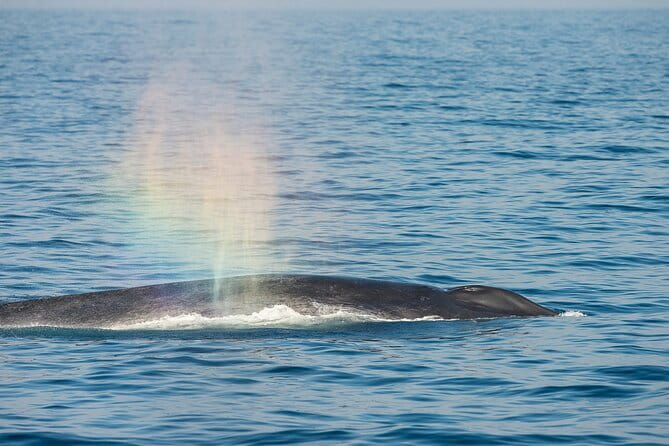
Another central question is why whales and dolphins come into Sri Lankan waters. You will also discuss the main common species found here, including the blue whale, the largest animal on Earth. The program focuses on species that can be encountered locally rather than turning into a general worldwide wildlife talk.
The session also covers current sightings. This is one of the most useful parts because it connects general information with what may be happening at sea now. Sightings can change, so asking about current conditions may help you decide if a boat trip makes sense during your stay.
You will hear about typical trip duration, weather conditions, and the kinds of boats and yachts used for whale and dolphin watching. That information helps you judge the physical demands of an outing and understand why a trip may be delayed, changed, or less successful on a particular day.
The final subject is how to watch whales and dolphins in a better way. The program discusses live viewing methods and the facilities offered by boat operators. That is important because a good wildlife experience is not only about seeing an animal. It is also about giving the animal space and knowing what behavior to expect from a responsible operator.
A useful choice after a disappointing sea trip
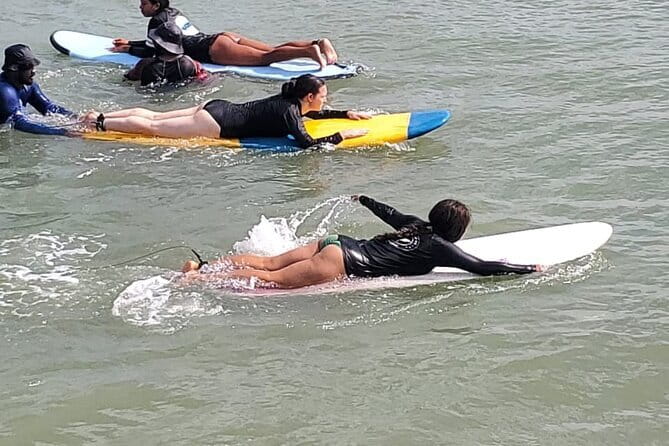
Several people have used the session after going out by boat without seeing whales or dolphins. That is not unusual in wildlife watching, but it can leave you feeling that you paid for a long ride and received little explanation.
Great Whales cannot replace the excitement of seeing a blue whale surface beside a boat. It can, however, help you make more sense of the experience. You can discuss why sightings may have failed, ask what conditions affect visibility, and learn how operators organize the trip.
One particularly useful point is that the program can operate when live watching is not running because of bad weather. A visit in May, for example, was made when boat-based watching was unavailable. The education session gave the group something worthwhile to do instead of losing the day completely.
This makes the program a sensible backup for a south-coast itinerary. If you are already in Matara, Weligama, Mirissa, or near Polhena, it can provide a marine activity without committing to a boat in uncertain conditions.
Still, keep your expectations straight. The session is not a substitute for seeing wildlife. If your main goal is photographs at sea, you need a separate boat ticket, and the education program may offer tickets for live whale and dolphin watching in Mirissa.
Same migration, a different deck:
- Whale Watching Mirissa with ( WWC )
★ 5.0 · 252 reviews - Whale Watching Mirissa with Eagle Eye
★ 4.5 · 128 reviews - Sports Boat- Private Whale Watching Trip( free breakfast & paid pick-up)
★ 5.0 · 93 reviews - Trincomalee: Whales Watching and Navy Island Snorkeling Tour
★ 4.4 · 81 reviews
Refreshments and locally made souvenirs
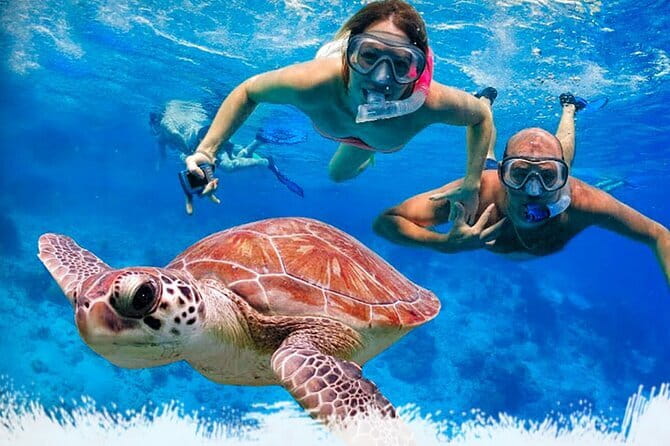
The $25 price includes all fees and taxes, tea or coffee, snacks, and bottled water. For a one-hour private session, that makes the cost easier to justify, especially for a family that wants a focused activity rather than an entire day at sea.
The refreshments are not the reason to book, but they make the hour more comfortable. Tea or coffee and a small snack are useful in the morning, before a later outing, or after time spent moving around the south coast.
You can also buy locally designed and locally made whale and dolphin souvenirs. This gives the visit a small retail element, but it is optional. The important point is that the souvenirs are connected to Sri Lankan marine life rather than being unrelated beach merchandise.
There is no air-conditioned vehicle included. You arrange your own way to No. 12 Paramulla Road. The location is near public transportation, but the activity itself ends back at the meeting point. If you are traveling with children, older family members, or luggage, plan the road journey carefully.
How to fit Great Whales into a south-coast day
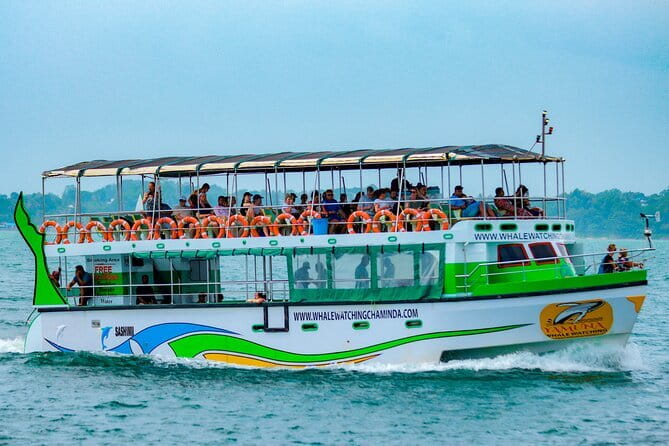
The program works best as part of a wider Matara area plan. It is about 15 minutes from Polhena Beach and around 30 minutes from Mirissa and Mirissa Beach. You could build a day around the education session and time by the coast, though the exact order depends on your start time and transport.
A morning appointment may suit you if you want to learn about whale watching before considering a boat trip. A later appointment can work as a calmer activity after the beach, though you should allow time for the road between stops.
If you are staying in Weligama, the program is also within reach. The session is not limited to families or wildlife specialists. It suits young adults, older visitors, children, and anyone who wants more background before spending money on an ocean excursion.
Because only your own group participates, it is worth preparing a few questions. Ask about the species currently being seen, how weather affects departures, and what facilities are normally provided by boat operators. The open discussion format is one of the strongest reasons to choose this over a generic presentation.
How it compares with live whale and dolphin watching
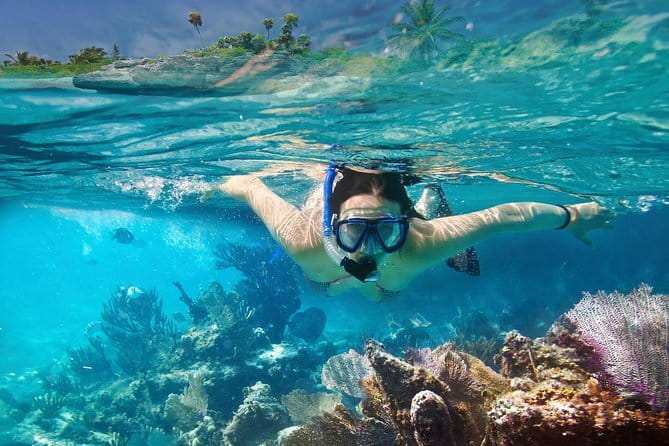
A boat trip offers the possibility of a memorable sighting. You may see dolphins moving through the water or a whale surfacing, but you also face rough weather, a long ride, crowded conditions, and no guarantee of wildlife.
The education program offers the opposite balance. You give up the chance of a live sighting and gain certainty about the length, setting, and content. The session lasts about one hour, takes place at a fixed address, and includes refreshments.
I would treat the two activities as partners rather than rivals. If you plan to go to sea, the program can help you understand what to expect. If you already went out and found the trip crowded or uninformative, the session can add the explanation that was missing.
The program may be especially valuable if your boat experience included no sightings. One account describes an overcrowded boat and little information about the animals. Great Whales addresses that gap directly by explaining the animals, the viewing process, and the wider industry.
Who will get the most from this experience
Families with children are a strong match. The topic is accessible, the duration is short, and the private format allows questions. A child who wants to know how whales breathe or why dolphins appear in groups can take part without feeling lost in a large group.
It also suits adults who want context before booking a boat. You can learn the basics, ask about current conditions, and make a more informed choice about live watching in Mirissa.
Seniors may appreciate the shorter indoor format, particularly if sea travel is uncomfortable or weather is uncertain. People who have already spent time at sea can also benefit because the discussion gives structure to what they saw.
It is less suitable if you want a packed sightseeing itinerary or a guaranteed animal encounter. The activity is deliberately educational. You need to be happy spending an hour listening, asking questions, and discussing Sri Lankan marine life.
Booking, timing, and cancellation details
The activity uses a mobile ticket and is generally booked about 25 days in advance. That advance demand suggests you should reserve ahead if your dates are fixed, especially if you want a particular time.
Confirmation arrives at booking. The local staff may use WhatsApp to confirm your chosen time, so provide contact details you check during your trip. The activity is private, and service animals are allowed. Most people can participate.
Free cancellation is available when you cancel at least 24 hours before the start time. Cancellations made less than 24 hours before the start, as well as late changes, are not refunded. The cut-off follows local time in Sri Lanka.
Should you book Great Whales?
Book it if you want a clear introduction to whales and dolphins in Sri Lankan waters, especially before or after a boat trip from Mirissa. The private setting, direct access to Ms. Deepika Kumari, refreshments, and practical discussion make the $25 fee reasonable for families and curious adults.
Skip it if your only goal is to see wildlife in the ocean. This is not a substitute for a boat ride, and no sighting takes place during the hour.
For many south-coast itineraries, though, Great Whales is a smart addition. It turns whale watching from a simple chase for a photograph into a better-informed experience, and it remains useful when weather stops the boats from running.
FAQ
Where does the Great Whales education program take place?
The meeting point is No. 12 Paramulla Road, Matara 81000, Sri Lanka. The activity ends back at the same meeting point.
How long does the program last?
The education program lasts approximately one hour.
Who leads the education session?
Ms. A. H. Deepika Kumari leads the session. She has more than 12 years of experience in Sri Lanka’s whale and dolphin watching industry.
Does the program include a whale or dolphin boat trip?
No. The education program is a separate one-hour session. You can buy tickets for live whale and dolphin watching in Mirissa through the local provider.
What subjects are covered?
The session covers Sri Lanka’s commercial whale and dolphin watching history, main watching points, common species, current sightings, trip duration, weather, boat types, viewing methods, and facilities provided by boat operators.
Are refreshments included?
Yes. The price includes coffee or tea, snacks, bottled water, all fees, and taxes.
Is the activity private?
Yes. Only your own group participates in the activity.
Is the program suitable for children and older adults?
Yes. The program is designed for children, young adults, adults, and seniors who want to learn about whales and dolphins in Sri Lankan waters. Most people can participate.
What is the cancellation policy?
You can cancel at least 24 hours before the local start time for a full refund. Cancellations or changes made less than 24 hours before the start are not accepted for a refund.
Newly added whale trips around Sri Lanka
- Trincomalee: Whales Watching and Navy Island Snorkeling Tour★ 4.4 · 81 reviews
- Trincomalee : Whale & dolphin watching +pigeon island tour★ 4.5 · 3 reviews
- Trincomalee: Dolphin & Whale Watching Boat Tour★ 4.2 · 37 reviews
- Trincomalee: Whale & Dolphin Safari Tour with Expert Guides★ 4.2 · 53 reviews
- Whale Watching in Trincomalee by Catamaran cruise★ 4.0 · 2 reviews
- Whale & Dolphin Watching Trincomalee★ 4.5 · 4 reviews
- Whale & Dolphin Watching Tour in Trincomalee | Scenic Boat Ride★ 4.0 · 8 reviews
- Whale Watching Experience in Mirissa★ 4.5 · 6 reviews
Galle Whale Watching Tours, side by side.
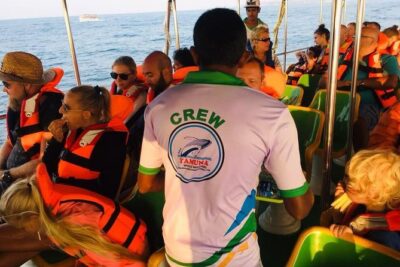
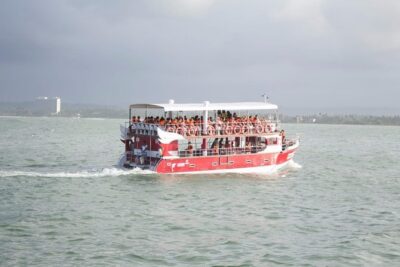
Whales and Dolphins Watching-Luxury Super Grade Cruiser(Hotel Pick up offered)
Read our review →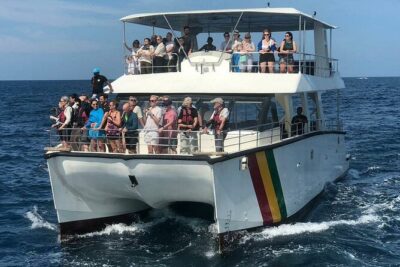
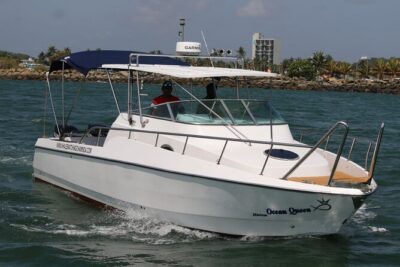
Sports Boat- Private Whale Watching Trip( free breakfast & paid pick-up)
Read our review →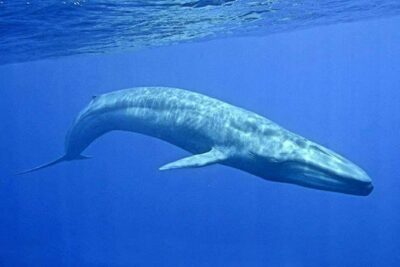
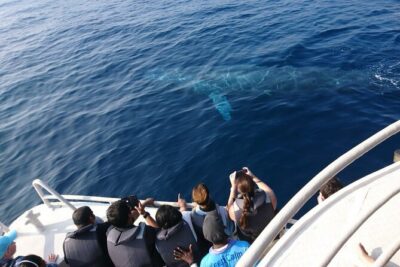
Mirissa Whale & Dolphin Watching Cruise with Geeth’s Crew
Read our review →