
Review · MADEIRA
Caniçal : Madeira Whale Museum Entry ticket
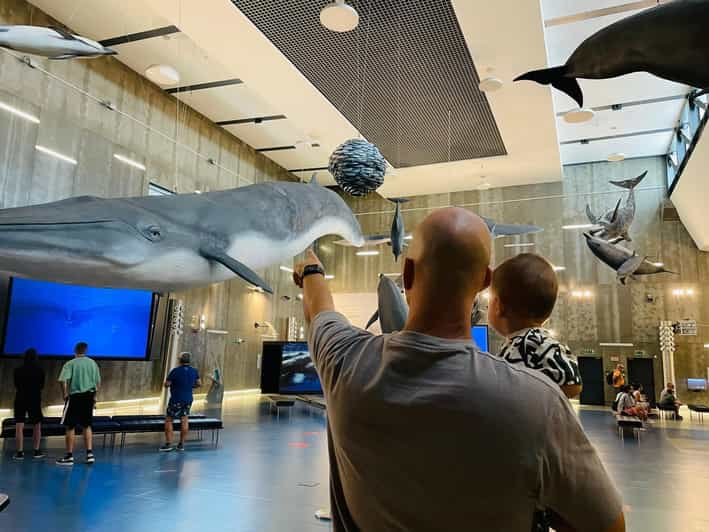
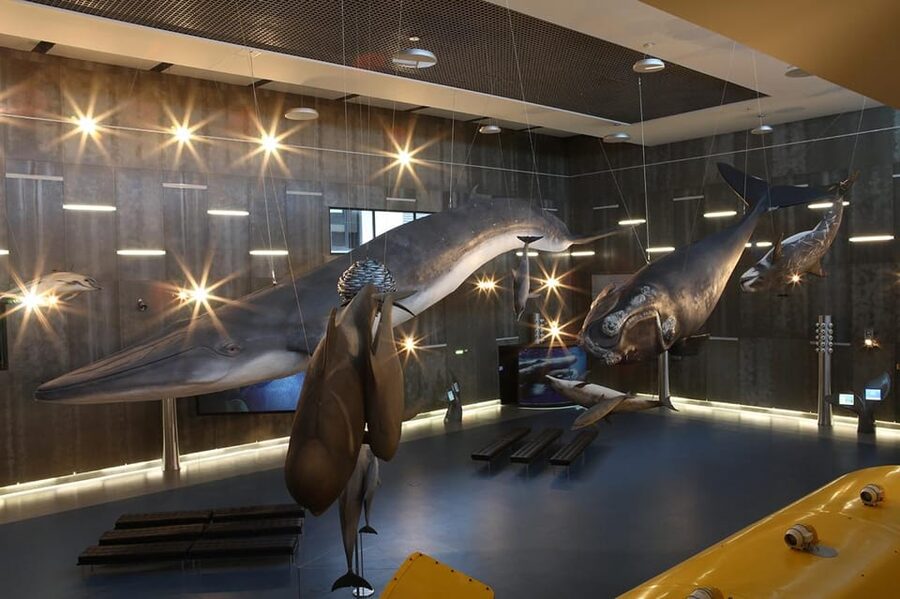
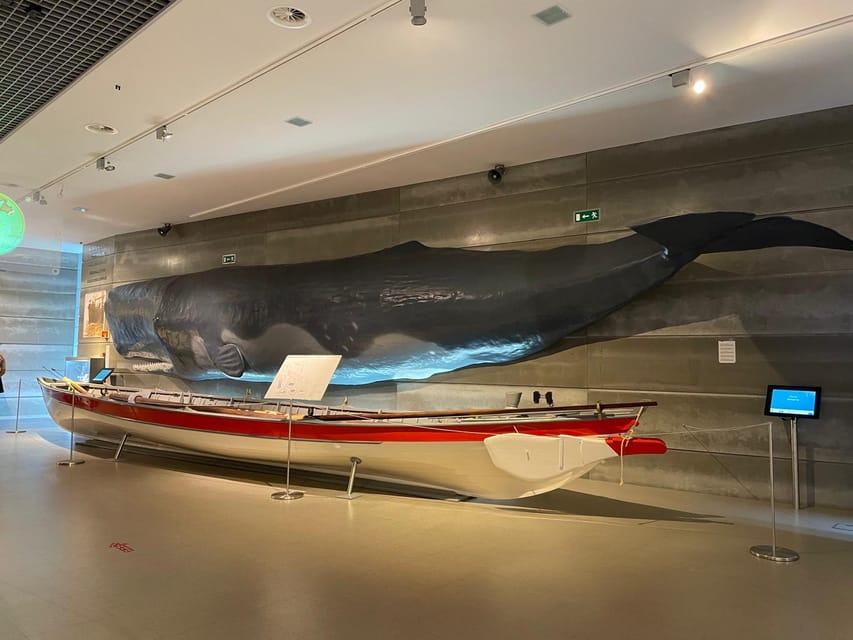
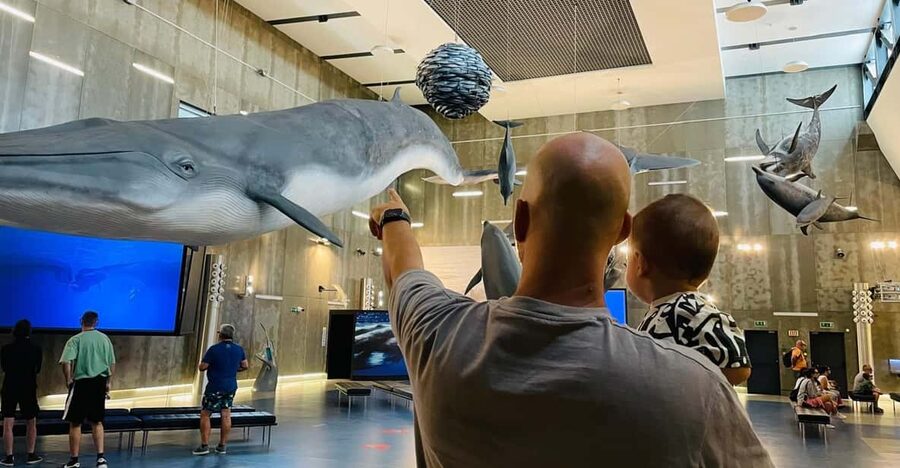
The most striking part of the Madeira Whale Museum is its scale. Life-size whales and dolphins appear to move through the museum, while stereoscopic 3D films bring the surrounding ocean into the story. You get a clear look at both the animals and the people whose lives were tied to Madeira’s waters.
I like the museum for two reasons: the ethnographic collection gives real weight to the island’s whaling past, and the museum still works on marine research and conservation today. The one drawback is that this is a self-guided museum visit, not a live boat trip or a whale-watching excursion, so you should book it for culture and science rather than open-water action.
Key points to know before you go
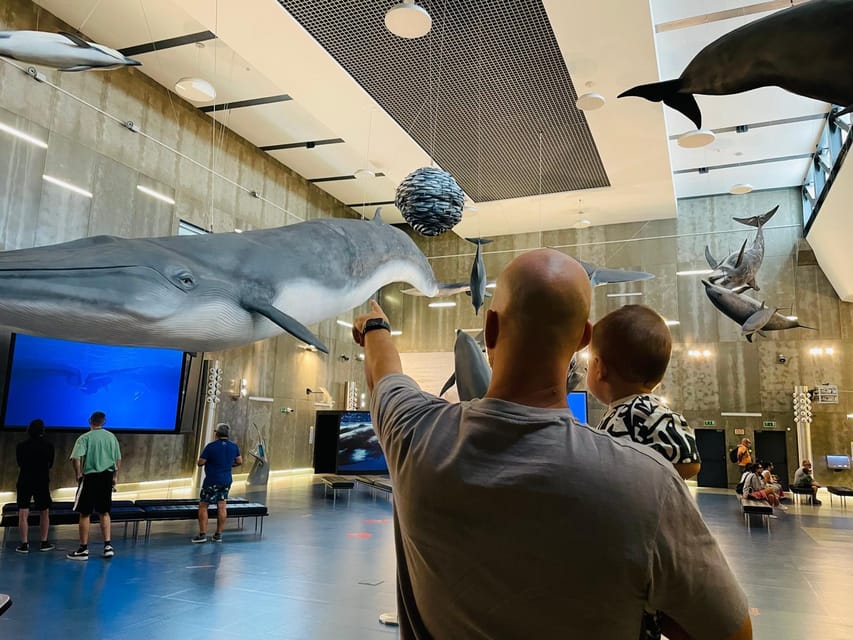
- Life-size marine models: Walk beneath large whale and dolphin figures arranged through the museum halls.
- Madeira’s whaling past: See tools, records, and personal recollections connected to 20th-century whaling.
- Five-language audio guide: Choose English, French, German, Portuguese, or Spanish.
- Stereoscopic 3D films: Watch marine life presented through films designed to create a three-dimensional effect.
- Research and conservation: Learn how the museum links its historical displays with present-day work on Madeira’s marine environment.
- Easy one-day visit: Your ticket is valid for one day, with wheelchair access and a temporary exhibition included.
Why Caniçal’s Whale Museum matters
The Madeira Whale Museum is in Caniçal, a fishing town in the municipality of Machico. That setting matters. You are not looking at Madeira’s whaling story in an abstract gallery far from the coast. You are in a community shaped by the sea, where fishing and maritime work formed part of daily life.
The museum opened in 1990 and moved into its current purpose-built facility in September 2011. The newer building gives the collection room to tell a wider story. You see the old industry, the animals involved, the people who worked around them, and the changing view of the ocean.
I find the museum’s central idea useful: it connects Madeira’s past with the sea around it. The displays do not treat whaling as a simple adventure story. They show it as an important part of local culture, while also making clear why marine protection matters now.
That balance is one of the best reasons to visit. You can learn how whaling affected Madeira without leaving with the impression that the museum celebrates the practice without question. The story includes work, family life, tools, records, and the marine species that made the industry possible.
More Museum Visits in Madeira:
- Reykjavik: Whales of Iceland Museum Entrance Ticket
★ 4.4 · 493 reviews - Reykjavik: Whale Watching Tour, Whales of Iceland Exhibition
★ 4.4 · 187 reviews - Reykjavik: Whale Watching Excursion & Whale Exhibition
★ 4.5 · 42 reviews
What you see inside the museum
Your visit is built around several kinds of displays rather than a set route with a live guide. The exact order in which you view them may depend on how you move through the galleries, but the main themes are clear.
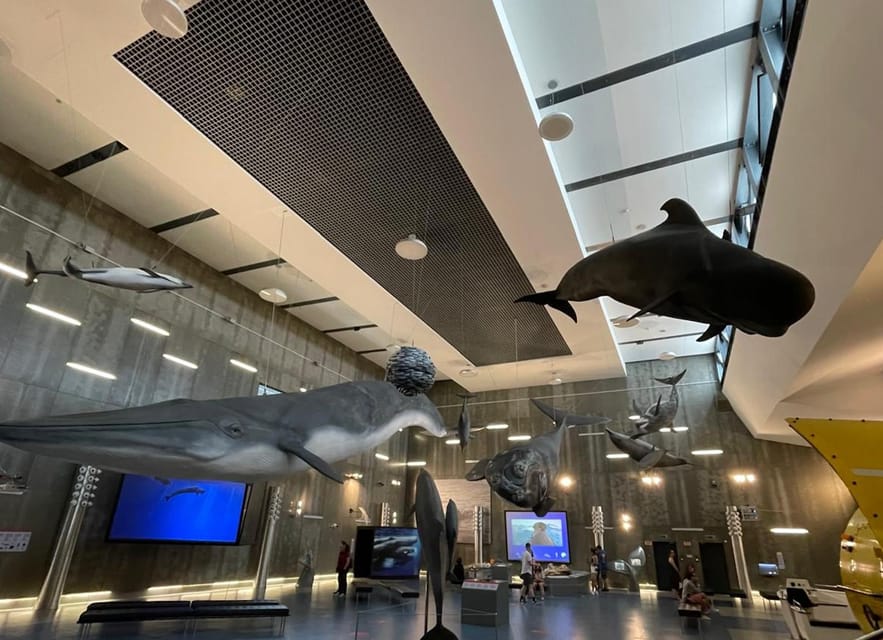
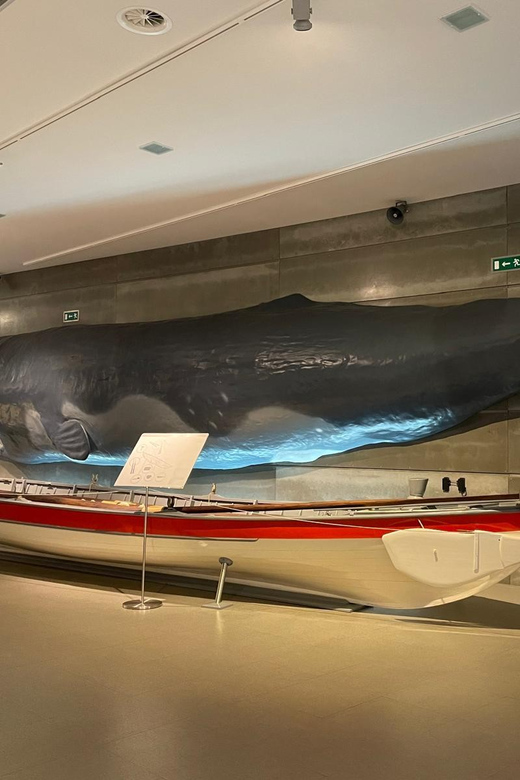
The life-size whale and dolphin models are the visual center of the museum. Their scale helps you understand the size and shape of animals that are easy to underestimate when seen only in photographs. Looking up at them also gives the museum a sense of movement, as if the animals are passing through the building.
These models should appeal to families, but they are not only for children. They give adults a physical reference for the marine life described in the text and films. If you have limited time, spend a few minutes looking carefully at the models before moving on to the written displays.
The museum also uses stereoscopic 3D films. These films add a more active element to a visit that otherwise includes objects, records, and explanations. You see marine animals presented in a way that helps connect the scientific material with the living ocean.
The 3D presentation is particularly useful if you want something more visual than a traditional museum collection. It also helps younger visitors stay interested. Still, the films are one part of the visit, not a replacement for the historical displays, so I would not come expecting a full cinema attraction.
Madeira’s 20th-century whaling story
The museum’s ethnographic collection is the heart of the historical section. It includes traditional tools, personal recollections, and detailed records linked to whaling in Madeira during the 20th century.
Tools are valuable here because they show the practical side of the work. A written description can tell you that whaling required specialized equipment, but seeing those objects gives the subject more substance. You can think about the skills, labor, and risks connected with the industry.
Personal recollections add another layer. They help place whaling within ordinary life, rather than presenting it as an isolated commercial activity. The museum’s records also give structure to the story, showing that Madeira’s relationship with whales was documented over time.
I would take your time with this section instead of rushing toward the films. The large models may be the first thing you notice, but the objects and recollections are what explain how the town and island related to the sea.
This is also where the museum may feel more serious than a standard family attraction. The subject involves hunting marine mammals, so some displays may prompt questions about changing values and environmental responsibility. That is a useful part of the visit, especially if you want to understand Madeira beyond its scenery and holiday resorts.
From whaling industry to marine conservation
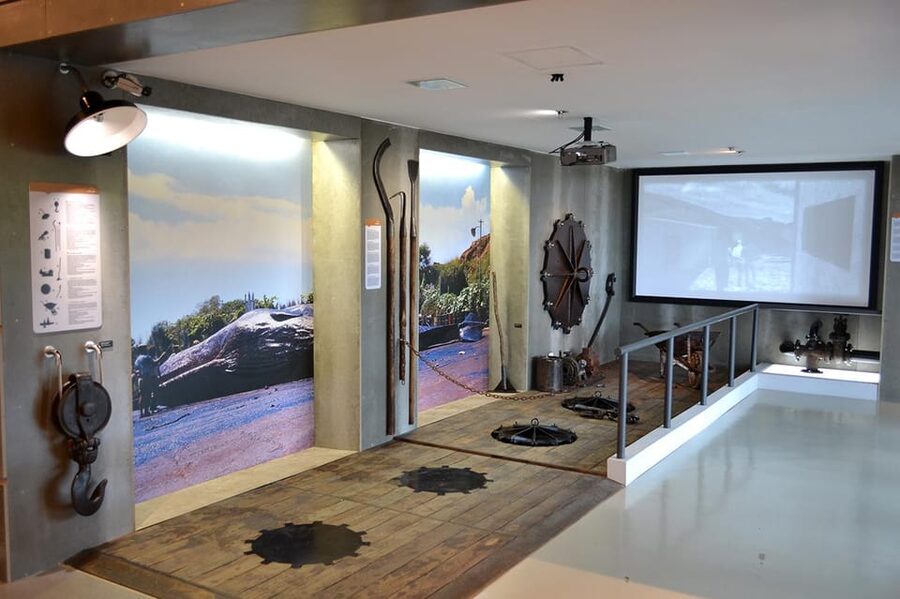
The museum does not stop in the past. It is also active in scientific research and conservation projects focused on Madeira’s marine life.
That present-day work gives the visit a clear purpose. You are not simply looking at an industry that ended or changed. You are also seeing how a museum can use historical knowledge to support better understanding of the ocean today.
I like this connection because it avoids the usual split between culture and nature. Madeira’s marine environment is not just a backdrop for boat trips or coastal views. It has shaped work, identity, and local records, and it now needs careful study and protection.
The conservation material may be especially useful if you are planning other sea-based activities in Madeira. It gives you a better sense of why marine animals deserve space and care, and why responsible contact with the ocean matters.
The supplied information does not give a full list of current research projects, so you should not expect a specific program or named scientist to be guaranteed on the day. What you can count on is the museum’s stated role in research and conservation, alongside its historical exhibits.
More Entry Tickets in Madeira:
- Whales Of Iceland Admission Ticket
★ 4.0 · 239 reviews - Aquarium of Genoa Ticket and Whale Watching Cruise
★ 4.2 · 170 reviews - Reykjavik: Premium Whale Watching with Flexible Ticket
★ 4.1 · 54 reviews - Reykjavík: Whale Watching Cruise and FlyOver Combo Ticket
★ 4.6 · 7 reviews
How the audio guide changes the visit
Your ticket includes an individual audio guide device in five languages: English, French, German, Portuguese, and Spanish. That is helpful because the subject includes local history, tools, and scientific ideas that may need more explanation than a quick label can provide.
I would choose your language at the start and use the audio guide at a steady pace. It lets you control how long you spend with each display, which suits visitors who prefer to explore independently.
This is not a guided walking tour with a named host. No personal guide names are provided, and the experience is designed around the museum’s displays and audio commentary. That makes it flexible, but it also means you need to take responsibility for your own pace and attention.
If you like asking questions as you go, a live guide would offer more conversation than this ticket. If you prefer not to follow a group, the audio format is a plus. You can pause at a model, spend longer with an object, or move on when a section is less relevant to you.
The guide is available in five languages, but the information provided does not specify whether every film includes the same language options. The confirmed language feature applies to the audio guide.
How much time should you allow?
The ticket is valid for one day, and availability shows the relevant starting times when you book. You should check those times before building the rest of your day around the museum.
No fixed visit length is provided, so I would avoid treating it like a short photo stop. The museum includes large models, films, historical objects, records, a temporary exhibition, and conservation material. Your visit could be brief if you only want the main highlights, but you will get more from it if you allow enough time to read and listen.
The one-day validity gives you useful flexibility. You do not need to force the museum into a rushed gap if your schedule allows you to return later that day. That can help if you are combining Caniçal with other plans in Machico or nearby parts of Madeira.
At the same time, the ticket is an entry pass, not a full-day program with scheduled activities. You should not assume that the museum provides a succession of timed talks, demonstrations, or boat departures.
Is the $11 price good value?
At $11 per person, the museum is reasonably priced for a focused cultural attraction. The ticket includes entry, the individual audio guide, the temporary exhibition, the life-size displays, and the 3D films.
I see the strongest value in the combination of history and science. You are not paying only to see whale models, and you are not paying only for a collection of old tools. The museum gives you several ways into the subject: visual displays, recorded explanation, film, local memories, and current conservation work.
The price also compares well if you want a weather-proof activity. The provided information does not describe weather conditions or transport arrangements, but an indoor museum can give your day more balance when outdoor plans are less appealing.
Value depends on your interests. If you mainly want a whale-watching trip, $11 for a museum will not replace time at sea. If you want to understand Madeira’s maritime culture and the animals in its waters, the price is modest for the amount of subject matter covered.
Young students between 7 and 12 and seniors over 65 can receive reduced prices. Those discounted tickets are available directly on the spot, so do not automatically pay the standard rate if someone in your group fits those age categories.
Who will enjoy this museum most?
I would recommend the Madeira Whale Museum to several kinds of visitors:
- Families: The oversized whale and dolphin models and 3D films provide strong visual appeal, while the historical displays add substance for adults.
- History-minded visitors: The tools, records, and personal recollections explain a side of Madeira that beach and sightseeing visits can miss.
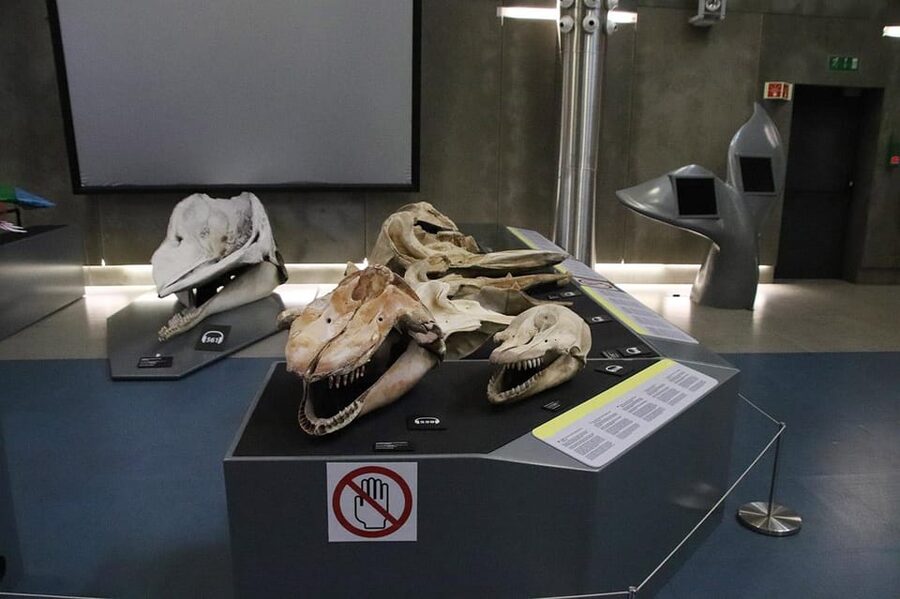
- Marine-life enthusiasts: The museum links local species with scientific research and conservation.
- Independent explorers: The audio guide lets you set your own pace without joining a group.
- Visitors seeking an indoor activity: The museum offers a planned cultural stop in Caniçal, with a temporary exhibition included.
I would think twice if you want a live encounter with whales or dolphins. This ticket does not include a boat ride, wildlife watching, transportation, or a personal guide. It is best understood as a museum visit with strong visual and educational elements.
The museum may also suit visitors who want a less polished version of Madeira’s story. You get the local working context of a fishing town and a direct look at the island’s relationship with the sea. That can be more revealing than visiting only the famous viewpoints.
Access, booking, and useful planning details
The museum is wheelchair accessible, which is important if access affects your choice of attractions. The supplied information does not give further details about individual galleries, toilets, seating, or the exact accessibility of the film areas, so you may want to confirm those points directly if they are essential for your visit.
The ticket can be cancelled up to 24 hours in advance for a full refund. You can also reserve now and pay later, which helps if your Madeira plans are still shifting.
Check availability for the starting time before you book. The ticket is valid for one day, but the activity information still directs you to availability for start times, so do not rely on arriving at any hour without checking.
A temporary exhibition is included. Its subject is not specified, so treat it as an added part of the museum visit rather than booking for a particular temporary display.
My final take: should you book it?
Book the Madeira Whale Museum if you want a clear, thoughtful look at Caniçal’s maritime past and Madeira’s marine life. The $11 admission is fair, especially with the five-language audio guide, 3D films, temporary exhibition, and conservation focus included.
I would make it part of a day in or around Caniçal rather than travel for it as your only Madeira activity. The museum works best when you give it enough time to move beyond the impressive whale models and consider the people, tools, records, and changing role of the sea.
Skip it if your only goal is to see whales in the wild. Choose it if you want context, local history, and a better understanding of the ocean surrounding Madeira. For many visitors, it is a smart cultural stop that adds meaning to the island’s coastal scenery.
FAQ
Where is the Madeira Whale Museum?
The Madeira Whale Museum is in Caniçal, within the municipality of Machico on Madeira, Portugal.
What does the entry ticket include?
The ticket includes museum entry, an individual audio guide, access in five languages, and the temporary exhibition.
Which languages are available for the audio guide?
The audio guide is available in English, French, German, Portuguese, and Spanish.
How long is the ticket valid?
The ticket is valid for one day. You should check availability for the relevant starting times before booking.
Is the museum wheelchair accessible?
Yes, the Madeira Whale Museum is wheelchair accessible.
Are reduced prices available?
Yes. Young students between 7 and 12 years old and seniors over 65 can access reduced prices, which are bookable directly at the museum.
Newly added whale trips around Madeira
- Whale & Dolphin Watching in Madeira★ 5.0 · 191 reviews
- Eco-Friendly Catamaran Dolphin and Whale Watching★ 4.5 · 226 reviews
- Hop-on Hop-off Bus Tour and Catamaran Whale & Dolphin Watching★ 3.5 · 53 reviews
- Responsible Whales and/or Dolphins Watching Tour★ 5.0 · 237 reviews
- Madeira: Whale and Dolphin Watching Private Cruise★ 4.8 · 27 reviews
- Madeira: 2.5-Hour Whale and Dolphin-Watching Cruise★ 4.7 · 198 reviews
- Funchal: Whale Watching and Swimming with Dolphins Cruise★ 4.5 · 111 reviews
- Funchal:Hop-on Hop-off Bus & Whale & Dolphin boat Excursion★ 4.2 · 41 reviews
Madeira Whale Watching Tours, side by side.

Funchal Bay: Dolphin & Whale Watch Luxury Catamaran Cruise
Read our review →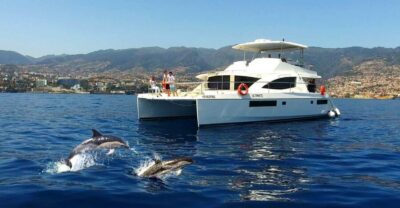
All Inclusive Whale and Dolphin Watching Luxury Tour
Read our review →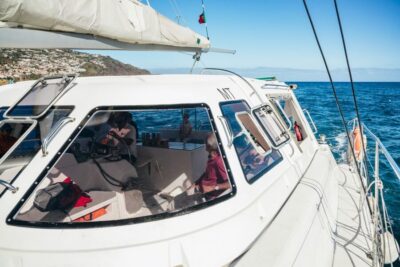
Dolphin and Whale Watching by Luxury Catamaran
Read our review →
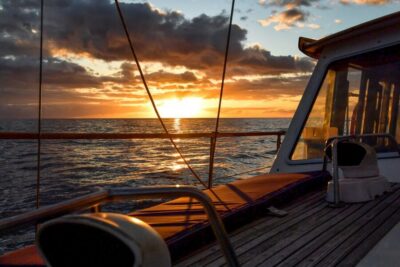
Dolphin and Whale Watching Sunset Sailing Tour
Read our review →
Lists this trip appears in