
Review · MONTEREY
Afternoon Whale Watch
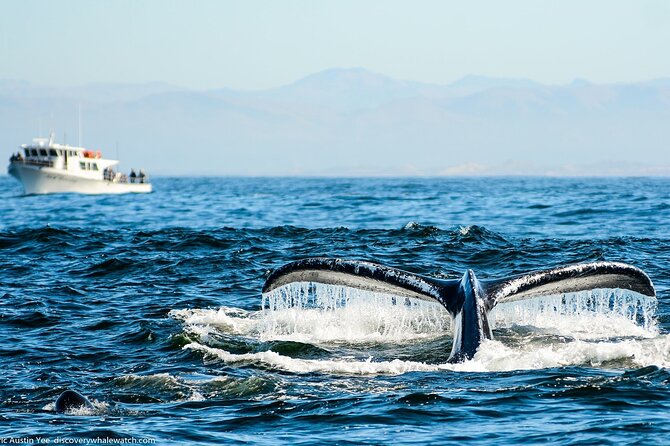
Monterey Bay can turn a simple boat ride into a serious wildlife show. On this afternoon trip, you might follow humpback whales for an hour, watch dolphins race across the bow, or spot sea lions, otters, and even orcas. The marine biologist leads the search, so you get more than a quick look at a fin.
I like the smaller boat, which carries no more than 40 people and gives you a fair chance at the rail. I also like the crew’s strong naturalist presence. Guides including Isaiah, Sophie, Andrew, and others have been praised for clear explanations, good wildlife spotting, and patient help with children and photographers.
The main caution is the sea itself. Rough water can make this a physically demanding three hours, and seasickness is a real possibility. Take motion sickness medicine well before boarding, wear layers that can get wet, and arrive early enough to avoid a frantic walk to the pier.
Key Points to Know Before You Sail
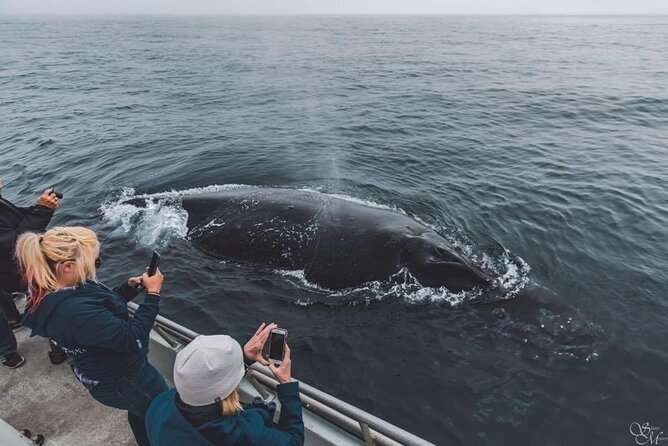
- Whales can appear year-round: Humpbacks are the main prize, but gray whales, orcas, dolphins, sea lions, and otters may also turn up.
- The boat holds up to 40 people: That smaller capacity helps with viewing and gives you better access to the marine biologist.
- The 1:30 p.m. departure means boat-off time: Check in 30 to 45 minutes early and allow extra time for traffic and parking.
- Seasickness deserves serious planning: Several people felt ill in rough water, and medicine works best when taken about an hour before departure.
- The tour is family-friendly: Sturdy railings, onboard restrooms, and crew attention make it workable for children, including toddlers.
- You return to Fisherman’s Wharf: No separate transportation is needed after the approximately three-hour trip.
Why Monterey Bay Is Such a Good Place for Whale Watching
Monterey Bay is not simply a scenic body of water beside town. Its deep submarine canyon reaches close to shore, helping bring food-rich water into the bay. That makes the area useful to whales and other marine life throughout the year.
You are not promised a particular species or a dramatic breach. Wildlife sightings depend on the day, the water, and the animals’ movements. Still, this is one of the better places to try for whales because the bay supports regular marine activity in every season.
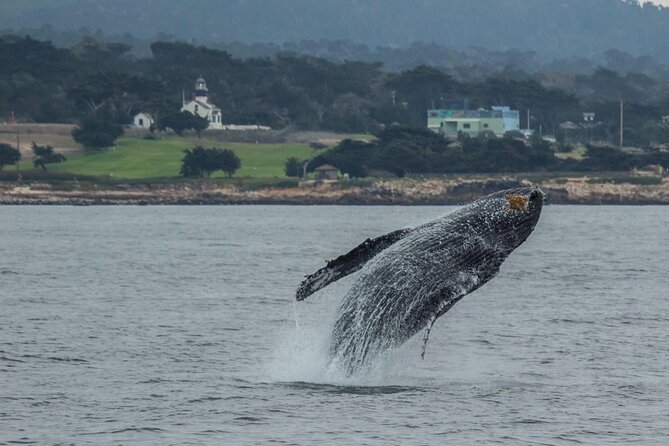
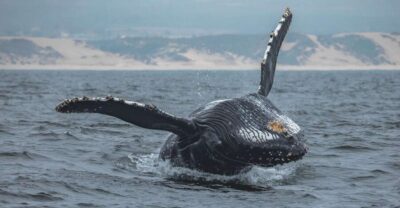
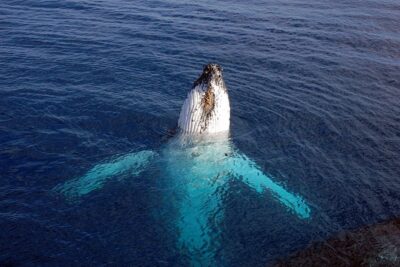
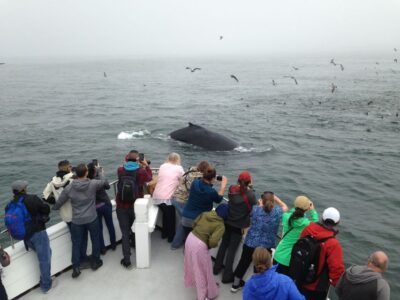
Humpback whales are the most common target on this outing. You might see a back roll through the water, a tail rising before a deep swim, or a whale lunging forward to feed. A breach is possible but never something to count on. Gray whales, orcas, and large groups of dolphins have also appeared on past trips.
That variety matters. If humpbacks are keeping their distance, your guide may point out dolphins, sea lions, otters, or seabirds instead. The trip becomes less about checking off one animal and more about learning how the whole bay works.
More whale trips worth the boat ride around Monterey:
- Monterey Bay: Whale Watching Tour
★ 4.8 · 2,300 reviews - Monterey: Monterey Bay Dolphin and Whale Watching Boat Tour
★ 4.7 · 1,645 reviews - 4 Hour Whale Watching Tour From Monterey
★ 5.0 · 1,045 reviews
Leaving Fisherman’s Wharf at 1:30 p.m.
The meeting point is at 66 Fisherman’s Wharf in Monterey. The advertised start time is when the boat leaves the dock, not when check-in begins. Plan to arrive 30 to 45 minutes ahead, especially if you are driving or need to find parking.
The walk from the wharf area to the departure point can take longer than expected. One useful detail is that the operator is at the end of the pier, to the right. Arriving early gives you time to find the boat, complete check-in, and listen to the safety briefing without rushing.
The outing begins with a short orientation before departure. This is the right moment to ask questions, take any last trip to the restroom, and settle your gear. Bring only what you can manage safely on a moving boat. A phone or camera is useful, but keep it secure when the boat accelerates or turns.
Coffee and tea are included. Soda and alcohol are not included, so do not count on buying a cocktail onboard. Snacks and other drinks have been available on some trips, but the confirmed inclusions are coffee, tea, and restrooms.
A Smaller Boat Makes Wildlife Viewing Easier
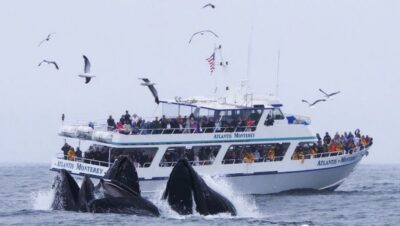
The boat carries a maximum of 40 people. That is not a private charter, but it is smaller than many whale-watching vessels, and the difference matters once an animal appears.
On a crowded boat, you may spend the best few minutes looking over shoulders or waiting for a place at the rail. Here, you have a better chance of moving around and finding a useful viewing angle. You also remain close to the water, which can make a passing dolphin or rolling whale feel much more immediate.
The tradeoff is that a smaller vessel can feel the ocean more sharply. In calm conditions, that may be pleasant and intimate. In rough water, every swell can be more noticeable. The boat size helps wildlife viewing, but it does not make the sea smooth.
The crew aims to share sightings with everyone. A captain may reposition the boat, while the marine biologist explains what you are seeing and where to look. That teamwork is especially valuable when a whale surfaces only briefly.
What the Three-Hour Search Is Like
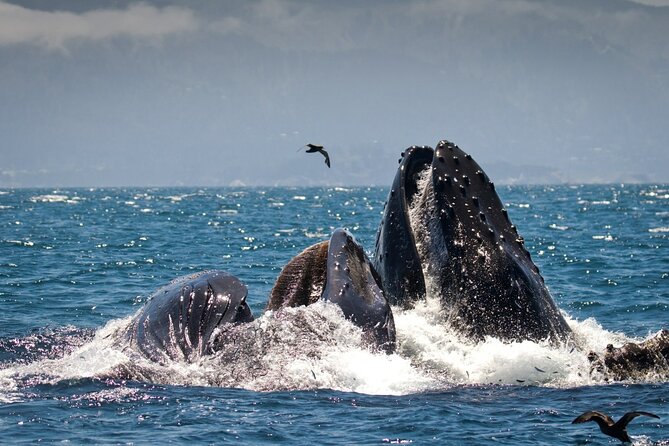
The first part of the trip takes you away from the wharf and into the bay. Do not expect a parade of animals from the first minute. The crew needs time to reach productive water and scan for signs of activity.
This searching is part of the experience, though it requires patience. You may spend several minutes watching open water before the guide calls out a distant blow or a pod of dolphins. Keep your eyes moving and listen closely. The guide’s warning can be the difference between seeing a whale surface and missing it entirely.
Once whales are located, the boat may slow down and remain nearby. Past outings have included long looks at groups of humpbacks, a mother and calf, and whales rolling or lunging to feed. One particularly strong sighting involved three orcas, including a young one, with the boat quietly following them for a time.
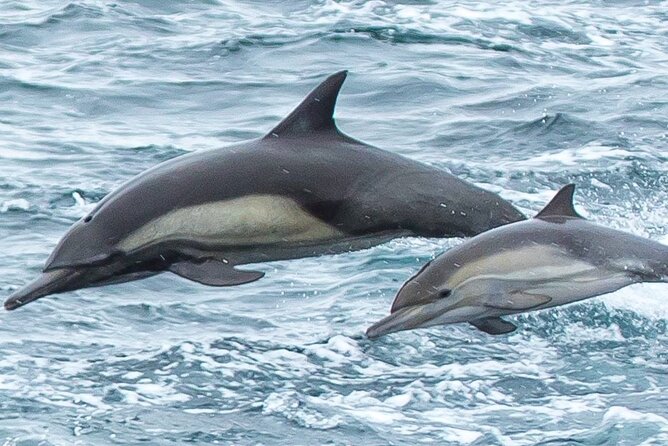
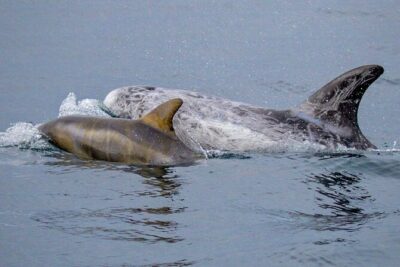
Dolphins can change the pace completely. Large groups have surrounded the boat, jumping and swimming in the wake. White-sided dolphins and other pods have been seen, sometimes numbering in the hundreds. These sightings are fast and scattered, so stand ready with your camera, but do not spend the whole trip looking through a screen.
The route is not a fixed series of stops. The captain follows the wildlife and conditions. You could see several species in one outing, or spend most of the time focused on one group of whales. That flexibility is useful for sightings, but it means the experience cannot be predicted minute by minute.
Same migration, a different deck:
- Monterey Whale Watching Tour
★ 4.5 · 732 reviews - Monterey: Sunset Whale Watching Cruise with A Guide
★ 4.7 · 519 reviews - Whale Watching Tour
★ 4.5 · 497 reviews - Monterey: Whale Watching Tour with A Marine Guide
★ 4.7 · 348 reviews
The Marine Biologist Adds More Than Commentary
A naturalist on a whale watch should do more than announce, There is a whale at two o’clock. The best guides explain behavior, identify species, and help you understand why the animal is in that part of the bay.
The crew members named on past outings include Isaiah, Sophie, Andrew, Kevin, Danny, Amanda, and others. Staff assignments vary, but the role remains the same: scan the water, explain what is happening, and help you see the animal without crowding the moment.
Isaiah has been singled out for engaging, conversational explanations. Sophie has been especially warm with children while keeping the group updated on sightings. Andrew and Kevin have helped identify whales and answer questions, while crew members such as Amanda have assisted with photographs and made solo passengers feel included.
You should expect the commentary to continue throughout the trip, not just at the beginning. The guide may explain whale movements, identify sea lions on the surface, or point out an otter that is easy to miss. That human attention gives the boat an educational feel without turning it into a classroom.
For families, this can be the difference between a long ride and a memorable outing. Children have more to watch for, and adults gain context instead of simply waiting for a tail to appear.
Family Comfort, Railings, and Onboard Facilities
This is a family-friendly activity, but family-friendly does not mean perfectly calm. A child who enjoys boats and animals may have a wonderful time. A child prone to motion sickness may struggle, especially in rough conditions.
The boat has sturdy railings extending around the deck, with lower horizontal bars that allow small children to see out. A two-year-old has been safely accommodated with a life vest supplied promptly by the crew. Service animals are allowed.
An onboard restroom is a practical benefit during a three-hour outing. You also have access to a cabin area if you need a break from wind or spray. Still, space is limited compared with a land-based attraction, so keep bags compact and supervise children closely.
Dress for exposure, not for the weather you see at the wharf. The bay can feel colder once the boat is moving, and spray may reach the deck. Wear layers, bring a waterproof outer layer, and choose clothes that will not bother you if they get damp. One family ended up buying sweatpants after getting wet, which is an easy problem to avoid.
Seasickness: The Advice You Should Take Seriously
The most important preparation is motion sickness prevention. The ocean may look calm from shore and still produce a rolling ride once you are offshore.
Take seasickness medicine about an hour before departure if you know you are susceptible. A pill taken only 20 minutes before boarding may not have enough time to work. The operator has sold inexpensive tablets near departure, but it is smarter to prepare before arriving and follow the medicine’s instructions.
If you are unsure how you react to boats, plan conservatively. Eat lightly, drink water, avoid alcohol before the trip, and spend time where you can see the horizon. The crew can help, but they cannot remove the motion from the water.
Several outings have been calm and comfortable, while others have been rough enough to make multiple people ill. This is not a criticism of the operator. It is a basic fact of whale watching. The captain may also cancel for poor conditions when safety or comfort is at stake.
What You Might See, and What You Might Miss
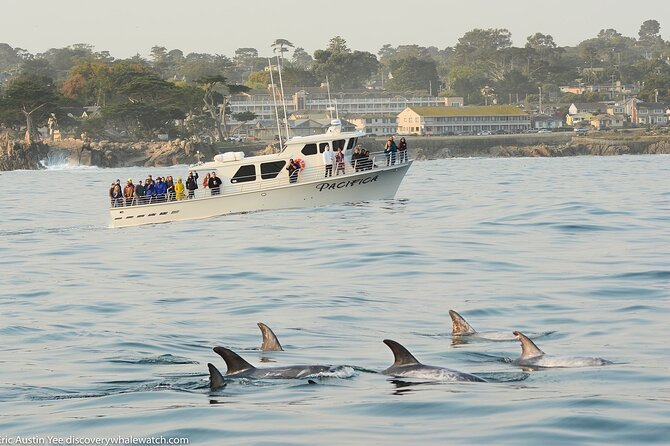
Wildlife is never guaranteed, but the range of possible sightings is unusually broad. The most frequently sought animals are humpback whales, and past trips have included multiple whales, feeding behavior, breaches, and close passes.
Gray whales and orcas are less predictable. Seeing a pod of orcas with a young one is a rare thrill, but you should book this as a chance to search, not as a promise of killer whales. The same applies to great white sharks, which have appeared on some outings but are not a standard part of the route.
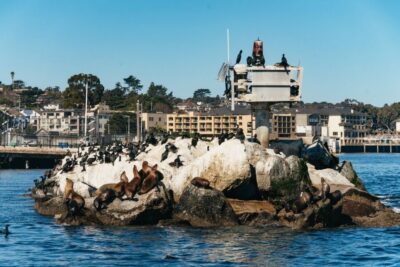
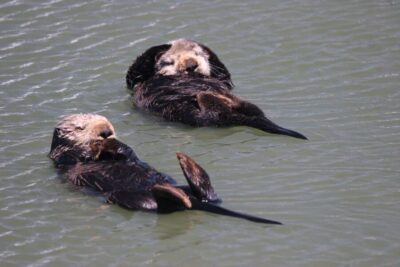
Dolphins may provide the most active action of the day. They can bow-ride, leap, and spread across the water in large groups. Sea lions are easier to spot when hauled out or clustered near the water, while otters may require sharper eyes.
The guide’s skill helps, but your expectations matter. A whale watch is not a zoo visit. The crew can search, interpret, and position the boat responsibly, but no operator controls where wild animals surface.
Is the $75 Price Good Value?
At $75 per person, this is a moderate-cost Monterey activity rather than a luxury excursion. For about three hours on the water, the price includes the boat ride, naturalist commentary, coffee or tea, and an onboard restroom.
I see the strongest value in the boat size and guide access. You are paying for time in a productive marine area, not simply transportation. If the crew finds whales or a large dolphin pod, the experience can feel like excellent value. The educational side also adds something for children and adults who want to understand what they are seeing.
The value is less certain if you dislike boats, have serious motion sickness, or need guaranteed wildlife sightings. You could spend much of the outing scanning empty water, and poor conditions can make the ride uncomfortable even when the crew is doing everything right.
A 94 percent recommendation rate and a 4.8 rating from 186 reviews suggest consistently strong satisfaction, but I would still treat those numbers as a guide rather than a promise. Nature sets the schedule.
Timing, Fitness, and Cancellations
This activity lasts approximately three hours and begins at 1:30 p.m. The boat returns to the same Fisherman’s Wharf meeting point, so it fits neatly into an afternoon plan. Leave room afterward for the trip to run slightly long, especially if the crew is following active wildlife.
A moderate level of physical fitness is recommended. You need to reach the boat, stand or move around on a moving deck, and manage stairs or uneven footing as required by the vessel. Public transportation is nearby, and service animals are permitted.
You can cancel for a full refund up to 24 hours before the start time. Changes or cancellations made within 24 hours are not refunded. If bad weather or low numbers cause the operator to cancel, you are offered another date or experience, or a full refund.
Weather calls can happen close to departure. A sunny wharf does not always mean comfortable offshore conditions, and another operator may make a different decision based on its captain, vessel, or company policy. Keep some flexibility in your schedule if this boat ride is important to you.
Who Should Book This Whale Watch?
I would choose this trip if you want a small-group feel, live naturalist commentary, and a genuine chance to see several kinds of marine life. It is a good match for families, couples, solo visitors, photographers, and anyone who wants more than a quick harbor cruise.
It also suits first-time whale watchers. The crew can help you learn where to look, what behavior means, and how to identify animals that appear only briefly. Children benefit from the railings, life vests, restroom, and steady stream of information.
I would think twice if you are highly sensitive to motion, need a guaranteed calm ride, or have only a few hours with no flexibility. For everyone else, the main requirement is patience. Bring warm layers, protect your camera, and accept that the best moment may come after a long quiet stretch.
Should You Book Afternoon Whale Watch?
Yes, if you can handle the possibility of rough water and unpredictable sightings. The combination of a smaller boat, a maximum of 40 people, experienced marine biologists, and a strong chance of seeing whales makes the $75 fare reasonable.
Book it well ahead if your schedule is fixed, since it averages about 22 days of advance booking. Arrive 30 to 45 minutes early, take motion sickness medicine around an hour beforehand if needed, and dress for spray.
I would not book this expecting a guaranteed breach or orca encounter. I would book it to spend three focused hours in Monterey Bay, with a crew that can turn a distant blow, a racing dolphin, or a sleepy sea lion into a meaningful part of the day.
FAQ
Where does the Afternoon Whale Watch begin?
The tour begins at 66 Fisherman’s Wharf in Monterey, California.
What time does the boat leave?
The listed start time is 1:30 p.m. This is the boat’s departure time, not the check-in time.
How early should I arrive?
Plan to check in 30 to 45 minutes before departure. Allow extra time for traffic, parking, and the walk along the wharf to the boat.
How long does the whale watch last?
The outing lasts approximately three hours and ends back at the Fisherman’s Wharf meeting point.
How much does the experience cost?
The listed price is $75 per person.
What animals might I see?
Possible sightings include humpback whales, gray whales, orcas, dolphins, sea lions, otters, and other marine life. Sightings are not guaranteed.
Is the tour suitable for children?
Yes. The excursion is family-friendly, has sturdy railings, and provides onboard restrooms. The crew has also assisted very young children with life vests.
Is seasickness a concern?
Yes. The ocean can be rough, and some people may feel ill. Seasickness medicine is best taken about an hour before departure.
What happens if the tour is canceled?
If poor weather or an insufficient number of participants causes cancellation, you are offered another date or experience, or a full refund. You can cancel up to 24 hours in advance for a full refund.
Newly added whale trips around Monterey
- Sunset Whale Watch Tour in Monterey★ 5.0 · 86 reviews
- 3-Hour Whale Watching Tour from Monterey★ 5.0 · 240 reviews
- Monterey Private 3 – 4 Hour Whale Watching Cruise★ 5.0 · 2 reviews
- Monterey: Private Whale Watching/Sailing Tour for 6★ 4.8 · 3 reviews
- Monterey: Whale Watching Cruise★ 4.3 · 179 reviews
- Monterey Bay Whale Watching★ 4.5 · 316 reviews
- Monterey: Whale Watching Tour with A Marine Guide★ 4.7 · 348 reviews
- Whale Watching Tour★ 4.5 · 497 reviews
Monterey Whale Watching Tours, side by side.
Monterey Bay Dolphin and Whale Watching Boat Tour
Read our review →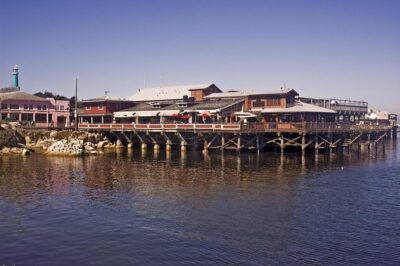
Lists this trip appears in