
Review · SPAIN
Whale Watching
The best part of this Tarifa boat trip is the setting: you sail where the Mediterranean meets the Atlantic, a narrow sea route used by several kinds of whales and dolphins. Pilot whales, bottlenose dolphins, and sperm whales are among the species you might see, and the crew follows rules designed to keep a respectful distance.
I like the strong chance of seeing cetaceans and the promised second outing if the first attempt finds nothing. I also like the English commentary and the small maximum group size of 50. The main caution is the sea itself: motion sickness can spoil an otherwise fine trip, so take a remedy before boarding if you are prone to it.
Key points before you book
- Seven cetacean species share these waters: The Strait can produce dolphins, pilot whales, sperm whales, and other species depending on food, migration, and breeding periods.
- The trip lasts about 2 hours 30 minutes: That gives the boat time to leave Tarifa, search the strait, watch animals, and return to port.
- Sightings are treated as highly likely: If the first outing does not meet its goal, a second chance is promised in that rare case.
- The crew keeps wildlife at the center: Feeding animals, throwing items into the water, shouting, and running on the boat are prohibited.
- English is offered: Guides explain what you are seeing, with Sofia, Alba, and Victor named as hosts on one departure.
- Prepare for open-water conditions: Pack sunscreen, a cap, a coat, comfortable shoes, and motion-sickness medicine if needed.
Why Tarifa is such a good place for whale watching
Tarifa sits at the western end of the Mediterranean, beside the Strait of Gibraltar. From here, a boat can reach waters where two major seas meet. That matters because the strait is not simply a scenic channel. It is a busy marine corridor with food, currents, and migration routes that bring several cetacean species into the same area.
The water is also an International Biosphere Reserve, recognized by UNESCO in 2006. You do not need to be an expert in marine science to appreciate the point. This is a place where the natural setting is the main attraction, not a stage built for a show.
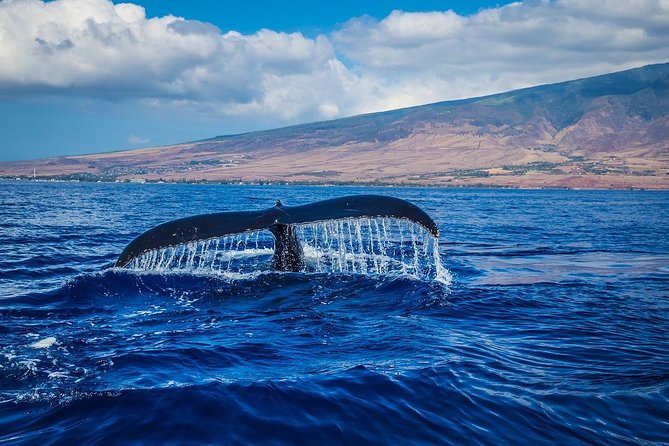
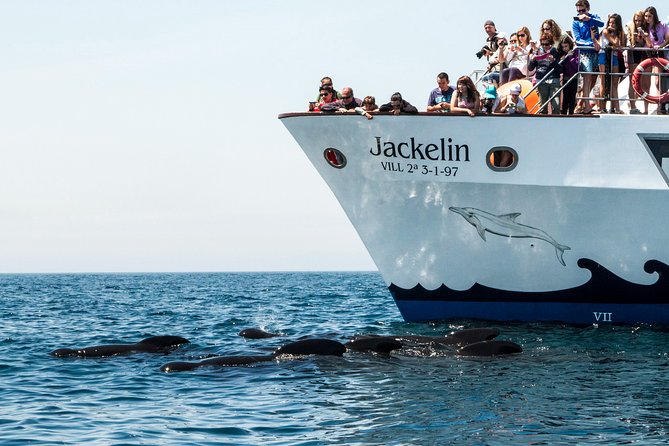
Seven different cetacean species live in or pass through the wider area. Which ones appear depends on the season, food supply, migration, and breeding patterns. You could see dolphins close to the boat, pilot whales traveling in a group, or the more dramatic sight of a sperm whale surfacing and later raising its tail before slipping below the water.
That variety gives the outing real value. You are not simply going to one known spot to look for one named animal. You are entering a living stretch of sea where conditions shape the day.
More whale trips worth the boat ride around Spain:
- Tenerife: Eco-Yacht Whale and Dolphin Watching and Swimming
★ 4.7 · 15,619 reviews - Los Cristianos Respectful No-Chase Whale and Dolphin Safari
★ 4.6 · 12,782 reviews - Costa Adeje: Whale & Dolphin Eco-Cruise with Snacks & Drinks
★ 4.6 · 5,096 reviews
Leaving Calle Alcalde Juan Núñez
The tour begins at Calle Alcalde Juan Núñez in Tarifa and returns to the same meeting point. The outing lasts about two and a half hours, so allow enough time around the scheduled departure to check in without rushing.
The listed operating window runs from 9:00 a.m. to 3:00 p.m., from April 1 through October 15, 2026, and again from March 14 through October 30, 2027. That broad season gives you several planning choices, although the actual wildlife conditions will still vary from one departure to another.
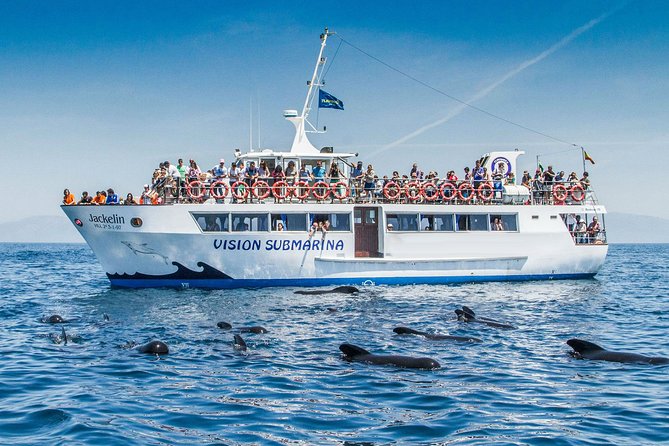
The boat can carry up to 50 people. That is not a private trip, but it is a more manageable size than a large sightseeing vessel. You should be able to move around the boat to seek a better view, as one successful outing allowed passengers to watch a pod from different angles.
Wear shoes that will stay secure on a moving deck. A coat is sensible even on a warm day, since wind on the water can feel much cooler than it does on shore. Sunscreen and a cap are useful too, especially when you spend long periods looking across bright water.
Searching the Strait for dolphins and whales
Once the boat reaches the search area, the pace changes. This is not a ride with a fixed sequence of animal appearances. The captain and crew scan the water, follow signs of activity, and adjust the boat’s position carefully.
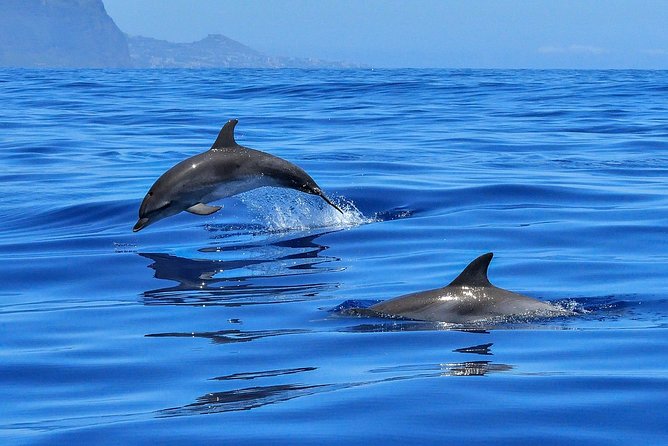
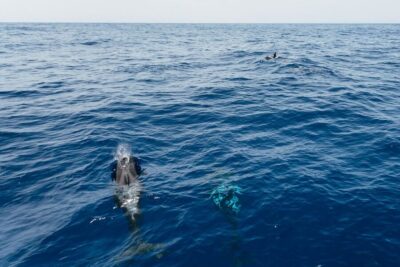
That uncertainty is part of the appeal, but it also calls for patience. A dolphin may surface near the boat and disappear before everyone sees it. A whale may show only its back or blow. You will get more from the trip if you watch the water in front of you rather than waiting for a guaranteed movie moment.
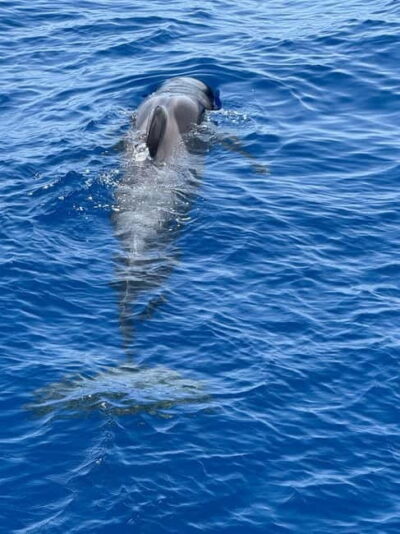
The captain has been praised for spotting dolphins and whales, including pilot whales and sperm whales. On one outing, passengers saw a pod of pilot whales with babies. On another, bottlenose dolphins came close enough for people to hear them breathe. Those encounters are memorable because they are brief and natural, not staged.
A sperm whale sighting can be especially striking. The animal may surface, breathe, and then show its tail as it goes below. You might see that sequence only once, so keep your camera ready, but do not spend the whole trip staring at a screen. The best moments can pass quickly.
What the guides add to the experience
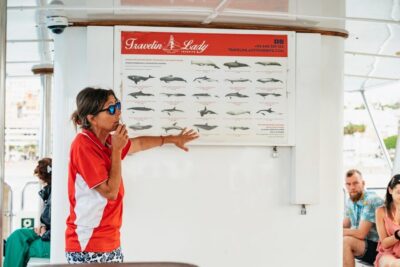
Wildlife identification is much easier when someone explains what you are seeing. English commentary is available, and the guide helps connect the animal’s shape, movement, and behavior with the species in front of you.
Sofia, Alba, and Victor have been named as hosts on one trip. Their role included helping passengers understand the sightings and supporting the group throughout the outing. The English explanation is useful if you do not speak Spanish, especially when different types of dolphins or whales appear in quick succession.
The strongest moments come when the explanation stays tied to what is happening on the water. A guide can point out a blow, explain why a tail is visible, or help you distinguish a group of pilot whales from smaller dolphins. That turns a fleeting sight into something you can understand and remember.
You should also expect the crew to manage the mood on board. This is a nature trip, not a party boat. Loud shouting, running, and careless behavior are prohibited because they can disturb the animals and make the deck less safe for everyone.
Same migration, a different deck:
- Los Gigantes: Dolphin & Whale Watching Cruise with Swim Stop
★ 4.7 · 4,539 reviews - Morro Jable: Dolphin & Whale Watching Cruise, Drinks & Swim
★ 4.1 · 4,158 reviews - From Morro Jable: Dolphin and Whale Watching and Snorkelling
★ 4.6 · 3,687 reviews - Costa Adeje: Whale Watching Catamaran Tour with Drinks
★ 4.7 · 3,653 reviews
A respectful approach to marine wildlife
The operators follow distances, directions, and speed limits set by Spanish law and ACCOBAMS regulations. If the animals show signs of disturbance, the boat moves away.
That policy may mean you do not get as close as you hoped. It is still the right trade-off. A whale-watching trip has less value if it causes stress to the animals it claims to celebrate. The best encounter is one where you watch natural behavior without forcing the animals to react to the boat.
You cannot feed the animals or throw anything into the sea. Keep bottles, wrappers, and loose belongings secure. One passenger pointed out that two water bottles fell overboard during a trip. It is a small reminder with a serious point: plastic in the ocean remains a problem long after the boat returns to Tarifa.
Put your water bottle inside a backpack or another secure bag when you are not using it. Do not leave it rolling on the deck, especially when the boat moves or passengers change position.
The real issue: motion sickness
The main practical weakness is not the wildlife. It is the sea.
Several people became seasick on one return journey, while those who had taken motion-sickness medicine beforehand had no trouble. That is useful advice. If you know you react badly to boats, take your usual remedy before the trip according to its instructions rather than waiting until you feel ill.
Fresh air and looking toward the horizon may help, but do not rely on last-minute solutions. A seasick passenger will find it hard to enjoy even an excellent sighting. Families with children should take this point seriously, since young passengers may be less comfortable on open water.
The boat’s movement can also make photography harder. Bring a camera if you wish, but keep one hand free and watch your footing. Comfortable shoes are specifically recommended for good reason.
Is $69.77 a fair price?
At $69.77 per person, this is not the cheapest way to spend a morning in Tarifa. Its value depends on what you want from the outing.
You are paying for roughly two and a half hours on the water, a specialist wildlife search, crew support, English commentary, and a strong stated chance of a sighting. The promise of a second attempt if the first outing finds nothing adds useful protection against an empty trip.
The price also covers something you cannot reproduce from shore: access to the marine zone where the animals gather. If you are already interested in whales and dolphins, that makes the cost easier to justify.
Still, check the final booking total carefully. One passenger objected to a noticeable difference between the ordinary ticket price and the amount paid through a booking channel. The stated price here is $69.77 per person, but prices and added charges can change. Compare the total, not only the headline fare.
The experience is strongest value for someone who sees the boat ride and wildlife search as the main event. It is less appealing if you need a guaranteed close-up encounter or are mainly looking for a cheap harbor cruise.
Who should book this boat trip?
I would choose this outing if you are staying in Tarifa and want a nature-focused activity that fits into half a day. It suits adults, families, and anyone curious about the animals moving through the strait.
It is also a good match for English-speaking visitors who want explanations during the trip. The maximum of 50 people keeps the outing from becoming an enormous crowd, while still giving the boat a social, shared-experience feel.
You should think twice if you dislike open water, struggle with motion sickness, or need a rigid schedule. Nature does not keep appointment times, and a whale may appear for seconds rather than minutes.
Service animals are allowed, and most people can participate. The activity requires good weather and a minimum number of participants. If poor conditions or low enrollment cancel the trip, you are offered another date or a full refund.
Free cancellation is available up to 24 hours before the start time. A cancellation made within 24 hours is not refunded, and changes inside that period are not accepted.
How to make the most of your 2 hours 30 minutes
Arrive prepared for wind and sun. Wear secure shoes, bring a coat even in warm weather, and pack sunscreen and a cap. Keep water and other small items inside your bag so they cannot roll overboard.
If you take motion-sickness medicine, do so before boarding in line with the product instructions. Do not wait until the boat is already moving.
During the search, spread your attention across the water. Listen for breathing, watch for a blow, and look for unusual movement on the surface. When animals appear, follow the crew’s directions rather than trying to crowd one side of the boat.
Treat the trip as wildlife watching, not an aquarium visit. You may see dolphins close to the vessel, pilot whales with young, or sperm whales showing their tails. You may also spend time scanning open water. Both parts belong to the experience.
Should you book it?
I would book this whale-watching trip if you want a well-regulated search for wild dolphins and whales in one of Europe’s important marine passages. The strongest reasons are the range of possible species, the experienced spotting by the captain, English guidance, and the second-chance policy in the rare event of no sighting.
I would not book it casually if you are uncomfortable on boats or need guaranteed animal behavior. Take motion sickness seriously, secure every loose item, and accept that respectful wildlife viewing sometimes means keeping your distance.
For a prepared visitor, the trip offers a good chance to see animals in their own water rather than behind glass. That is the kind of Tarifa experience worth making room for.
FAQ
Where does the whale-watching trip begin?
It begins at Calle Alcalde Juan Núñez, 11380 Tarifa, Cádiz, Spain.
Where does the activity end?
The boat trip ends back at the original meeting point.
How long does the whale-watching experience last?
The experience lasts approximately 2 hours and 30 minutes.
What animals might I see?
The Strait of Gibraltar is home to seven cetacean species. Possible sightings include bottlenose dolphins, pilot whales, and sperm whales, depending on food, migration, and breeding patterns.
Is the tour available in English?
Yes. The experience is offered in English, with commentary about the animals and sightings.
How many people can join the boat trip?
The activity has a maximum capacity of 50 participants.
What happens if the weather is poor or no travelers are enrolled?
The experience requires good weather and a minimum number of participants. If it is canceled for either reason, you are offered a different date or experience, or a full refund.
Newly added whale trips around Spain
- Whales and Dolphins excursion on a Luxury Yacht in Canary Islands★ 5.0 · 93 reviews
- Whale & Dolphin Watching Boat Trip in Tenerife On a Sailing Boat (3 Hr)★ 3.5 · 10 reviews
- Whale watching and snorkelling in the whale sanctuary★ 5.0 · 14 reviews
- Whale & Dolphin Watching With Mustcat Virgin Coast Trip On a Large Catamaran★ 4.0 · 3 reviews
- Whale Watching Catamaran to Los Gigantes & Masca (Including drinks & warm lunch)★ 4.0 · 55 reviews
- Whale and Dolphin Watching EcoAdventure in Tenerife★ 5.0 · 78 reviews
- Whale & Dolphin Watching in Tenerife (Puerto Colon) On a Large Catamaran★ 4.0 · 12 reviews
- 5 hr watching and listening whales and dolps. Visit Los Gigantes★ 5.0 · 185 reviews
Spain Whale Watching Tours, side by side.
Eco-Yacht Whale and Dolphin Watching and Swimming
Read our review →
Los Cristianos Respectful No-Chase Whale and Dolphin Safari
Read our review →
Whale & Dolphin Eco-Cruise with Snacks & Drinks
Read our review →
Dolphin & Whale Watching Cruise with Swim Stop
Read our review →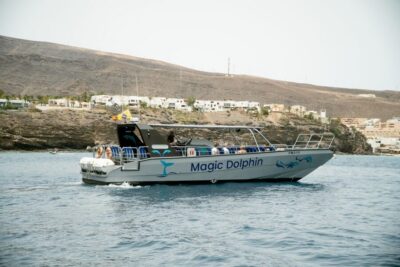
Dolphin & Whale Watching Cruise, Drinks & Swim
Read our review →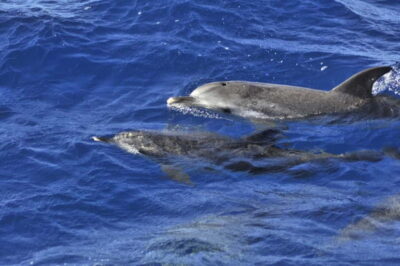
Lists this trip appears in