
Review · TENERIFE
Costa Adeje | Cetacean sighting in Tenerife South
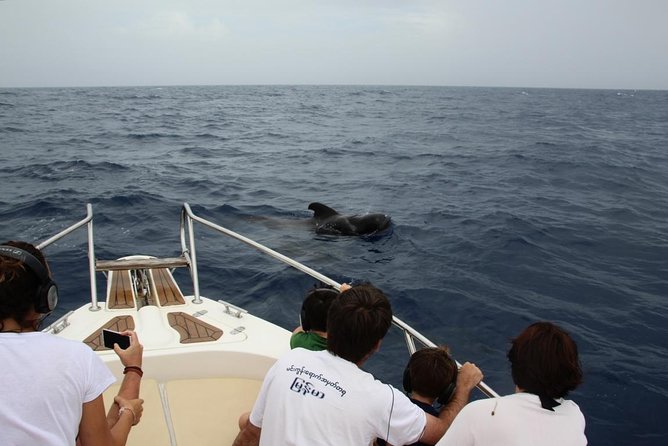
The best part of this Costa Adeje boat trip is the small group of no more than 10 people. Instead of peering over a crowd on a big excursion boat, you sit close to the water while biologist David explains the pilot whales, dolphins, turtles, and seabirds around you. When the boat stops, the engines are switched off and a hydrophone lets you hear the animals calling below.
I like the calm, respectful approach, and I like that the crew uses its time on the water for real observation rather than loud music or a party atmosphere. Captain Mirna and David also identify familiar pilot whales from photographs, which gives the outing a useful research angle. The main consideration is the sea itself: sightings are never guaranteed, and even a steady boat can be rough for anyone prone to seasickness.
Key points to know before booking
- Only 10 places: The small boat gives you a clear view and plenty of time to speak with the biologist.
- Whalesong through a hydrophone: The engine is shut off during sightings so you can listen to underwater calls.
- Pilot whales are the main attraction: You may also see dolphins, porpoises, turtles, seabirds, flying fish, and occasionally larger whales.
- A conservation-first trip: The crew avoids chasing animals, leaves crowded areas, and may collect floating plastic.
- Two and a half hours on the water: Bring sun protection, water, and seasickness medicine if you need it.
- Good value at $71.35: You pay for a personal, educational outing rather than food, music, or a large-boat cruise.
Setting out from Puerto Colón in a 10-person boat
The meeting point is at Av. de Colón, 4, in Costa Adeje, at Puerto Colón Marina. The trip returns to the same place, so you do not need to arrange a separate ride back from another harbor.
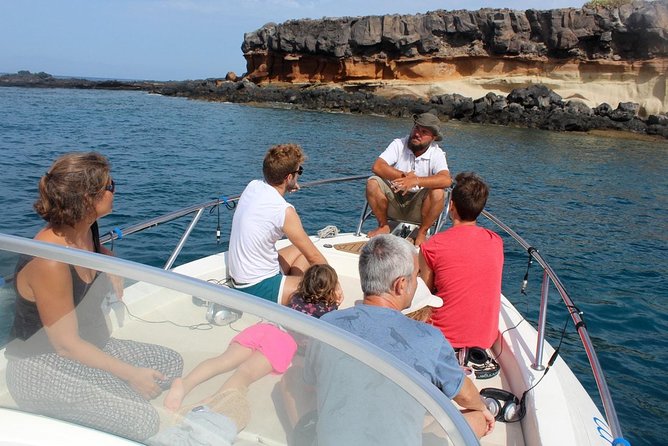
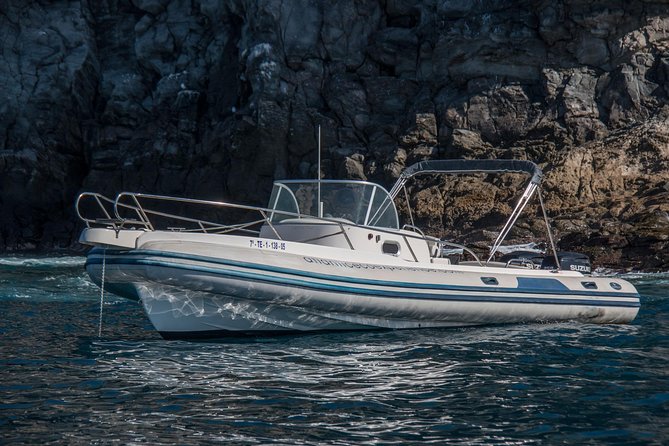
Your boat is Papacho 2, with a maximum capacity of 10 passengers. That number matters. On a large whale-watching boat, the best view can quickly become someone else’s best view. Here, you can move around the boat more easily, ask questions without shouting, and keep an eye on the sea instead of a forest of raised phones.
The boat sits close to the water, giving you a more direct view when pilot whales or dolphins surface nearby. That low position is exciting, though it also means you will feel the movement of the sea more than you would on a large, high-sided vessel.
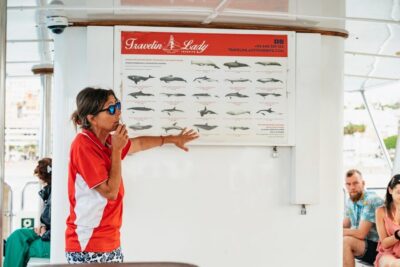
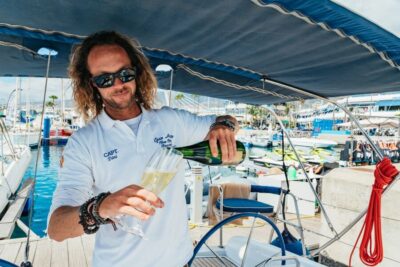
The crew gives an introduction before leaving. David explains the marine life found around Tenerife and the conservation rules that shape the outing. Captain Mirna handles the boat and helps keep the approach careful and controlled. The tone is educational but relaxed, with plenty of room for questions and the occasional bit of humor.
More whale trips worth the boat ride around Tenerife:
- Tenerife: Eco-Yacht Whale and Dolphin Watching and Swimming
★ 4.7 · 15,619 reviews - Los Cristianos Respectful No-Chase Whale and Dolphin Safari
★ 4.6 · 12,782 reviews - Costa Adeje: Whale & Dolphin Eco-Cruise with Snacks & Drinks
★ 4.6 · 5,096 reviews
Why Tenerife attracts pilot whales
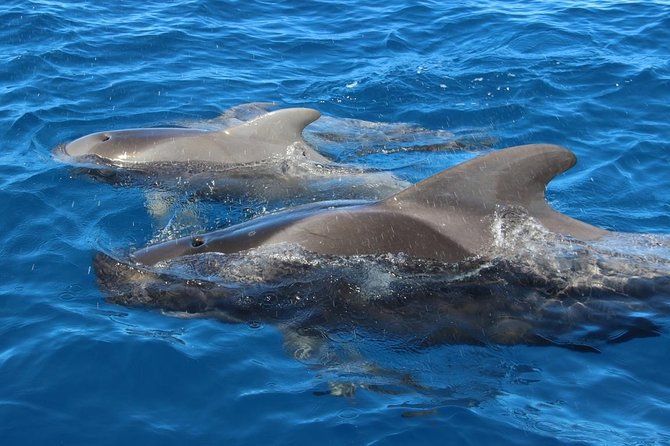
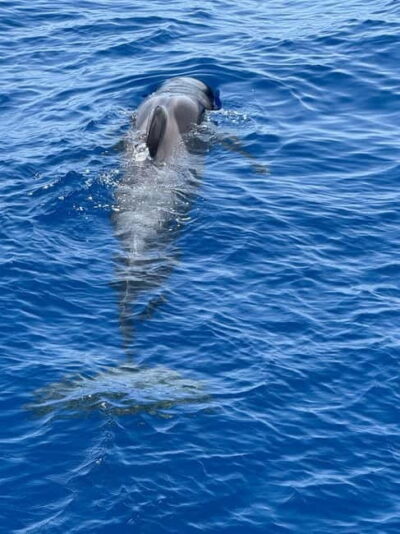
The waters off southern Tenerife are well suited to cetacean watching. Tenerife rises dramatically from the ocean floor, creating deep offshore water close to the island. That setting supports short-finned pilot whales, which are regular residents in the area.
David explains how these whales travel in family groups and how the crew can recognize some individuals from their dorsal fins. A photo catalogue helps the team identify familiar families, including mothers and young whales. This turns a quick sighting into something more meaningful. You are not only looking at an anonymous animal for a few seconds. You may be learning how a local whale family lives and moves through its home waters.
Pilot whales are powerful animals, but the experience is not built around dramatic pursuit. The boat may travel to an area where whales have been seen, then slow down or coast while the crew waits. That patience can feel strange if you expect constant action, but it is the right way to watch wild animals.
The whales may appear beside the boat, surface several times, or vanish for a while before returning. You need to accept that the sea sets the schedule. The reward is a more natural encounter, not a staged performance.
Quiet observation instead of a chase
Atlantic Eco Experience follows a clear rule during sightings: the crew respects the animals’ space and avoids interfering with their behavior. If other boats are already crowding an area, the crew may leave rather than add more pressure to the whales.
That choice affects the trip in a good way, but it also requires the right expectations. You may not get the closest possible photograph every time. You will get a crew that treats the whales as wild animals rather than scenery placed for your camera.
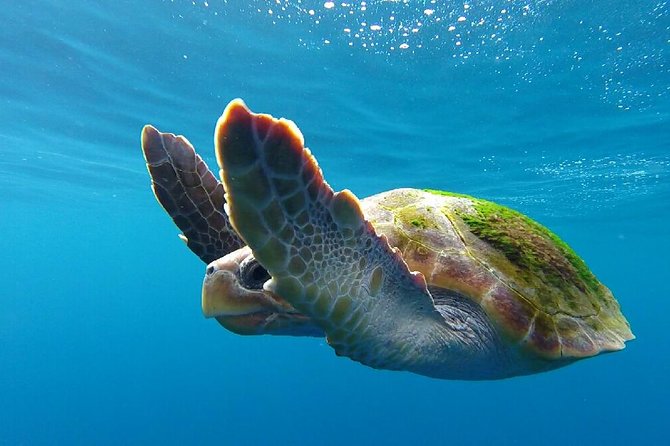
The engines are fully switched off during the most settled observation periods. The boat then drifts or sits quietly while the group watches the surface. You may see a whale breathe, lift its back, turn, or travel alongside the boat. Dolphins can be more active, and turtles may appear near the surface. Porpoises, seabirds, flying fish, and other whale species are also possible.
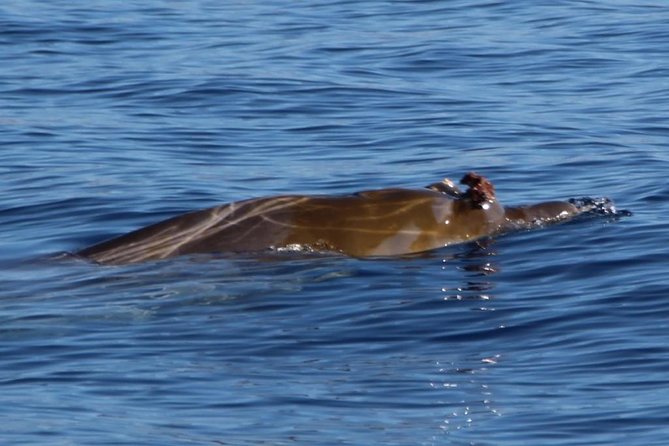
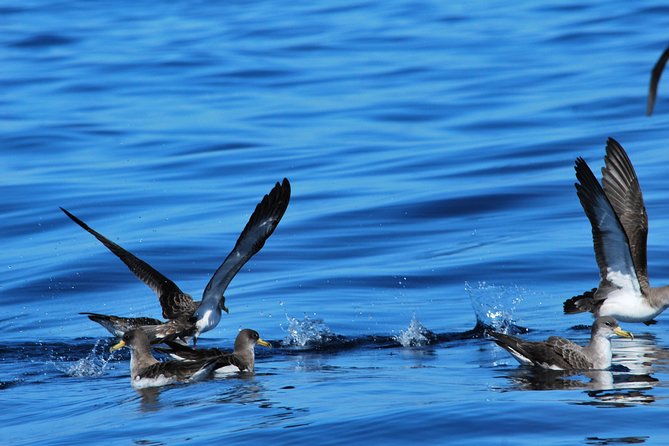
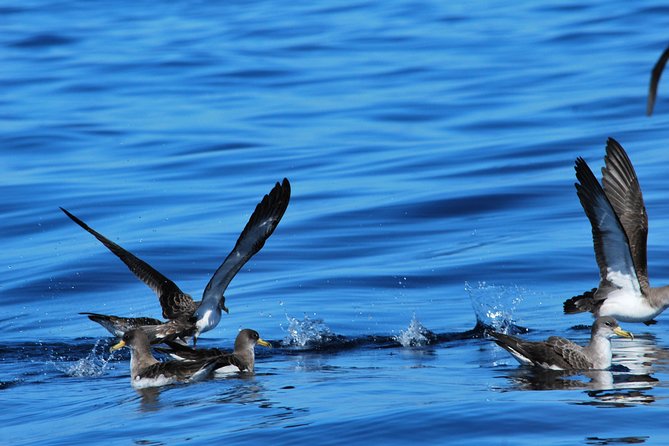
Several outings have included multiple families of pilot whales, dolphins, loggerhead turtles, and Cory’s shearwaters. One account also described seeing a fin whale, while another included three orcas. These sightings are unusual possibilities rather than promises, so book this for the quality of the approach, not for a specific species checklist.
Hearing the sea through the hydrophone
The hydrophone is one of the most memorable parts of the trip. Once the engine is off, the crew lowers the device into the water and lets you hear the sounds produced by the animals.
Whales and dolphins use sound to communicate and find food. Through the hydrophone, you may hear calls from below the boat while watching for the next surface appearance. The effect is striking because it connects what you see above the water with a hidden world underneath it.
This also gives David a useful teaching tool. He can explain what the sounds may mean and how animals use the surrounding water. It is a simple feature, but it changes the outing from a sightseeing ride into a lesson in animal behavior.
The hydrophone works best when everyone stays quiet and listens. If you want loud music, a party, or a full meal at sea, this is the wrong type of boat trip. If you enjoy paying attention to small sounds and waiting for wildlife to reveal itself, it adds real value to the $71.35 price.
Same migration, a different deck:
- Los Gigantes: Dolphin & Whale Watching Cruise with Swim Stop
★ 4.7 · 4,539 reviews - Costa Adeje: Whale Watching Catamaran Tour with Drinks
★ 4.7 · 3,653 reviews - Tenerife: Whale & Dolphin Watching Cruise with Swim Stop
★ 4.7 · 3,227 reviews - Los Cristianos: Viking Cruise Whales & Dolphins Watching
★ 4.6 · 3,132 reviews
David and Mirna bring science to life
The guides are a major reason this trip earns its strong reputation. David leads the interpretation with energy, clear explanations, and stories that make marine biology easy to follow. He covers the animals’ behavior, the local ocean environment, and the pressures that affect whales and dolphins.
He also explains some remarkable details about short-finned pilot whales. They can travel far below the surface while searching for squid, and they live in close family groups. You will hear about the way the crew recognizes individuals and records what it sees.
Mirna combines her role as captain with photography and identification work. She has taken photographs of dorsal fins so the crew can match whales with its catalogue. Photos may also be shared after the trip through WhatsApp, depending on the outing.
The exact crew can vary, but David and Mirna are the names most often associated with this experience. Another guide may lead your departure, so do not book on the assumption that every trip will have the same two people. The key feature is the combination of a marine biologist and an experienced captain.
What the 2.5-hour itinerary feels like
The outing lasts about two hours and 30 minutes. After the safety briefing and introduction, the boat moves away from the marina and searches the coastal waters for signs of marine life.
The crew looks for whale blows, dorsal fins, groups of dolphins, seabirds, and other clues on the surface. Once cetaceans are found, the boat approaches carefully and then reduces speed or stops. You may spend several minutes simply watching and waiting.
That pause is important. The trip is not a series of fast stops with a guide shouting directions. You are given time to see how the animals move. If whales surface close to the boat, you may notice differences in size, fin shape, scars, or family behavior.
The boat can then move on to another group. This may happen if the animals leave, if another boat has gathered nearby, or if the crew decides that continued presence would be too intrusive. Along the way, you may see seabirds riding the air above the water, flying fish skipping across the surface, or a turtle appearing briefly.
Near the end, the crew may offer a cold drink. There are toilet facilities below deck, a useful detail on a two-and-a-half-hour trip. The boat then returns to Puerto Colón Marina.
The conservation work you can see firsthand
The conservation message does not feel tacked onto the trip. It guides the way the boat operates.
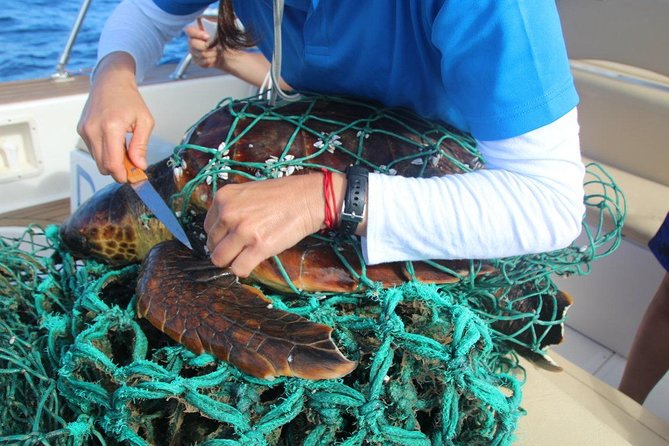
The crew records animals, recognizes known whale families, and explains how human activity affects the sea. On some outings, the group has also stopped to collect plastic rubbish floating in the water. That small act makes the problem visible without turning the trip into a lecture.
The boat is part of a Blue Flag certified whale-watching organization, according to the information provided for the experience. The important point for you is practical: the crew’s rules are built around reducing disturbance. Engines are turned off during close observation, animals are not chased, and crowded areas may be avoided.
No wildlife tour can promise a perfect encounter. A conservation-minded operator may sometimes give you less action in order to protect the animals. I consider that a fair trade, especially when you are looking for an experience that supports better habits at sea.
Is $71.35 a fair price?
At $71.35 per person, this costs more than some large boat trips around Tenerife. The comparison is not quite equal, though.
A cheaper cruise may offer more seats, longer time on the water, food, drinks, or music. This tour offers the opposite: only 10 places, a biologist, a quiet boat, a hydrophone, and a more careful approach to sightings.
I think the price is fair if you value personal attention and learning. David can answer questions, and you can usually see the animals without competing with dozens of people for the rail. The crew’s ability to identify whales and share photographs adds another layer that a basic cruise may not provide.
The price is less attractive if your main goal is entertainment, a party atmosphere, or guaranteed close contact with a particular species. There is no promise of orcas, fin whales, or large dolphin pods. You are paying for a responsible search in the animals’ own environment.
Who will enjoy this trip most
Families can do well on this outing. One report described a seven-year-old staying engaged for the full two and a half hours, helped by the guides’ stories and the changing wildlife. The small boat also lets the crew give children more direct attention.
It suits adults who want more than a quick photograph. The biology, whale identification, and hydrophone make the trip worthwhile even during quiet stretches.
It is also a good pick for anyone concerned about wildlife ethics. The crew does not chase whales or force an encounter. You will need patience, but the reward is a calmer and more respectful experience.
The main caution is seasickness. One person still became ill after taking medication, so this is not a minor concern for everyone. The sea can be rough, and a small boat moves more than a large one. Take appropriate medicine before departure if you normally need it, and bring water.
You should also prepare for strong sun. Wear a hat with a secure strap, sunglasses, and plenty of sun protection. The boat is exposed, and it can feel hot even offshore.
Booking, cancellation, and access details
The experience is offered in English, with mobile tickets. Confirmation is sent within 48 hours, subject to availability, and the average booking lead time is about 17 days. I would reserve ahead if your Tenerife dates are fixed because the 10-person limit keeps demand concentrated.
Free cancellation is available up to 24 hours before the start time. Cancellations or changes inside that period are not refunded. Poor weather can lead to a new date or a full refund, and the same applies if the minimum number of participants is not reached.
Service animals are allowed, and the meeting point is near public transportation. Most people can take part, but boat access depends on the type of reduced mobility and sea conditions. Contact the company before booking if accessibility is important for you.
Should you book Atlantic Eco Experience?
I would book this tour if you want quiet, small-scale whale watching with real explanation behind it. The hydrophone, the known pilot whale families, and the crew’s refusal to crowd or chase animals give it more substance than a standard harbor cruise.
Choose another outing if you want a party boat, a big lunch, or certainty that you will see a rare species. Choose this one if you are happy to wait, listen, and let wild animals set the pace. For families, curious adults, and anyone who cares how wildlife tours are run, the $71.35 price is justified.
FAQ
Where does the cetacean tour begin?
It begins at Av. de Colón, 4, 38660 Costa Adeje, Santa Cruz de Tenerife, at Puerto Colón Marina.
Where does the tour end?
The boat returns to the same meeting point at the end of the activity.
How long does the experience last?
The tour lasts approximately two hours and 30 minutes.
How many people can join the boat trip?
The maximum group size is 10 passengers.
Which animals might I see?
You may see pilot whales, dolphins, porpoises, sea turtles, seabirds, and flying fish. Larger whales, including fin whales, and other species have also been seen, but sightings are not guaranteed.
Can I hear the whales underwater?
Yes. During sightings, the crew switches off the engines and lowers a hydrophone so you can hear sounds used by whales and other animals to communicate or hunt.
Is the tour available in English?
Yes. The experience is offered in English.
What happens if the weather is poor?
If the tour is canceled because of poor weather, you will be offered another date or a full refund. If the minimum number of participants is not reached, you will also be offered another option or a full refund.
Newly added whale trips around Tenerife
- Whales and Dolphins excursion on a Luxury Yacht in Canary Islands★ 5.0 · 93 reviews
- Whale & Dolphin Watching With Mustcat Virgin Coast Trip On a Large Catamaran★ 4.0 · 3 reviews
- Whale & Dolphin Watching Boat Trip in Tenerife On a Sailing Boat (3 Hr)★ 3.5 · 10 reviews
- Whale watching and snorkelling in the whale sanctuary★ 5.0 · 14 reviews
- Whale Watching Catamaran to Los Gigantes & Masca (Including drinks & warm lunch)★ 4.0 · 55 reviews
- Whale and Dolphin Watching EcoAdventure in Tenerife★ 5.0 · 78 reviews
- Whale & Dolphin Watching in Tenerife (Puerto Colon) On a Large Catamaran★ 4.0 · 12 reviews
- 5 hr watching and listening whales and dolps. Visit Los Gigantes★ 5.0 · 185 reviews
Tenerife Whale Watching Tours, side by side.
Eco-Yacht Whale and Dolphin Watching and Swimming
Read our review →
Los Cristianos Respectful No-Chase Whale and Dolphin Safari
Read our review →
Whale & Dolphin Eco-Cruise with Snacks & Drinks
Read our review →
Dolphin & Whale Watching Cruise with Swim Stop
Read our review →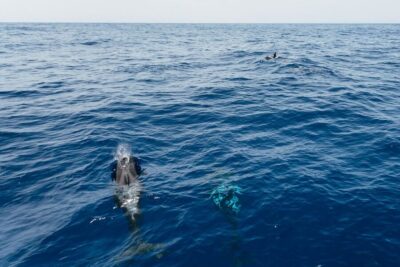
Whale & Dolphin Watching with Drinks and Snacks
Read our review →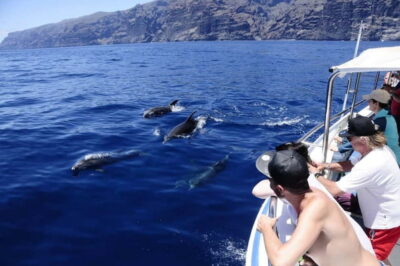
Whale or Dolphin Watching Tour and Swim in Masca
Read our review →Lists this trip appears in