
Review · TROMSO
From Tromso: Whale Watching in Magic Skjervoy
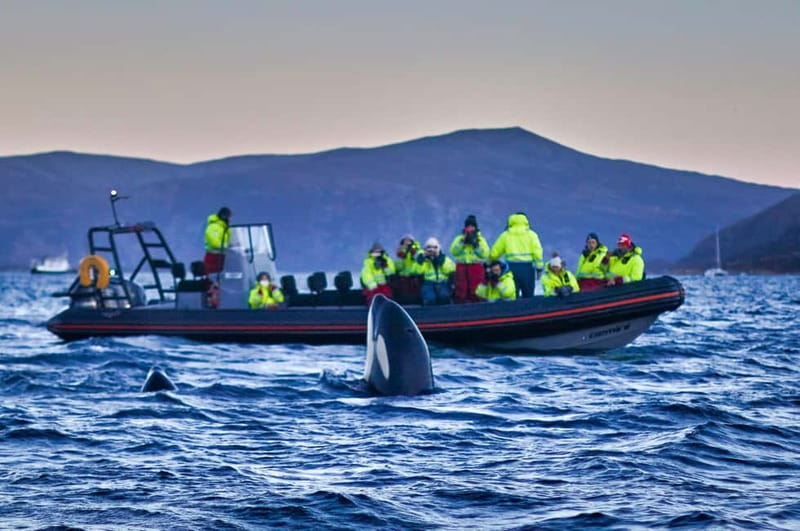
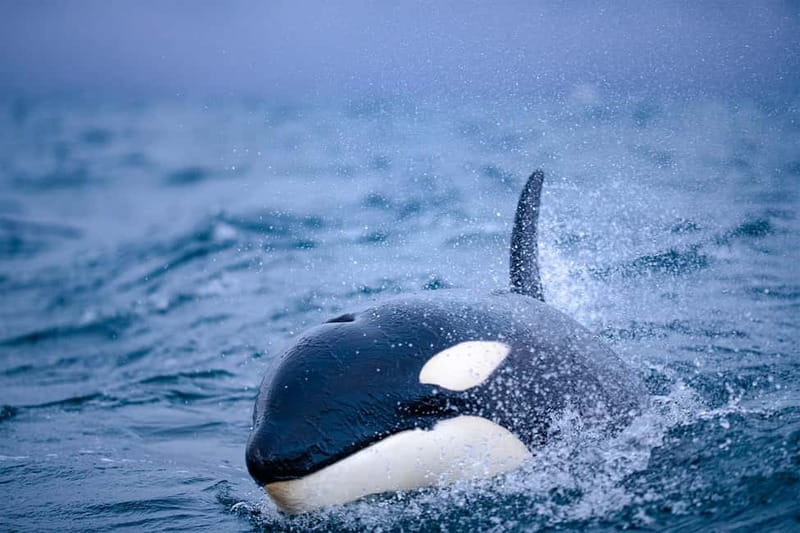
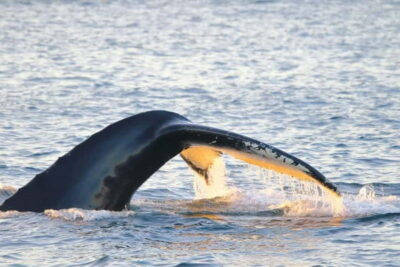
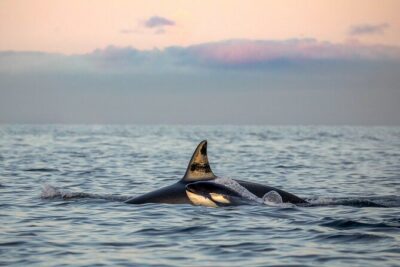
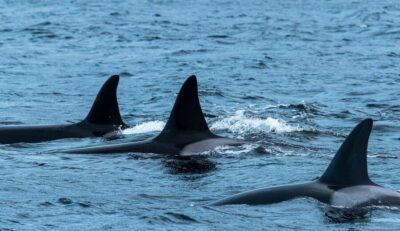
Seeing a pod of orcas hunt herring beneath snowy peaks is the main event here. From late October through January, the waters near Skjervøy can turn into an Arctic feeding ground, with humpback whales, orcas, and sometimes fin whales moving through the same fjords. The wildlife is fully wild, so the day can bring a breathtaking spectacle or a quieter search.
I like two things right away: the small RIB groups, capped at 12 people, and the care taken with cold-weather gear. I also like the long overland route, which gives you a fine look at northern Norway before the boat ride begins. The catch is simple: this costs $356 and takes about 12 hours, with a fast, bumpy boat ride that can be hard on anyone prone to seasickness.
Key points to know before booking
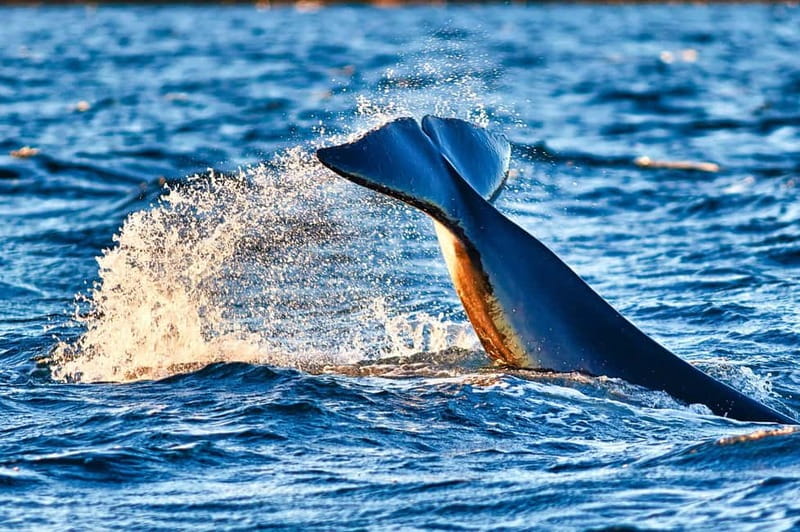
- Orca season runs from October to late January, when herring draw whales into the Skjervøy area.
- The RIB holds only 4 to 12 people, giving you a better chance of seeing the water from the sides of the boat.
- The boat time lasts 2.5 to 3 hours, but the complete Tromsø outing takes about 12 hours.
- The sea can be rough, and the ride is not suitable for people with back, heart, respiratory, or mobility problems.
- Warm flotation suits, boots, gloves, balaclavas, and goggles are supplied, but you still need several warm layers underneath.
- The return to Tromsø is part of the price, along with sandwiches, biscuits, tea, coffee, photos, and access to an orca documentary series.
The 5:20 a.m. start in Tromsø
Your day begins early at Prostneset Bus Terminal, at Samuel Arnesens gate 5. Be there by 5:20 a.m. for the 5:30 departure. The meeting point is on the ground floor behind the Magic Ice bar, where you should go directly to the large red bus marked Bussring or Arctic Route and confirm with the driver.
This is not a casual morning outing. You will spend much of the day on the move, so plan your sleep and breakfast around it. The bus journey to Skjervøy takes roughly three to four hours each way, depending on conditions. That sounds like a lot of sitting, but it is also a useful part of the experience. You pass through northern scenery that would be difficult to appreciate from a quick airport transfer.
The buses have been described as clean and comfortable, with features including Wi-Fi, USB outlets, and toilets. A toilet on board matters on a long winter drive, although the facilities are small. Bring a phone charger. After filming whales in the cold, your battery may not survive the return trip.
Food on the bus is not presented as a full breakfast or lunch, so bring extra snacks if you need more than the later baguette. Water has not always been provided, making a refillable bottle a sensible addition.
More whale trips worth the boat ride around Tromso:
- Tromsø: Whale Watching Tour by Hybrid-Electric Boat
★ 4.5 · 4,217 reviews - Tromsø Whale Safari with MS Gabriele
★ 4.3 · 1,937 reviews - From Tromsø: All-Inclusive Whale & Orca Safari
★ 4.5 · 1,221 reviews
The road to Skjervøy
The drive gives you wide views of snowy mountains, frozen-looking shorelines, fjords, and changing Arctic light. Some people have also had unexpected wildlife luck from the road, including moose and, on a clear evening, the Northern Lights. These sightings are not part of the planned program, so treat them as a bonus rather than a promise.
The long transfer also helps explain the price. You are not simply buying a short harbor cruise. The cost includes transport across the region, a specialist boat excursion, cold-weather equipment, guides, food, photographs, and a full day of staff time. Still, $356 is a serious outlay. If whales are your main reason for visiting Tromsø, it can be worthwhile. If you want a short, inexpensive activity, this is the wrong choice.
The company has operated whale-watching trips for more than 10 years, and that experience matters most when the animals are spread out or the weather changes. Guides need to read the water, share sightings clearly, and avoid crowding the whales. The best encounters happen on the animals’ terms.
Gearing up beside the harbor
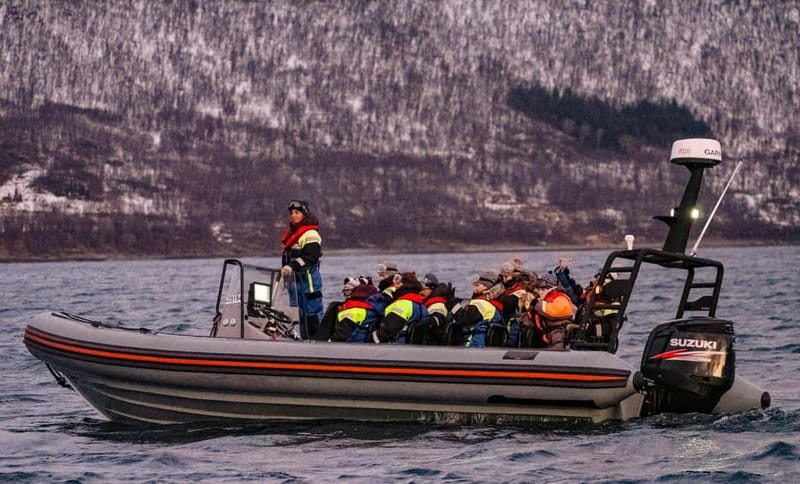
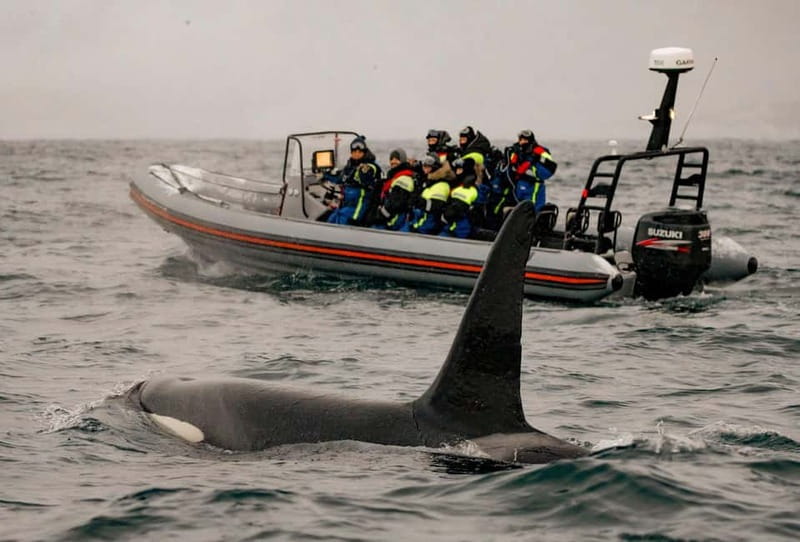
On arrival in Skjervøy, you are taken to a warm changing area and fitted with flotation suits and other equipment. The provided kit includes a warm one-piece suit, mittens, balaclava, waterproof boots, and ski goggles. This is useful safety gear as well as protection from cold spray.
The fitting process can feel hurried. The crew wants you on the water quickly, and several people may be changing at once. Wear simple layers that are easy to pull on and remove. Bring as many warm and waterproof clothes as you can comfortably wear beneath the suit.
You should also pack a spare set of clothes. The suit does a good job, but a fast RIB throws spray, and weather can change quickly. A waterproof phone pouch or camera cover is wise. The outer suit may keep your body warm while leaving your electronics exposed to spray.
The boat has limited room for bags and cameras. A medium zoom lens is more practical than a large professional lens, and a phone is often easier to handle. You can ask the operator about camera storage and seating if you plan to bring bulky equipment.
Three hours among orcas and humpbacks
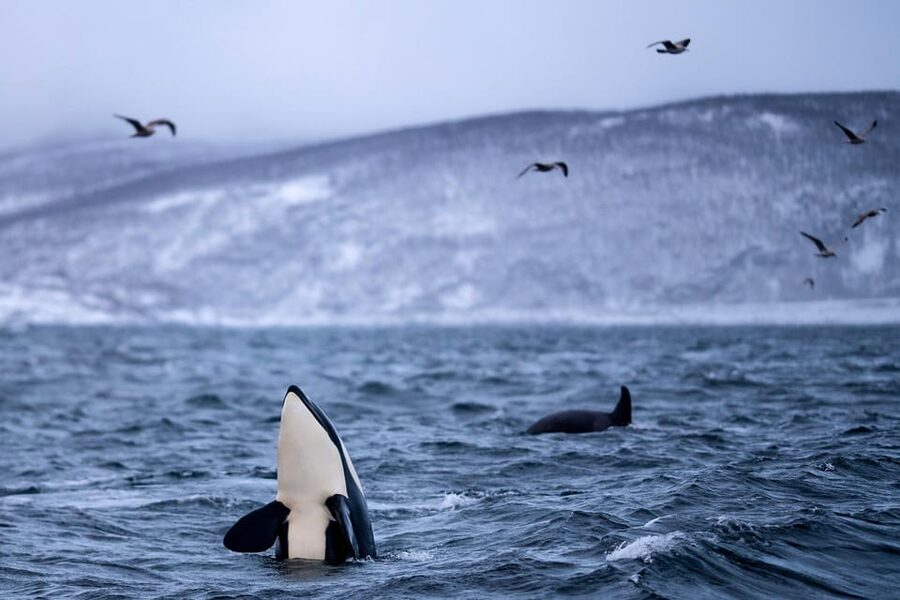
The RIB ride is the heart of the day. With no more than 12 people aboard, you get a more personal setting than on a large whale-watching vessel. The boat is fast, which helps it reach active areas, but speed also means noise, wind, and jolting over waves.
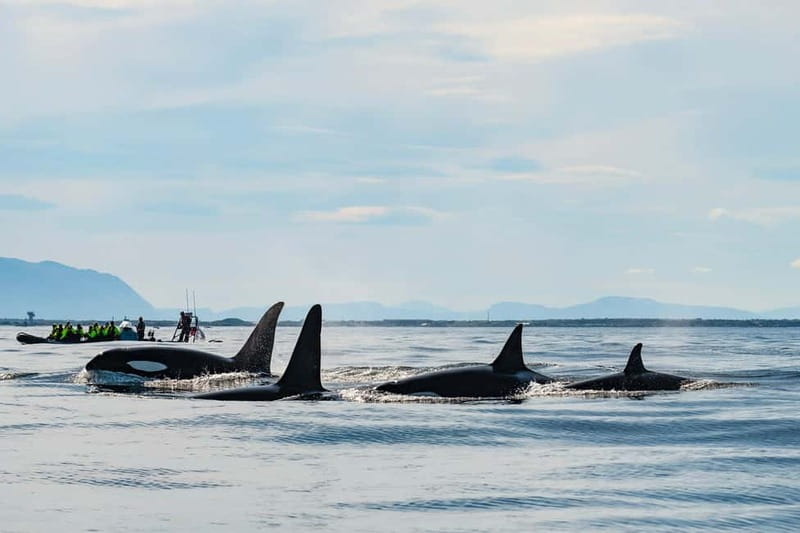
You may reach the feeding area within minutes, or you may spend longer searching. Once whales are located, the captain slows or stops the boat so you can watch. Orcas may travel in pods, sometimes with calves, while humpbacks gather around herring. Fin whales have also been seen in the area.
This is a wildlife trip, not a guaranteed animal show. Some days bring huge numbers, including reports of dozens or even hundreds of orcas and many humpbacks. Other days produce only a few sightings, or different species than expected. Nature decides the schedule. That uncertainty is part of the value, but you should accept it before paying.
The guides point out movement and help you follow the action. Names used by the team have included Kristina, Norbert, and Brigit, with guests praising their calm handling, species information, and effort to give everyone a view. The sound of wind and waves can make spoken explanations hard to hear, especially at speed. Listen closely during stops, and ask questions when the boat is quiet.
The boat’s position can affect your experience. Whales may appear on one side, and it is not always possible to turn the boat for every person without disturbing the animals. The crew tries to share viewing opportunities, but you may need to look across other passengers or wait for the next surfacing.
Same migration, a different deck:
- Silent Whale Watching by Hybrid-Electric Boat from Tromsø
★ 4.5 · 1,017 reviews - Tromsø Whale Safari with MS Keiser Wilhelm
★ 4.3 · 161 reviews - Whale Watching RIB Safari at Skjervøy
★ 4.8 · 136 reviews - 24hr Northern Lights & Whale Watching Cruise
★ 5.0 · 114 reviews
Responsible whale watching in a crowded fjord
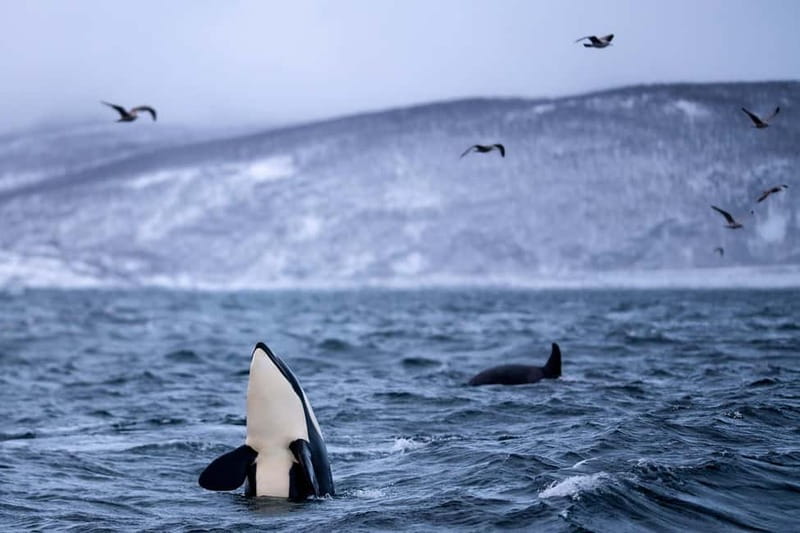
Skjervøy can attract several whale boats at once. That makes good boat handling important. Some operators may move close to fishing vessels or crowd an animal for a better photograph. This company has been praised for keeping a respectful distance and following rules designed to protect the mammals.
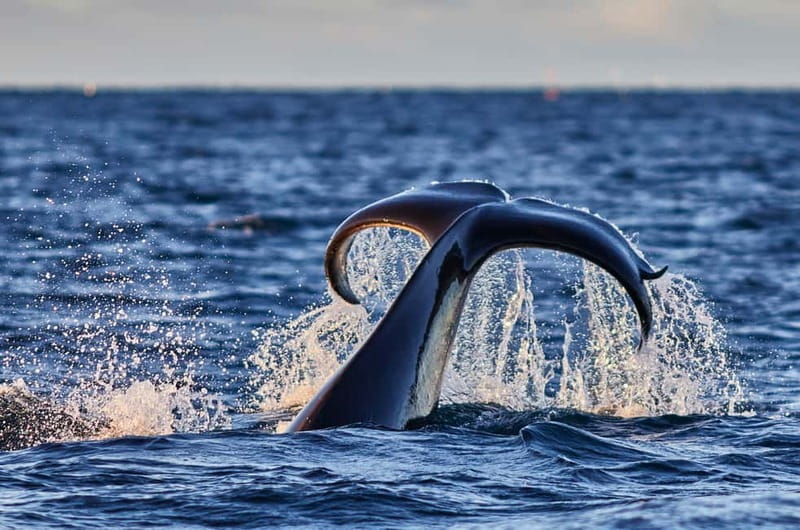
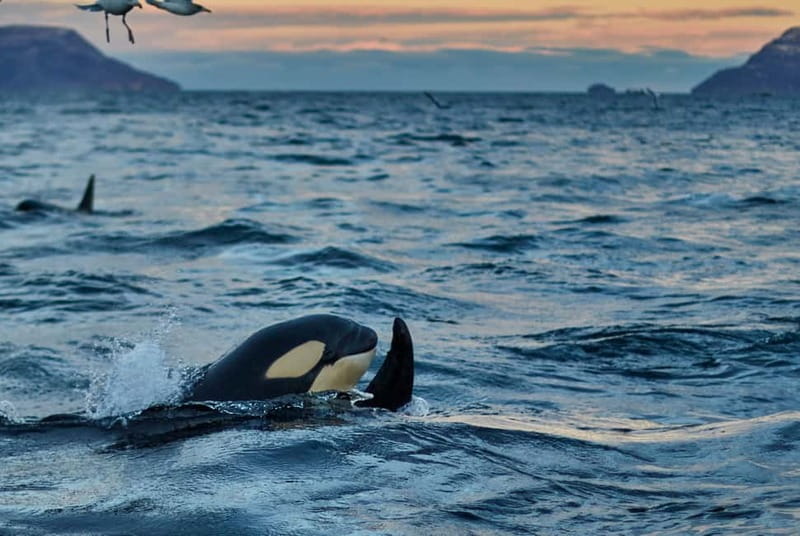
That approach may occasionally mean a less dramatic camera angle. It also gives you a better kind of encounter. Orcas or humpbacks sometimes approach a quiet boat on their own, bringing them surprisingly close without chasing them. The strongest moments come from allowing the animals to choose the distance.
You may see herring-feeding behavior, including whales circling, surfacing, and working around a bait ball. Orcas and humpbacks can appear in the same area, and fin whales are another possible sight. The guides explain what you are seeing rather than treating every splash as a photo opportunity.
This is wildlife in its own habitat, not a controlled attraction. That makes the day special, but it also means sightings cannot be guaranteed. A company can improve your chances through local experience, not promise a particular number of whales.
Cold, motion, and the real comfort level
Do not underestimate the physical side of this trip. The flotation suit keeps you warm and adds safety, but it can restrict your movement. Turning around to photograph a whale is harder than it sounds when you are wearing thick layers, boots, gloves, and a one-piece suit.
The sea may be rough. The ride has been described as exciting, fast, and bumpy, but also uncomfortable for people who get seasick. You may feel fine on the bus and much less fine on the water. If you have a history of motion sickness, think carefully before booking and ask the operator about suitable precautions.
The experience has a medium difficulty rating and requires a minimum height of 140 centimeters. It is not suitable for pregnant people, anyone with back or mobility problems, or people with heart, respiratory, or seizure conditions. A weight limit of 120 kilograms also applies. Claustrophobia is listed as another reason not to take part, likely because of the enclosed feel of the flotation suit.
The cold can be severe, especially when the boat is moving. Wear thermal base layers, warm socks, and extra gloves if possible. Your hands and face need special care. Goggles help with spray and wind, while the balaclava protects exposed skin.
The warm room and ride back
After two and a half to three hours on the water, returning to the changing room feels good. You can remove the wet outer gear, change if needed, and warm up with tea, coffee, biscuits, and a fresh baguette. Sandwich choices include chicken, ham and cheese, and cooked egg. Tell the operator about special dietary needs before the trip.
The food is simple, but it arrives at the right time. After cold air, salt spray, and a rough ride, a warm drink and a sandwich are far more welcome than a polished meal would be.
You then return to Tromsø by bus. The drive is long, and darkness may hide the scenery you saw in the morning. You might still spot moose or Northern Lights if conditions allow, but these are not included sightings. Use the ride to rest, charge your phone, and sort through photographs.
Photos from the excursion are included, along with one year of access to an exclusive documentary series about orcas. Those extras add value, especially if poor weather makes your own pictures less successful.
What the $356 price really buys
At $356 per person, this is one of the more expensive day trips around Tromsø. The price makes more sense when you count the bus transfer, the small boat, specialist equipment, staff, food, photos, and the time needed to reach Skjervøy.
The strongest value comes from the chance to see whales in a dramatic natural setting with a small group. A 12-person boat feels much less crowded than a large sightseeing vessel, and the guides can give more direct help with gear, viewing, and questions.
The weak value point is the transport time. You spend perhaps six to eight hours on the road and only 2.5 to 3 hours on the RIB. If you want more time on the water, a stay in Skjervøy could make sense, but this particular outing is built as a round trip from Tromsø.
You also pay for possibility, not certainty. A fantastic day can produce orcas, humpbacks, fin whales, calves, bait-ball feeding, and clear mountain views. A difficult day may offer fewer sightings. The company cannot control the animals, the herring, or the sea.
Free cancellation up to 24 hours before departure and a reserve-now, pay-later option make the booking less rigid. Weather can still affect the schedule, so keep some flexibility in your Tromsø plans.
Who should book this Skjervøy whale trip?
I would choose this tour if seeing orcas is high on your list and you are willing to trade comfort for a real Arctic wildlife outing. It suits adults and older children who meet the height requirement, handle cold well, and can manage a rough boat.
It is also a good fit for photographers who prefer wildlife over perfect images. Bring a compact camera or phone, protect it from spray, and accept that the best moment may last only seconds. Your camera position will be limited, so watching matters more than getting a perfect frame.
I would skip it if you dislike long bus rides, need an easy-access activity, have serious medical restrictions, or become seasick quickly. I would also avoid making this your final activity before a flight, since a delayed or weather-affected day could disrupt your plans.
Should you book it?
Book this if you want the best practical chance to see Arctic orcas and humpbacks from a small, fast boat, and you accept that the sea may be rough and the day very long. The guides, warm gear, responsible boat handling, and small group give the $356 price a reasonable case.
Do not book it simply because you want a comfortable sightseeing day. This is a cold, physical, weather-dependent outing. For the right person, though, a pod of orcas moving through a snowy fjord can make the early start, long bus ride, and sore sea legs feel like a fair bargain.
FAQ
How long does the full tour take?
The complete round trip from Tromsø takes about 12 hours. The RIB whale-watching portion lasts approximately 2.5 to 3 hours.
Where do I meet the bus in Tromsø?
Meet at Prostneset Bus Terminal, Samuel Arnesens gate 5, on the ground floor behind the Magic Ice bar. Be there by 5:20 a.m. for the 5:30 departure.
How many people are on each RIB?
Each boat carries between 4 and 12 participants.
What wildlife might I see?
The main possible sightings are orcas and humpback whales. Fin whales and other cetaceans may also appear, but sightings and numbers depend on nature.
What clothing and equipment are provided?
You receive warm flotation suits, mittens, a balaclava, waterproof boots, and ski goggles. You should still bring several warm layers and waterproof clothing to wear underneath.
Is the boat ride rough?
It can be. The RIB travels quickly and may bump over waves, with strong wind, spray, and an agitated sea. The activity has a medium difficulty level.
Who cannot take part?
The tour is not suitable for pregnant people, people with back, heart, respiratory, mobility, or seizure problems, or people with claustrophobia and other pre-existing medical conditions. Participants must be at least 140 centimeters tall and weigh no more than 120 kilograms.
Newly added whale trips around Tromso
- Tromsø: Whale Watching on hybrid boat with scenic bustrip★ 4.1 · 30 reviews
- Tromsø Whale Safari with MS Keiser Wilhelm★ 4.3 · 161 reviews
- Tromsø: 24hr Northern Lights & Whale Watching Cruise★ 4.9 · 46 reviews
- Tromsø: Orca and Whale Watching comfort heated boat Trip★ 4.8 · 107 reviews
- Tromsø: Responsible Whale Watching Cruise Aboard MS Alba★ 4.7 · 53 reviews
- 24hr Northern Lights & Whale Watching Cruise★ 5.0 · 114 reviews
- Whale Watching RIB Boat Tour in Skjervoy from Tromso★ 4.5 · 102 reviews
- Whale Safari in Tromso★ 4.5 · 63 reviews
Tromso Whale Watching Tours, side by side.
Silent Whale Watching by Hybrid-Electric Boat from Tromsø
Read our review →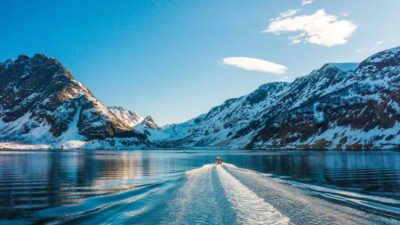
24hr Northern Lights & Whale Watching Cruise
Read our review →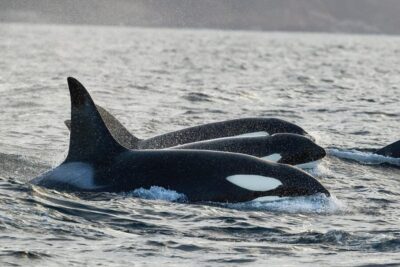
Orca and Whale Watching comfort heated boat Trip
Read our review →Lists this trip appears in