Review · PORTUGAL
Horta: University Startup Whale and Dolphin RIB Boat Trip
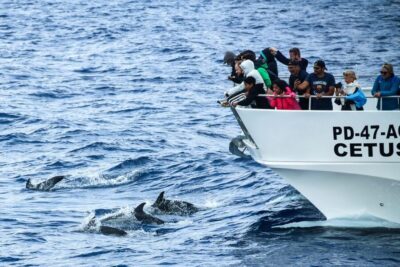
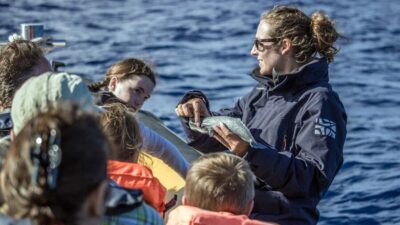
The best part of this Horta trip is the mix of small-boat excitement and serious marine science. You head out in a 16-passenger RIB while land-based whale spotters help the skipper find animals. A marine researcher from the University of Lisbon and the University of the Azores rides along, explaining what you are seeing as it happens.
I like two things right away: the research connection gives the outing more purpose than a simple wildlife ride, and the crew supplies waterproof jacket and trousers, which matter in an open boat. You may also get complimentary animal photos afterward. The main drawback is the ride itself. A RIB can bounce hard in rough seas, and the company does not recommend it for pregnancy, serious back problems, or recent surgery.
Key points to know before you book
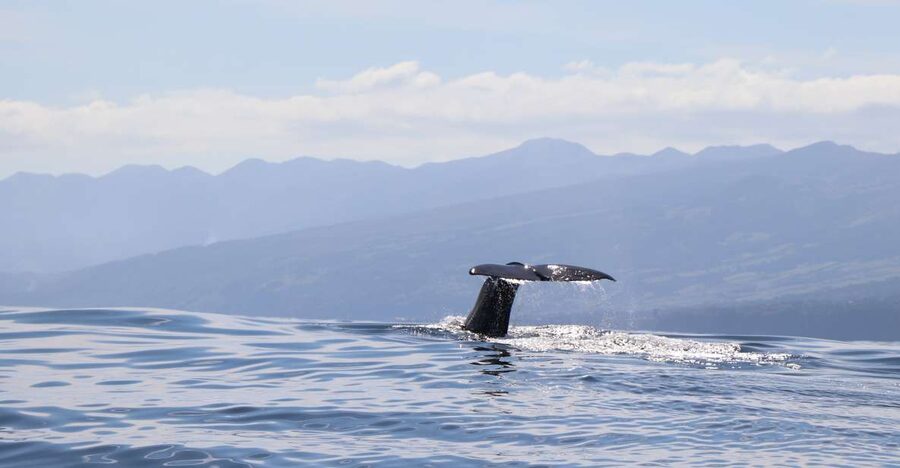
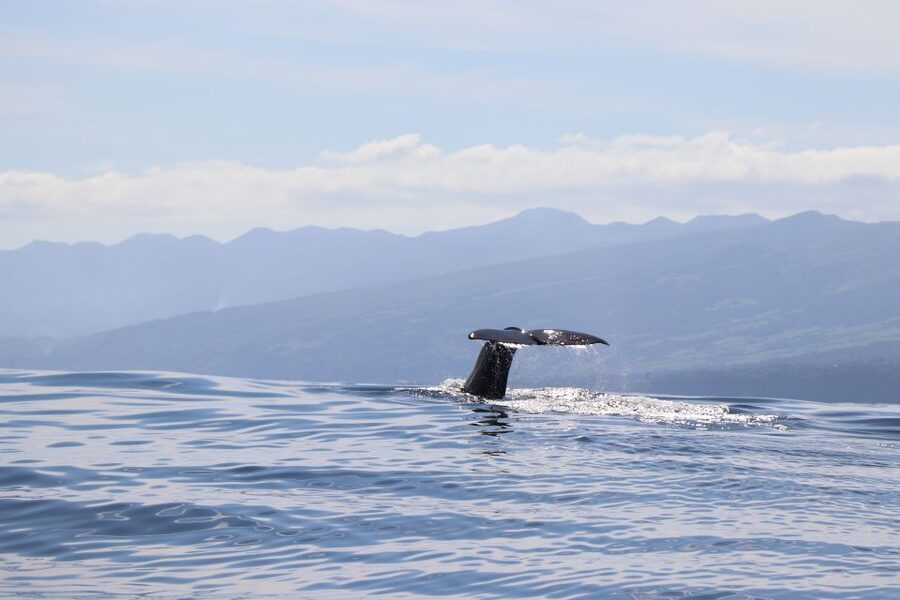
- Sperm whales live here year-round, while blue, fin, sei, humpback, and Bryde’s whales appear at different times of year.
- A marine researcher rides on board, offering current information about whale and dolphin behavior and helping collect data.
- The 16-passenger RIB keeps the group small, but the open design means wind, spray, and a bumpy ride are part of the deal.
- Wildlife can include much more than whales, from bottlenose and Risso’s dolphins to turtles, sharks, sunfish, squid, and shearwaters.
- The crew follows animals with care, keeping a measured distance and shifting position when needed to improve sightings.
- Weather controls the schedule, so keep some flexibility in your Horta plans.
Why this Horta whale trip feels different
The Azores sit in a productive stretch of the Atlantic, and the waters around Faial and Pico attract a long list of species. More than 25 cetacean species have been recorded in the region, though a normal outing usually brings sightings of two or three types.
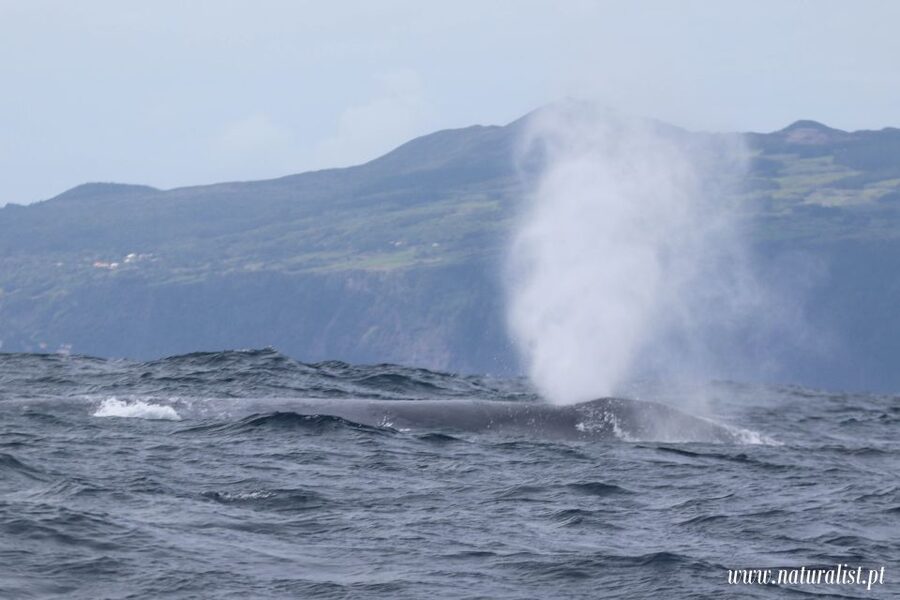
That variety gives the trip a useful seasonal twist. Sperm whales are resident, so they can appear throughout the year. Blue and fin whales are most associated with spring. Sei and Bryde’s whales can also show up in summer, while several dolphin species remain in the area year-round.
You are not promised a particular animal. That is the honest part of whale watching. One outing may produce several sperm whales and a large pod of dolphins. Another may bring sei or Bryde’s whales. One departure in July produced no whales at all, despite the crew’s effort. The ocean makes the rules.
The company improves your odds by working with whale spotters on Faial and Pico. These observers scan from land and pass information to the boats. That approach saves time and fuel, and it means the skipper is not simply heading offshore and hoping for the best.
More Whale and Dolphin Watching Tours in Portugal
- From Funchal: Ecological Catamaran Dolphin Whale Watching
★ 4.5 · 8,204 reviews - Funchal: Dolphin and Whale Watching Catamaran Cruise
★ 4.5 · 5,697 reviews - From Ponta Delgada: Whale and Dolphin Watching Trip
★ 4.7 · 4,109 reviews
Meeting at Horta Marina at 8:45 or 1:45
You meet at Naturalist, Science and Tourism Whale Watching in the marina. Arrive 15 minutes before departure, at 8:45 for the 9:00 morning trip or 1:45 for the 2:00 afternoon trip.
There is no hotel pickup, and food and drinks are not included. Plan a snack and water before you arrive, especially if you are prone to seasickness or have chosen the afternoon departure after a busy morning.
The first step is a roughly 10-minute safety briefing. Pay attention here. The RIB is not a large cruise boat, and the briefing helps you understand how to sit, hold on, and move safely around the vessel. The crew also explains the day’s conditions and what species have recently been present.
This is a good time to ask questions about the sea state. The company may reschedule a trip when weather makes conditions unsuitable, with a full refund if the departure is canceled. A flexible schedule helps because the Azores can change plans quickly.
A 16-passenger RIB and a real ocean ride
The boat is a semi-rigid inflatable vessel carrying up to 16 passengers. The small capacity keeps the group manageable and gives you a more direct view of the water than a large sightseeing boat.
It also means you feel the ocean. The ride can be turbulent, particularly when the boat is moving quickly across open water. People seated near the front are more likely to get spray and a sharper bounce, even with the supplied waterproof clothing.
Bring shoes that can handle water or dry quickly. Waterproof trousers and a jacket are included, but your own footwear still matters. On a cold or windy day, add warm layers beneath the provided gear.
The RIB is a good match for you if you enjoy an active outing and do not mind getting wet. It is a poor fit if you need a calm, cushioned ride. The operator specifically excludes children under five, pregnant women, people with back problems, and people recovering from recent surgery.
How the whale search works
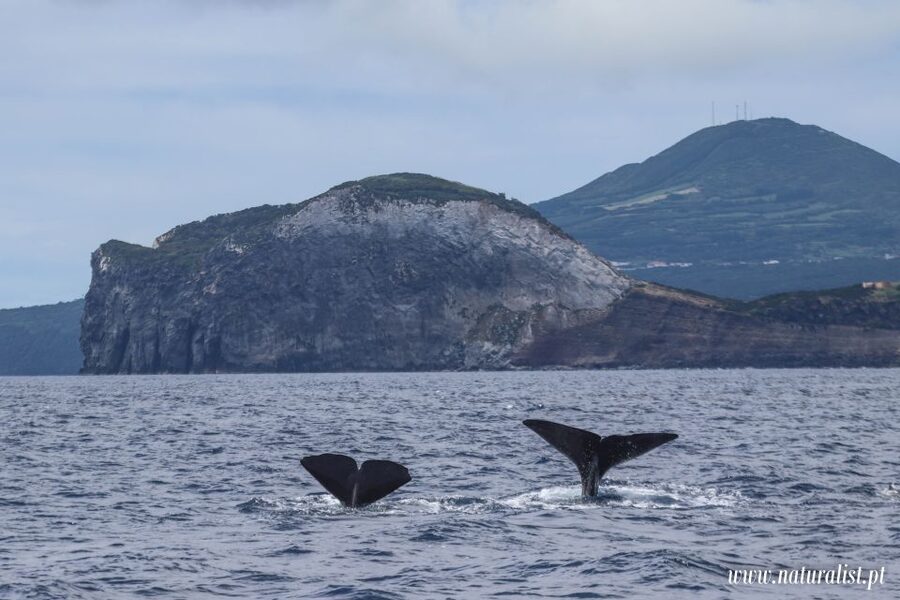
After the briefing, the boat heads out with information from the land spotters. The crew watches for blows, dorsal fins, flukes, and the movement of dolphin groups. Your marine guide fills in the gaps, explaining how the animals behave and why the boat changes position.
The search is not a straight ride to one fixed viewing point. The captain may wait, circle, or move to another area as the animals travel. That can feel less predictable than a standard sightseeing tour, but it is the right way to approach wild animals.
One outing involved two separate moves after waiting for whales, allowing the boat to reach a better position. That kind of persistence matters, but it should not be confused with a guarantee. The crew can improve the chance of a sighting, not control the animals.
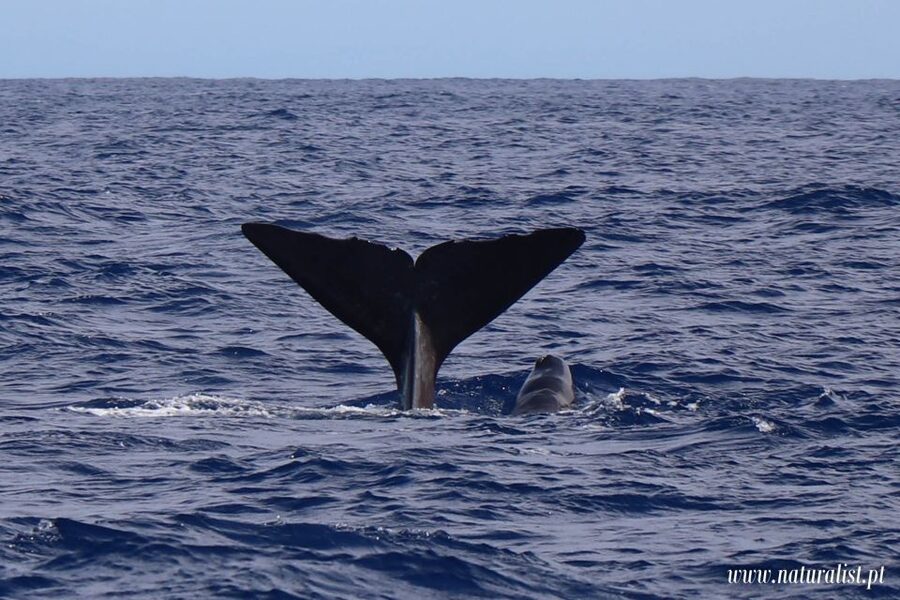
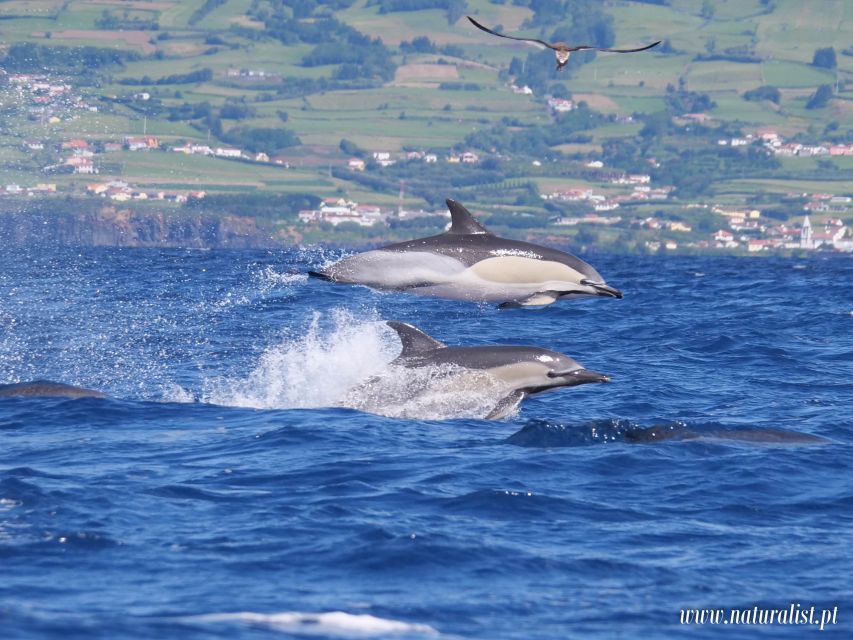
When whales surface, the best moments may be brief. A sperm whale can appear, breathe several times, and disappear again. Dolphins may stay longer, riding the bow wave or moving beside the boat in groups. Keep your camera ready, but also watch with your eyes. The animals rarely perform on cue.
More Zodiac and RIB Whale Watching in Portugal
- Funchal: Whale and Dolphin Watching Speed Boat Tour
★ 4.6 · 526 reviews - Pico Island: Azores Whale & Dolphin Watching on Zodiac Boat
★ 4.8 · 408 reviews - From Calheta: Whale and Dolphin Watching RIB Boat Tour
★ 4.9 · 298 reviews - Funchal: RIB Whale Watching Cruise and Optional Dolphin Swim
★ 4.6 · 273 reviews
What you may see beyond sperm whales
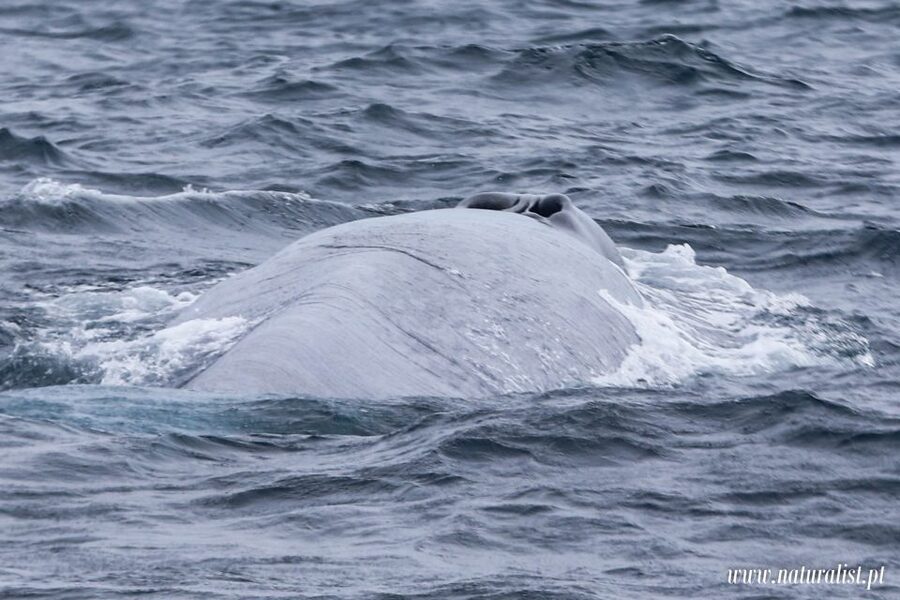
Sperm whales are the headline species here, and their year-round presence makes Horta a strong choice in any season. The Azores also receive blue and fin whales in spring, with sei, humpback, and Bryde’s whales possible at other times.
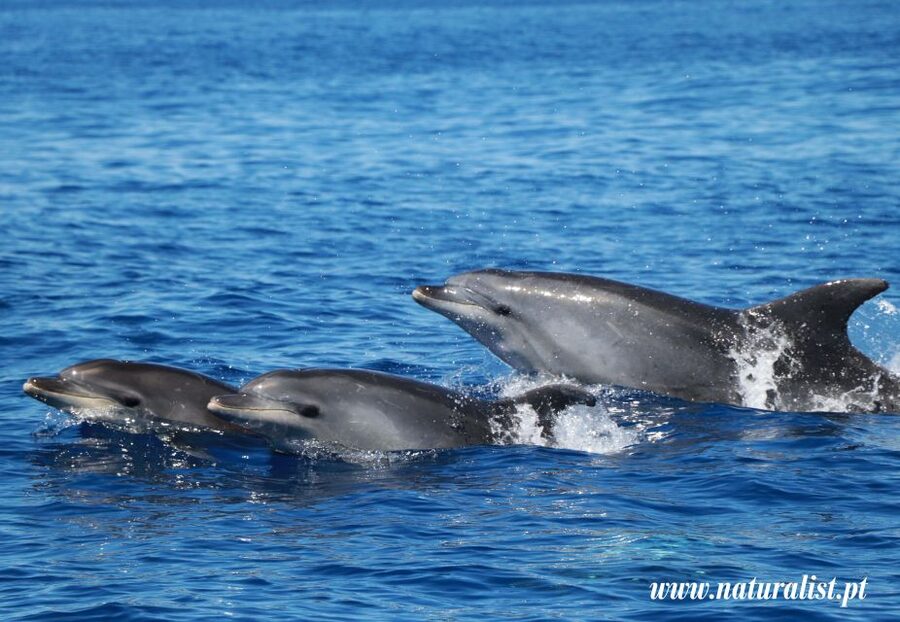
Dolphins may be easier to find than whales. Bottlenose, Risso’s, and common dolphins are resident species, and other types pass through. One especially productive trip included hundreds of dolphins feeding alongside whales and large numbers of birds.
The wider list is a reminder that this is a marine wildlife trip, not simply a whale hunt. Possible sightings include:
- Loggerhead and green turtles, with leatherback and Kemp’s ridley turtles also recorded in the Azores
- Flying fish, squid, octopus, and ocean sunfish
- Hammerhead and blue sharks
- Cory’s, great, and Manx shearwaters
- Common and roseate terns
Not every outing will produce this full list. You might see a turtle surfacing beside the boat, or you might spend most of the trip with dolphins and seabirds. That uncertainty is part of the appeal, provided you arrive with realistic expectations.
The marine biologist adds real value
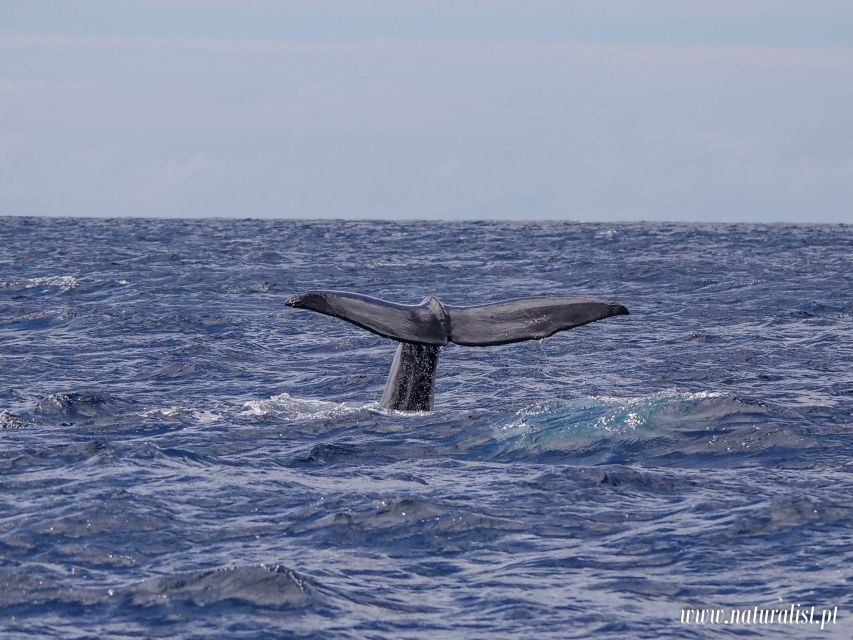
A marine researcher is on board to collect data and explain the animals. That changes the feel of the trip. You are not just pointed toward a whale and told to take a picture. You can learn about behavior, feeding, movement, and the species’ place in the local ecosystem.
Past departures have included guides such as Anna and Cristiana. Anna was praised for her clear explanations, while Cristiana helped identify whales and dolphins and provided detailed information during the ride. The staff also includes a captain focused on boat handling and animal distance, so the roles are distinct.
The best guides explain without overwhelming you. They tell you where to look, what a particular movement means, and why the boat is slowing down or changing course. If the animals are far away, that context keeps the trip worthwhile.
The research link also gives the outing a useful local connection. Some of the money supports research, and the researcher’s presence lets you see how tourism and marine study can work together. That does not remove the commercial side of the trip, but it makes your ticket feel more connected to the place.
Watching wildlife without crowding it
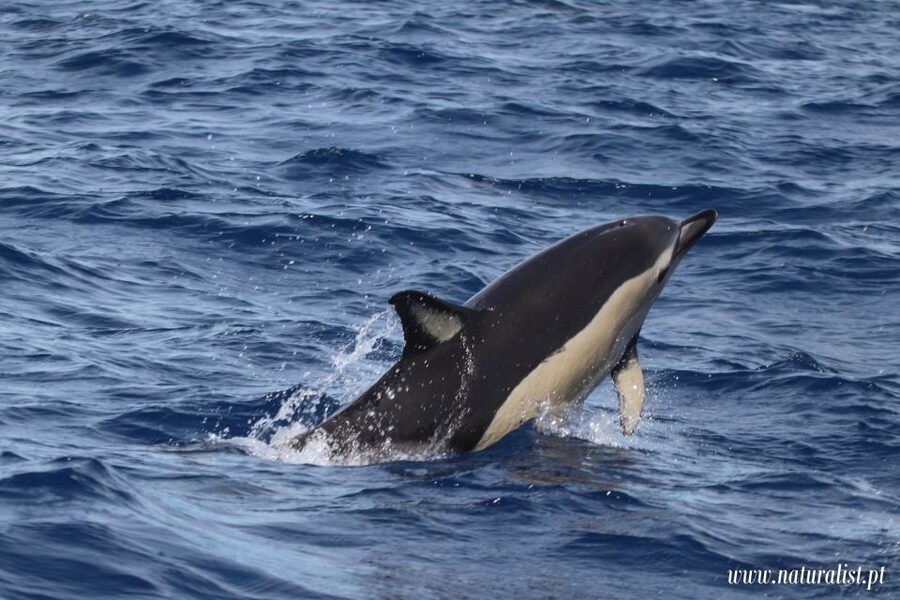
The crew’s approach is generally careful. The skipper keeps a certain distance from whales and moves with attention rather than charging straight toward them. That is better for the animals and gives you a calmer chance to observe natural behavior.
You may see the boat reposition to meet a moving group, but responsible viewing still means accepting a less-than-perfect angle. Sometimes the whale surfaces behind you. Sometimes dolphins appear close to the boat for only a few seconds.
The company’s own briefing about marine life helps you understand why the distance matters. Whales and dolphins are not props. The point is to observe them without forcing an encounter.
A bonus on some departures is a set of photos taken by the guide and shared afterward. This is useful because photographing a fast-moving dolphin from a bouncing RIB is difficult. Do not let the camera become your main task, though. A photo is a nice reminder, not the reason to miss the sight itself.
What the three-hour schedule really includes
The full outing takes about three hours. That includes the safety briefing, travel out of the marina, the wildlife search, viewing time, and the ride back.
The published schedule describes a photo stop, guided commentary, dolphin watching, marine life viewing, scenic views, whale watching, and general wildlife observation. In practice, the balance depends on where the animals are. A nearby dolphin group may give you extended viewing. A distant whale search may involve more travel.
Three hours is long enough to make a serious attempt without consuming your whole day. You can still plan another activity in Horta, though I would avoid booking something that cannot be moved immediately afterward. Weather or animal movements may affect the return time.
The morning trip starts at 9:00, while the afternoon trip starts at 2:00. Choose based on your wider schedule and your tolerance for sun, wind, and sea conditions. The company provides information about species presence before each departure, which can help you decide if you have flexible dates.
Is the $101 price good value?
At $101 per person, this is not the cheapest quick boat ride you will find. The value rests in the full package: a three-hour ocean outing, a 16-passenger boat, waterproof clothing, safety insurance, a marine researcher on board, and the work of land-based spotters.
I think the price makes sense if you want explanation as well as sightings. A basic wildlife cruise may get you onto the water, but this trip puts a biologist beside you and links the experience to ongoing research.
The value also improves when the crew provides photos afterward. That service is not listed as a formal inclusion, so treat it as a possible extra rather than a promise. The main thing you are paying for is access to the search area and the team’s experience, not a guaranteed whale.
A single disappointing outing is possible. The ocean can stay empty of whales, and rough water can make the ride tiring. If a guaranteed animal encounter is essential to your plans, no wild whale tour can honestly meet that expectation.
Who should book this trip
I would choose this experience if you care about marine life, want clear scientific background, and are comfortable on a small open boat. It suits couples, older children over five, solo visitors, and anyone who prefers a smaller group to a large vessel.
It is especially good for people who want to see more than whales. Dolphins, turtles, seabirds, sharks, and sunfish can turn an uncertain whale search into a strong day on the water.
You should think twice if you have a serious back problem, are pregnant, recently had surgery, or dislike fast boat travel. The RIB can be rough, and the operator does not recommend it for those conditions.
The tours are offered in English and Portuguese. The wider trip information also lists Spanish, while French must be requested in advance and depends on availability. Confirm your preferred language when booking.
Weather flexibility matters in the Azores
Keep at least a little space in your schedule. Trips depend on weather, and a storm caused one departure to be rescheduled, with the company communicating proactively and even arranging a start from Pico.
The operator allows free cancellation up to 24 hours before departure and offers reserve-now, pay-later booking. Those terms are useful, but the bigger practical tip is to book early enough in your visit to leave room for a weather change.
If your first date is canceled, the company can reschedule when conditions allow. If the company cancels the trip, a full refund is available. Ask about the latest sea conditions before setting out, especially if you are unsure about the RIB ride.
Should you book the Horta whale and dolphin trip?
Book it if you want a small-group wildlife outing with a research focus, and if you can accept that the animals choose the schedule. The marine biologist, land spotters, careful skipper, and range of possible species give this trip more substance than a simple boat ride.
Skip it if you need smooth water, guaranteed whales, or a quiet vessel. For everyone else, $101 is a fair price for three hours of open-ocean searching, especially when the day brings sperm whales, dolphins, seabirds, or one of the Azores’ less expected visitors.
FAQ
How long does the whale and dolphin trip last?
The expedition lasts about three hours, including the safety briefing, boat travel, wildlife viewing, and return to Horta.
Where does the tour meet?
Meet at Naturalist, Science and Tourism Whale Watching in the Horta marina. You should arrive 15 minutes before departure, at 8:45 for the 9:00 trip or 1:45 for the 2:00 trip.
What languages are available?
The activity is offered in English and Portuguese. Spanish may also be available, and French must be requested in advance and depends on availability.
What animals might I see?
Possible sightings include sperm, blue, fin, humpback, sei, and Bryde’s whales; bottlenose, Risso’s, common, and other dolphins; turtles, flying fish, squid, octopus, sharks, sunfish, shearwaters, and terns.
Is the boat suitable for everyone?
The activity is not suitable for children under five, pregnant women, people with back problems, or people with recent surgeries. The semi-rigid RIB can be bumpy in rough conditions.
What is included in the price?
The price includes a marine researcher on board, waterproof clothing, safety insurance, and a briefing about the tour and marine animals. Food, drinks, and hotel pickup are not included.
Newly added whale trips around Portugal
- Watching whales and dolphins on Terceira Island★ 5.0 · 150 reviews
- Terceira Island: Whale & Dolphin Watching | Best Wildlife Tour★ 4.0 · 24 reviews
- Observation of Dolphins and Whales with Marine Biologist in Arrábida★ 5.0 · 224 reviews
- Sesimbra: Arrábida Dolphin and Whale Watching tour with biologist★ 5.0 · 248 reviews
- Whale Watching Activity in North Coast★ 4.5 · 49 reviews
- Full-Day Whales & The Princess Ring Islet (incl. Lunch)★ 4.5 · 78 reviews
- Full Day Sete Cidades with Whale Watching at Mosteiros★ 5.0 · 10 reviews
- Among Whales Dolphins and Volcanoes Full Day Tour With Lunch★ 4.5 · 28 reviews
Portugal Whale Watching Tours, side by side.
Whale Watching & Islet Boat Tour w/ Marine Biologist
Read our review →
Funchal Bay: Dolphin & Whale Watch Luxury Catamaran Cruise
Read our review →
All Inclusive Whale and Dolphin Watching Luxury Tour
Read our review →
Dolphin and Whale Watching by Luxury Catamaran
Read our review →