
Review · HUSAVIK
Húsavík: Whale Museum Entry Ticket
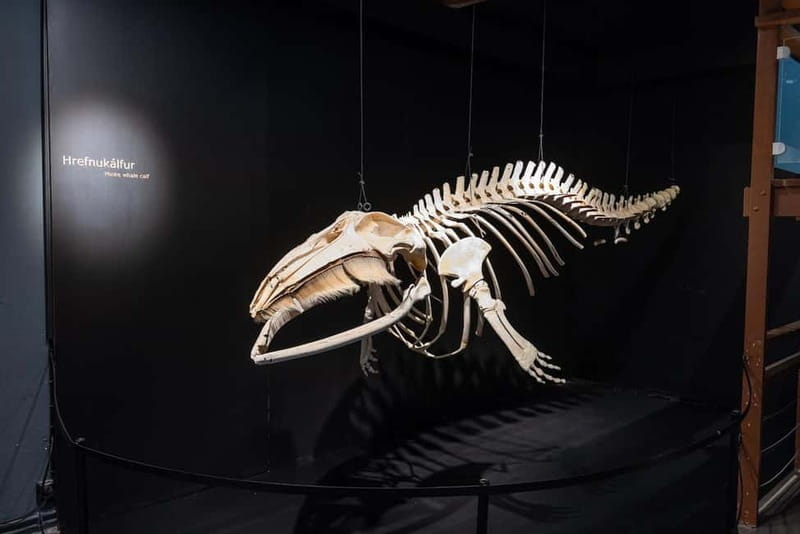
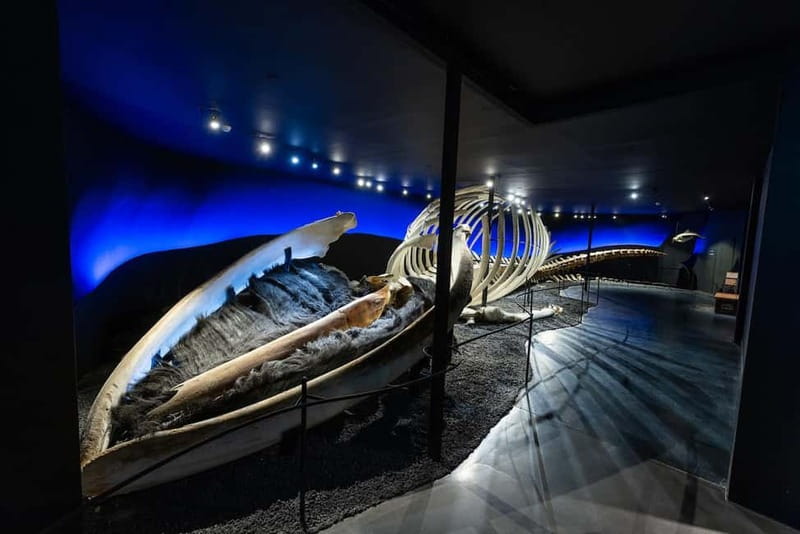
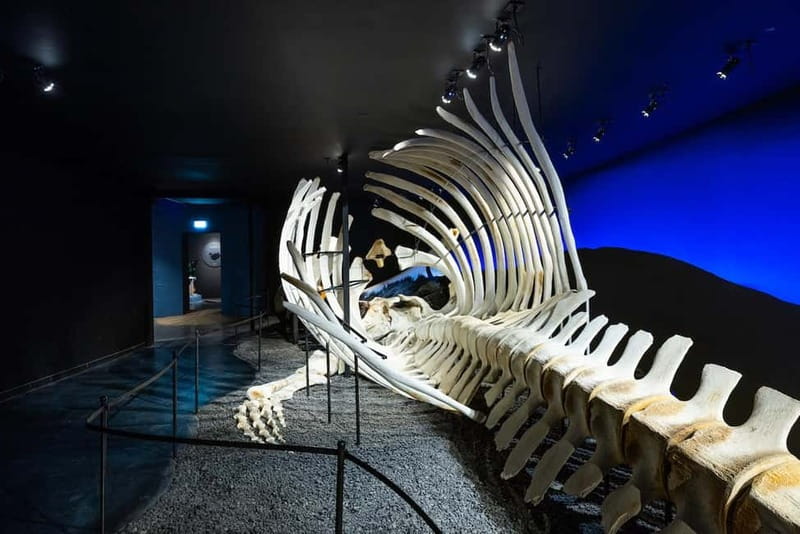
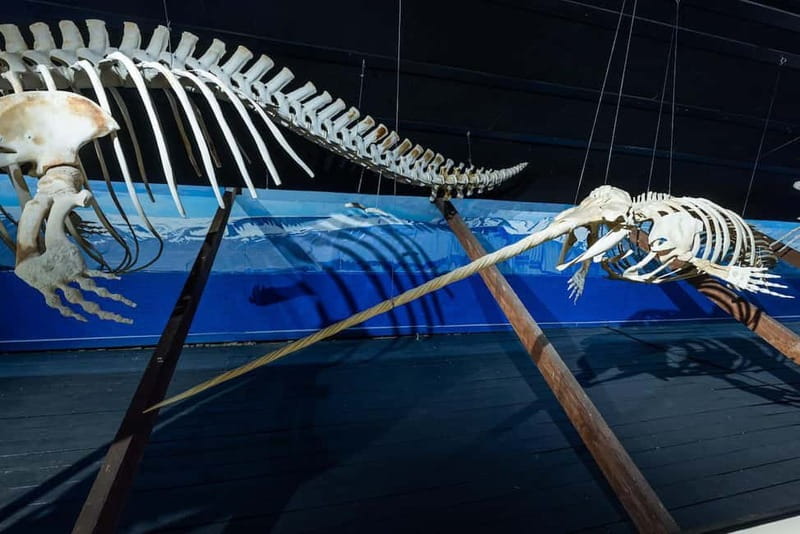
The most striking part of the Húsavík Whale Museum is its collection of 13 real whale skeletons. These are not small teaching models or distant images on a screen. They give you a clear sense of whale size, bone structure, and the sheer physical scale of animals that usually remain hidden underwater.
I like the museum for two good reasons: its exhibits explain how whales sense and behave, not just what the species are called, and its sections on Iceland’s whaling history add needed context. A possible drawback is that the second floor is not wheelchair accessible, so visitors with limited mobility will not be able to see every exhibition space.
Key points
- Thirteen real skeletons: The museum’s most memorable displays show whale anatomy at full scale.
- Eight exhibition spaces: You can move through focused sections rather than one long, crowded display.
- Whale senses and behavior: Learn how whales perceive their world, mate, and live in the Atlantic.
- Icelandic whaling history: The museum places modern conservation concerns beside the country’s past use of whales.
- One-day flexibility: Your ticket is valid for one day, with cancellation available up to 24 hours before the visit.
- Wheelchair access is partial: The entrance, souvenir shop, and first floor are accessible, but the second floor is not.
Start with the skeletons in Húsavík
Húsavík is a small town in northeastern Iceland known for its connection with whales. The museum makes a useful stop here because it gives you a land-based way to understand these animals before or after spending time on the water.
The skeleton collection is the natural starting point. A whale seen from a boat may appear for only a few seconds, with a back, a fin, or a tail breaking the surface. A skeleton lets you study the animal at your own pace. You can see how the body is supported, how the skull is shaped, and how different parts of the anatomy relate to the whale’s life in the sea.
The displays include 13 real whale skeletons. That number matters because it lets the museum show variety rather than presenting one animal as the standard example. You get a stronger sense that whales are a broad group with different bodies, habits, and ways of living.
One verified visitor described the skeletons as impressive, and that is a fair expectation to carry into the museum. The exhibits are especially useful for children and for anyone who wants more than a quick photograph from a whale-watching trip. The bones make the subject concrete.
More Museum Visits in Iceland:
- Reykjavik: Whales of Iceland Museum Entrance Ticket
★ 4.4 · 493 reviews - Reykjavik: Whale Watching Tour, Whales of Iceland Exhibition
★ 4.4 · 187 reviews - Reykjavik: Whale Watching Excursion & Whale Exhibition
★ 4.5 · 42 reviews
Eight exhibition spaces with a clear learning path
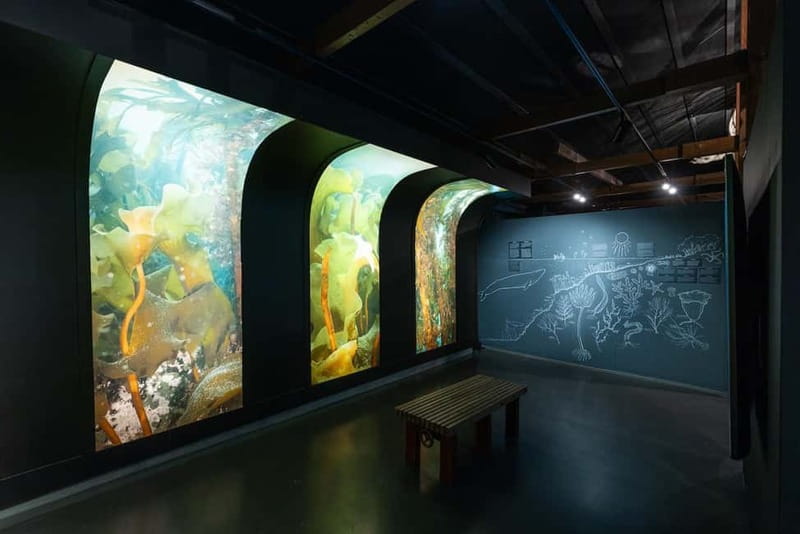
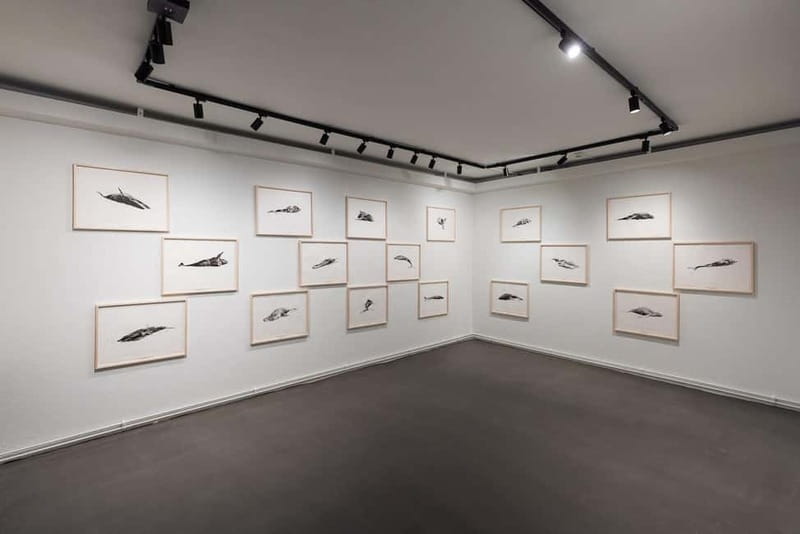
The museum has eight exhibition spaces, and the permanent display follows several connected themes. It covers the evolution of whales, their biology, their sensory perceptions, their behavior, mating patterns, and the main whale species found in the Atlantic Ocean.
You are not simply looking at labels beside bones. The material is arranged to explain how whales became the animals they are today and how they function in their marine environment. That makes the museum a good choice if you prefer exhibits that answer basic questions rather than just naming specimens.
The evolutionary section provides a starting point. Whales are unusual animals, and understanding their development helps explain why their bodies look and work as they do. The museum then moves toward the senses, behavior, and social patterns that shape whale life.
I like this order because it builds from structure to action. First you consider what a whale is physically. Then you learn how it perceives the world, how it behaves, and how it reproduces. You leave with a more complete picture than you would get from a simple species chart.
The museum’s English information is important for international visitors. The listed host or greeter language is English, and the exhibition content is presented for an English-speaking audience. No separate guided tour is described, so you should expect a self-guided museum visit rather than a scheduled tour led by a named guide.
Understanding whale senses and behavior
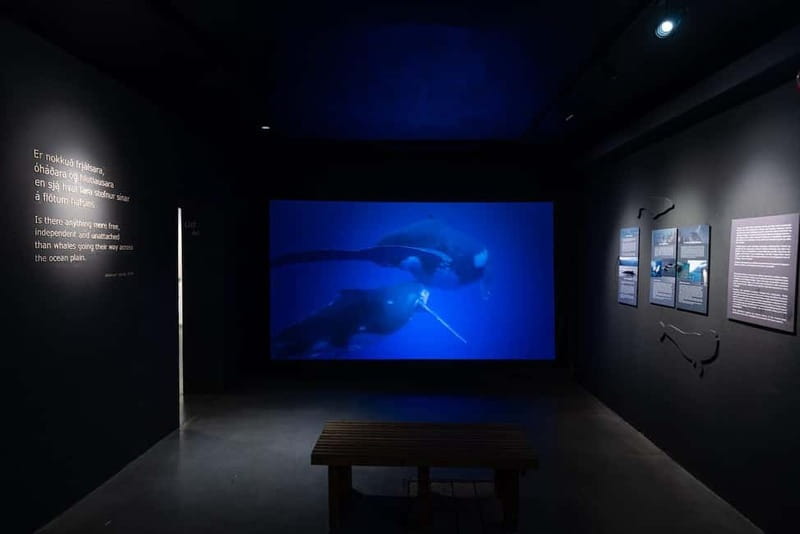
One of the museum’s most useful subjects is the way whales experience the world. Whales do not live in a setting where human sight tells the whole story. Sound, movement, body form, and the ability to interpret the sea around them all matter.
The museum’s sensory displays help you think about whales as animals adapted to a marine world, rather than as large creatures that simply swim from place to place. That perspective gives the skeletons more meaning. The bones show physical design, while the sensory material explains how that design works in daily life.
The behavior sections cover subjects such as mating patterns and other ways whales live and interact. This is valuable because whale-watching can leave you with isolated moments: a breach, a tail, or a distant blow. Museum exhibits put those moments into a larger biological picture.
I would allow enough time to read the displays rather than rushing straight to the skeletons and leaving. The ticket is valid for one day, so you have flexibility about when you visit. The information supplied does not give a precise visit length, so plan according to your interest in the exhibits rather than a fixed timetable.
Atlantic whale species and Icelandic waters
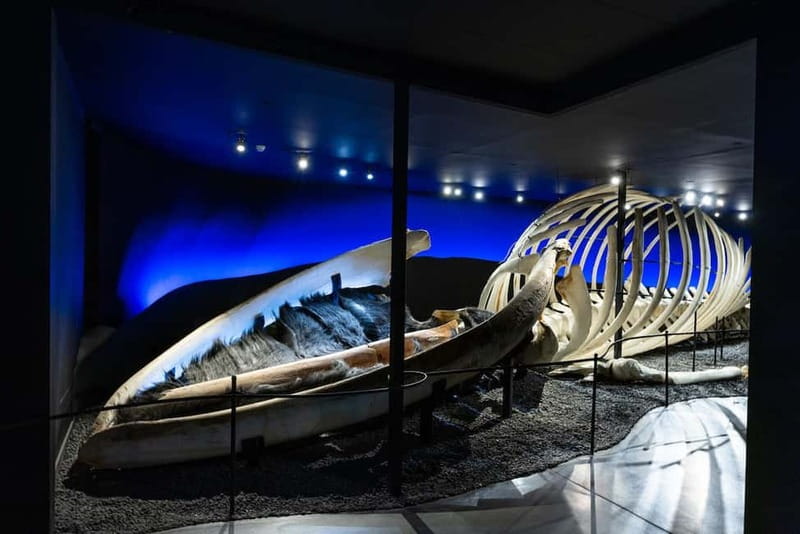
The permanent exhibition includes detailed information about the main whale species found in the Atlantic Ocean. This regional focus fits Húsavík well. You are in northern Iceland, not in an abstract natural history museum far from the sea.
The species displays can help you sort out the animals you may encounter around Iceland. Even without a separate boat excursion, you can use the museum to build a better mental picture of the marine life connected with the region.
The museum does not promise a particular sighting or a live-animal encounter. That is worth keeping clear. This is an indoor educational visit, and its value comes from the specimens, explanations, and context. If you are choosing between this ticket and a whale-watching trip, the two experiences do different jobs. A boat trip gives you the chance to see living whales. The museum explains what you are looking at and why it matters.
For many visitors, the best plan is to treat the museum as a companion to time on the water. If weather or sea conditions affect a boat outing, the museum still gives you a substantial whale-focused activity in Húsavík.
More Entry Tickets in Iceland:
- Whales Of Iceland Admission Ticket
★ 4.0 · 239 reviews - Reykjavik: Premium Whale Watching with Flexible Ticket
★ 4.1 · 54 reviews - Reykjavík: Whale Watching Cruise and FlyOver Combo Ticket
★ 4.6 · 7 reviews - Aquarium of Genoa Ticket and Whale Watching Cruise
★ 4.2 · 170 reviews
Iceland’s whaling past and conservation work
The museum also explains the history of whaling in Iceland. This is an important part of the visit because it avoids presenting whales only as appealing wildlife. Iceland’s relationship with whales includes use, industry, science, tourism, and conservation, and the museum places those themes within the same educational setting.
The subject may feel less cheerful than the skeleton displays, but it gives the visit depth. You can consider how attitudes toward whales change and why conservation now matters so much. The museum’s educational programs and exhibits aim to encourage appreciation and stewardship of the ocean and its inhabitants.
There is also a practical way to support the museum’s conservation efforts. Purchasing a souvenir is presented as one way to contribute. I would regard this as optional, not as part of the ticket itself, but it gives you a direct choice if you want to take home something connected with the museum’s work.
The conservation message works best when paired with the biology displays. You are not asked to care about whales only because they are large or attractive. You are shown how they fit into marine ecosystems and why their survival matters beyond a single encounter.
What the $21 ticket gives you
At $21 per person, the ticket is not a minor add-on, but it covers entrance to the Húsavík Whale Museum and access to all exhibition spaces. You are paying for a focused museum collection rather than a general town attraction with a small whale corner.
The value depends on your interests. If you want a quick indoor stop with a few photographs, the price may feel high for a museum visit. If you enjoy natural history, need a weather-proof activity, or want context for whale watching, the ticket makes more sense.
The 13 real skeletons are the strongest value point. Large specimens take space, care, and explanation. Combined with eight exhibition spaces covering evolution, senses, behavior, mating, Atlantic species, conservation, and whaling history, the museum offers more than a single display room.
The ticket is valid for one day, and the booking terms add useful flexibility. You can cancel up to 24 hours in advance for a full refund, and a reserve-now, pay-later option is available. These terms help if your northern Iceland plans depend on weather or a changing driving schedule.
No transport is included. You arrange your own way to Húsavík, and the ticket is for museum entry only. That keeps the booking simple, but you should include the museum as part of your wider town plan rather than expecting it to organize the rest of your day.
Access, layout, and practical limits
The entrance, souvenir shop, and first floor are wheelchair accessible. The second floor is not accessible by wheelchair, which means access to the full museum is limited for wheelchair users.
That detail is important because the ticket includes all exhibition spaces, but physical access to every space is not available to everyone. If full access is essential for your visit, contact the museum before booking to confirm what can be viewed from the accessible areas.
The museum provides information in English. The activity description does not list other languages, so English is the safest choice for understanding the exhibitions.
The visit has no stated transport segment, meal, boat ride, or personal guide. You are buying a museum entry ticket. That clarity is useful: this experience suits independent sightseeing and can fit around other plans in Húsavík.
Who will get the most from this museum?
I would recommend the museum to anyone who wants a stronger understanding of whales than a brief sighting can provide. The skeletons appeal to children, while the sections on sensory perception, evolution, behavior, and conservation give adults plenty to consider.
It is also a smart choice for a mixed-age group. A child can focus on the large bones and animal scale, while an adult can spend more time with the material about biology and Icelandic whaling history.
The museum suits you especially well if you:
- Want a whale-focused activity in Húsavík without committing to a boat trip
- Are interested in anatomy, animal behavior, or marine ecosystems
- Prefer self-guided exhibits in English
- Need an indoor plan during a changeable day
- Want to connect whale sightings with more scientific and historical context
It may be less satisfying if you expect a live animal encounter, a named guide, or a full-day program. The ticket gives you museum access, not transportation or a whale-watching excursion.
My verdict on the Húsavík Whale Museum
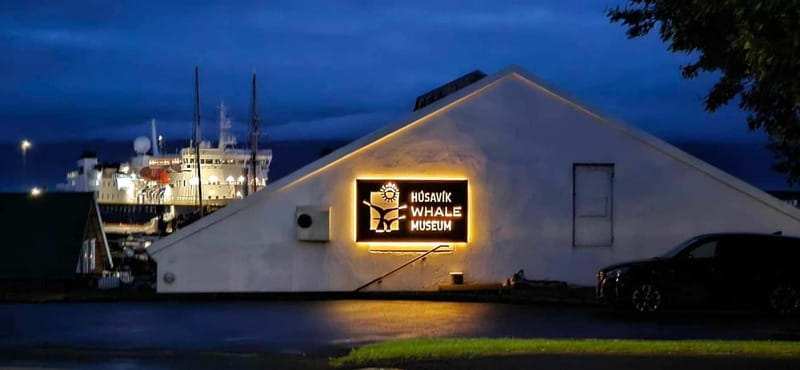
I would book this museum if whales are a real part of your Iceland plans, especially if you are already visiting Húsavík. The skeleton collection gives the visit a strong visual center, and the exhibition topics go well beyond species names. You come away with a better sense of whale bodies, senses, behavior, Atlantic habitats, and Iceland’s changing relationship with whaling.
At $21, the ticket offers fair value for a focused museum with 13 real skeletons and eight exhibition spaces. The main limits are clear: the visit is self-guided, no transport is included, and the second floor is not wheelchair accessible.
Choose it for understanding, context, and a close look at whale anatomy. Skip it only if your schedule is too tight for an indoor museum or if you want an activity based on seeing living whales. For a Húsavík day, it is a sensible and worthwhile addition.
FAQ
Where is the Húsavík Whale Museum?
The museum is in Húsavík, in northeastern Iceland.
How much does admission cost?
The listed price is $21 per person.
What does the ticket include?
The ticket includes entrance to the Húsavík Whale Museum and access to all exhibition spaces.
How many whale skeletons are on display?
The museum displays 13 real whale skeletons.
How many exhibition spaces does the museum have?
The museum has eight exhibition spaces.
Is the museum wheelchair accessible?
The entrance, souvenir shop, and first floor are wheelchair accessible. The second floor is not accessible by wheelchair.
Can I cancel the booking or pay later?
You can cancel up to 24 hours in advance for a full refund. A reserve-now, pay-later option is also available.
Newly added whale trips around Iceland
- Icelandic Horse Riding and Whale Watching Cruise from Reykjavík★ 4.0 · 14 reviews
- Whale Wonders Morning Expedition from Reykjavík★ 4.0 · 10 reviews
- Whales Of Iceland Admission Ticket★ 4.0 · 239 reviews
- Whale Watching by RIB Speedboat from Downtown Reykjavik★ 4.5 · 26 reviews
- Whale Watching and Northern Lights Half-Day Combo Tour★ 4.5 · 43 reviews
- Whale Watching and Marine Life Tour in Reykjavik★ 4.5 · 55 reviews
- Whale Watching And Fly Over Iceland Guided Tour★ 5.0 · 4 reviews
- Whale Watching – RIB Boat Adventure in Kopavogur, Iceland★ 5.0 · 5 reviews
Husavik Whale Watching Tours, side by side.


Whale Watching – Family Run with Indoor Seats
Read our review →
Original Big Whale Safari & Puffins by Speedboat
Read our review →


Lists this trip appears in