
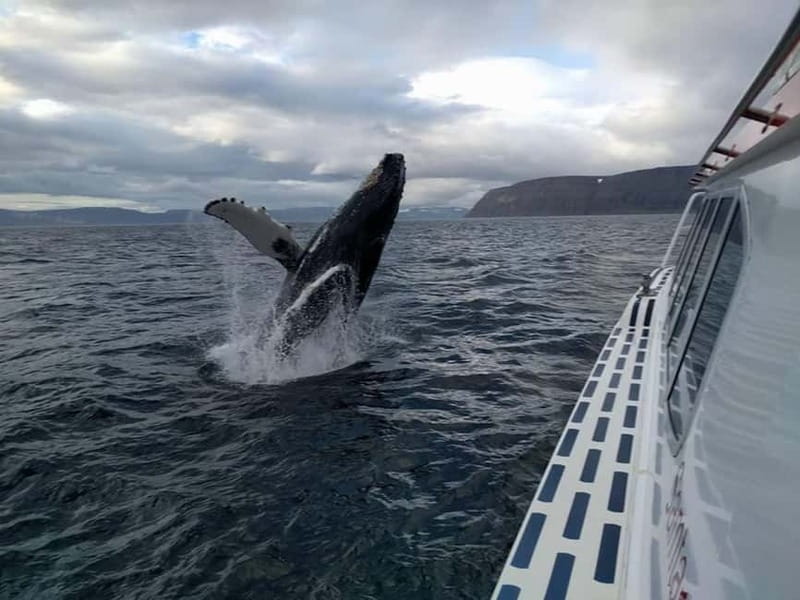
Review · ICELAND
Ísafjörður: Westfjords Whale Watching Boat Tour
Humpback whales are the main event here, and sightings can be remarkably good. In 2023, the operator reported a 100 percent chance of seeing them, while recent trips have included groups of around 30, whales close to the boat, and even the occasional breach. I like the small-scale, respectful approach and the fact that the guides identify individual whales and explain their behavior rather than treating the trip as a simple photo hunt.
I also like the dramatic Westfjords setting, with steep mountains and shining water all around you. The main caution is the weather: even on a sunny July day, the boat can feel very cold, and some departures have been shorter than the advertised three hours or rough enough to trouble people prone to seasickness.
Key points to know before booking
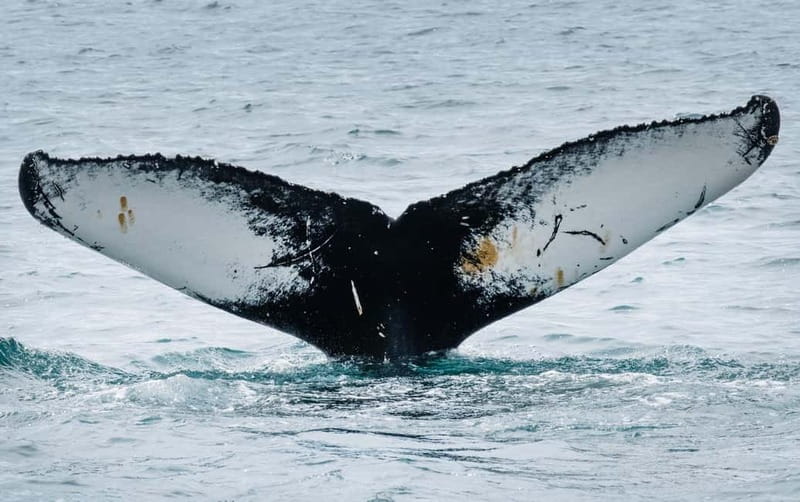
- Humpback whales are the focus: You could see several groups, and sometimes whales approach the boat closely.
- Tom is a standout guide: He is a marine biologist who explains whale behavior, names individual animals, and answers questions clearly.
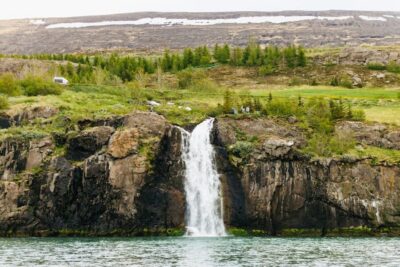
- The scenery is part of the trip: Ísafjörður opens onto rugged fjords, snow-capped mountains, seabirds, and wide Arctic water.
- Expect a natural encounter: Whales may surface, blow, tail-dive, or swim nearby, but dramatic jumps are never guaranteed.
- Warm clothing matters: Rain, wind, and cold can arrive quickly, even in midsummer.
- Good value at $115: Three hours, a live English guide, onboard toilets, and strong odds of humpback sightings make the price reasonable.
Why humpback whales make this Ísafjörður trip special
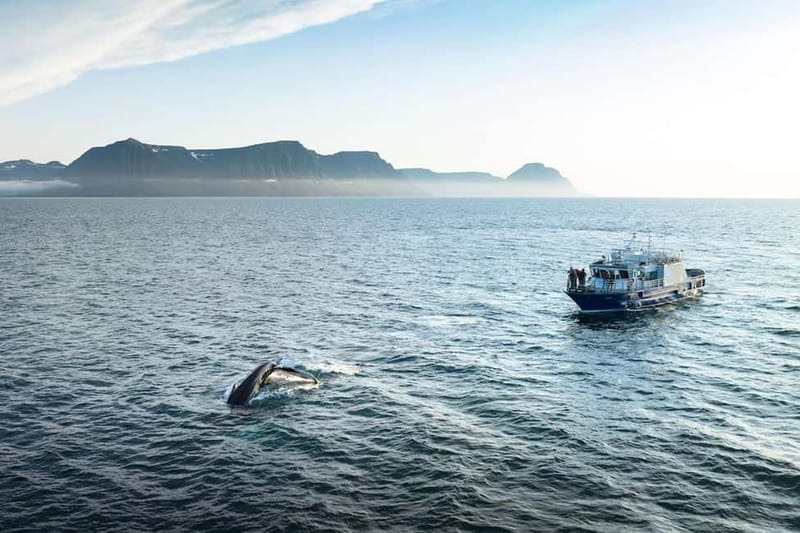
This is not just a boat ride with a chance of seeing something in the distance. Humpback whales are regular enough in these waters that the crew often knows where to look and can recognize individual animals.
That matters because whale watching is usually a waiting game. You may spend time scanning the surface for a puff of breath, then suddenly see a dark back roll through the water. A guide who can explain what you are seeing turns that pause into part of the experience rather than dead time.
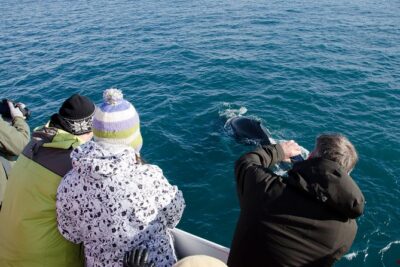
The whales may surface several times in one area, feeding or moving slowly through the fjord. Some have come close enough for passengers to hear them and watch them swim beside the boat. You might see a tail lift before an animal heads down, or spot a group working the water together.
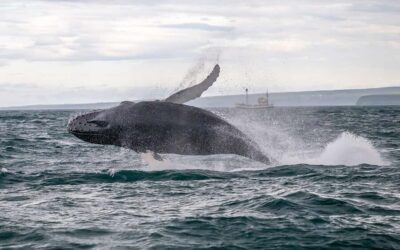
Still, keep your expectations realistic. Humpback whales do not perform on command. One of the most useful lessons from this trip is that a proper sighting may be a blow, a back, a fin, or a tail disappearing beneath the surface. Breaching can happen, but it should be treated as a lucky extra, not the basic promise.
More whale trips worth the boat ride around Iceland:
- Reykjavík: Whale Watching and Marine Life Cruise
★ 4.6 · 9,838 reviews - Akureyri: 3-Hour Classic Whale Watching Tour by Ship
★ 4.6 · 3,000 reviews - Reykjavík: Whale Watching Cruise on the Amelia Rose Yacht
★ 4.5 · 2,911 reviews
Leaving Ísafjörður for the Westfjords
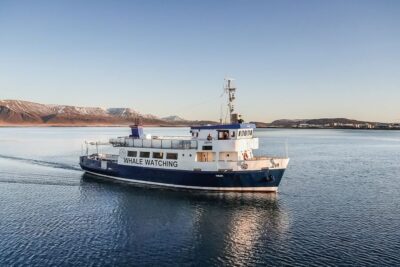
The trip begins in Ísafjörður harbor, which is especially convenient if you are arriving by cruise ship. One departure returned passengers on time for their ship, and the operator communicated with the ship when schedules became complicated.
Once you leave the harbor, the town gives way to steep slopes, open water, and the broad curves of the fjords. The setting helps make this different from a whale watch in a busy coastal city. You are not only looking for whales. You are also watching the shoreline change as the boat moves through one of Iceland’s most remote-feeling regions.
The water can look calm at first, but conditions may change. Some trips have been smooth and sunny. Others have brought rain, wind, or choppy water. The captain’s handling becomes especially important in rough weather, and the crew may adjust the route or time on the water when conditions require it.
You can watch from outside for the clearest views, then step inside when the cold or rain becomes too much. The boat has indoor seating and toilets, useful comforts on a three-hour outing. Do not mistake the indoor area for a warm lounge, though. The best plan is to dress for the deck and use the inside space as a break.
A typical three-hour rhythm on the water
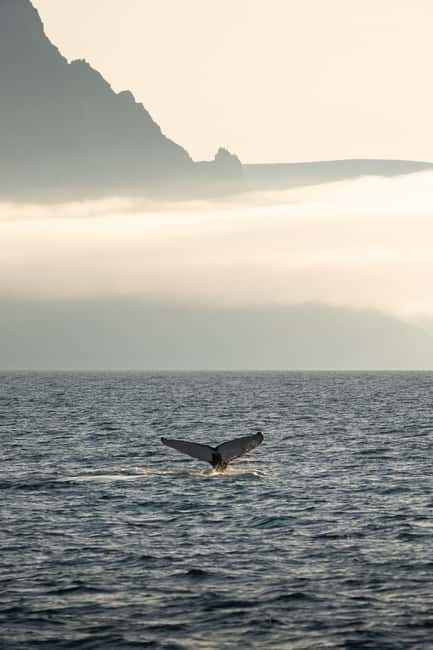
The exact route depends on sea conditions and where the whales are active, but the outing has a clear rhythm.
1. Harbor departure and first fjord views
At the start, the captain and guide introduce the trip and explain what to watch for. The guide may point out seabirds, signs of feeding whales, and features along the coast.
This opening period is also your chance to get comfortable with the boat. If you are sensitive to motion, pay attention early. The boat can feel relatively steady in one part of the fjord and more active once it reaches open water.
Same migration, a different deck:
- Húsavík: Whale Watching Tour with Guide
★ 4.6 · 2,761 reviews - The Original Classic Whale Watching from Reykjavik
★ 4.5 · 2,626 reviews - Reykjavik: Whale Watching Tour with Expert Guide
★ 4.3 · 2,422 reviews - Húsavík: Traditional Whale Watching Tour
★ 4.6 · 2,115 reviews
2. Searching for signs of marine life
The crew scans for blows, backs, and movement on the surface. Seabirds can help reveal where food is present, though they do not guarantee a whale sighting.
You may find yourself looking in several directions at once. Listen to the guide’s instructions, but also keep a wide view. When several humpbacks are in the area, the action can spread around the boat. One person may see a blow while another catches a tail in the distance.
3. Time spent watching the whales
Once whales are found, the boat may remain in the area while the guide gives them space. This is where the tour earns its value. The aim is not to rush from one sighting to another, but to let you observe normal behavior.
Recent outings have included two whales, three whales together, groups of four or five, and much larger gatherings. One trip had around 30 humpbacks. You might also see minke whales, dolphins, orcas, and puffins, but humpbacks are the animals you should expect to be searching for.
The guide may identify individuals by name and point out marks that help distinguish one whale from another. Tom has been praised for his enthusiasm, clear explanations, and ability to speak with people around the whole boat. He has also explained the whales’ history and behavior rather than filling the ride with generic facts.
4. The return to Ísafjörður
The ride back gives you another view of the fjords and a chance to take stock of what you have seen. If the sea is active, this may be the most tiring part of the trip, especially for anyone already feeling motion sick.
The advertised duration is three hours. A few outings have been closer to two hours or felt shorter than expected, often in connection with weather or scheduling. That is worth keeping in mind if you are comparing this trip with a tight cruise-ship port day.
The guide and the value of good interpretation
A whale watch depends heavily on the person explaining what is happening. Here, Tom is repeatedly singled out for being a marine biologist, enthusiastic, friendly, and attentive to passengers.
That combination is useful. A guide can know the facts but still make the experience feel flat. Tom’s approach appears to be more personal. He has explained how to identify individual whales, described their feeding habits, answered questions, and spoken with people throughout the boat. His excitement also helps during the quiet periods when everyone is waiting for the next surface.
I particularly like the emphasis on responsible whale watching. The crew’s goal is to let you see the animals without chasing or disturbing them. That can mean waiting longer or accepting a less dramatic angle, but it is the right trade. You are there to observe wildlife, not stage a show.
The captain also plays an important role. Several trips included praise for careful handling in rough conditions. On one family outing, the captain even let a young child sit in the captain’s chair and steer the boat for a moment. That kind of personal touch may not happen on every departure, but it shows the friendly character of the operation.
What you may actually see
The safest prediction is humpback whales, not a specific behavior.
You may see:
- A blow followed by a rolling back
- A tail rising as a whale heads underwater
- Several whales feeding in the same area
- A whale approaching the boat or passing close by
- Puffins and other seabirds
- A possible minke whale, dolphin, or orca
Some outings have produced six to ten humpbacks, while others have seen two or three. One group watched at least six different whales. Another saw around seven or possibly nine individuals. These numbers show why the trip can be exciting, but they do not create a guarantee for your departure.
Photographers should be ready before the whale appears. Use a waterproof camera or protect your equipment carefully. The best moment may last only a few seconds, and the boat may move as you lift your camera.
Do not focus only on getting a full-body photograph. A tail, a blow against the mountains, or two backs surfacing together can make a better memory than a rushed attempt to capture a leap. One guide specifically noted that humpbacks generally do not leap from the water, so you should value the ordinary behavior too.
Cold, rain, and seasickness
The Westfjords can look bright and calm while still feeling cold on the water. One July outing was described as very cold despite clear weather. Another had heavy rain but excellent whale sightings.
Wear warm layers, a weatherproof outer layer, and comfortable shoes. Bring clothing that can handle spray and rain. A camera is useful, but waterproof protection is more useful than a fancy lens.
The boat has indoor space, which helps when the weather turns. Still, this is a sea trip, not a sheltered sightseeing cruise. If you are prone to seasickness, this may not be the right activity. One passenger felt nauseous while the boat was holding position for whale watching, and rough conditions affected other departures too.
If you know you are sensitive to motion, think carefully before booking. The most rewarding whale sightings often happen when the boat slows or waits, and that can feel harder on the stomach than steady forward movement.
Is $115 a fair price?
At $115 per person, this is not a cheap add-on, but it is a fair price for a three-hour wildlife trip in a remote Icelandic setting.
The value comes from several things working together: strong humpback sightings, an experienced captain, a live English-speaking guide, time spent watching rather than simply searching, and a boat with toilets and indoor seating. The guide’s marine biology background adds real substance, especially if you want to understand what you are seeing.
The value is weaker if you judge a whale watch only by duration. A few departures have run closer to two hours, and the ride can feel shorter when conditions change. You are also paying for a chance to observe wild animals, not a guaranteed number of whales or a particular performance.
For many people, the price makes sense because the sightings have been unusually consistent. I would consider it especially worthwhile if this is your main chance to see whales in Iceland and you care about ethical wildlife viewing rather than simply ticking off an attraction.
Free cancellation is available up to 24 hours before departure, and you can reserve now and pay later. Those terms help if your Iceland plans are still shifting, especially around cruise-ship timing.
Who should book this boat trip?
I would recommend it to you if you want a focused wildlife outing with strong guiding and a dramatic coastal setting. It suits adults, families, photographers, and anyone who enjoys learning the names and habits of individual animals.
It is also a good match for a cruise-ship day in Ísafjörður, provided you leave enough time around the ship’s schedule. The harbor location makes the trip practical, and the crew has experience working with cruise timing.
You should think twice if you dislike cold, rain, or open water. The boat has indoor seating, but you will get more from the trip if you can spend time outside watching the surface. People prone to seasickness should choose a different activity.
Final call: book it for whales, not theatrics
I would book this tour if you want a serious chance of seeing humpback whales and appreciate guides who respect the animals. The strongest features are the regular sightings, the fjord scenery, Tom’s marine biology background, and the crew’s careful approach.
Book it with warm clothes, a realistic idea of whale behavior, and some flexibility about weather and timing. If you need guaranteed sunshine, a fixed two-hour schedule, or dramatic breaches, this may disappoint. If you are happy with blows, rolling backs, tail flukes, seabirds, and the occasional close encounter, it offers very good value at $115.
FAQ
Where does the whale watching tour depart from?
The tour departs from Ísafjörður harbor in Iceland’s Westfjords.
How long does the tour last?
The advertised duration is three hours. Some departures have been reported as shorter, around two hours, so allow flexibility in your schedule.
What animals might I see?
Humpback whales are the main focus. You might also see minke whales, orcas, dolphins, puffins, and other seabirds.
Is seeing a whale guaranteed?
Humpback sightings were reported on every tour in 2023, but wildlife remains unpredictable. You should not expect a specific number of whales or a particular behavior.
Can I see whales breaching?
Breaching is possible, but it is not guaranteed. Humpbacks often show their backs, blow, feed, or raise their tails instead.
Is the tour offered in English?
Yes. The live guide speaks English.
Is there a toilet on the boat?
Yes. The boat has onboard toilets.
What should I wear?
Bring warm clothing, weather-appropriate layers, comfortable shoes, and waterproof protection. Even sunny summer days can feel very cold on the water.
Is the tour suitable for people prone to seasickness?
No. The activity is not considered suitable for people prone to seasickness, and the boat can be choppy in rough conditions.
Can I cancel or pay later?
You can cancel up to 24 hours in advance for a full refund. You can also reserve your place and pay later.
Newly added whale trips around Iceland
- Icelandic Horse Riding and Whale Watching Cruise from Reykjavík★ 4.0 · 14 reviews
- Whale Wonders Morning Expedition from Reykjavík★ 4.0 · 10 reviews
- Whales Of Iceland Admission Ticket★ 4.0 · 239 reviews
- Whale Watching by RIB Speedboat from Downtown Reykjavik★ 4.5 · 26 reviews
- Whale Watching And Fly Over Iceland Guided Tour★ 5.0 · 4 reviews
- Whale Watching and Northern Lights Half-Day Combo Tour★ 4.5 · 43 reviews
- Whale Watching and Marine Life Tour in Reykjavik★ 4.5 · 55 reviews
- Whale Watching – RIB Boat Adventure in Kopavogur, Iceland★ 5.0 · 5 reviews
Iceland Whale Watching Tours, side by side.
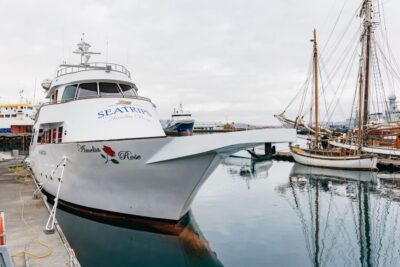
Whale Watching Cruise on the Amelia Rose Yacht
Read our review →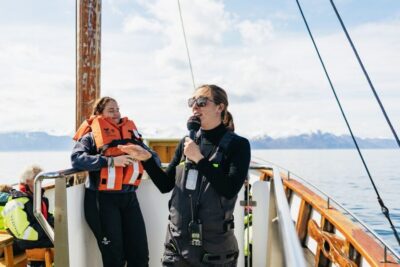
The Original Classic Whale Watching from Reykjavik
Read our review →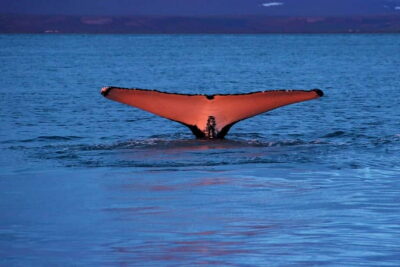
Whale Watching – Family Run with Indoor Seats
Read our review →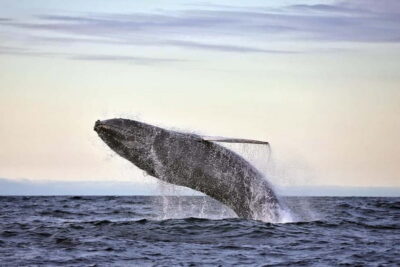
Original Big Whale Safari & Puffins by Speedboat
Read our review →Lists this trip appears in