
Review · MONTEREY
Monterey Bay: Whale Watching Tour
Monterey Bay gives you a rare advantage: its underwater canyon brings whale habitat close to shore. On a good day, you may watch humpbacks feeding, dolphins racing the bow, or even a blue whale and calf without spending hours reaching open water. The wildlife is the main event, and the bay often delivers.
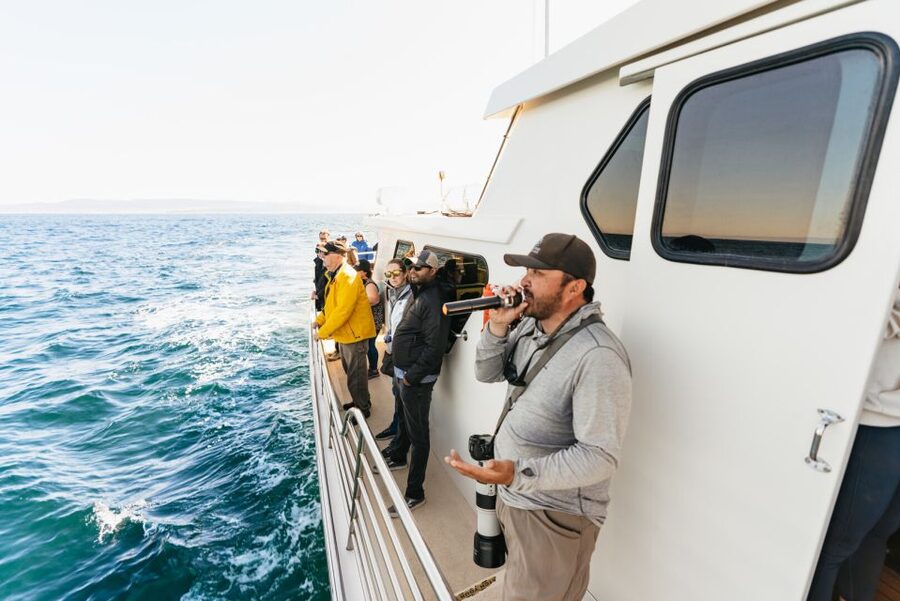
I like the small-boat feel, with room to move around rather than being packed shoulder to shoulder. I also like the guides’ mix of science and humor. Guides including Isaiah, Maddy, and Sophie have earned praise for explaining what you are seeing without turning the trip into a lecture. The main drawback is the ocean itself: conditions can be cold and choppy, and no operator can promise a whale sighting or calm seas.
- Whales close to shore: Monterey Bay’s submarine canyon creates productive feeding grounds within a manageable boat ride.
- Seasonal wildlife: Summer and fall focus on feeding humpbacks, while winter trips follow migrating whales, especially gray whales.
- More than whales: Dolphins, porpoises, sea otters, seals, sea lions, seabirds, and the occasional orca may appear.
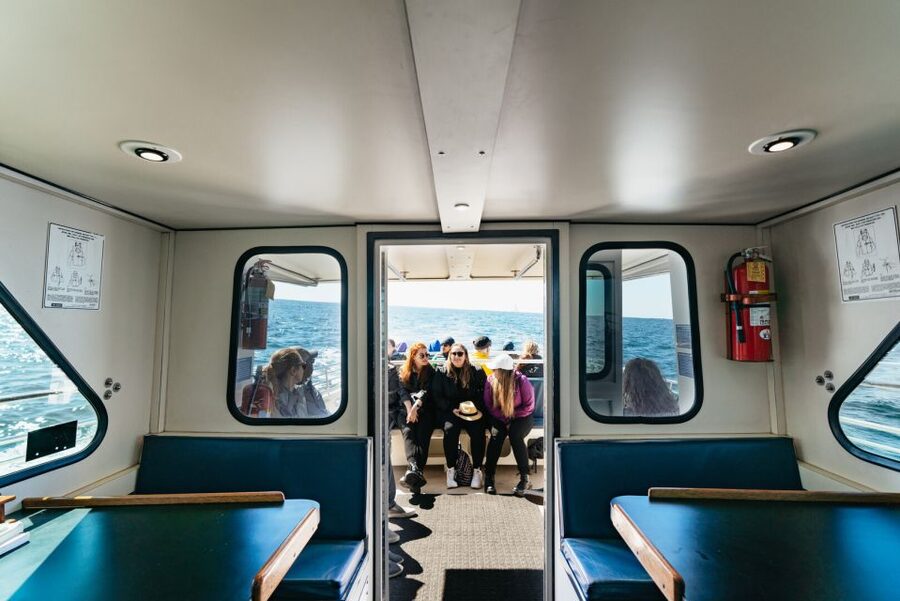
- Small-group comfort: The boat has been described as accommodating about 25 people, giving you space to shift sides for a better view.
- Useful onboard extras: Hot beverages and restrooms are included, and you may bring a small packed lunch and non-alcoholic drinks.
- Plan for motion: Bring layers, sunscreen, sunglasses, and a motion-sickness remedy if you are prone to seasickness.
Why Monterey Bay Is Such a Strong Whale-Watching Base
Monterey Bay is not simply a pretty stretch of California coast. Under the water sits a steep submarine canyon, and that canyon helps bring deep-ocean conditions close to land. Nutrient-rich water supports fish and krill, which in turn attract whales.
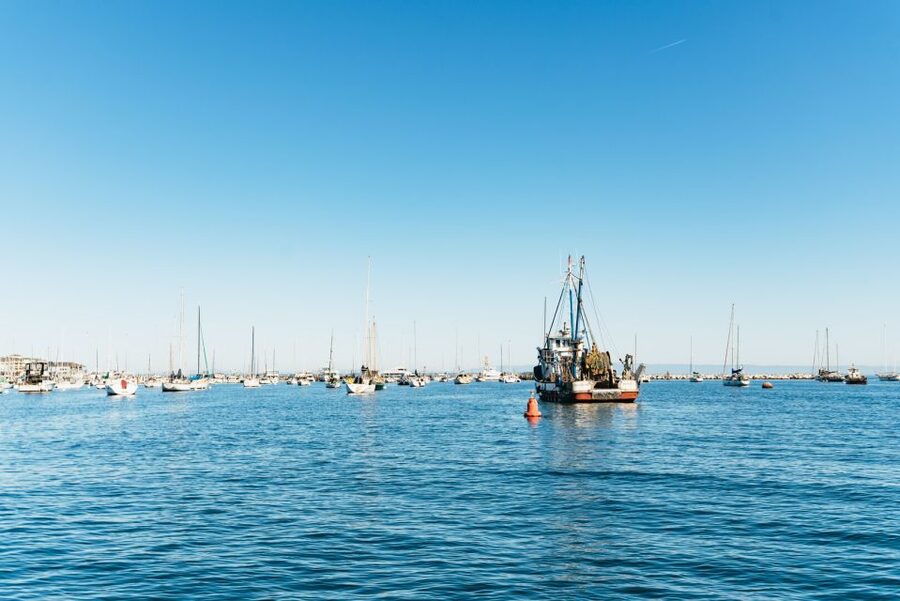
That geography is the reason a three to four-hour cruise can work so well here. You are not spending the whole morning reaching the right part of the ocean. After leaving Monterey Harbor, the boat can reach the sanctuary and begin looking for marine life relatively quickly.
Still, keep your expectations sensible. A whale-watching trip is wildlife viewing, not a stage show. You may see several whales close by, as some passengers have, or you may spend time scanning the water for a distant blow. The crew works hard to find animals, but nature sets the schedule.
The strong 4.8 rating from about 2,300 bookings reflects a consistent experience, especially for the crew, wildlife sightings, and educational commentary. It does not remove the normal risks of an ocean trip: wind, spray, cold, and seasickness.
From Old Fisherman’s Wharf to the Open Bay
Your day starts at Discovery Whale Watch, located at 66 Fisherman’s Wharf in Monterey. Check in at least 45 minutes before departure, with the Coast Guard waiver completed for every person in your party. Adults complete forms for children, and the waiver link arrives separately by email.
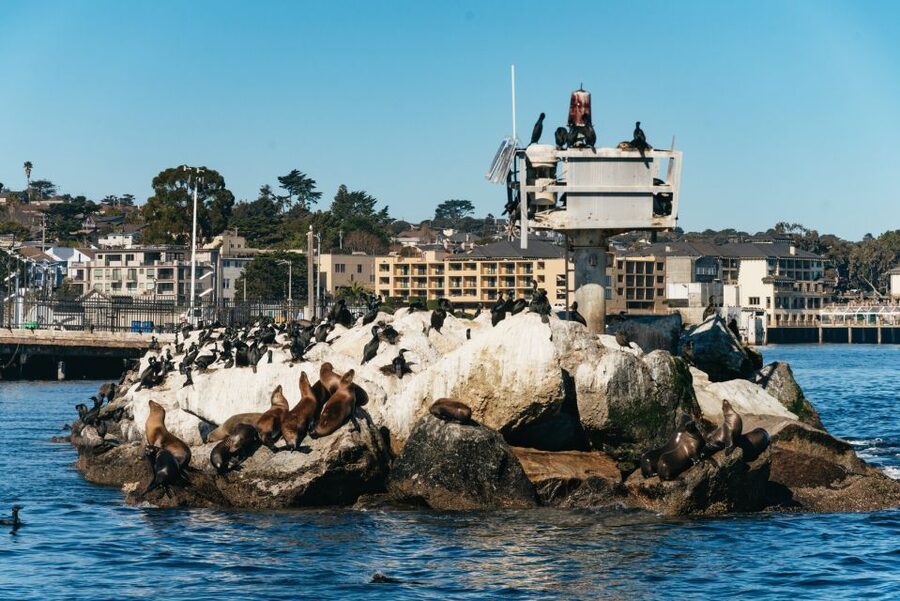
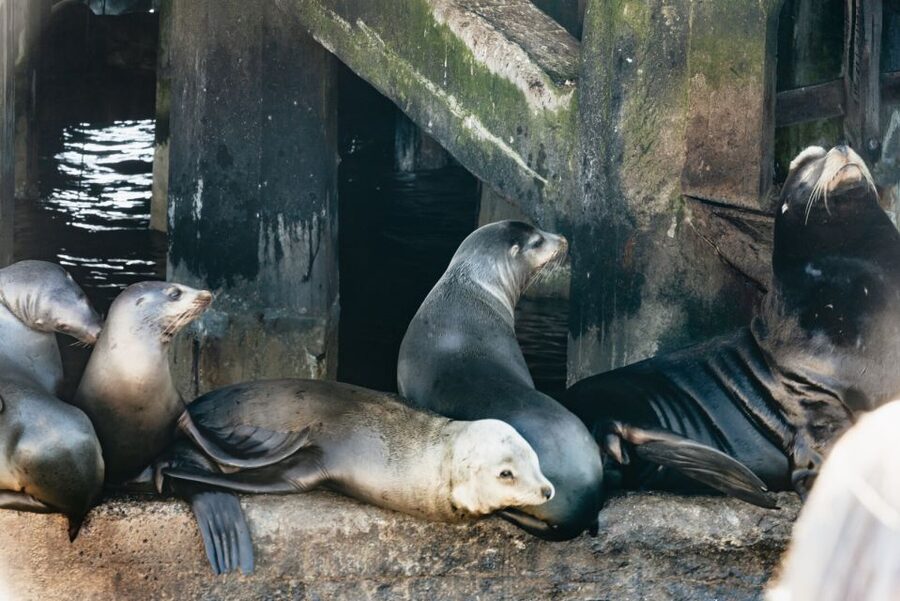
The first few minutes are easy and pleasant. As the boat leaves the harbor, look toward the docks for Californian sea lions. They gather in large numbers and often provide your first wildlife photographs before the boat has properly cleared the marina.
The route then passes Cannery Row, the former industrial waterfront made famous by John Steinbeck and now lined with shops, restaurants, and attractions. From the water, you get a different view of this familiar part of Monterey. Soon the boat reaches Monterey Bay National Marine Sanctuary, where the focus shifts from harbor scenery to open-water wildlife.
The departure area is walkable from many Monterey hotels, though parking takes a little planning. The closest lot is Monterey Harbor Waterfront at 245 Washington Street. Pay through the ParkMobile app or a pay station before walking toward Wharf 1. Follow the signs and landmarks toward the blue Discovery Whale Watch building. An unpaid parking session can result in a $49 ticket, so do not treat parking as an afterthought.
More whale trips worth the boat ride around Monterey:
- Monterey: Monterey Bay Dolphin and Whale Watching Boat Tour
★ 4.7 · 1,645 reviews - 4 Hour Whale Watching Tour From Monterey
★ 5.0 · 1,045 reviews - Monterey Whale Watching Tour
★ 4.5 · 732 reviews
What You May See in Summer and Fall
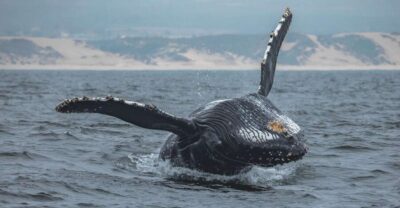
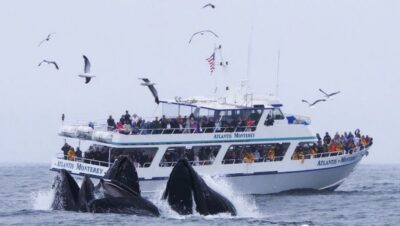
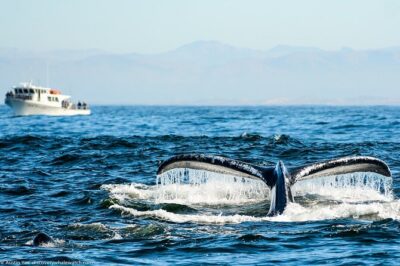
Summer and fall are the strongest seasons for feeding activity. Humpback whales are commonly seen, and the boat may find them working through schools of small fish or patches of krill. Feeding can involve repeated surfacing, tail slaps, fin slaps, sudden turns, and seabirds crowding the same area.
This is often the best period if your main goal is humpback action. Reports from the boat include groups of several whales, feeding frenzies, breaching humpbacks, and sightings of a blue whale and calf. Some trips have produced more than ten whales, while especially fortunate outings have included far more.
Blue whales are the largest animals on Earth, but they can be harder to spot than their size suggests. Their blows may appear in the distance, and their long bodies can remain mostly below the surface. Seeing one is a special bonus, not something you should count on.
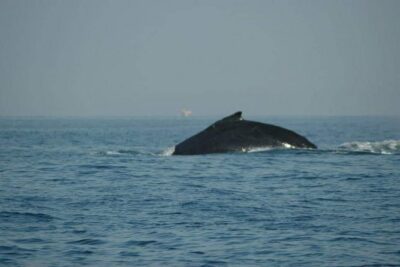
Fin whales may also pass through the bay. They are fast, streamlined animals, so sightings can be brief. The crew’s explanations help you distinguish different whale blows, backs, and surfacing patterns, which makes the waiting time useful rather than empty.
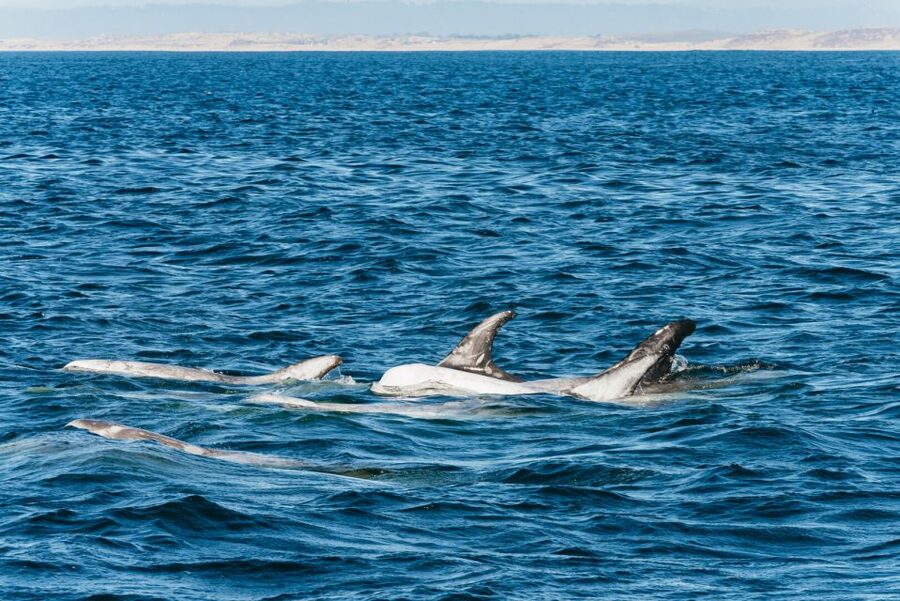
You may also see common dolphins, Risso’s dolphins, Pacific white-sided dolphins, porpoises, seals, sea lions, and sea otters. Dolphins sometimes ride the bow wave, giving you fast-moving action close to the boat. Sea lions are easier to spot and may appear in large groups. Otters are smaller and require sharper eyes, particularly when the water is active.
A few unusual sightings have included orcas, elephant seals, tufted puffins, salmon sharks, and albatrosses. These are not guaranteed attractions, but they show why keeping your eyes moving matters. The best moment of your trip may not be the animal you expected.
Winter Brings Migrating Gray Whales
Winter trips shift toward the southern end of Monterey Bay in search of migrating whales. Gray whales are the key seasonal draw, and February sightings have included groups moving through the bay. Winter can be a rewarding choice if you want to see migration rather than feeding behavior.
You may also encounter humpbacks, dolphins, sea lions, and other wildlife. A December trip, for example, still produced around ten whales and more dolphins and sea lions, despite being considered a less reliable time for whale watching.
Winter has a practical tradeoff. The air can feel cold, the sea may be unsettled, and the boat may spend more time searching. Wear several layers, even if the weather at the wharf looks mild. A warm hat, sunglasses, sunscreen, and comfortable shoes all earn their place in your bag.
The written timing can be confusing, so pay close attention when choosing a departure. Summer and fall morning cruises last about three and a half to four hours. Winter morning trips and afternoon trips throughout the year are usually two and a half to three hours, even though the general activity is marketed as three to four hours.
The Guide Makes the Wildlife Easier to Understand
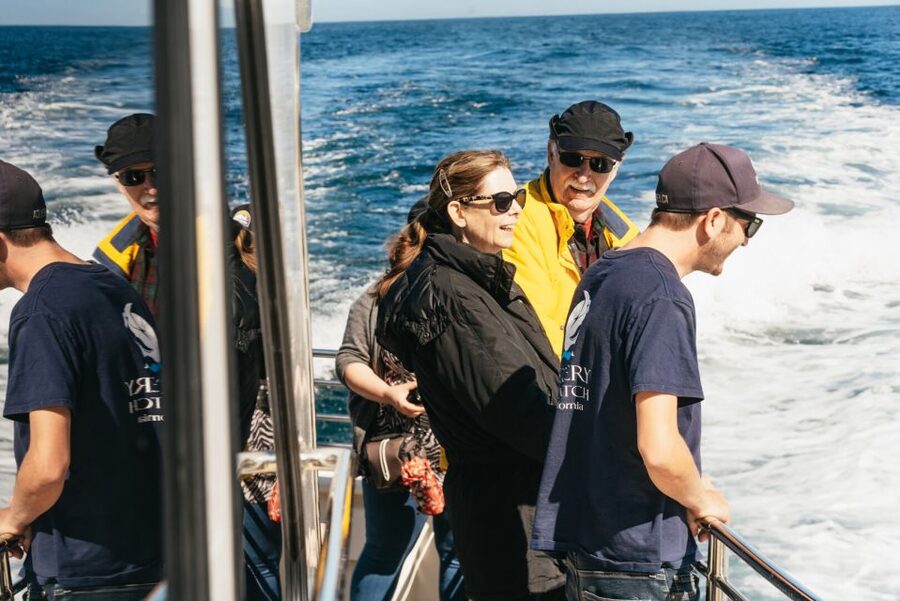
A whale can appear for only a few seconds. Without help, you might miss the blow, watch the wrong patch of water, or mistake a dolphin fin for something larger. The onboard biologist and crew help you know where to look and what behavior means.
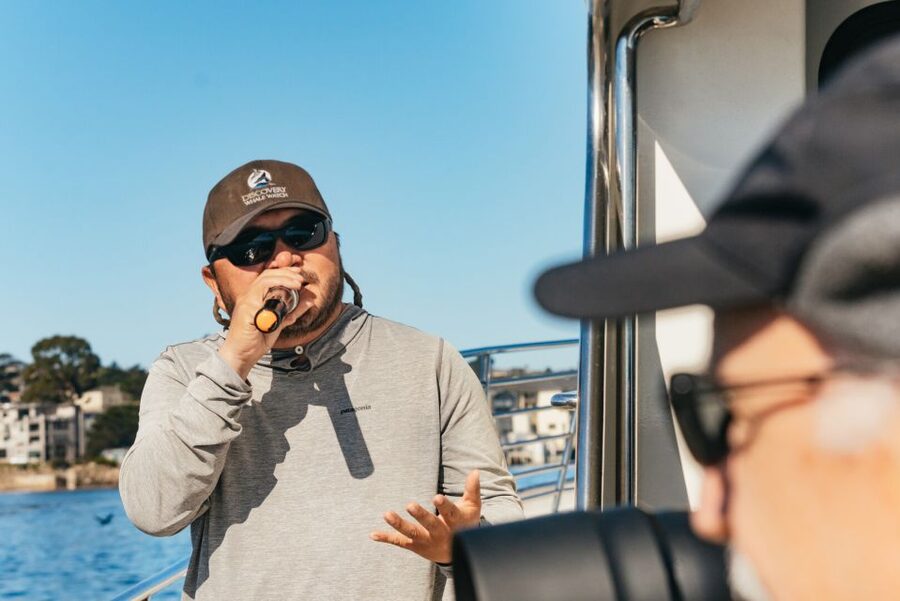
Guides such as Isaiah have been praised for combining useful facts with humor, while Maddy and Sophie have been noted for their warm, enthusiastic approach. One guide even entertained the boat with sea shanties. That sort of personality matters during quiet stretches, when everyone is waiting for the next surfacing.
The best commentary adds context without drowning out the experience. You learn why whales gather in the bay, how feeding groups form, and how conservation protects the sanctuary. You also get a better sense of scale. A whale that looks small at a distance may be much larger than your boat.
Some guides take photographs during the trip and make them available afterward. That is useful because your own camera may struggle with moving animals, glare, and sudden surfacing. Still, bring your camera if you want your own record, and keep it ready rather than buried in a bag.
Same migration, a different deck:
- Monterey: Sunset Whale Watching Cruise with A Guide
★ 4.7 · 519 reviews - Whale Watching Tour
★ 4.5 · 497 reviews - Monterey: Whale Watching Tour with A Marine Guide
★ 4.7 · 348 reviews - Monterey Bay Whale Watching
★ 4.5 · 316 reviews
Boat Size, Comfort, and the Realities of the Ocean
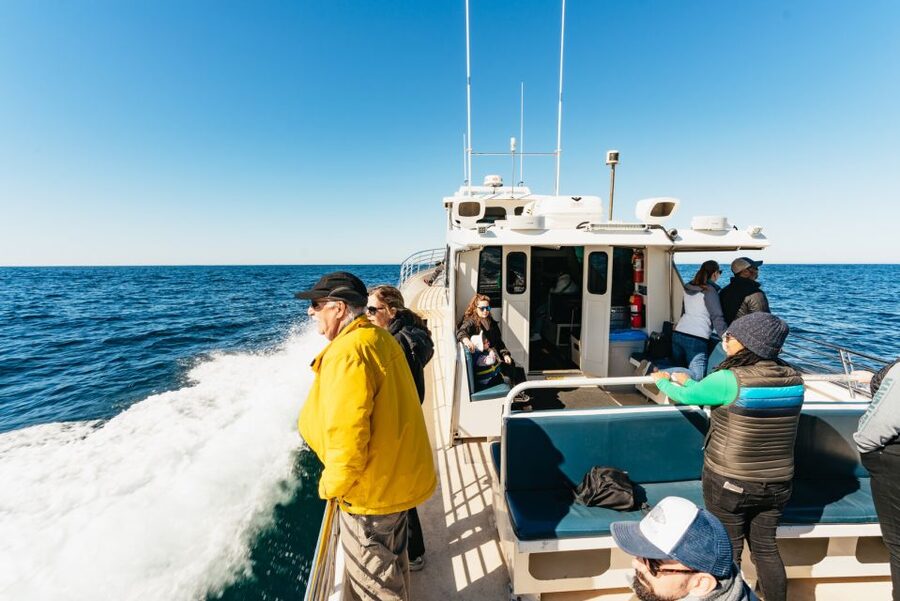
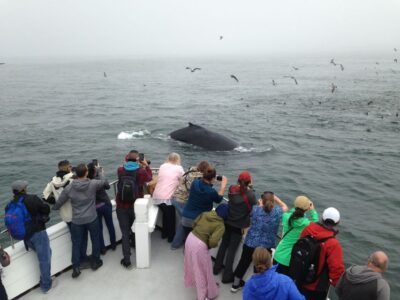
The boat has been described as holding about 25 people, a useful middle ground. You get more room than on a crowded sightseeing vessel, yet enough people to create a lively atmosphere when a whale appears. Being able to move from one side to the other is important, since wildlife may surface behind or beside you.
There are restrooms onboard, and hot beverages are included. You may bring a small packed lunch and non-alcoholic drinks. Snacks and drinks may also be available for purchase, but food is not included in the tour price.
The ocean remains the biggest comfort issue. The boat may bounce over swells, and even passengers who rarely feel sick can have trouble after several hours. Motion-sickness remedies are sold at the office, and you can bring your own. If you know you are sensitive, take your preferred remedy according to its instructions before boarding rather than waiting until you feel ill.
One passenger became very seasick but received attentive help from the crew. That is encouraging, but it does not make the motion disappear. Pregnant people and those with mobility impairments should not book this activity, according to the stated restrictions.
Friendly dogs are allowed onboard. That may help if you are traveling with a pet, though an animal that dislikes engine noise, wind, or rough water may not enjoy the ride.
Is $75 a Fair Price?
At $75 per person, this is not the cheapest way to spend a morning in Monterey. It is also not an unreasonable price for a three to four-hour boat trip with a biologist guide, hot drinks, onboard facilities, and access to one of California’s best whale-watching areas.
The value depends on what you want. If you need a guaranteed close encounter, no price will solve the basic uncertainty of wildlife viewing. If you value time on the water, expert help, and the chance to see several species in one outing, the price is easier to justify.
You also save by having the harbor, sanctuary access, guide, and search effort combined in one activity. A successful trip can include humpbacks, dolphins, sea lions, otters, and seabirds, not just one whale. The guide’s interpretation adds value that you would not get from simply looking out over the bay.
I would budget extra time around the cruise. Some trips run a little longer than expected, especially when the crew finds active whales and gives the boat time to watch them. Do not schedule a tight meal reservation or airport transfer immediately afterward.
Who Will Get the Most From This Cruise?
This tour suits first-time whale watchers especially well. You do not need prior knowledge of marine life, and the crew helps you make sense of what you see. Families with older children can also enjoy it, with reports of children around nine and thirteen having a great time.
It is a good fit for photographers, but you need patience and quick reflexes. The boat may be moving, the light may be harsh, and whales do not pose. Bring a camera, but do not spend the entire trip staring at a screen.
The cruise also works for couples, solo visitors, and anyone building a Monterey day around the waterfront. You can combine it with Cannery Row or Old Fisherman’s Wharf, but leave breathing room in your schedule.
I would think twice if you strongly dislike boats, have limited mobility, are pregnant, or cannot tolerate uncertain weather. The trip is exciting partly because it is real ocean travel. That means cold spray, motion, and changing conditions come with the deal.
Practical Tips for a Better Day
Complete the electronic waiver before arriving. You will need to check in at least 45 minutes early, and rushing along the wharf is a poor start to a boat trip.
Dress for conditions on the water, not conditions at the harbor. Wear layers, comfortable shoes, sunglasses, sunscreen, and a sun hat. Even on a bright day, wind can make the boat feel much colder than the dock.
Keep your lunch small and easy to manage. A heavy meal can make motion sickness worse, while going out hungry is not ideal either. Bring water or another non-alcoholic drink, and use the onboard hot beverages when you need to warm up.
Do not drink alcohol or use drugs on the tour. Smoking is also not allowed. Most important, keep your eyes on the water and listen for the crew pointing out an animal. A whale can surface on the opposite side of the boat before you have finished taking a photo.
Should You Book Discovery Whale Watch?
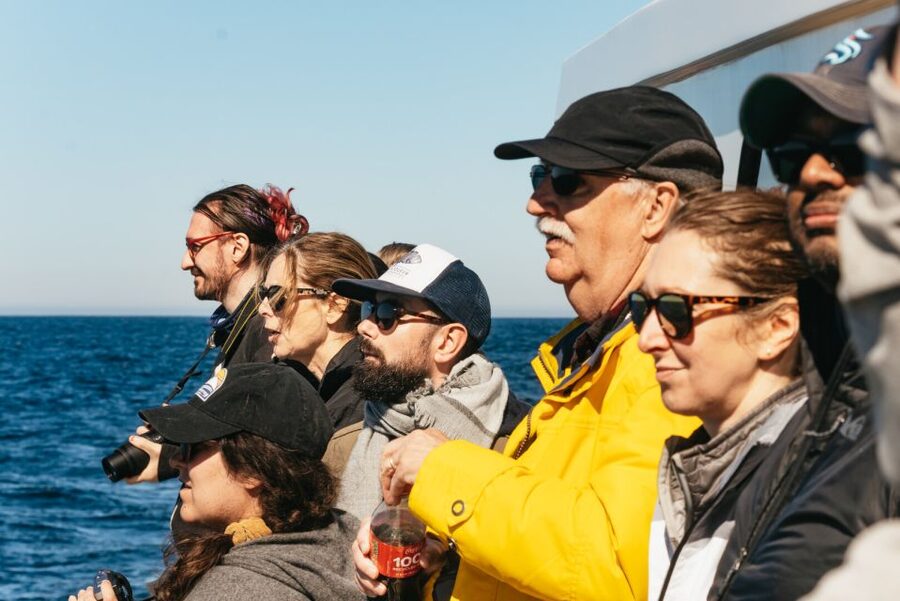
Book this cruise if you want a serious chance to see whales in the wild, with a small boat, useful commentary, and a strong range of possible wildlife. Summer and fall are the sensible picks for feeding humpbacks, while winter is appealing for gray whale migration.
I would book it with flexible plans, sensible clothing, and motion-sickness medicine in hand. The strongest reason to go is not a promise of a particular species. It is the chance to watch a living Monterey Bay, from sea lions at the wharf to whales and dolphins working the sanctuary. At $75, that is good value when you are ready for the ocean to make the final decision.
FAQ
How long does the whale-watching cruise last?
The cruise lasts about three to four hours depending on the option and season. Summer and fall morning trips run about three and a half to four hours, while winter morning trips and afternoon trips year-round usually last two and a half to three hours.
Where does the tour depart?
You check in at Discovery Whale Watch, 66 Fisherman’s Wharf, Monterey, California. The boat departs from Old Fisherman’s Wharf and returns to the same area.
What whales might I see?
Possible sightings include humpback, blue, fin, gray, and killer whales. Humpbacks are often the main summer and fall species, while winter trips focus more on migrating gray whales.
What should I bring?
Bring comfortable shoes, sunglasses, a sun hat, sunscreen, and warm layers. You should also bring a passport or ID card. Motion-sickness medicine is available for purchase at the office, and you may bring your own.
Is food included?
Hot beverages are included, but food is not. You may bring a small packed lunch and non-alcoholic drinks. Restrooms are available on the vessel.
Can I cancel or pay later?
You can cancel up to 24 hours before departure for a full refund. The tour also offers a reserve-now, pay-later option, subject to availability and booking terms.
Newly added whale trips around Monterey
- 3-Hour Whale Watching Tour from Monterey★ 5.0 · 240 reviews
- Sunset Whale Watch Tour in Monterey★ 5.0 · 86 reviews
- Afternoon Whale Watch★ 5.0 · 186 reviews
- Monterey Private 3 – 4 Hour Whale Watching Cruise★ 5.0 · 2 reviews
- Monterey: Private Whale Watching/Sailing Tour for 6★ 4.8 · 3 reviews
- Monterey: Whale Watching Cruise★ 4.3 · 179 reviews
- Monterey Bay Whale Watching★ 4.5 · 316 reviews
- Monterey: Whale Watching Tour with A Marine Guide★ 4.7 · 348 reviews
Monterey Whale Watching Tours, side by side.
Monterey Bay Dolphin and Whale Watching Boat Tour
Read our review →
Lists this trip appears in