
Review · AUSTRALIA
Mooloolaba: Whale Watching Cruise
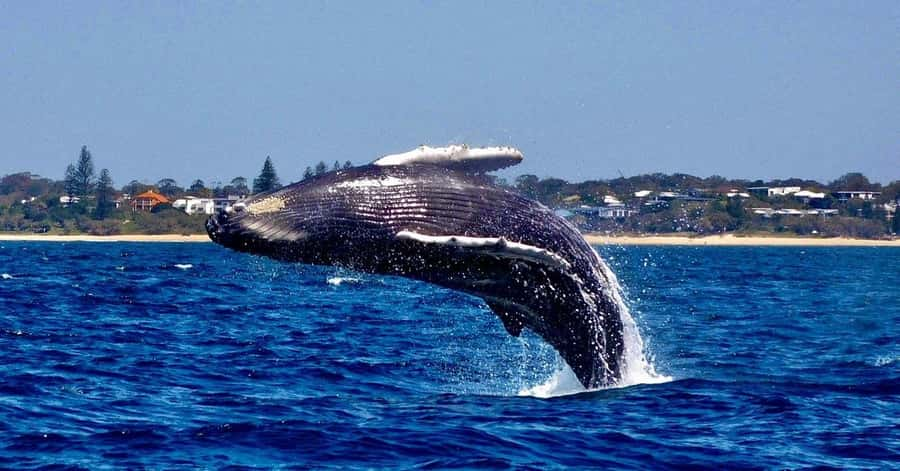
Humpback whales pass Mooloolaba during their annual migration, and this three-hour cruise gives you a good chance to see them from several viewing areas. The boat heads out from the Mooloolaba River, reaches the river mouth after about 15 minutes, then searches the open water with a crew that helps you read the surface.
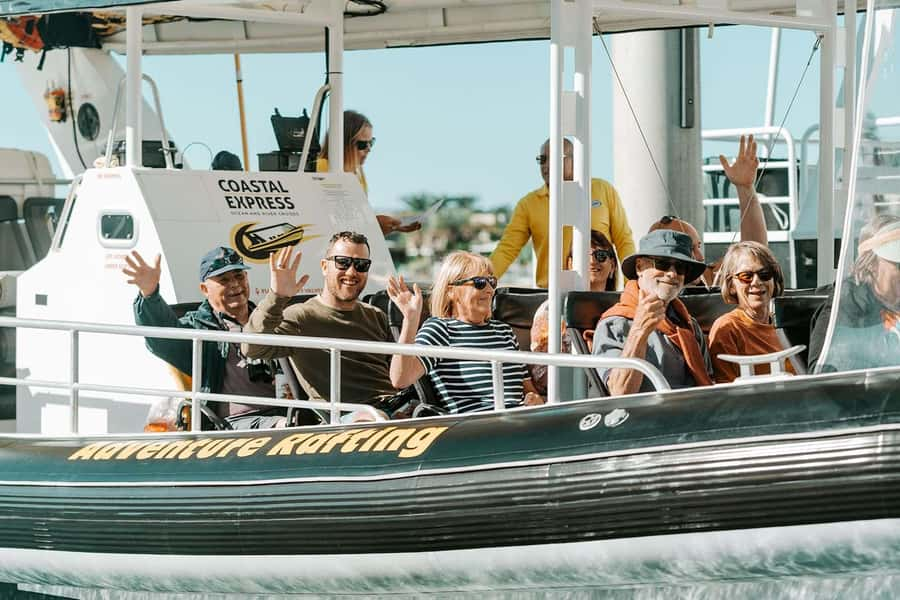
I like the large, comfortable boat and the choice of indoor, outdoor, upstairs, and downstairs seating. I also like the free return-trip policy if no whales are seen, since wildlife never follows a timetable. The main caution is seasickness: once the boat leaves the shelter of the coast, the swell can feel strong, and some passengers have needed medication.
Key points before you book
- Three hours on the water: Allow extra time for check-in before boarding at Sunreef Mooloolaba.
- Four viewing areas: Move between indoor, outdoor, upper, and lower seating as the boat searches.
- Wildlife beyond whales: Dolphins, turtles, seabirds, eagle rays, and other marine life may appear.
- Whale guarantee: If no whales are seen, you receive a free return trip rather than a cash refund.
- Best practical tip: Take seasickness medication before departure and dress for wind, even on a sunny day.
- Good family option with limits: Children under 14 must stay with an adult, and unaccompanied minors are not allowed.
From The Wharf to the Mooloolaba River mouth
Your outing begins at Sunreef Mooloolaba, Shop 11 to 12, The Wharf Mooloolaba. Arrive at least 15 minutes before departure, check in at the desk, collect your boarding pass, and wait in the assigned area. Getting there early matters because you can board calmly and choose a useful viewing position instead of rushing aboard at the last moment.
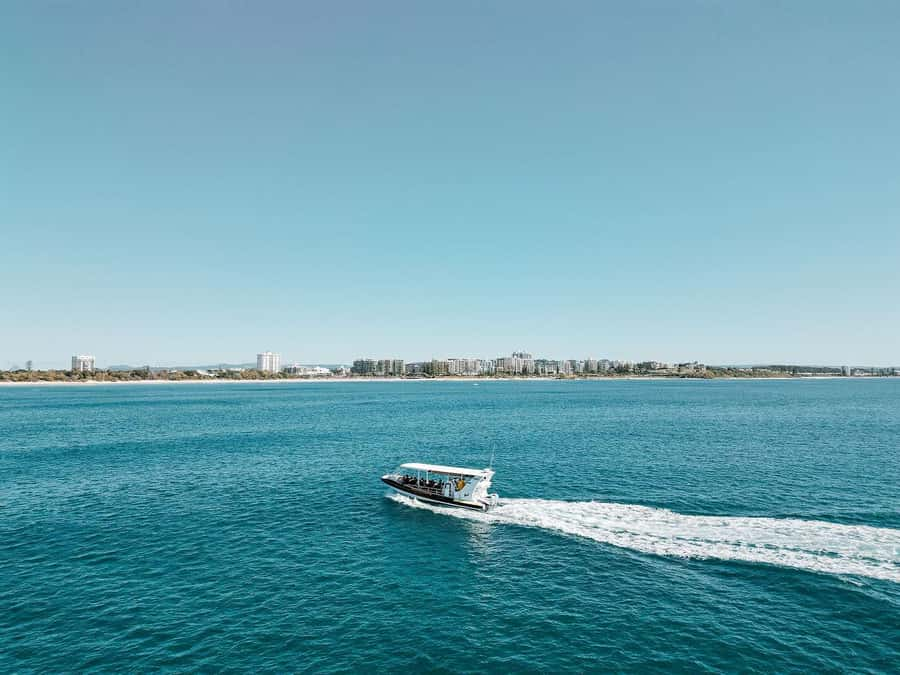
The cruise starts in the Mooloolaba River. You receive a safety briefing as the boat leaves, then spend roughly 15 minutes heading toward the river mouth. This opening section is easy and scenic, with views of the Mooloolaba coastline before the boat reaches more open water.
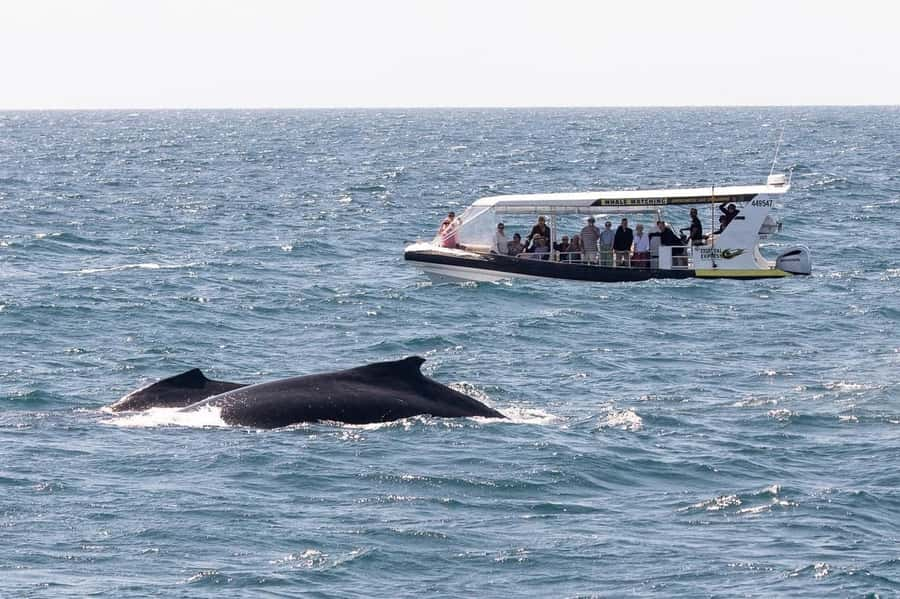
Once outside the river mouth, the character of the trip changes. You are no longer simply looking at the coast. You are scanning a broad stretch of ocean for a back, blow, tail, or sudden splash. The crew points out what to watch for, including small signs such as a whale surfacing quietly and larger displays such as breaching or tail slapping.
That guidance makes a real difference. A first-time whale watcher may stare at the wrong patch of water or mistake a seabird for a whale. The crew helps you understand where to look and explains the animals’ migration, breeding, and behavior in plain terms.
More Whale Watching Cruises in Australia
- Sydney: Whale Watching Adventure Cruise
★ 4.2 · 1,790 reviews - Brisbane Whale Watching Cruise from Redcliffe or Sunshine Coast
★ 5.0 · 997 reviews - Freedom 3/4 Day Hervey Bay Premium Whale Watching Cruise
★ 5.0 · 919 reviews
Whale watching from four sides of the boat
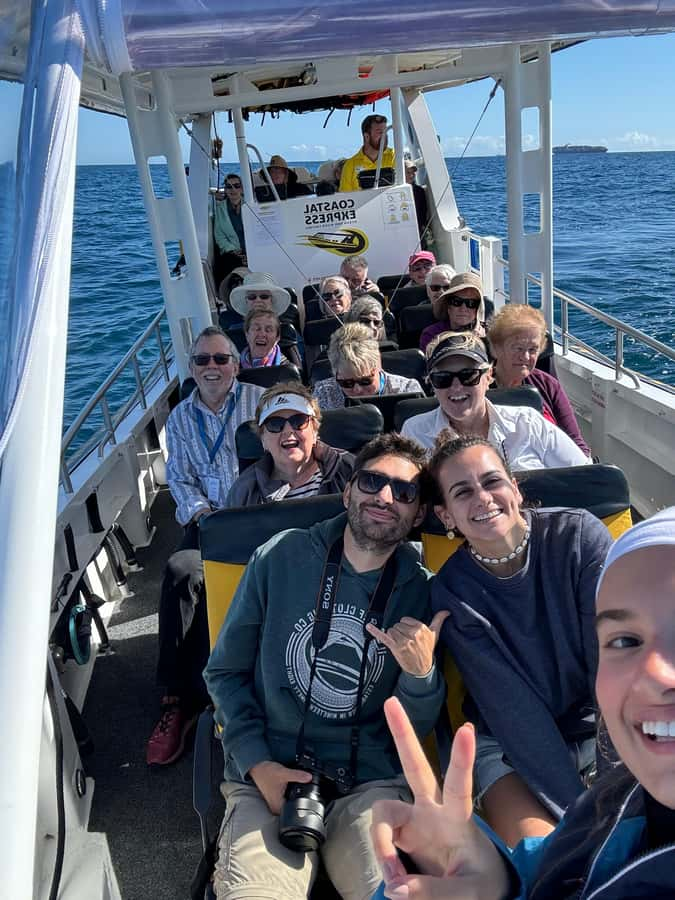
The vessel offers indoor and outdoor seating, plus upper and lower areas, so you are not locked into one viewing point. This is useful because whales can surface on either side of the boat, and passengers naturally gather when one appears.
I suggest starting outside if conditions allow. Fresh air can help if you feel queasy, and the outdoor areas give you a clearer view without windows between you and the sea. If the wind becomes uncomfortable, move inside, warm up, then return outside when the crew announces activity.
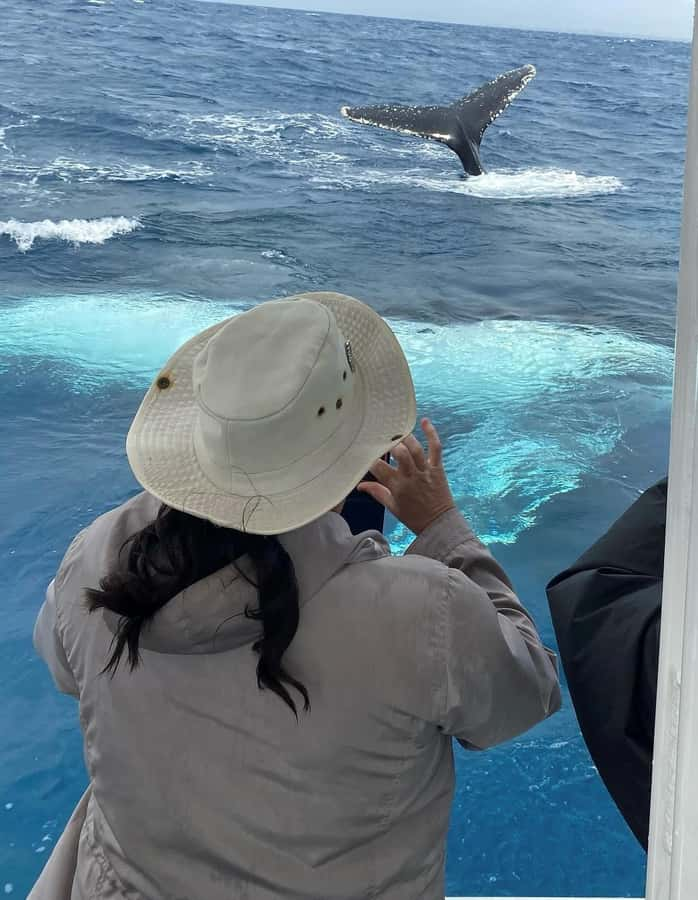
The boat is described as large and comfortable, and several outings have included long periods watching whales near the vessel. Reports from the season include mother and calf pairs, groups of juvenile males, and small groups that circled or approached the boat. One particularly memorable sighting involved a mother, calf, and male escort remaining near the boat for more than an hour.
That does not mean every cruise will bring such a display. Whales are wild animals, and the operator cannot control where they swim or how long they stay. You might see a dramatic breach, or you might spend much of the trip watching backs appear and vanish. The free return-trip offer softens that uncertainty, but it does not turn wildlife watching into a guaranteed performance.
The crew also keeps a respectful distance from the whales. This is important. The best encounter is not necessarily the closest one. A whale surfacing beside the boat can feel thrilling, but responsible viewing means allowing the animals room to continue their migration.
What whale behavior you may see
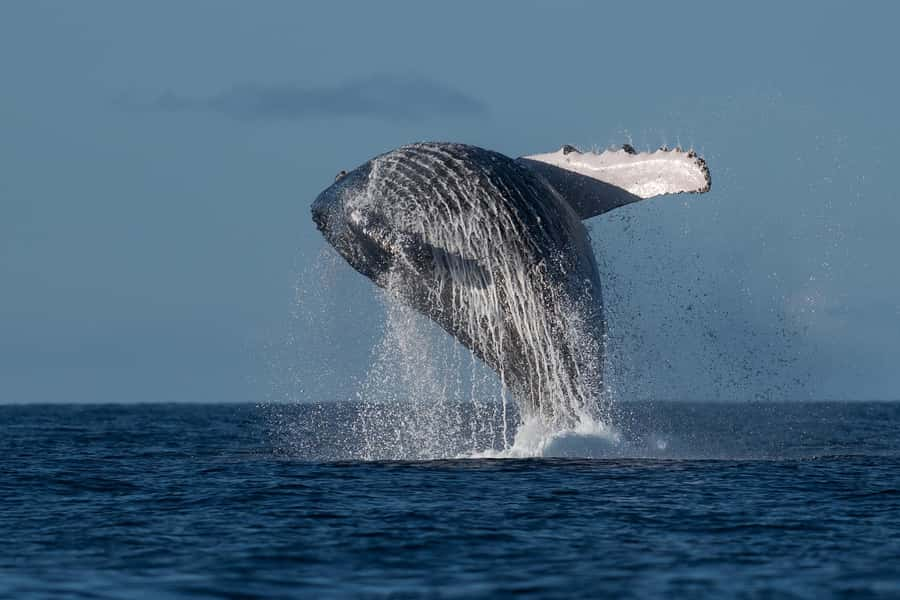
The trip focuses on humpback whales traveling along the Queensland coast to breed and mate. During the cruise, you may see several types of surface activity:
- A blow, when a whale exhales at the surface
- A back appearing briefly before the animal submerges
- A tail fluke lifting clear of the water
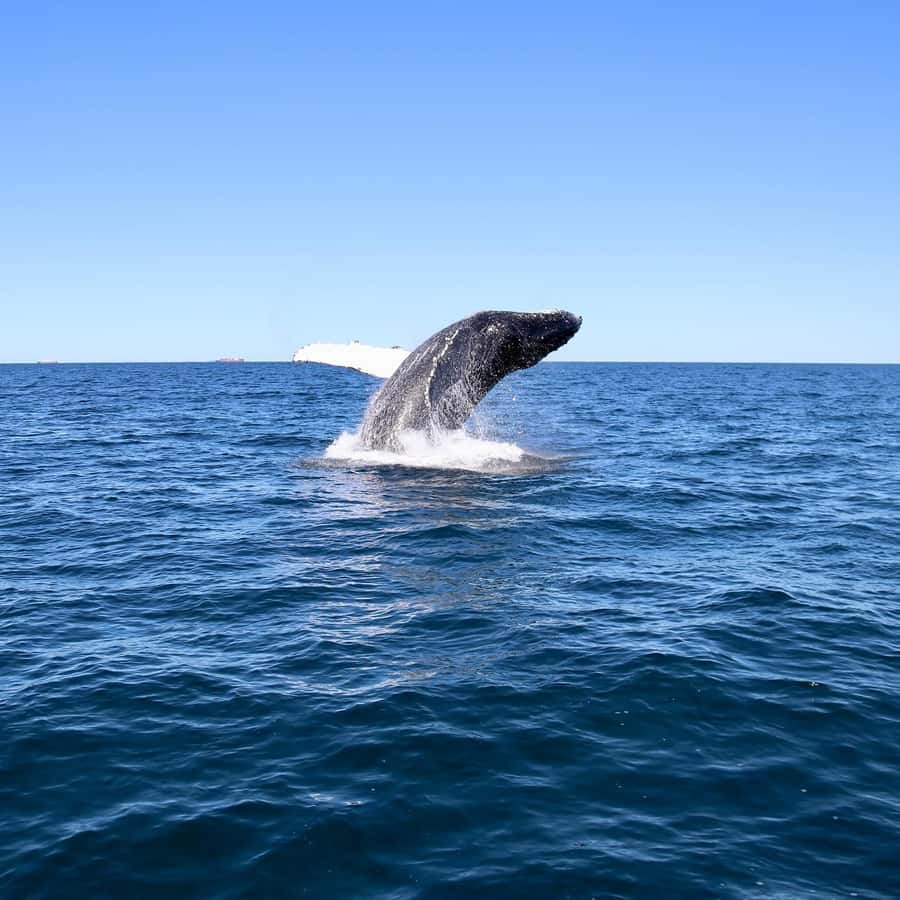
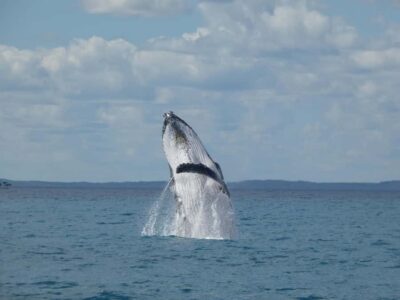
- A breach, with the whale rising partly or fully above the surface
- Tail slapping and other splashing behavior
- Spy-hopping, when a whale raises its head to look around
Spy-hopping is especially memorable because it gives you a brief look at the animal’s head and body shape. Several outings have included whales approaching the boat, circling it, or surfacing close enough for people to see markings on their flukes and undersides.
Calves add another layer to the experience. You may see a young whale traveling with its mother, learning how to move and surface. Some cruises have produced repeated sightings of mother and calf pairs even late in the migration season.
Still, keep your expectations sensible. The ocean may show you a quiet back, a distant blow, or no whale at all. The crew searches throughout the cruise, but no operator can promise breaching, close approaches, or a particular number of animals.
Dolphins, turtles, seabirds, and other marine life
Whales are the main reason to book, but you could see more along the way. Dolphins have appeared on several trips, including small pods. Turtles, seabirds, and eagle rays are also possible sightings.
These extra animals help fill the quieter stretches between whale encounters. If the whales are moving away or staying below the surface, keep scanning the water rather than watching only the spot where the crew last saw activity.
Water clarity around Mooloolaba is often described as good, and the area can have relatively limited swell in suitable conditions. That helps with visibility, though conditions can change once the boat moves away from the coast. The cruise is not a diving activity, but clear water can make surface sightings and nearby marine life easier to spot.
Bring a camera, but do not spend the entire trip looking through it. Whale sightings can last only seconds, and the best image may be the one you remember rather than the one you capture. A phone or camera is welcome, but drones are not permitted.
Same migration, a different deck:
- Whale Watching Tour with Spirit of Gold Coast
★ 4.5 · 884 reviews - Sydney Whale-Watching Cruise Including Lunch or Breakfast
★ 4.5 · 878 reviews - Sydney: 2-hour Express Whale Watching Cruise
★ 4.2 · 756 reviews - Spirit of Gold Coast 2.5-Hour Whale Watching Tour
★ 4.2 · 703 reviews
The real issue: swell and seasickness
This is the practical point I would stress most. The boat may feel smooth near shore, then move more sharply once it reaches open water. Several outings have been described as comfortable, but passengers have also reported significant swell and widespread seasickness.
If you are prone to motion sickness, take suitable medication before boarding. Seasickness tablets are available onboard, but waiting until you feel ill is usually a poor strategy. Fresh air and staying outside may help, and one passenger specifically found that following this advice made the trip worthwhile.
Bring warm clothing even if Mooloolaba feels sunny and mild on land. Wind on the water can make the temperature feel much lower. Sunglasses, a hat, sunscreen, and comfortable clothing are also sensible. The boat has bathrooms, which is reassuring on a three-hour outing.
This cruise is not recommended for pregnant women. It is also not suitable for wheelchair users. Children under 14 must remain with an adult, and unaccompanied minors cannot join the trip.
Commentary that adds more than background noise
The educational commentary is one of the strongest parts of the experience. The crew explains migration, whale behavior, and the signs that help you spot animals at the surface. Their job is not just to point and shout whale. They help you understand what you are seeing.
Several trips have included crew who were lively, friendly, and clearly enthusiastic about the animals. That matters during a quiet period, when a good explanation keeps the group interested instead of frustrated. The crew also helps people who are unsure where to stand or how to follow a whale moving around the boat.
There is one small comfort issue to note: music has been used onboard, and at least one passenger felt it was unnecessary once the boat was out at sea. If you prefer natural ocean sounds, you may find the music distracting.
You can buy snacks, soft drinks, and alcohol from the onboard bar, with alcohol served after 10:00 AM. Outside food and drinks are not allowed because of food licensing rules. The listing says food and drinks are not included, so budget separately if you want something from the bar.
Is $60 good value?
At $60 per person, this is a reasonable price for three hours on a purpose-built whale watching boat, with commentary, bathrooms, several viewing areas, and a free return trip if the crew sees no whales. The value improves when the cruise produces repeated sightings or close surface activity.
The guarantee needs a careful reading. You do not receive a refund if no whales appear. Instead, you receive a free return trip. That is useful if you are staying in the area long enough to use it, but less helpful if you are leaving Mooloolaba soon.
One passenger was told that booking directly with Sunreef could have saved $40 compared with the booking channel used. That may have depended on a family rate or a particular promotion, so check Sunreef’s direct price and family options before paying. At the same time, compare the cancellation terms and convenience of each option.
The overall value also depends on your attitude toward wildlife. If you need a guaranteed close encounter, no boat can provide that. If you are happy to spend three hours learning about whales, watching the sea, and possibly seeing dolphins or turtles, the price is easier to justify.
Timing, weather, and the free return policy
Your confirmation depends on sea and weather conditions. The local operator sends an email and text message around 3:30 PM the day before the trip with the status and departure time. Check these messages carefully, especially if you have arranged other activities or transport.
The boat may not run if conditions are unsuitable. That is not an inconvenience unique to this cruise. It is part of operating safely in open water. If the trip is cancelled for weather, follow the operator’s instructions about rescheduling or refunds.
You can cancel for a full refund up to three days before departure. After that point, the stated cancellation terms may not protect you, so avoid booking if your schedule is still uncertain.
The trip lasts three hours, but allow more time for arrival, check-in, and the possibility of a delayed return. One passenger felt a cruise that boarded at 7:30 AM and ended at 10:00 AM was short of the promised three hours. That is a useful reminder to confirm the departure time and count the full schedule rather than planning a tight connection afterward.
Who will enjoy this cruise most?
I would choose this outing if you want a serious whale watching search rather than a short sightseeing boat ride. The crew spends the main part of the cruise looking for whales, explaining behavior, and shifting the boat to follow sightings while respecting a safe distance.
It suits families, couples, solo visitors, and anyone interested in marine life. Children can enjoy the excitement of spotting a blow or tail, while adults will appreciate the explanations and the chance to see different behaviors. Grandparents traveling with children should note the age and supervision rules, plus the possibility of rough movement.
It is less suitable if you are pregnant, use a wheelchair, dislike open water, or are highly sensitive to motion. You can take practical steps to reduce seasickness, but you cannot remove the swell entirely.
Booking decision
Book this cruise if you can accept wildlife’s unpredictability and prepare for the water. The large boat, multiple viewing areas, helpful commentary, and free return-trip policy make it a strong choice at $60, especially when you have time to use the guarantee.
Take seasickness medication before departure, arrive early, bring warm layers, and check the weather message the afternoon before. If you want a quiet ride with no chance of motion sickness, choose a land-based whale viewpoint instead. If you want the chance to watch humpbacks breach, spy-hop, circle the boat, or travel with calves, Sunreef Mooloolaba gives you a well-organized three-hour search with a fair safety net.
FAQ
Where does the Mooloolaba whale watching cruise depart?
Check in at Sunreef Mooloolaba, Shop 11 to 12, at The Wharf Mooloolaba. You should arrive at least 15 minutes before departure.
How long does the cruise last?
The stated duration is three hours. The boat spends about 15 minutes traveling from the Mooloolaba River to the river mouth before the main whale search begins.
What happens if no whales are seen?
You receive a free return trip if no whales are sighted. The policy does not provide a cash refund for an unsuccessful whale search.
Is the whale watching cruise guaranteed to run?
No. Confirmation depends on sea and weather conditions. The local operator sends an email and text message around 3:30 PM the day before with the trip status and departure time.
What should I bring?
Bring warm clothing, sunglasses, a hat, a camera, comfortable clothes, and sunscreen. Seasickness medication is also worth considering if you are sensitive to movement.
Can I bring my own food and drinks?
No. Outside food is not permitted onboard because of food licensing restrictions. Snacks, soft drinks, and alcohol are available from the onboard bar, with alcohol served after 10:00 AM.
Are children allowed on the cruise?
Yes, but children under 14 must be accompanied by an adult at all times. Unaccompanied minors are not allowed.
Is the boat suitable for wheelchair users or pregnant women?
No. The activity is listed as unsuitable for wheelchair users and pregnant women. A stroller may be taken only if its wheels lock and space is available, with the final decision made at check-in.
Newly added whale trips around Australia
- Tweed Heads: Whale Watching Boat Tour★ 4.7 · 30 reviews
- Bremer Bay Orca Experience★ 5.0 · 79 reviews
- Wilsons Prom Whale Cruise★ 5.0 · 104 reviews
- Whale Watching and Wildlife Cruise Townsville and Magnetic Island★ 5.0 · 11 reviews
- Whales of Sydney Sea Safari★ 5.0 · 2 reviews
- Sydney Whale Watching Cruise from Circular Quay★ 4.5 · 207 reviews
- Whale Watching Sailing Experience in Sydney★ 5.0 · 28 reviews
- Sydney Whale Watching on Small RIB★ 5.0 · 14 reviews
Australia Whale Watching Tours, side by side.
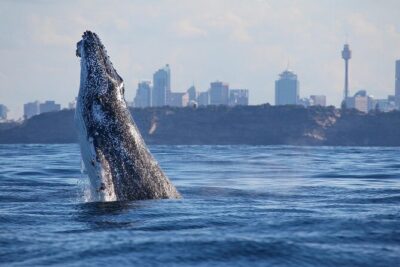
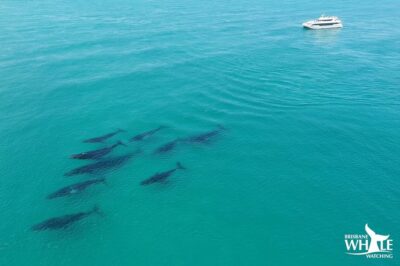
Brisbane Whale Watching Cruise from Redcliffe or Sunshine Coast
Read our review →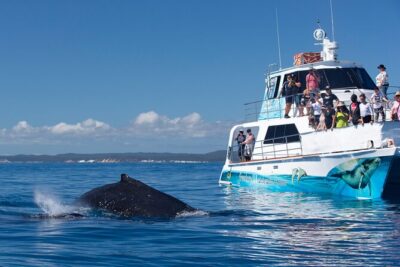
Freedom 3/4 Day Hervey Bay Premium Whale Watching Cruise
Read our review →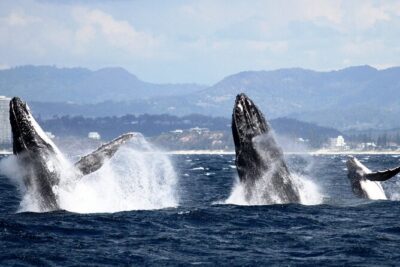
Sydney Whale-Watching Cruise Including Lunch or Breakfast
Read our review →
Lists this trip appears in