
Review · AUSTRALIA
Mooloolaba: Whale Watching Cruise
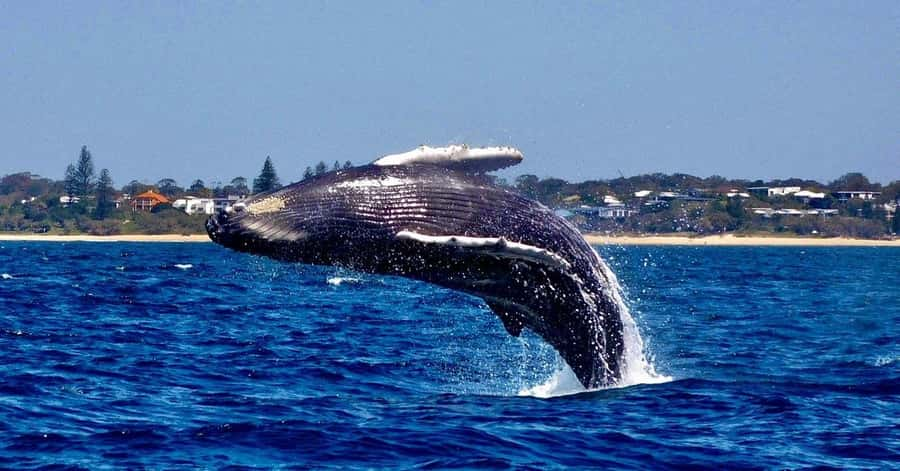
Mooloolaba’s fast whale watching raft gets you from the Wharf to open water quickly, leaving more of the two-hour trip for finding humpbacks. When conditions cooperate, you may see breaches, tail slaps, spy hops, calves, dolphins, or turtles, with an underwater hydrophone adding a rare chance to hear the whales below the surface.
I like the close-to-water seats, which give you a better view than a tall sightseeing boat, and the mix of live commentary, HD underwater cameras, and coastal scenery. The main trade-off is comfort: this is a speedy raft, so a swell can make the ride rough, especially for anyone prone to seasickness or back discomfort.
Key points before you book
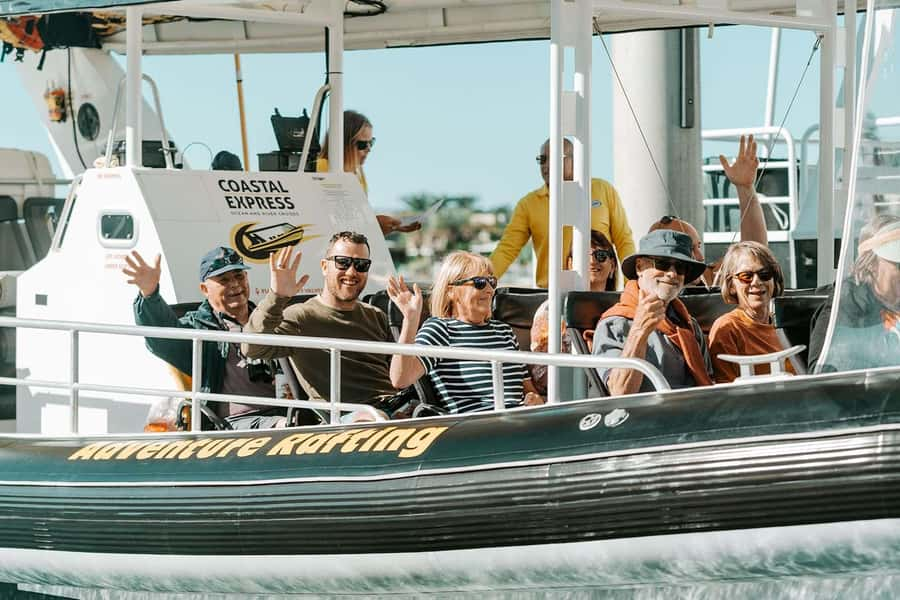
- Fast ride to the whale area: The boat is built for speed, so you spend less of the two-hour outing simply getting offshore.
- Whale sounds as well as whale views: An onboard hydrophone lets you listen for humpback calls beneath the boat.
- Low viewing position: The raft sits close to the water, which can make whale encounters feel immediate but also exposes you to more motion.
- Strong guide presence: Skippers and hosts, including Jack, Nina, Izzy, Georgia, and Rod on various departures, are praised for clear commentary and good boat handling.
- Wildlife is never guaranteed: Sightings have been excellent on many trips, but one departure saw no whales, particularly early in the season.
- Good value at $63: Two hours, a local crew, a toilet, whale education, and a high-speed vessel make the fare reasonable for a focused wildlife outing.
Leaving Mooloolaba Wharf at speed
The tour begins at The Wharf Mooloolaba, at 123 Parkyn Parade. The boat leaves from the river side of the complex, behind Rice Boi, rather than from the main road frontage. Look for the directory near the entrance, then walk through to the jetty.
Arrive 30 minutes before departure. That extra time matters because parking is limited, even though The Wharf offers free parking for up to four hours. If you arrive at the last minute, finding a space could be more stressful than the check-in itself.
Once aboard, you take a comfortable high-back seat and get coastal views as the boat moves out. The first part is not just dead time. It gives you a look back toward Mooloolaba and lets the skipper explain what to expect, how the boat operates, and what humpback behavior to watch for.
The high-speed boat is one of the clearest reasons to choose this trip over a slower vessel. You feel the engine working as you cross toward the whale area, and the quicker run means more time is available for searching and watching. Families in particular have enjoyed this part, since the ride itself feels like an attraction rather than a transfer.
That speed also has a cost. A raft responds quickly to waves, and the ride can include a noticeable rise and fall in a swell. If you have back problems, are pregnant, or often get seasick, this may not be the right boat style for you. The activity is also not suitable for children under five, people with mobility impairments, or wheelchair users.
More Whale Watching Cruises in Australia
- Sydney: Whale Watching Adventure Cruise
★ 4.2 · 1,790 reviews - Brisbane Whale Watching Cruise from Redcliffe or Sunshine Coast
★ 5.0 · 997 reviews - Freedom 3/4 Day Hervey Bay Premium Whale Watching Cruise
★ 5.0 · 919 reviews
Finding humpbacks in open water
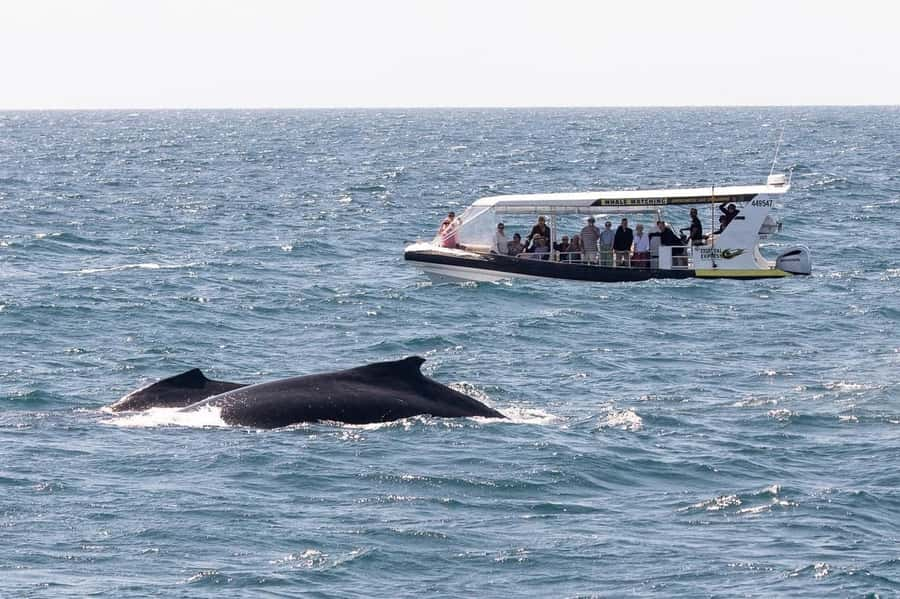
The crew’s job is to locate whales, then position the raft so people on board have a fair chance to see them. This is not a performance with a set schedule. You may spend time scanning the surface, moving between pods, and waiting for an animal to appear again.
That uncertainty is part of the deal with any wild whale trip. A whale can surface once and vanish for several minutes. A breach lasts only a moment. A tail slap may happen on the far side of the boat. Good boat handling makes a difference, and past trips have been especially praised for moving quickly between groups and turning the raft so more people can see.
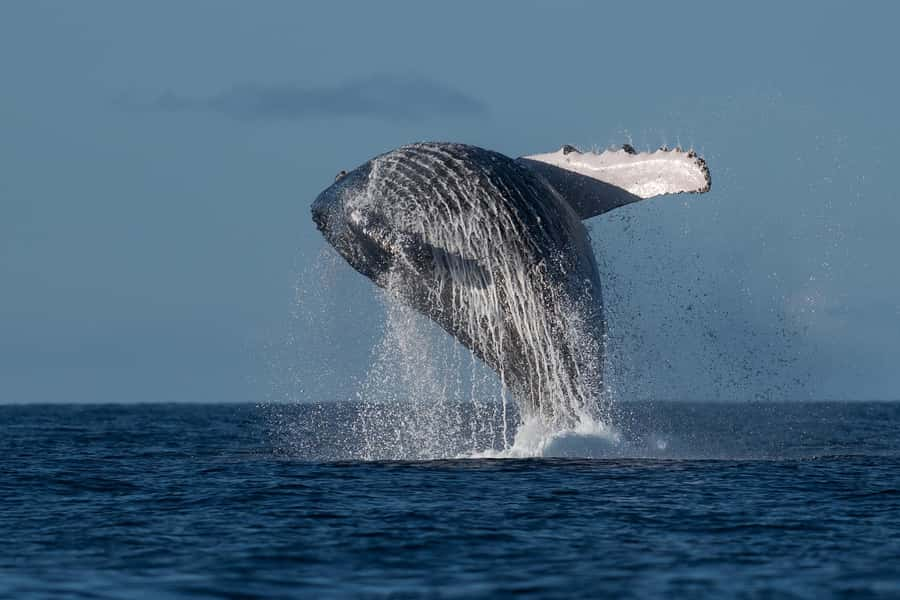
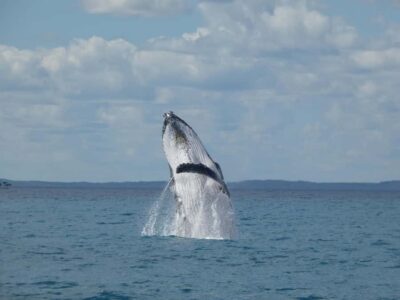
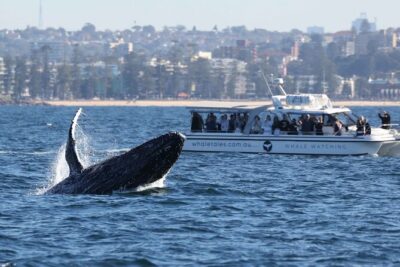
You might see a whale’s back first, followed by a blow. Then look for a tail fluke lifting clear of the water, a pectoral fin waving, or a sudden splash from a breach. Spy hops, where a whale rises vertically to look around, and peduncle throws, where the rear body comes high out of the water, are also possible. None can be promised, but the skipper’s commentary helps you understand what you are seeing when the action comes fast.
Calves have appeared on some trips, including a mother and baby traveling together. A calf breaching is the kind of sight that can make the whole outing memorable, but you should book for the chance to observe whales, not for a guaranteed dramatic jump.
The supplied departure dates show successful sightings from June through October, with particularly strong encounters in late winter and spring. One early-season trip did not find whales, yet still provided coastal views, information about turtles and the local area, and a lively ride. That is useful context: the boat and crew can make a no-whale outing worthwhile, but the wildlife remains beyond anyone’s control.
Hearing whales through the hydrophone
Most whale cruises focus on what you can see. This one adds an underwater hydrophone, allowing you to listen for humpback calls beneath the raft. The sound gives you another way to understand how far-reaching and strange these animals are.
The hydrophone is especially useful when a whale is nearby but below the surface. You may be watching an empty patch of water while hearing activity underneath. It does not guarantee a perfect concert, and the quality of any sound depends on what the whales are doing, but it adds depth to the experience without requiring a longer trip.
The onboard host also explains humpback behavior and points out features of the animals as they surface. This helps turn a quick tail sighting into something more meaningful. You learn to distinguish a blow from a splash and to watch for the signs that a whale may surface again.
The commentary is delivered in English. Past departures have featured hosts and skippers such as Jack, Nina, Izzy, Georgia, and Rod, and the strongest praise has consistently gone to the crew’s humor, warmth, and ability to keep the information clear. Names and crew assignments can change, but you can expect a local skipper and host rather than a silent boat ride.
Watching from a raft close to the water
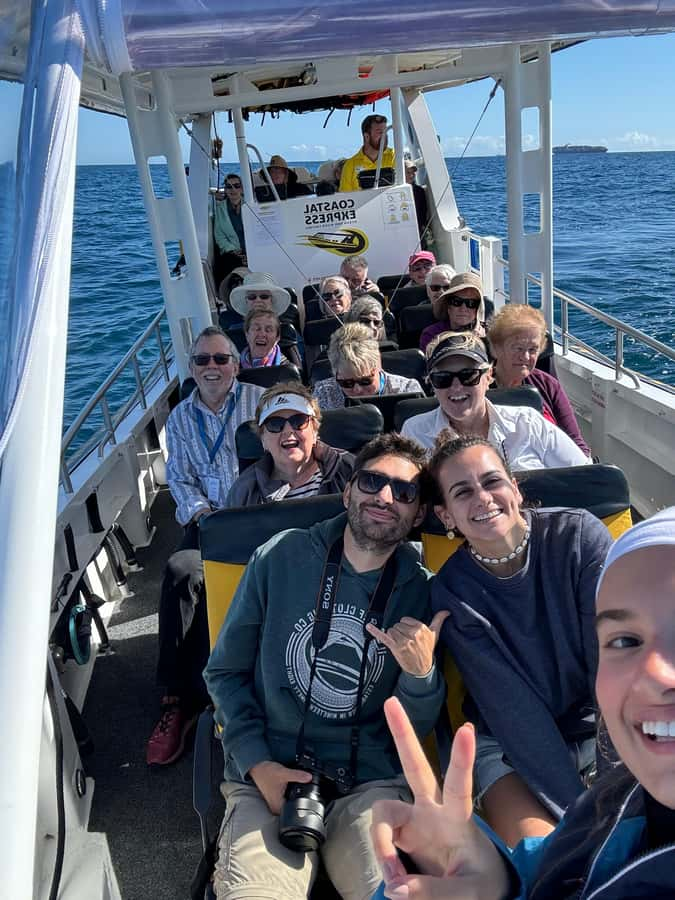
The raft’s low profile is its biggest viewing advantage. You are not perched high above the sea behind rows of passengers. When a whale surfaces near the vessel, the animal can feel impressively close to your eye level.
That position also means more movement. A large boat may feel steadier in rough conditions, while this raft gives you a more direct sense of the waves. One passenger described a swell as exciting, while noting that someone prone to seasickness might struggle. That is a fair description of the trade-off.
Sit with the understanding that the ride may be lively. Wear comfortable clothes, bring weather-appropriate layers, and use sunscreen even on a cloudy day. Sunglasses, a hat, and water are sensible additions. Food and drinks are not included, so eat beforehand and bring water with you.
The raft is a strong fit for people who value action and close viewing over a calm, polished cruise. If your priority is a smooth deck, lots of room to walk around, or a very stable platform for photography, you may prefer a larger vessel. If you want to move fast and feel close to the sea, this setup has a clear advantage.
Same migration, a different deck:
- Whale Watching Tour with Spirit of Gold Coast
★ 4.5 · 884 reviews - Sydney Whale-Watching Cruise Including Lunch or Breakfast
★ 4.5 · 878 reviews - Sydney: 2-hour Express Whale Watching Cruise
★ 4.2 · 756 reviews - Spirit of Gold Coast 2.5-Hour Whale Watching Tour
★ 4.2 · 703 reviews
Underwater cameras add another angle
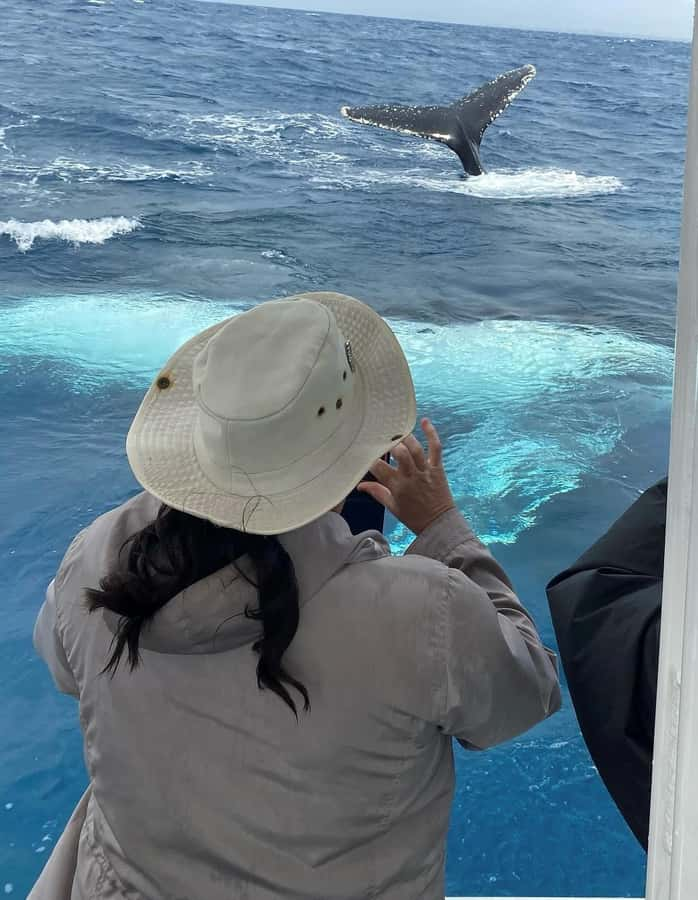
The boat carries HD underwater cameras that show what is happening below the surface. These cameras cannot replace seeing a whale breach in front of you, but they can reveal movement that would otherwise go unnoticed.
A whale may pass beneath the boat, turn underwater, or remain just below the surface before rising again. The camera feed gives you a chance to watch that hidden part of the encounter while the skipper explains what may be happening.
The experience combines several forms of wildlife watching:
- Surface views of blows, backs, fins, and tails
- Underwater images from the HD cameras
- Whale calls through the hydrophone
- Live explanations from the skipper and host
- Occasional sightings of dolphins and turtles
Dolphins have been seen circling the boat, and turtles have also appeared on some outings. These are welcome extras, not promised features. Humpback whales are the focus, so you should not book this as a general marine-life safari with a fixed list of animals.
What the two-hour schedule feels like
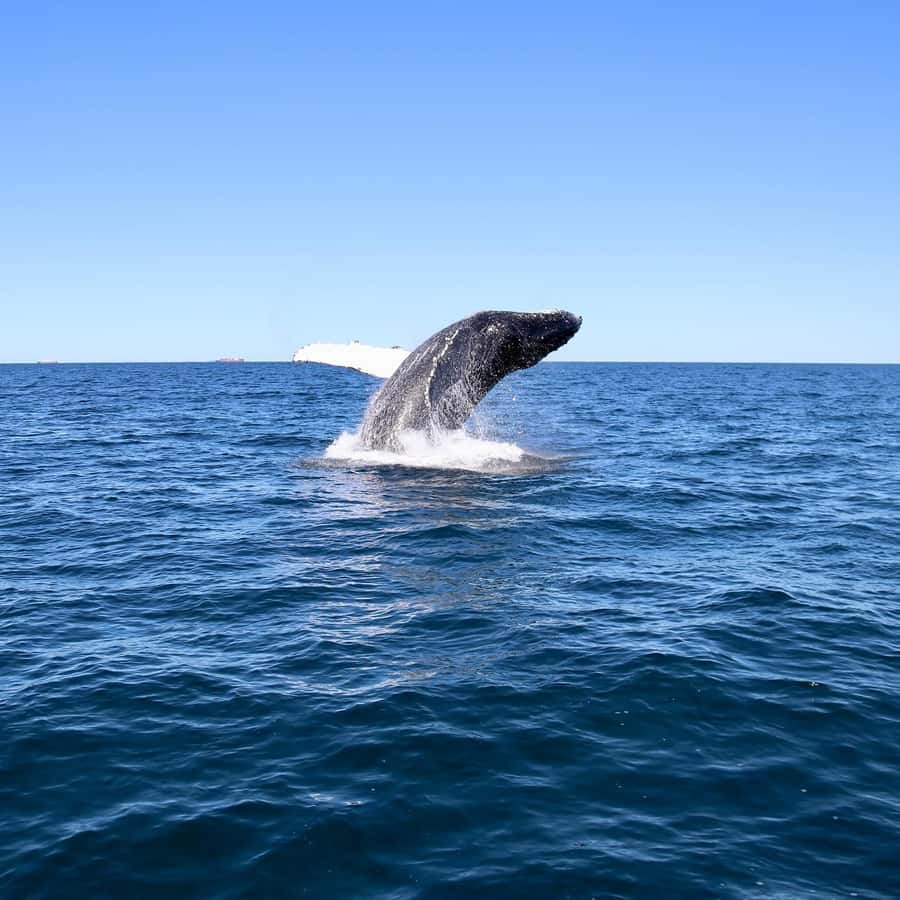
Two hours is a sensible length for this activity. The fast boat gets you offshore quickly, leaving enough time to search without making the outing feel endless. It is long enough for several sightings if whales are active, but short enough to fit into a morning or afternoon of sightseeing around the Sunshine Coast.
The trip usually follows this rhythm:
- Check in at The Wharf: Arrive 30 minutes early, complete the participation waiver, and make your way to the river-side jetty behind Rice Boi.
- Cruise out from Mooloolaba: Enjoy views of the coast while the skipper explains the trip and the boat.
- Reach the whale area: The high-speed raft reduces the time spent simply traveling offshore.
- Search and watch: The crew looks for humpbacks and may move between pods to improve viewing.
- Listen and learn: Use the hydrophone, watch the underwater cameras, and follow commentary about whale behavior.
- Return to the Wharf: The ride back gives you more time on the water and completes the two-hour outing.
Because the trip is built around wild animals, the middle section may feel different from one departure to the next. One outing could bring repeated tail slaps and close approaches. Another may involve long periods of scanning. That is not poor planning. It is the nature of whale watching.
Is $63 good value?
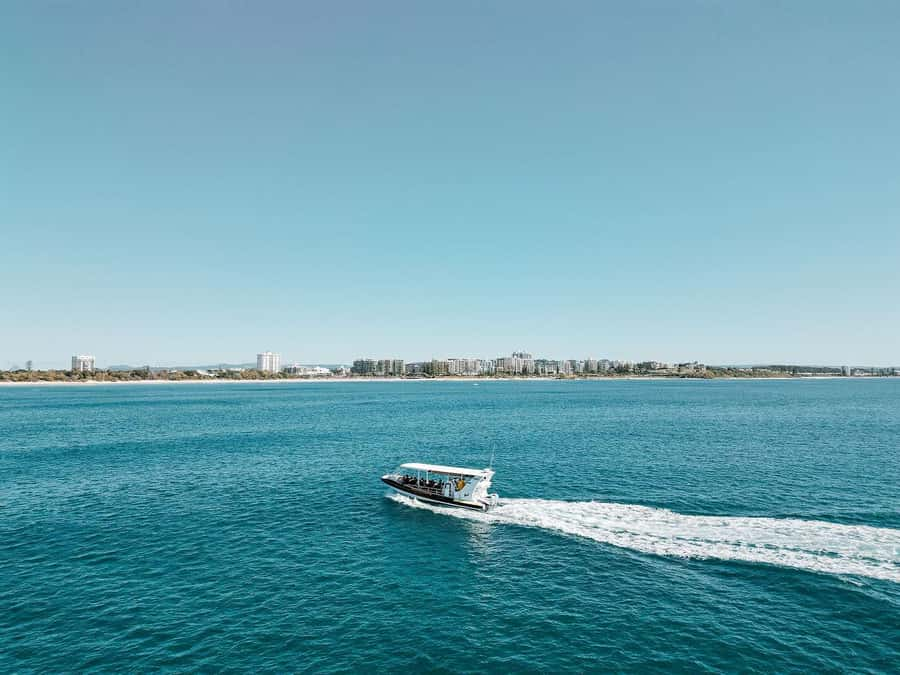
At $63 per person, this is fairly priced for a two-hour wildlife cruise with a high-speed boat, local skipper, onboard toilet, educational commentary, underwater cameras, and a hydrophone.
The value is strongest when you care about the quality of the viewing rather than simply being on the water. A slow cruise with a long transfer can leave you with less time near the whales. Here, the boat’s speed is part of what you are paying for.
The fare also feels reasonable for the crew’s role. Finding whales, judging their direction, and positioning a raft takes more than simply driving offshore. Good maneuvering can turn a distant blow into a much better look for everyone on board.
Still, value depends on your expectations. You are not paying for a guaranteed breach or a private encounter. The wildlife may be quiet, and weather can affect the ride. If no whale appears, the company cannot manufacture a sighting, though the commentary, coastal views, and boat ride can still provide a pleasant outing.
Free cancellation up to 24 hours before departure and the option to reserve now and pay later make it easier to fit the cruise into a changing Queensland schedule. Those policies are useful, but the bigger decision is timing and sea comfort.
Who should choose this cruise?
I would point this trip toward active families with children aged five and over, couples who want a short wildlife outing, photographers who like close-to-water views, and anyone who finds a fast boat ride part of the fun.
It also suits repeat visitors to the Sunshine Coast. One passenger enjoyed the experience enough to return two days later, which says something about the appeal when whale activity is strong.
You should think twice if you are pregnant, have back problems, use a wheelchair, or have mobility limitations. The tour also may not suit you if motion sickness is a concern. The raft can be exciting in a swell, but excitement and comfort are not the same thing.
Bring a hat, sunglasses, sunscreen, water, and clothing that matches the forecast. Leave room for the possibility that your best photograph may be a distant tail rather than a full breach. The crew can help you understand the behavior, but no skipper can control the whales.
Should you book it?
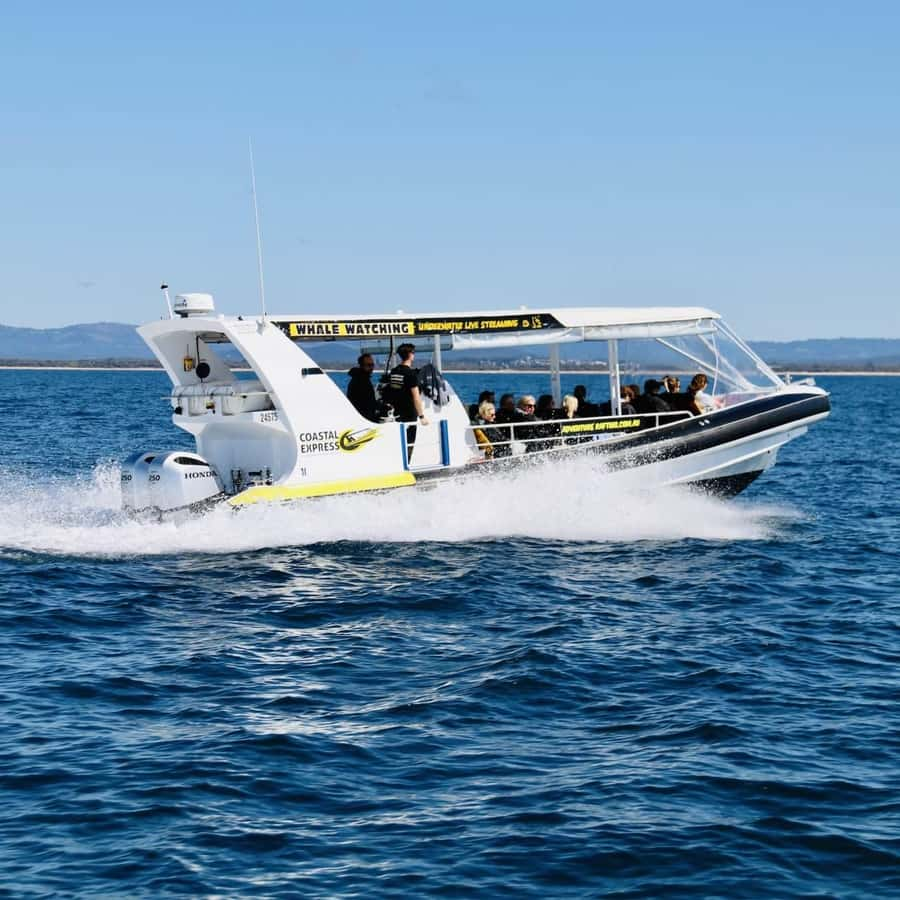
Book this Mooloolaba cruise if you want a short, fast, close-to-the-water whale trip with strong commentary and more than one way to experience the animals. The hydrophone and underwater cameras make it more than a simple surface search, while the raft offers a livelier ride and better proximity than a high-sided boat.
Skip it if you need a smooth, quiet cruise or if you cannot handle a moving vessel. Also keep your expectations realistic: the best departures may bring pods, calves, dolphins, and dramatic surface action, while another may produce only tails or no whales at all.
For $63, the combination of speed, wildlife education, and access to the open water is a sound choice for most physically comfortable passengers. Arrive early, prepare for motion, and treat the whales as wild animals rather than scheduled performers.
FAQ
Where does the whale watching cruise depart from?
The boat departs from The Wharf Mooloolaba at 123 Parkyn Parade, Mooloolaba, Queensland 4557. The jetty is on the river side of the Wharf complex, behind the restaurant Rice Boi.
How early should I arrive?
Arrive 30 minutes before departure. Free parking for up to four hours is available at The Wharf, but spaces are limited, so allow extra time to park.
How long is the cruise?
The whale watching tour lasts two hours. Check the available departure times when booking.
Are food and drinks included?
No. Food and drinks are not included. Bring water, and consider eating before the tour.
Can I hear the whales underwater?
Yes. The boat carries an underwater hydrophone that may let you hear humpback whale calls beneath the surface. HD underwater cameras also show activity below the boat when conditions allow.
Is the tour suitable for everyone?
No. It is not suitable for children under five, pregnant women, people with back problems, people with mobility impairments, or wheelchair users. The raft can move sharply in a swell, so consider your comfort with a fast, open-water ride before booking.
Newly added whale trips around Australia
- Tweed Heads: Whale Watching Boat Tour★ 4.7 · 30 reviews
- Bremer Bay Orca Experience★ 5.0 · 79 reviews
- Wilsons Prom Whale Cruise★ 5.0 · 104 reviews
- Whale Watching and Wildlife Cruise Townsville and Magnetic Island★ 5.0 · 11 reviews
- Whales of Sydney Sea Safari★ 5.0 · 2 reviews
- Whale Watching Sailing Experience in Sydney★ 5.0 · 28 reviews
- Sydney Whale Watching Cruise from Circular Quay★ 4.5 · 207 reviews
- Sydney Harbour Tall Ship Whale & Sail – Whale Watching Cruise★ 5.0 · 5 reviews
Australia Whale Watching Tours, side by side.
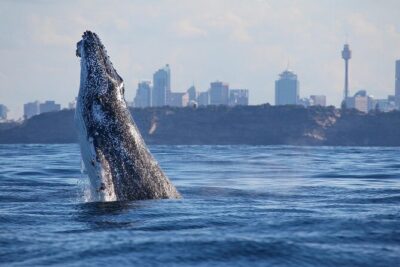
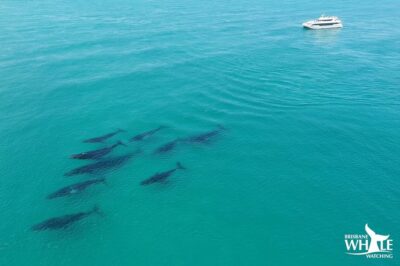
Brisbane Whale Watching Cruise from Redcliffe or Sunshine Coast
Read our review →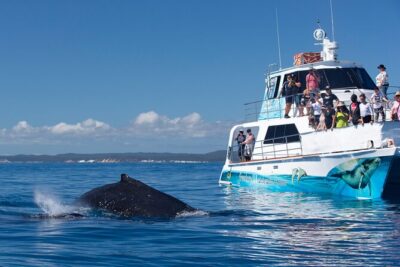
Freedom 3/4 Day Hervey Bay Premium Whale Watching Cruise
Read our review →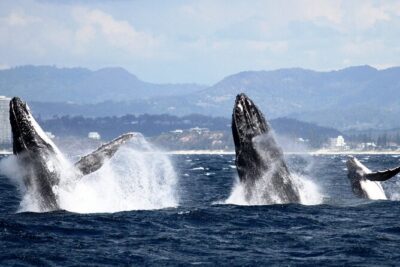
Sydney Whale-Watching Cruise Including Lunch or Breakfast
Read our review →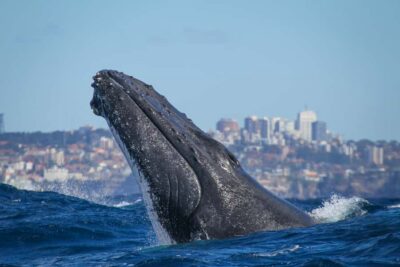
Lists this trip appears in