
Review · NORWAY
Andenes: Responsible Whale Watching with Classic Catamaran
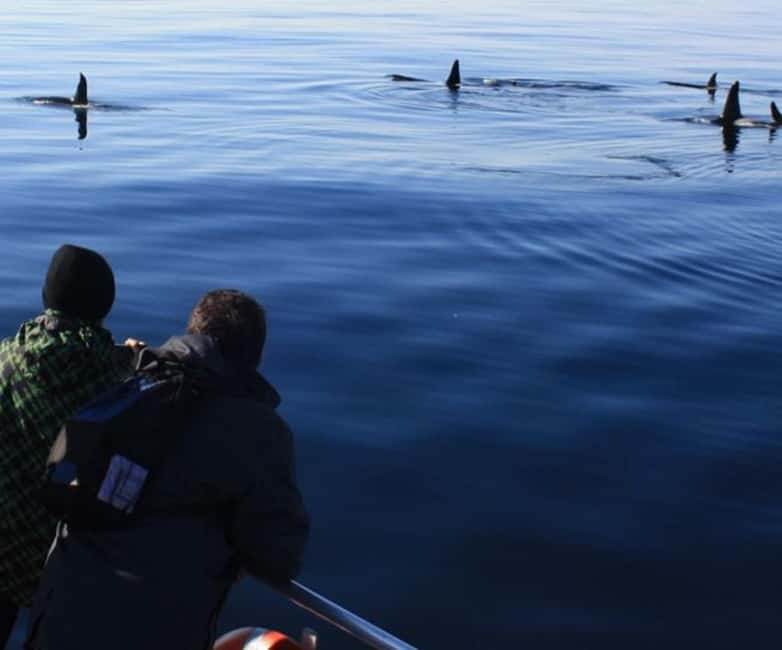
The best part of this Andenes trip is the waiting: the boat slows, the Arctic sea goes quiet, and you scan the water for a dark back or a sudden blow. Then a whale may surface beside the catamaran. Marine biologists and local guides help turn that fleeting sight into something you can understand, not just photograph.
I like the heated indoor cabin with soup and hot drinks, a small comfort when the sea turns cold. I also like the Whale Pass, which lets you rebook free if no whales or dolphins are seen. The catch is simple: this is a real ocean outing, not a guaranteed wildlife show. Rough water can make the ride tiring, and one French traveler found that fast English commentary was hard to follow.
Key points to know before you sail
- Whale Pass protection: If no whales or dolphins are seen, you can join another tour free, subject to availability.
- A serious search at sea: The boat may spend 3 to 5 hours following recent whale activity, with the route changing each day.
- Warm shelter onboard: Hot soup, bread, tea, coffee, biscuits, and heated indoor seating make the cold easier to manage.
- Strong guide team: Local crew and marine biologists explain whale behavior, seabirds, and responsible wildlife watching.
- Andenes harbor setting: Check in at the black reception container beside the red harbor buildings, near the Senja ferry.
- Prepare for motion: Warm layers, waterproof shoes, gloves, and seasickness prevention are not optional extras here.
Setting out from Andenes Harbor
Your tour begins at Østre Havn in Andenes, on the northern coast of Norway. Look for the black reception container beside the large red harbor buildings. The Arctic Whale Tours sign is on the red harbor building, close to the Andenes to Gryllefjord ferry.
You need to check in one hour before departure. That early arrival matters because the crew has a safety briefing to give, and the sea does not wait for late arrivals. Parking is available a few meters from the reception, but spaces are first come, first served.
The meeting point is practical rather than postcard-pretty. You are at a working harbor, close to ferry traffic and the water, which gives the trip a useful sense of place. Andenes is not merely a launch pad for a whale excursion. The harbor connects the island of Andøya with Senja, and the boat heads from this active northern port toward open Arctic water.
At least 15 people are required for the boat to depart. The information provided does not give a maximum group size, so if having a very small boat is important to you, ask before booking.
More Catamaran Whale Watching in Norway:
- From Funchal: Ecological Catamaran Dolphin Whale Watching
★ 4.5 · 8,204 reviews - Funchal: Dolphin and Whale Watching Catamaran Cruise
★ 4.5 · 5,697 reviews - Costa Adeje: Whale Watching Catamaran Tour with Drinks
★ 4.7 · 3,653 reviews
What the classic catamaran feels like at sea
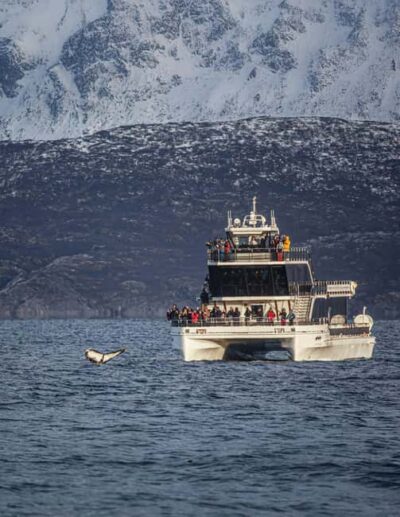
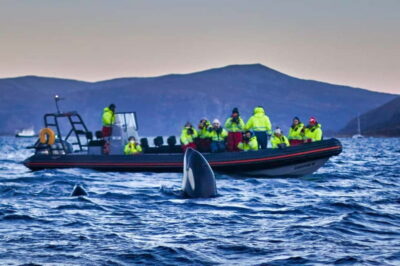
Once everyone is aboard, the crew covers safety procedures and life vest use. The boat is designed for stable wildlife viewing, with an outdoor deck and a heated indoor cabin. That combination is important in northern Norway, where the air can feel cold even on a clear day.
I would treat the indoor cabin as a useful base, not the main event. You can warm up, eat, and make a hot drink there, then step outside when the crew spots activity. The outdoor deck gives you a better chance of seeing a whale surface, but it also exposes you to wind, spray, and cold.
The boat is described as wildlife-friendly, and the guides explain responsible viewing during the trip. That means the focus is on watching animal behavior without touching marine life or treating the encounter like a stunt. Drones are not allowed, and smoking, alcohol, drugs, and intoxication are prohibited.
A catamaran can make the ride more comfortable than a narrow vessel, but it cannot remove the motion of the open sea. If you are prone to seasickness, take preventive medication before departure rather than waiting until you feel ill. This is one of the most useful preparations you can make.
Searching the Arctic water for whales
The main part of the excursion is a moving search. The crew uses recent sightings, whale movements, and sea conditions to decide where to go. The route is not a fixed loop with timed stops, so the exact experience changes from one departure to the next.
That uncertainty is part of the appeal. You are not being driven to an aquarium or a feeding platform. You are looking for wild animals in their own environment, and the crew has to work with weather, visibility, and the animals’ choices.
The search may last 3 to 5 hours. The advertised duration is four hours, but the longer range is worth taking seriously when planning your day. A whale can surface briefly and then disappear, so the crew may remain in an area when conditions and wildlife activity make continued searching sensible.
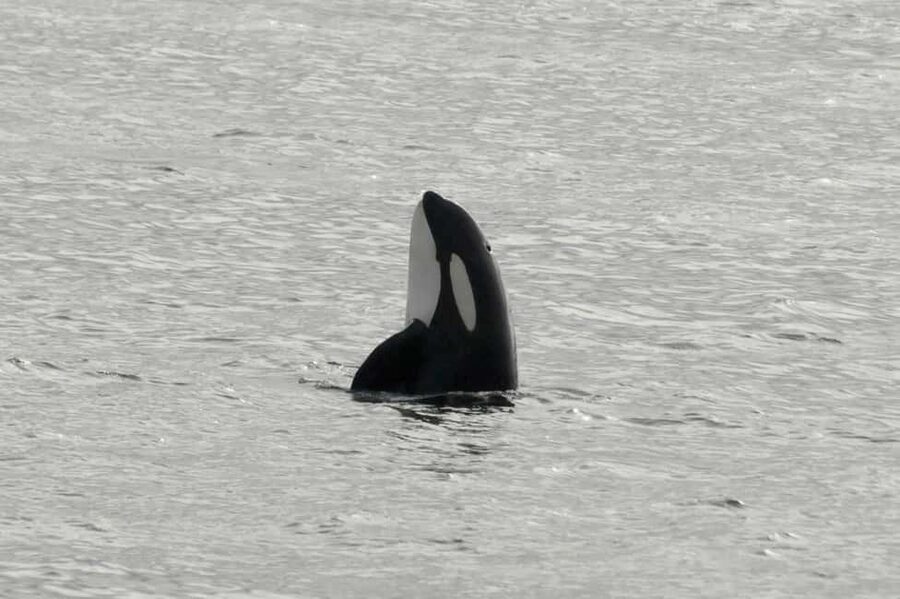
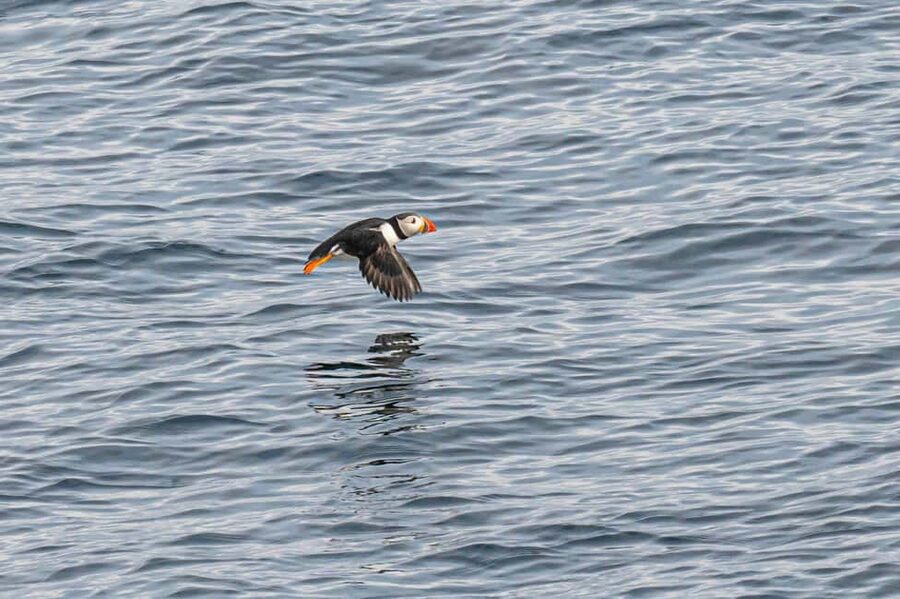
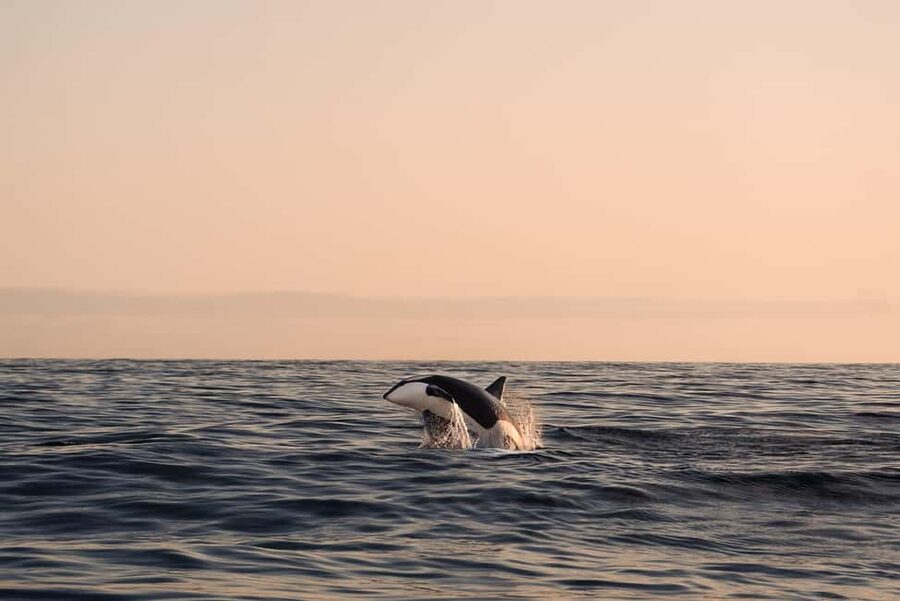
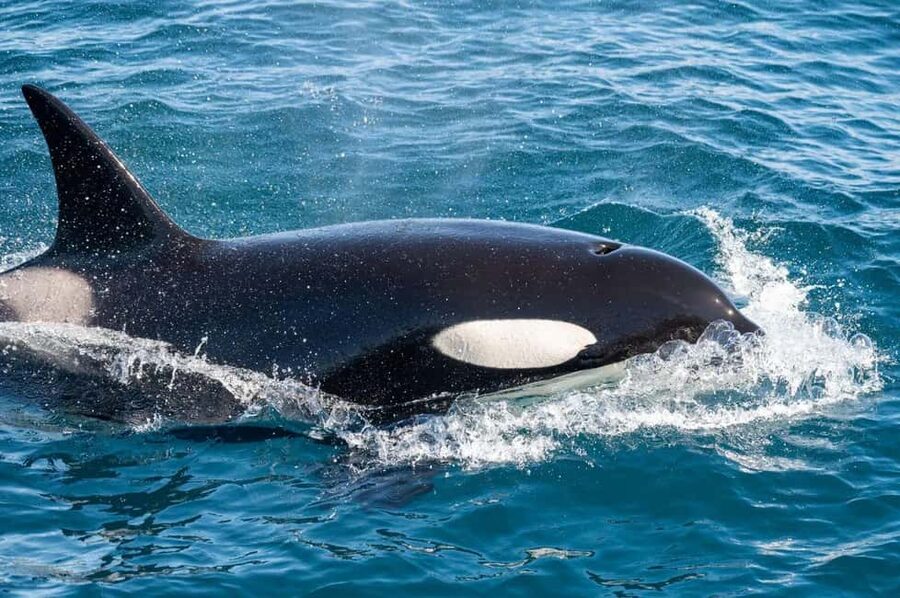
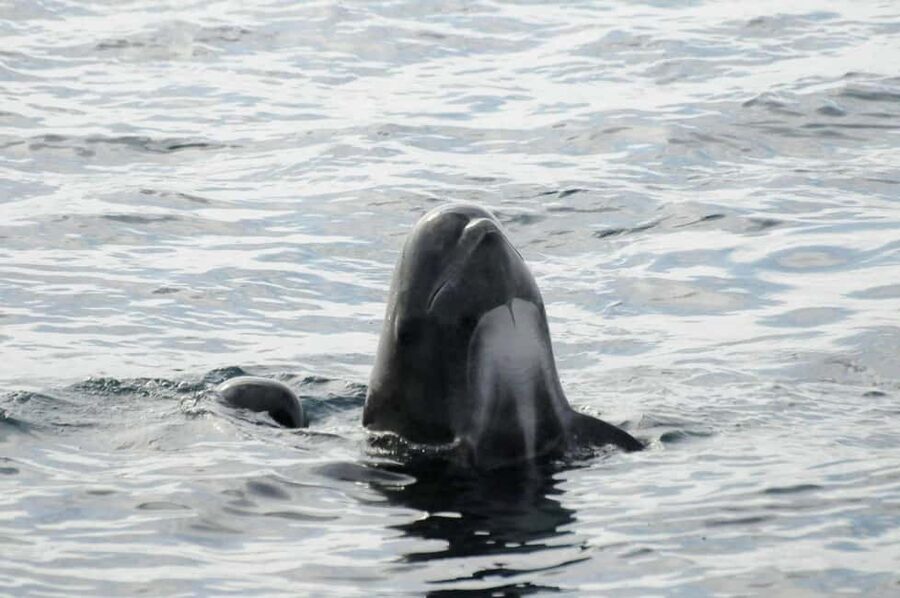
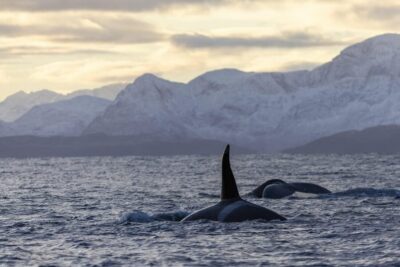
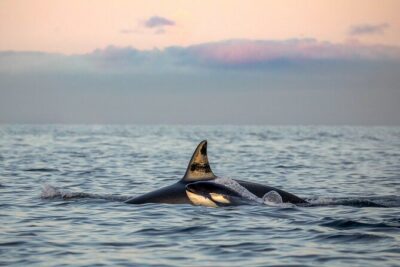
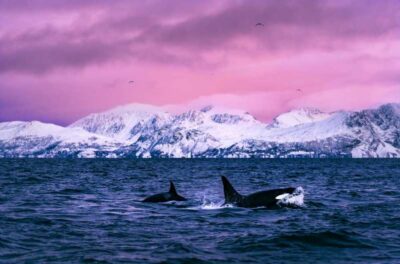
Sperm whales are an important possibility. You might also see orcas, dolphins, puffins, sea eagles, and other seabirds. Nothing is promised on a particular departure, and the Whale Pass applies if no whales or dolphins are seen. That gives you some protection against the biggest disappointment, but it does not guarantee the same weather, boat conditions, or wildlife on a second attempt.
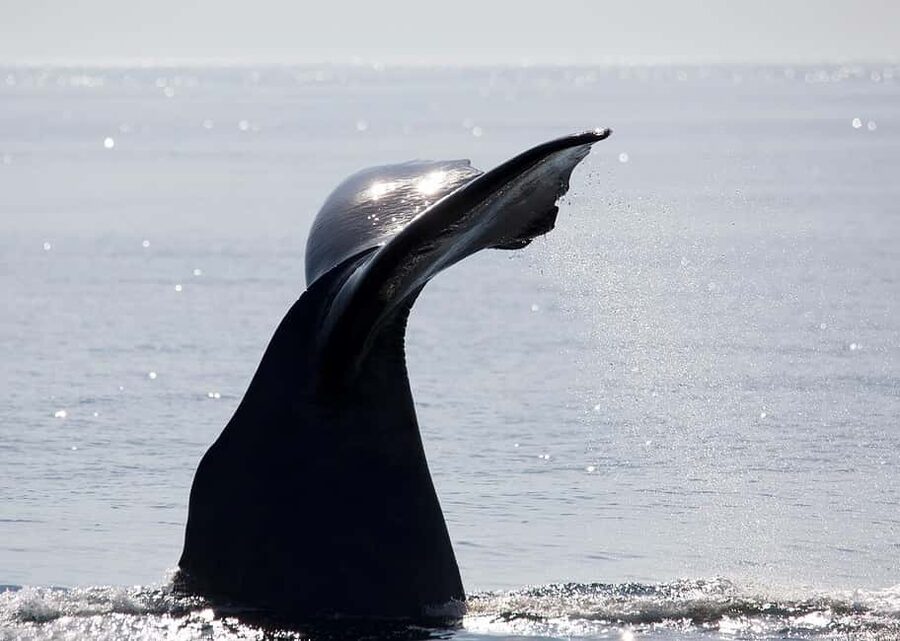
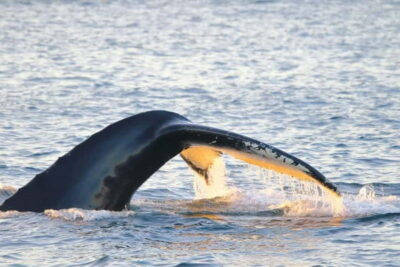
The most rewarding moment may be brief. A blow, a back, a tail, or a pod moving across the water can appear without warning. Keep your eyes moving and listen to the crew. Standing in one place with a camera raised can mean missing the animal that surfaces behind you.
Marine guides who add meaning to the sightings
The tour is led in English by local crew and marine biologists. Their role is more than pointing toward a whale. They explain the marine ecosystem, whale behavior, and the reasons for keeping wildlife encounters responsible.
That context makes a difference. A whale surfacing beside the boat is thrilling on its own, but knowing what you are looking at helps you appreciate the behavior. The guides also help you sort distant shapes from genuine sightings, which is useful when the sea is busy with waves and glare.
The crew received especially warm praise for its subject knowledge and handling of a rough-sea outing. One French-speaking guide helped explain the different types of whales to a French passenger, a valuable touch for anyone who is more comfortable asking questions in French.
The main language is English, and one passenger found that a guide spoke too quickly to follow easily. If your English is limited, you may miss some of the commentary. You can still watch the animals, but the educational side of the trip will be less complete. Ask the crew to repeat key points if needed.
More whale trips worth the boat ride around Norway:
- Tromsø: Whale Watching Tour by Hybrid-Electric Boat
★ 4.5 · 4,217 reviews - Tromsø Whale Safari with MS Gabriele
★ 4.3 · 1,937 reviews - From Tromsø: All-Inclusive Whale & Orca Safari
★ 4.5 · 1,221 reviews - From Tromso: Whale Watching in Magic Skjervoy
★ 4.7 · 1,207 reviews
Soup, coffee, and a sensible warm-up
A light meal is served onboard: hot soup, fresh bread, tea, coffee, and biscuits. It is not a gourmet meal, and you should not book this trip for the food. Its value is practical. A warm bowl and a hot drink can make a cold spell on deck much easier to handle.
The soup has drawn mixed enthusiasm. One passenger described it as an instant vegetable broth and suggested that the food could be improved. I would bring a small extra snack if you have particular dietary needs, since the supplied information does not list alternatives or ingredients.
The heated cabin also gives you a place to recover from wind and spray. You can warm your hands, eat, and watch through the windows before heading back outdoors. That makes the boat more usable for families and for anyone who cannot stay on the viewing deck for the full trip.
Dress as if the weather will be worse than it looks at the harbor. Bring thermal clothing, a hat, gloves, rain gear, warm layers, and waterproof shoes. Binoculars are useful, though not required. Ordinary city clothing will not be enough for several hours on Arctic water.
Rough seas, changing weather, and the Whale Pass
A whale safari is always weather-dependent, and this one is no exception. The trip may be canceled or rescheduled at short notice if conditions are unsafe. The duration can also change based on the weather and the location of the whales.
That means you should avoid booking this as a tight connection before a flight, ferry, or other fixed appointment. The boat normally returns to the same harbor, but the 3 to 5 hour time range gives the crew room to respond to conditions and wildlife activity.
The Whale Pass is the strongest practical feature of the booking. If no whales or dolphins are seen, you receive a free rebooking, subject to availability. It does not cover every possible disappointment. You might see only distant wildlife, or you might see seabirds but no whales. The stated policy concerns seeing no whales or dolphins, so ask the operator how it applies if the sighting is brief or very far away.
The policy also depends on another departure being available. It works best if you have a flexible schedule in Andenes. If you are passing through for one night, a free rebooking may be impossible to use.
Is $183 a fair price?
At $183 per person, this is not a cheap harbor ride. I think the price is easier to justify if you value the full guided experience rather than only the chance of a photograph.
Your fee covers the whale-watching trip, local crew, marine biologists, safety equipment, life vests, heated indoor seating, outdoor viewing space, and the onboard food and drinks. The Whale Pass adds real value because it reduces the risk of paying for a trip with no whale or dolphin sighting.
The price also reflects the time involved. You may be at sea for up to five hours, not just taking a short cruise around the harbor. The crew is searching in open water and adjusting its route instead of following a fixed sightseeing circuit.
Still, the cost will feel high if your main goal is a guaranteed close-up. No responsible wild-whlife operator can offer that guarantee, and the experience depends on the animals. I would consider it good value for a wildlife-focused day in Andenes, especially if you can stay long enough to use the Whale Pass if needed.
Transportation to the meeting point is not included. You need to reach the harbor yourself, and personal expenses, travel insurance, and seasickness medicine are also your responsibility.
Who should book this Andenes outing?
This trip suits you if you enjoy patient wildlife watching and can accept uncertainty. Photographers, bird-watchers, families with older children, and anyone interested in Arctic marine life should find plenty to focus on, even during the search.
It is also a good choice if you want interpretation from people who work with the local sea. The guides connect the whale sightings with the wider ecosystem, including seabirds and marine conditions.
I would think twice if you are highly prone to seasickness. The crew strongly advises preventive medicine, and a rough sea can turn a promising outing into a long uncomfortable morning. Pregnant women, babies under one year, and people with mobility impairments are listed as unsuitable for this experience.
The tour is family-friendly in general, but the cold, boat motion, long duration, and need to watch carefully may be demanding for very young children. Oversize luggage is not allowed, so bring only what you can manage comfortably onboard.
Booking, cancellation, and practical timing
You can cancel up to 24 hours before departure for a full refund. Reserve now and pay later is available, which helps if your northern Norway schedule is still shifting.
The tour is conducted in English. Check in one hour early at the black container, and allow extra time to find parking if you are driving. If you use a wheelchair or service animal, notify the operator in advance. The supplied information does not promise full accessibility, and mobility impairments are listed as unsuitable.
Bring medication for motion sickness, but do not rely on the cabin to keep you comfortable if the sea is rough. Wear waterproof footwear and layers you can adjust. A dry pair of gloves can be more useful than an extra sweater.
Should you book the Andenes whale safari?
I would book this tour if seeing wild whales is high on your Norway plans and you can give the sea enough time. The marine biologists, local crew, heated cabin, and Whale Pass make it more reassuring than a bare-bones boat trip.
I would not book it as a quick add-on between fixed connections, or if you need calm water and a guaranteed sighting. Choose a day when you can handle a 3 to 5 hour outing, prepare properly for cold and motion, and stay in Andenes long enough to rebook if the sea comes up empty.
The real reward is not simply a whale beside the boat. It is the chance to watch wild Arctic life with people who understand the water, then warm up with soup while the search continues.
FAQ
Where does the whale-watching tour leave from?
Meet at the black reception container beside the large red harbor buildings at Andenes Harbor. The meeting point is near the Andenes to Gryllefjord ferry, and the Arctic Whale Tours sign is on the red harbor building.
How long does the tour last?
The stated duration is four hours, but the outing typically lasts 3 to 5 hours. Weather and the location of the whales can change the length.
What happens if no whales or dolphins are seen?
The Whale Pass allows you to rebook another tour free of charge, subject to availability. The policy applies when no whales or dolphins are seen.
What wildlife might I see?
The tour searches for sperm whales, orcas, dolphins, and seabirds. Possible birds include puffins and sea eagles.
Is food included?
Yes. The boat serves hot soup, fresh bread, tea, coffee, and biscuits in the heated indoor cabin.
What should I wear?
Bring warm layers, thermal clothing, a hat, gloves, rain gear, and waterproof shoes. Binoculars are useful, and motion sickness prevention is strongly advised if you are prone to seasickness.
Can anyone join the tour?
The experience is not suitable for pregnant women, babies under one year, people with mobility impairments, or people prone to seasickness. You should also notify the operator in advance if you are traveling with a wheelchair or service animal.
Newly added whale trips around Norway
- Tromsø: Whale Watching on hybrid boat with scenic bustrip★ 4.1 · 30 reviews
- Tromsø Whale Safari with MS Keiser Wilhelm★ 4.3 · 161 reviews
- Tromsø: 24hr Northern Lights & Whale Watching Cruise★ 4.9 · 46 reviews
- Tromsø: Orca and Whale Watching comfort heated boat Trip★ 4.8 · 107 reviews
- Tromsø: Responsible Whale Watching Cruise Aboard MS Alba★ 4.7 · 53 reviews
- 24hr Northern Lights & Whale Watching Cruise★ 5.0 · 114 reviews
- Whale Watching RIB Boat Tour in Skjervoy from Tromso★ 4.5 · 102 reviews
- Whale Safari in Tromso★ 4.5 · 63 reviews
Norway Whale Watching Tours, side by side.
Silent Whale Watching by Hybrid-Electric Boat from Tromsø
Read our review →
Bleik: Whale Watching by Speedboat with Puffins and Muffins
Read our review →
Lists this trip appears in