
Review · JAPAN
Naha:Kerama Islands 2 Fun Dive/Whale watching Limited time
The best part of this Naha outing is the fast boat ride across the Kerama Islands, where the day’s sites are chosen around Tokashiki, Zamami, and Aka. Once there, certified divers make two underwater sessions at two or three spots, with time to see fish, turtles, sea snakes, and possibly a small shark. From winter into early spring, humpback whales may appear on the ride home.
I like the practical setup: all equipment, tanks, weights, towels, and a hot shower are included, and the operator runs its own boats. I also like the care taken with cold-weather comfort, including a boat coat, cabin heating, and hot Okinawa soba or oden at lunch. The main caution is the sea itself. Wind or rough water can change the route, cancel the outing, or make the ride uncomfortable for anyone prone to seasickness.
Key points to know
- Two underwater sessions in the Keramas: The usual plan visits two or three sites selected for the day’s conditions and your interests.
- Whale watching is seasonal: It is included on the Kerama route from January into March, but sightings are never guaranteed.
- Only certified divers can join: Bring your C-card and dive log. This is not an introductory lesson.
- A fast boat makes the island hopping possible: The ride is part of the appeal, but it can be bumpy in wind.
- Winter support is unusually thoughtful: A free boat coat, heated cabin, engine warmth, and hot food help on cooler days.
- Naha pickup is limited: Hotel pickup and return apply within Naha city. Other locations require a local meeting point.
From Naha harbor to the Kerama blue
This is a full seven-hour day, not a quick harbor outing. The boat departs at 8:00 AM, and the operator sends the pickup time by email the day before. If you use hotel transfer, wait outside your Naha hotel and keep an eye on your inbox. A missed pickup can mean a missed boat.
The transfer arrangement is simple but limited. Pickup and return are available only within Naha city, so a hotel in another part of Okinawa does not qualify. You can meet locally instead, and a customer parking area is available. Port parking costs 500 yen per day.
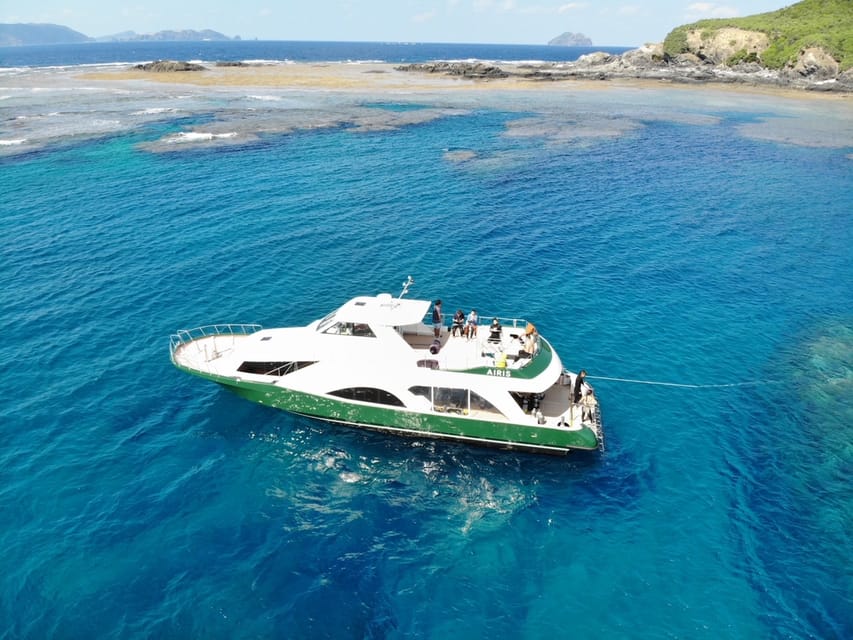
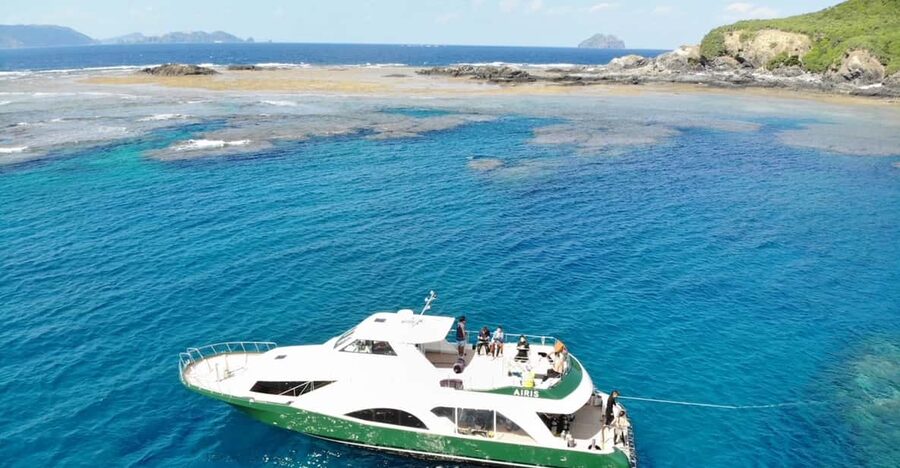
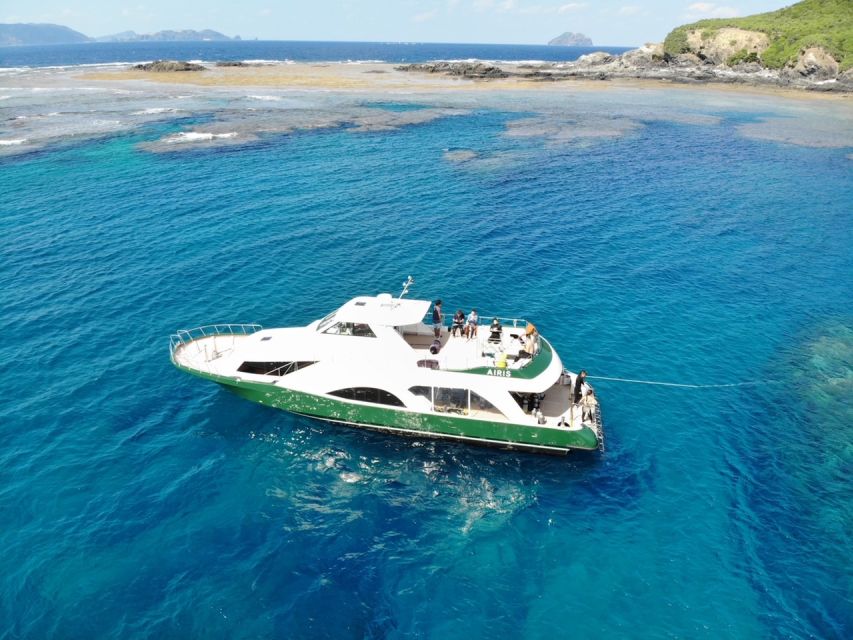
After boarding, you cruise toward the Kerama Islands on a high-speed boat. This is one of the pleasures of the trip. You see other islands from the water rather than simply arriving at a single beach, and the ride gives the day a sense of travel and purpose. It also means you should take seasickness medicine in advance if you need it. The faster boat saves time, but speed does not erase waves.
The service uses two company-owned boats. That gives the staff more room to adjust the plan around sea conditions and to select sites that suit the group. It does not guarantee a particular island or reef. The final route can change suddenly because of wind, visibility, or safety.
More whale trips worth the boat ride around the world:
- Tenerife: Eco-Yacht Whale and Dolphin Watching and Swimming
★ 4.7 · 15,619 reviews - Los Cristianos Respectful No-Chase Whale and Dolphin Safari
★ 4.6 · 12,782 reviews - Reykjavík: Whale Watching and Marine Life Cruise
★ 4.6 · 9,838 reviews
Choosing two or three Kerama sites
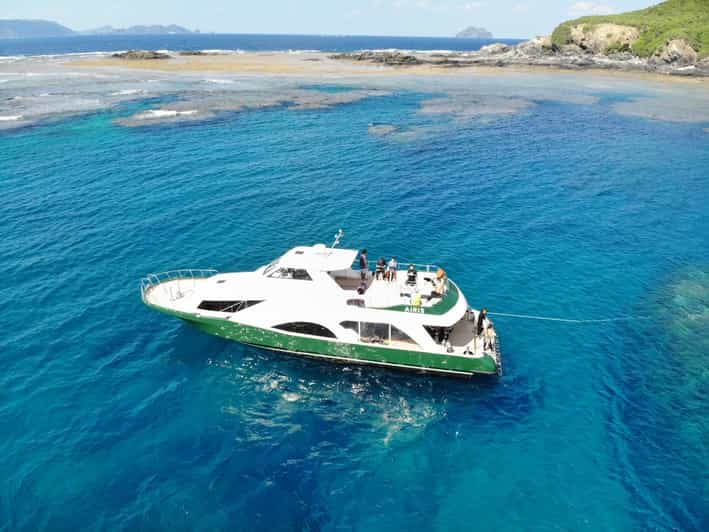
The operator guides mainly around Tokashiki Island, Zamami Island, and Aka Island. Chibishi Islands are not included, so check the route if that area is a priority for you.
The plan is built around two certified scuba sessions, with two or three sites chosen on the day. The staff say they can respond to requests for large fish, small fish, or underwater terrain, so write your preference in the booking comments. That will not force a certain site, but it gives the instructors useful information when making the plan.
This flexibility is valuable in Okinawa. A site that looks perfect on a map may not be suitable on a windy morning. The guide can select a calmer or more enjoyable location rather than following a rigid schedule. For you, the tradeoff is that the exact highlights remain uncertain until departure.
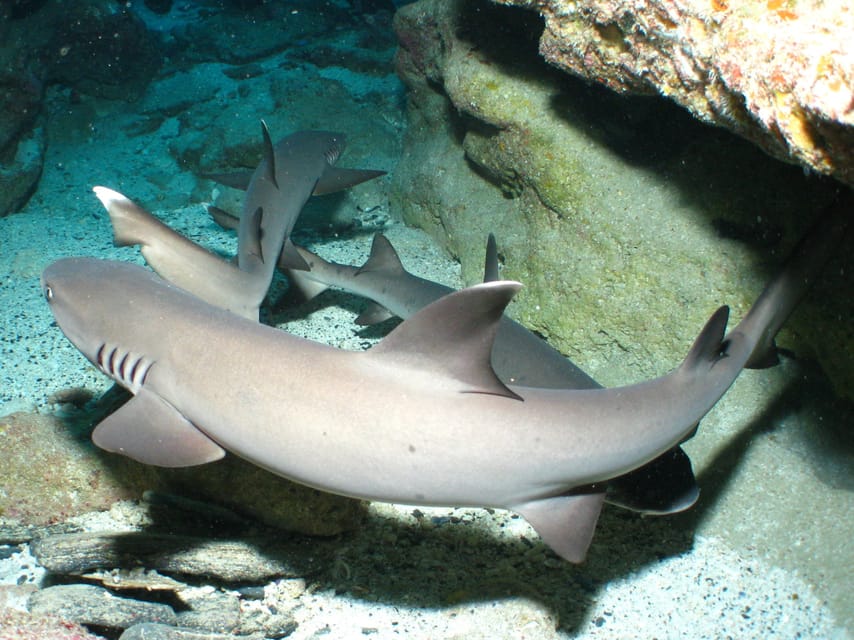
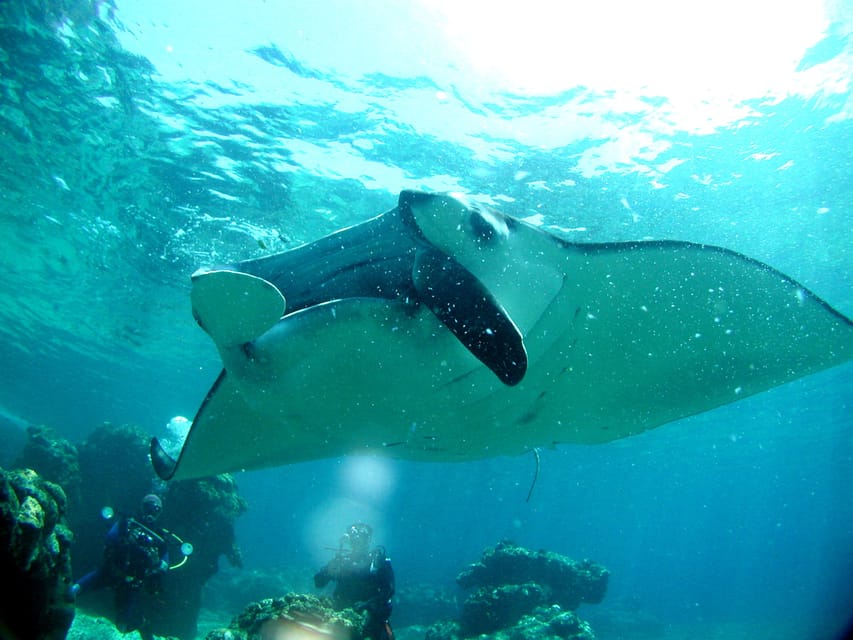
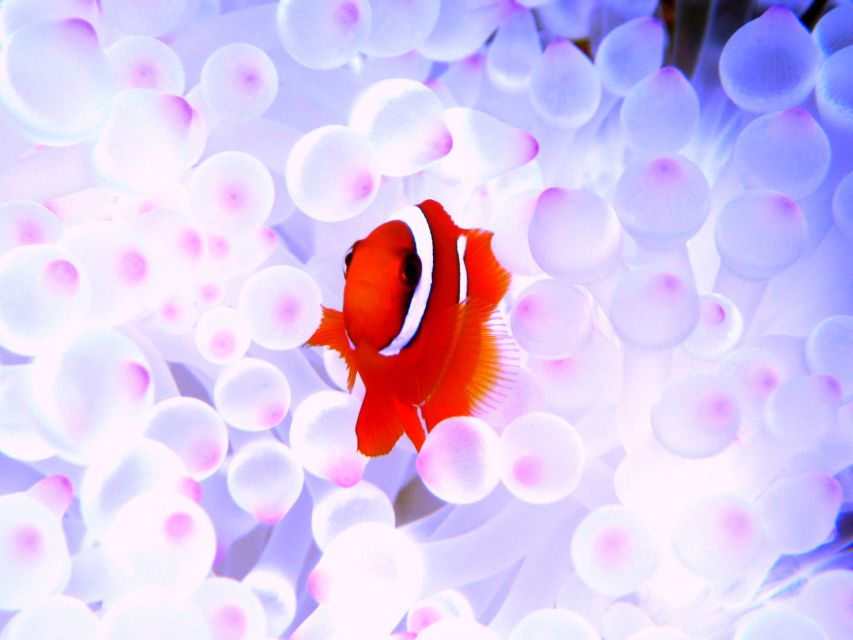
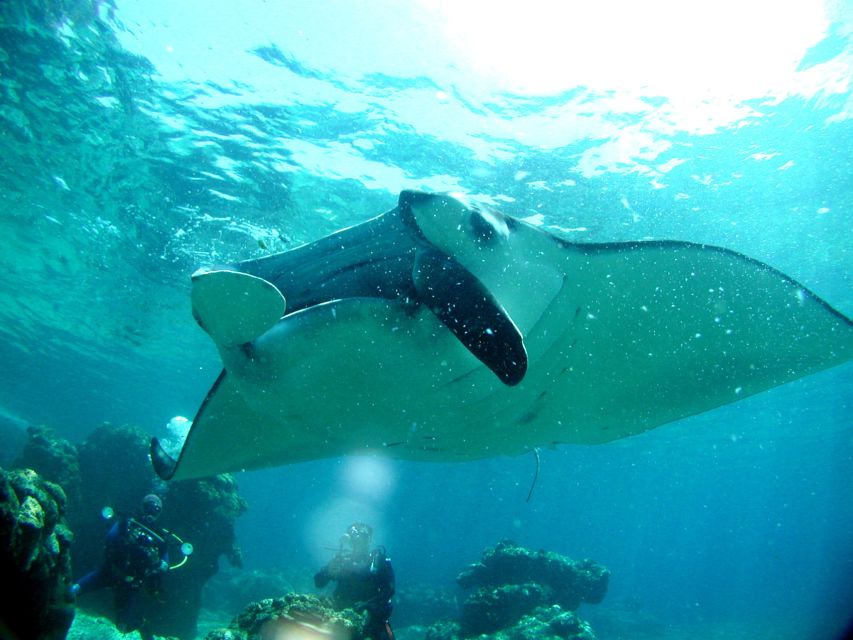
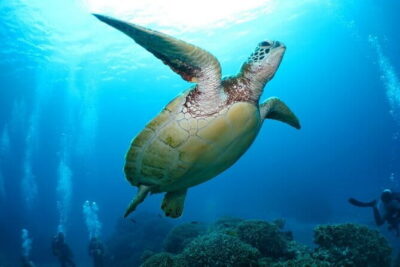
The underwater life can be varied. You might see schools of small fish, a sea snake, a turtle, or a small shark. The clear blue water is a major attraction, though visibility depends on the day. The trip is not designed around one guaranteed animal encounter. Go for the chance to see a broad mix of marine life, not a promised shark or turtle.
The staff also say they can support people returning to the sport after time away. That is useful, but do not mistake it for a beginner course. You need a C-card, and the tour is not suitable for uncertified participants.
What the two underwater sessions are like
The point of this outing is quality time at several Kerama sites, rather than a single short swim. A certified diver can use the first session to settle into the water and the second to enjoy the setting with more confidence. A third site may be part of the day’s plan, depending on conditions and timing.
The instructors adjust guidance to your level and can answer questions about fish, large animals, and underwater formations. Solo participants can join, which makes this a useful option for people whose companions do not scuba. English and Japanese support are available.
The operator provides full rental equipment, including tanks and weights. You still need to bring your certification card and dive log. If you prefer a particular mask, computer, or other personal item, bring it, since the included equipment is standard rental gear.
A rental camera is available by reservation. The information provided lists a 2,000 yen charge for a camera memory card, although you can bring your own card. A GoPro with an SD card costs 3,000 yen. Reserve any camera early rather than waiting until the morning of departure.
A recent itinerary pattern included two morning scuba sessions followed by snorkeling after lunch. Snorkeling should be treated as a possible part of the day, not as a guarantee for every departure, since the route and schedule can change. The boat also has a 4-meter jumping point for those who want a brief splash from the boat. Ask the staff about this activity on the day and follow their safety directions.
Touching marine life is not allowed. That rule matters in a place where animals may come close. Keep your hands to yourself, and let the guide manage the distance.
Cold-season comfort and the whale route
Winter in Okinawa is milder than many people expect, with an average outside temperature around 20°C. The water around the Keramas is said to remain at about 22°C, so the sea can feel warmer than the air when you first return aboard.
The operator uses a 5mm one-piece suit with a 3mm hooded vest underneath. A boat coat is free, and the cabin and engine heaters are used to keep the interior near 25°C. Lunch can include hot Okinawa soba and oden. If you usually get cold after getting out of the water, tell the staff when booking because extra cold-weather gear is limited.
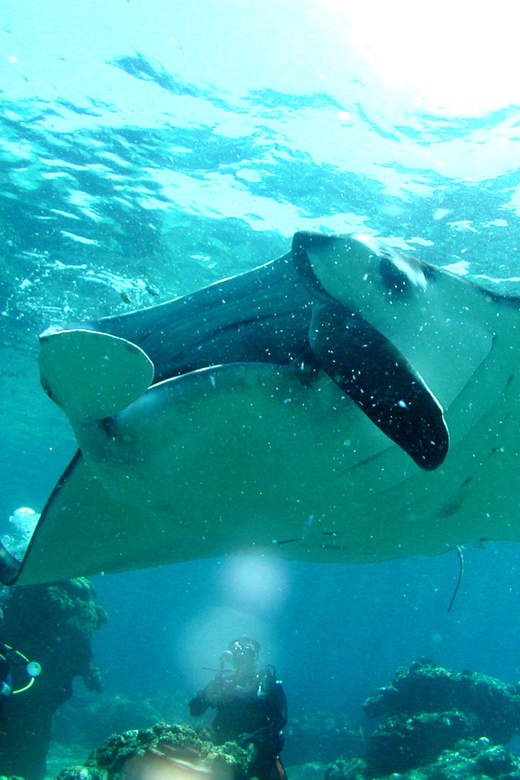
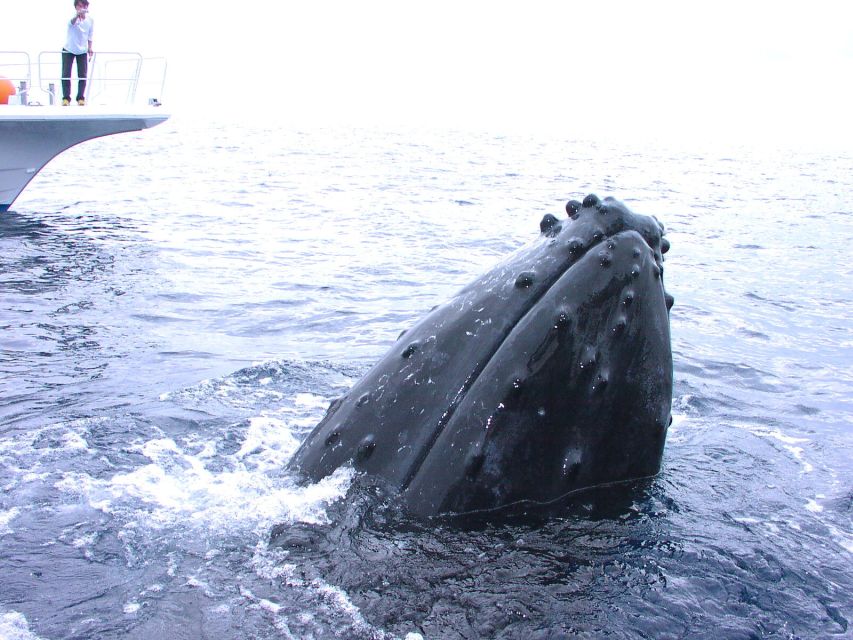
From January into March, whale watching is included on the Kerama route. Humpback whales pass through these waters, and the boat may stop or alter its course if the crew spots activity. One reported outing saw whales on the return to Naha, along with two scuba sessions and snorkeling.
There is a date inconsistency in the supplied details. Several notices say whale service begins January 12, while another practical note lists January 15 through March 31. Confirm the exact seasonal dates before paying, especially if whale watching is the main reason you are booking. Even during the stated period, bad weather or sea conditions can prevent a sighting.
Whale watching is a welcome extra, not a promise. You should book this primarily for the Kerama water and treat whales as a bonus. That approach keeps the day worthwhile if the animals stay out of sight.
Same migration, a different deck:
- From Funchal: Ecological Catamaran Dolphin Whale Watching
★ 4.5 · 8,204 reviews - Juneau Wildlife Whale Watching
★ 5.0 · 7,379 reviews - Juneau Wildlife Whale Watching & Mendenhall Glacier
★ 5.0 · 6,236 reviews - Funchal: Dolphin and Whale Watching Catamaran Cruise
★ 4.5 · 5,697 reviews
Summer extras and New Year traditions
The tour changes character with the season. In August and September, shaved ice is available. It is a small detail, but a welcome one after time in the sun and salt water.
On January 1, the operator holds a traditional mochi-pounding event with all-you-can-eat mochi. The information says this applies to people ordering lunch. The first scuba session and mochi event are planned for that day, so New Year’s Day can be a particularly distinctive time to go.
The operator also accepts requests for birthdays and commemorative outings. Mention the occasion when booking. The staff can plan special touches, but the exact arrangements are not specified, so ask what can be provided before assuming a particular setup.
Free swim-ring rental is available with a reservation. This is more useful for a snorkeling or surface-swimming portion than for the certified underwater sessions. Reserve it ahead of time because the supply is limited.
Lunch, facilities, and what the price covers
At $140 per person, the value depends on what you would otherwise need to rent and arrange separately. The price includes the boat trip, two or three selected Kerama sites, full scuba equipment, tanks, weights, towel, tea, changing room, hot-water shower, toilet, and boat coat. Naha-city transfer is also included when available.
That package is fairly substantial for a seven-hour marine outing. You are not paying only for boat access. Tanks, weights, rental gear, transport, and post-session facilities can quickly add up when booked separately.
Lunch needs attention. The instructions list a packed lunch among the items to bring, while the cold-weather information describes hot Okinawa soba and oden, and the New Year mochi event applies to people ordering lunch. Clarify the lunch arrangement before departure so you know if food is supplied, ordered, or something you need to carry.
Camera extras are not part of the base price. Budget 3,000 yen for a GoPro with an SD card, or 2,000 yen for a rental camera memory card. You may bring your own card. Bring sunglasses, swimwear, spare clothes, sunscreen, personal medicine, your C-card, and your dive log.
The boat includes a changing room, shower, and toilet, which makes the long day easier. A towel and tea are included, too. You should still pack dry clothes for the return ride, especially in winter when wet swimwear becomes uncomfortable quickly.
Who should book this Kerama outing
This is best for a certified diver who wants a practical full-day trip from Naha and prefers a guide to handle the site choices. It suits solo participants, people returning after a break, and divers who want the chance to request big fish, small fish, or terrain.
It also works well for someone planning a seasonal trip. Winter brings the possibility of humpback whales and strong cold-weather support. August and September bring shaved ice. January 1 adds mochi pounding, though that date is a special event rather than the normal format.
The tour is not suitable for children under 10, pregnant people, uncertified divers, or people with a range of listed health concerns, including heart, respiratory, kidney, blood-pressure, seizure, diabetes, and recent-surgery issues. It is also not suitable for wheelchair users, people with mobility limitations, people with vertigo, or people with visual impairment. A parent or guardian’s consent is required for minors who do meet the age requirements.
You should also think about the boat ride. Anyone with serious seasickness concerns needs to prepare before boarding. Wind may change the route or cancel the trip, and a high-speed boat can still feel rough.
Is the $140 price fair?
I think the price is reasonable if you need rental equipment and Naha transport. Two underwater sessions, a full boat day, tanks, weights, towels, a shower, and seasonal extras give you more than a basic snorkel transfer.
The value is weaker if you already have your own boat access and gear, or if your main goal is guaranteed whale watching. No marine wildlife encounter is certain, and the exact sites depend on conditions. You are paying for access, staff support, equipment, and the chance to experience the Keramas in a well-organized way.
The current overall score is 3.9 out of 5 from 12 ratings. The strongest praise centers on professional organization, caring staff, clean equipment, good sites, and included photographs. The most memorable wildlife possibilities include small sharks, sea snakes, turtles, and whales seen from the boat. Those strengths are meaningful, but the modest overall score also suggests you should read the conditions carefully and keep expectations realistic.
Should you book it?
Book this tour if you have a C-card, want two underwater sessions around the Keramas, and value having equipment, Naha transfer, towels, showers, and staff support bundled into one day. It is especially appealing from January through March if you would enjoy adding whale watching to a certified scuba outing.
Skip it if you need a beginner lesson, guaranteed whales, wheelchair access, or a fixed destination. Before confirming, ask about the exact whale dates, lunch, pickup time, and camera availability. If the sea forecast is uncertain, keep your schedule flexible. For a certified diver who wants clear Okinawan water, varied marine life, and a boat day with useful practical support, this is a solid choice.
FAQ
Do I need a scuba certification?
Yes. You must have a C-card to participate, and you should bring your certification card and dive log.
How long does the tour last?
The activity lasts about seven hours. The boat departs at 8:00 AM, and the exact pickup time is sent by email the day before.
How many Kerama sites will I visit?
The plan visits two or three sites around Tokashiki Island, Zamami Island, or Aka Island. The crew selects the final locations according to conditions and the group’s requests.
Is whale watching included?
Whale watching is included on the Kerama route during the winter season. The supplied information gives different start dates, January 12 in one notice and January 15 in another, with service continuing into March. Confirm the exact dates when booking, and remember that sightings are not guaranteed.
Is hotel pickup available?
Pickup and return are available within Naha city. If you stay outside Naha, you need to meet and finish at the local meeting point. Provide your hotel name and address when reserving.
What equipment is included?
Full rental equipment, tanks, weights, a towel, tea, a changing room, a hot-water shower, a toilet, and a boat coat are included. A rental camera requires a reservation, and camera memory cards or a GoPro involve extra charges.
What should I bring?
Bring sunglasses, swimwear, a change of clothes, sunscreen, personal medication, your C-card, and your dive log. The instructions also ask you to bring a packed lunch, so confirm the lunch arrangement before departure.
Can children or uncertified people participate?
Children under 10 and people without scuba certification cannot participate. Minors who meet the age requirement need parental consent. The activity is also not suitable for pregnant people or people with several listed medical, mobility, and accessibility conditions.
Newly added whale trips around the world
- Vancouver Whale Watching Safari★ 4.6 · 45 reviews
- Victoria, BC: 3-Hour Ultimate Whale & Marine Wildlife Tour★ 4.6 · 191 reviews
- Vancouver: Day Trip to Victoria Seaplane with Whale Watching★ 4.5 · 109 reviews
- Vancouver: Open-air Whale Watching Tour, Granville Island★ 4.9 · 51 reviews
- Victoria: Whale Watching Adventure in a Zodiac Boat★ 4.5 · 129 reviews
- Vancouver Island: Whale Watching Tour★ 3.3 · 2 reviews
- Vancouver: Zodiac Whale Watching Tour from Granville Island★ 4.6 · 6 reviews
- Vancouver Island: People Water Land – Indigenous & Whales★ 4.6 · 8 reviews
Japan Whale Watching Tours, side by side.
Naha, Okinawa: Kerama Islands Half-Day Whale Watching Tour
Read our review →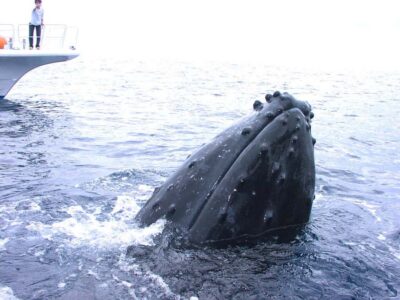
Naha:Kerama Island Experience Dive/Snorkeling/Whale Watching
Read our review →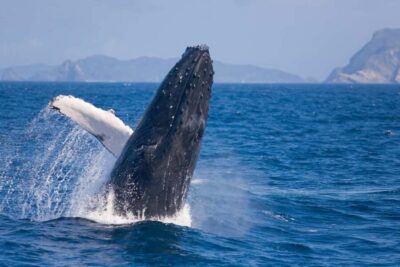
From Naha: Whale Watching with Pickup and English Guide
Read our review →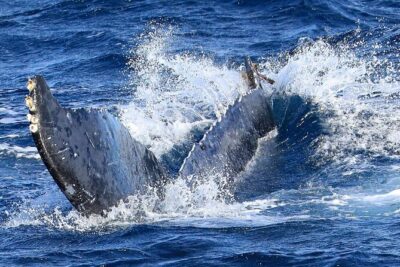
Okinawa:Kerama Islands experience Diving/Snorkeling/WhaleWatching
Read our review →
Naha: “Orca” Spotting Glass Bottom Boat & Sam’s Famous Steak
Read our review →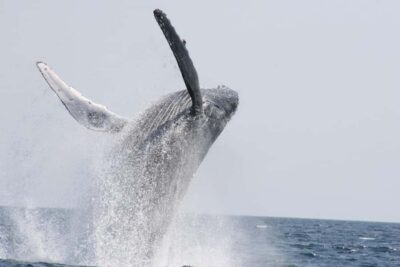
From Naha : Kerama, Tokashiki Island and Whale Watching Tour
Read our review →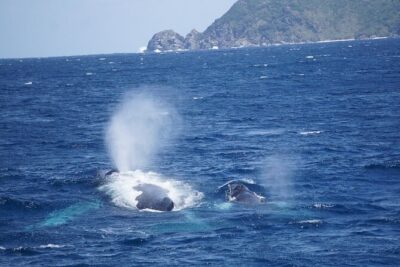
Great Whale Watching at Kerama Islands and Zamami Island
Read our review →Lists this trip appears in