
Review · CANADA
Port Hardy: Sea Otter and Whale Watching
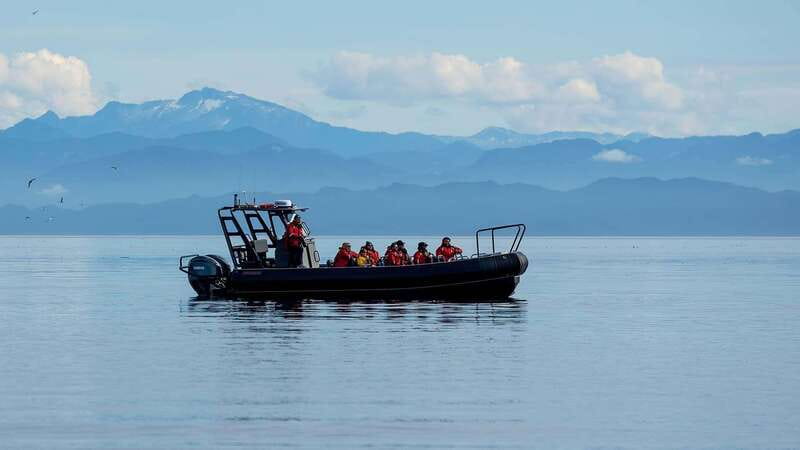
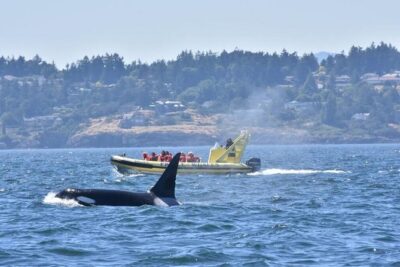
Northern Vancouver Island is one of those places where the trip out matters as much as the animals. From Port Hardy, this 12-passenger RHIB can cover a wide stretch of open water, giving you a better chance of finding whales, sea otters, and other marine life. The custom suspension seats are a real comfort bonus, especially when the boat picks up speed or meets larger waves.
I like two things right away: the crew combines local Indigenous knowledge with practical wildlife guidance, and the equipment is unusually thoughtful for a small boat trip. You get a warm two-piece flotation suit, hat, binoculars, lunch, hot drinks, and an onboard hydrophone. The main drawback is the weather. Fog is common in August, and rough water may not suit anyone with back trouble or a strong tendency toward seasickness.
Key points to know before you book
- A small custom RHIB: The boat carries 12 people and uses individual suspension seats rather than a hard bench.
- Whale sounds as well as whale sightings: An onboard hydrophone lets you listen for whales beneath the surface.
- A long half-day on the water: The outing lasts 330 minutes, so you have time to cover a broad area.
- Warm gear is supplied: You receive a two-piece flotation suit, warm hat, and binoculars, but you should still bring warm clothing.
- Local guidance matters: The trip runs through Kwakwakaʼwakw First Nations traditional lands and waters, with local Indigenous staff and guides.
- A strong wildlife focus: Sea otters, whales, orcas, and other marine animals may appear, but no species is guaranteed.
From Port Hardy into Kwakwakaʼwakw waters
The tour begins at Coastal Rainforest Safaris, at 7185 Market Street in Port Hardy. Arrive 30 minutes before departure. That early arrival is not wasted time: you need to be fitted with your flotation suit and sign a waiver before boarding.
Port Hardy is a practical starting point for this kind of trip. The boat can reach a large area of northern Vancouver Island waters, rather than spending most of the day simply getting to the wildlife zone. That matters because marine animals move on their own schedule. A fast boat gives the guide more room to search.
The setting also has cultural importance. You are traveling through the traditional lands and waters of the Kwakwakaʼwakw First Nations. The local staff and guides add more than animal names and identification tips. They bring a sense of place to the trip, helping connect the water, coastline, and wildlife to the people who have long known this region.
You should think of the outing as a search through a living marine environment, not a ride to a fixed attraction. The crew cannot promise every species, and conditions can change during the day. That uncertainty is part of the experience, but it is also why the wide operating area and skilled local crew matter.
More whale trips worth the boat ride around Canada:
- Vancouver Half-Day Whale Watching Adventure with Free Photos
★ 5.0 · 5,000 reviews - Tadoussac/Charlevoix: Whale Watching Zodiac Tour
★ 4.3 · 2,716 reviews - Vancouver: Covered Whale Watching Adventure with Free Photos
★ 4.8 · 2,260 reviews
Why the 12-passenger RHIB changes the ride
The boat is one of the strongest reasons to consider this outing. It is a custom-made RHIB with room for 12 people, designed for wildlife viewing rather than simple transport.
Traditional zodiac-style boats often use long bench seating. Here, you get an individual seat mounted on a shock-mitigating suspension platform. That design helps soften the repeated jolts that come with speed and waves. It does not turn the trip into a calm lake cruise, but it should make a noticeable difference during a long day on the water.
Several people who took the trip found the seats comfortable even when the boat was moving quickly or crossing larger waves. That is especially useful because 330 minutes is a serious amount of time to spend at sea. A hard, narrow bench can become tiring well before the wildlife search is over.
The boat also has an onboard toilet, a small detail that becomes important on a five-and-a-half-hour excursion. Space is limited, as you would expect on a 12-person vessel, so keep your personal belongings compact and easy to manage.
The boat’s speed is another practical advantage. The crew can cover more water, which improves the odds of finding active wildlife. The tradeoff is that a fast RHIB can feel lively in rough conditions. If you know you get seasick, this is not the place to hope for the best.
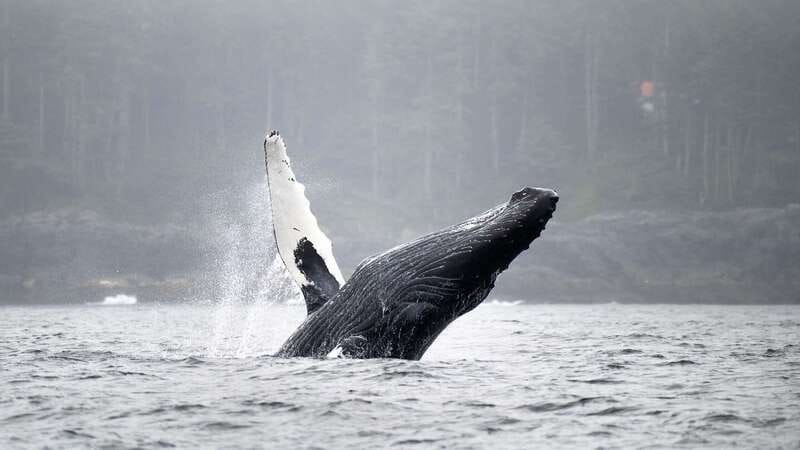
Searching for whales, orcas, and sea otters
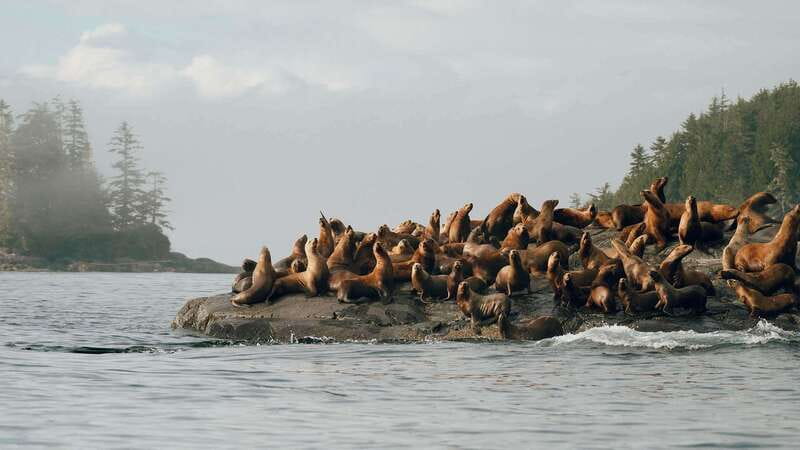
The exact route depends on where animals are active that day. You might spend time scanning the water for whale blows, watching for movement near the surface, or stopping to observe wildlife once the guide locates it.
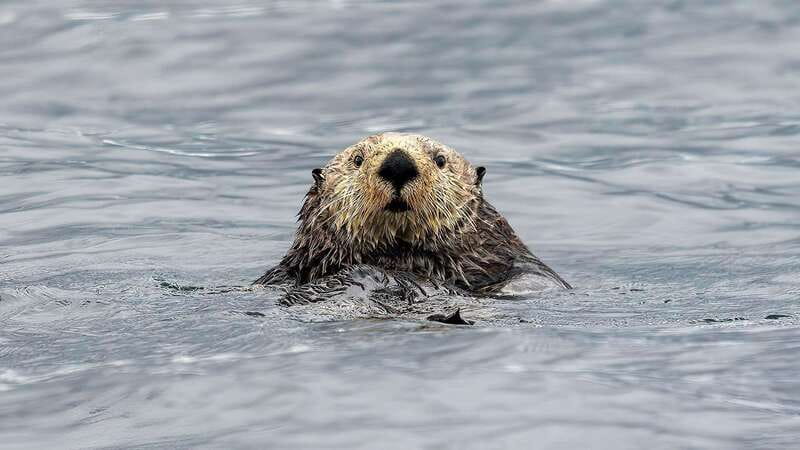
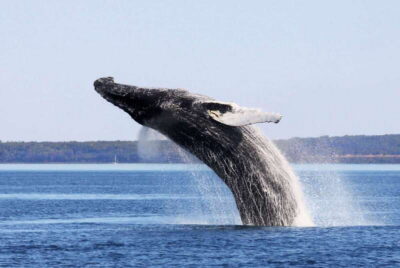
Whales are the main attraction, but the area supports more than one species. Sea otters are a particular highlight, along with orcas and other marine life. The trip is designed to look for a broad range of animals rather than promise a single encounter.
That distinction is important when you book. You may see many animals, as people did on several recent departures, including large groups of orcas. On another day, fog, wind, or animal movement may make sightings harder. No responsible wildlife operator can control those factors.
The guides help turn empty stretches of water into useful viewing time. They explain what to watch for, where to look, and how to approach animals without disturbing them. One guide, AJ, was praised for getting close while keeping the encounter respectful and quiet. That balance is central to a good wildlife trip. You want a clear view, but not at the cost of chasing or crowding animals.
The open water also creates excellent photography chances. You can bring a camera, but prepare for moving subjects, changing light, and spray. Binoculars are provided, which helps you find distant animals before they come close enough for a photograph.
A good tip is to keep your camera ready but avoid watching the whole trip through a screen. The guide may point out something that appears only briefly. Look first, photograph second.
Listening below the surface with the hydrophone
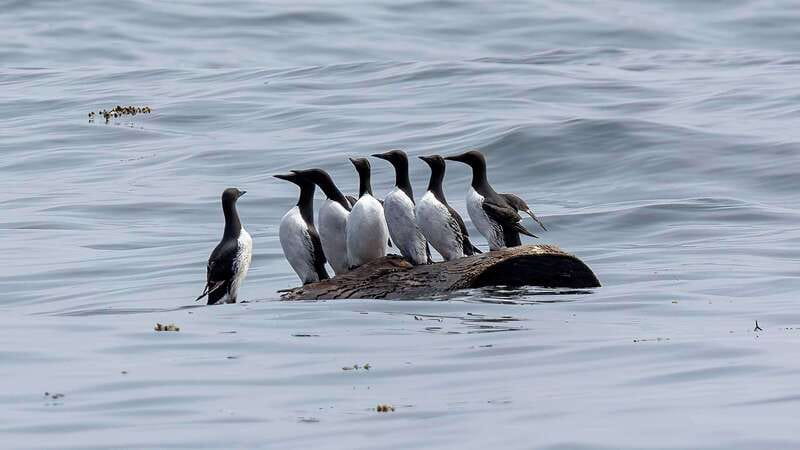
The hydrophone gives this trip an extra layer. Instead of relying only on what you can see, you can listen for whale sounds beneath the boat.
That changes the mood of the outing. A whale may be underwater or beyond the range of your camera, yet the hydrophone can provide evidence that the animals are nearby. You still need patience, since sound does not guarantee a visible whale, but it helps you understand that the marine world continues below the surface.
For families and first-time whale watchers, this is a useful teaching tool. It makes the search more active and gives the guide another way to explain whale behavior. For photographers, it is also a reminder that the best part of a wildlife encounter is not always a perfect frame.
Same migration, a different deck:
- Victoria Half-Day Whale Watching Adventure with Free Photos
★ 5.0 · 2,259 reviews - Tadoussac/Charlevoix: 3-Hour Whale Watching Boat Tour
★ 4.2 · 2,179 reviews - Victoria Whale and Wildlife Cruise
★ 5.0 · 1,729 reviews - Whale-Watching Tour from Vancouver
★ 4.5 · 1,572 reviews
Warm suits, lunch, and what to wear
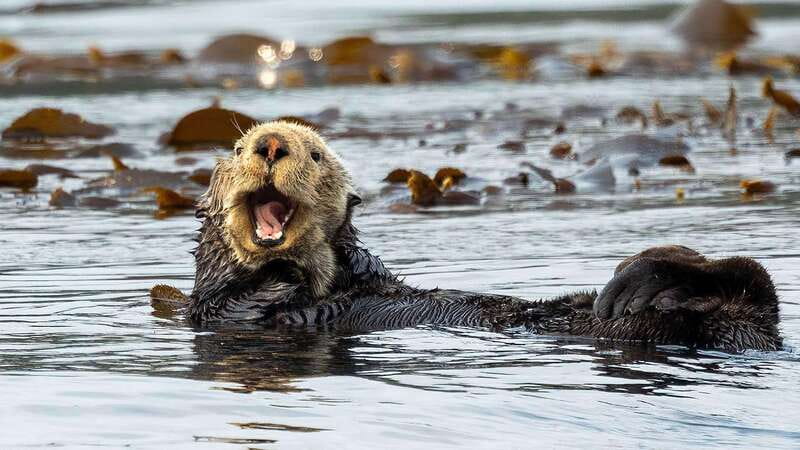
The operator supplies two-piece flotation suits and warm hats. The suits provide insulation and buoyancy, which is reassuring on cool northern waters. They also save you from packing a bulky waterproof outer layer specifically for the trip.
Still, bring warm clothing. The supplied suit is not a substitute for every layer. Wear comfortable clothes underneath, and think in terms of changing conditions rather than the temperature you feel at the dock. Wind on a moving boat can make a mild day feel cold.
Binoculars are included, so you do not need to bring your own. Lunch and hot drinks are also provided. That makes the five-and-a-half-hour schedule easier, since you are not left trying to manage the outing on snacks from your hotel.
The food earned strong marks, but the bigger value is convenience. Once you leave Port Hardy, there are no ordinary café stops. A warm drink and lunch give you a proper break without cutting the wildlife search short.
Do not bring a drone, tripod, pets, or strongly scented products. Smoking is not allowed, and bare feet are not permitted. A tripod is especially impractical on a small moving RHIB, where space and stability are limited.
What the weather can change
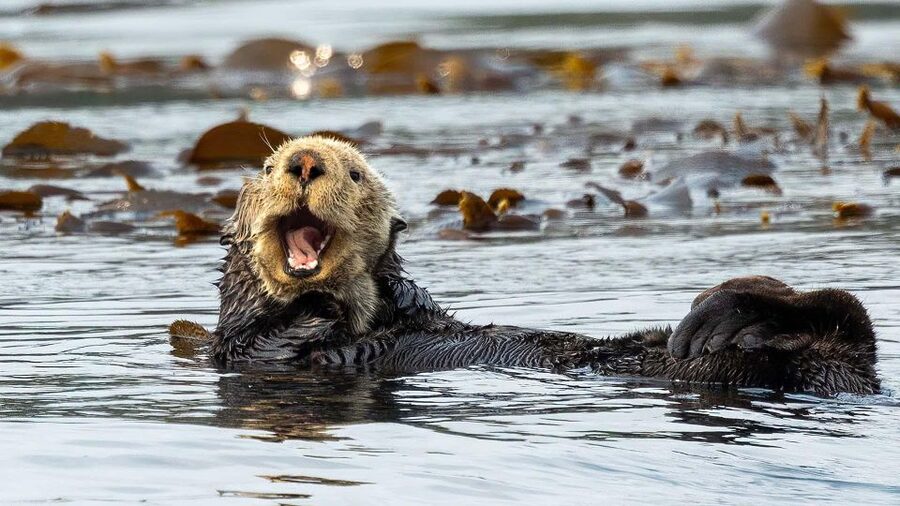
Fog is part of the northern Vancouver Island experience. August has even picked up the local nickname Fogust, and recent trips have had reduced visibility because of it.
Fog can soften the scenery and make the ride feel quiet and remote, but it can also limit how far you can see. A whale surfacing in clear weather may be easier to spot than the same animal appearing in thick mist. If your main goal is photography, keep that risk in mind.
Poor weather does not always mean a poor day. One recent departure had bad conditions but still found many orcas. The crew’s local experience and the RHIB’s ability to cover ground help, but the natural world still sets the rules.
I would not book this as a guaranteed animal checklist. Book it because you want a serious search through a remote marine area, with a real chance of memorable sightings. That mindset makes the trip more rewarding when conditions change.
Comfort, seasickness, and physical demands
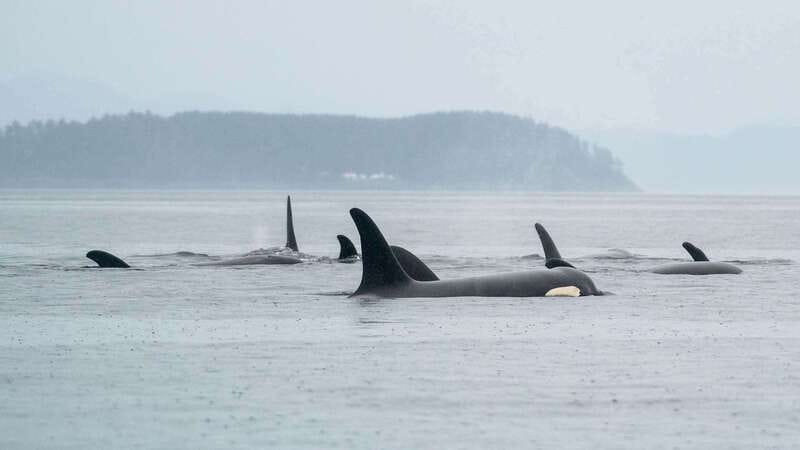
The suspension seats make this a better choice than a basic bench-style boat for many people, but the trip remains physically active. You will spend hours on a small vessel, and the ride may include speed, waves, spray, and repeated movement.
The operator advises against the tour for people with back problems. Take that seriously. The suspension seats reduce impact, but they do not remove motion or the need to sit in a moving boat for most of the day.
People prone to seasickness should also think carefully. The RHIB’s speed can help it reach wildlife areas efficiently, but a fast inflatable boat can still move sharply in open water. If you already know you struggle at sea, this may not be the right excursion.
For everyone else, the individual seats and supplied flotation suits improve comfort. The onboard toilet helps too. This is not luxury travel, but it is a well-equipped wildlife boat.
Is $276 a fair price?
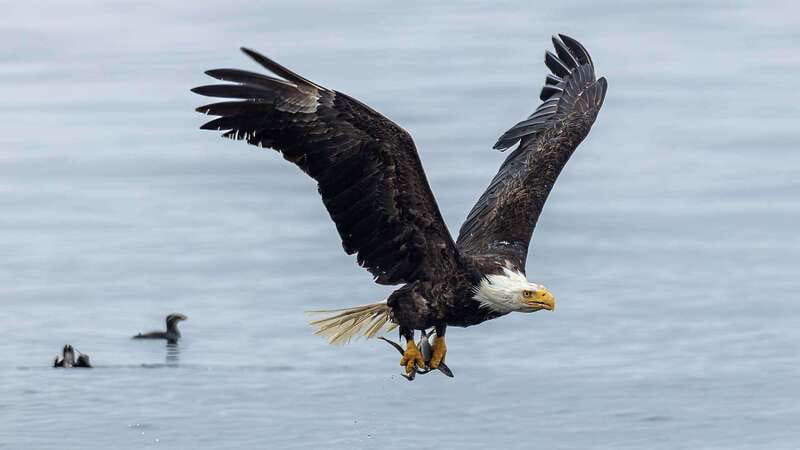
At $276 per person, this is not a casual harbor cruise. You are paying for 330 minutes on the water, a small group of no more than 12 people, a custom boat, specialist equipment, a local driver-naturalist, flotation gear, binoculars, lunch, hot drinks, and the hydrophone.
The strongest value comes from the time and boat design. A small group means fewer people competing for a view, while the RHIB’s speed lets the crew search over a broad area. The suspension seating matters because you are not simply paying for a short ride. You are paying for a long wildlife session in a remote part of British Columbia.
The price makes less sense if you want a quick scenic cruise or if you are uncomfortable with uncertain sightings. It makes much more sense if whales, orcas, and sea otters are a main reason you came to northern Vancouver Island.
The free cancellation option up to 24 hours before departure also gives you some planning flexibility. You can reserve now and pay later, which is useful if your Port Hardy schedule depends on weather or connecting plans.
Who should book this Port Hardy trip?
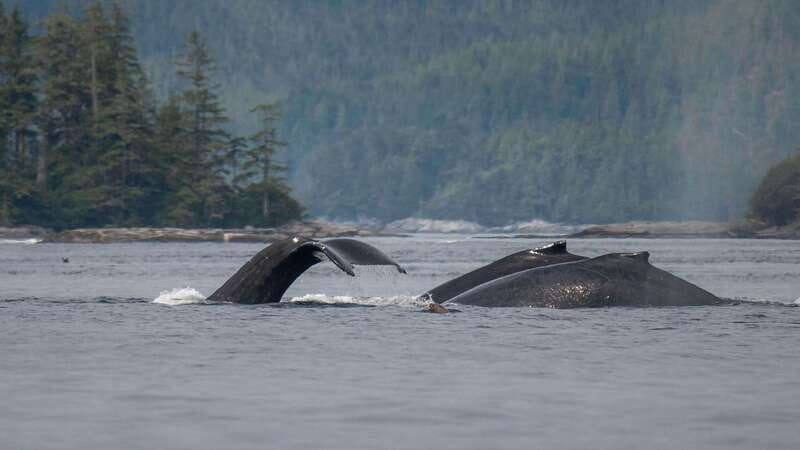
I would recommend it to people who want a focused wildlife outing rather than a general sightseeing cruise. It suits photographers, bird and marine-life fans, families with older children who can manage a long boat ride, and anyone curious about northern Vancouver Island waters.
It is also a good fit if you value local interpretation. The Indigenous staff and guides offer a closer connection to the place than a generic excursion can provide.
I would hesitate if you have back problems, strong seasickness, or a strict need for guaranteed animal sightings. I would also think twice if you dislike cold weather, spray, or a long period on a small boat.
The best preparation is simple: arrive early, wear warm layers, accept that fog may appear, and keep your expectations flexible. The wildlife is wild, and the crew can improve your odds without controlling the result.
Should you book it?
Book this tour if you want a full northern Vancouver Island wildlife experience with a small group, a fast boat, thoughtful safety gear, and guides who treat the natural setting with respect. The combination of suspension seats, lunch, binoculars, warm clothing, and a hydrophone gives the trip more substance than a basic whale-watching ride.
Skip it if you need guaranteed sightings, dislike open-water motion, or have a back condition. For everyone else, $276 is a reasonable price for a long, well-equipped search through Kwakwakaʼwakw waters, especially if seeing orcas or sea otters is high on your Port Hardy list.
FAQ
Where does the tour meet?
Meet at Coastal Rainforest Safaris, 7185 Market Street, Port Hardy.
How early should I arrive?
Arrive 30 minutes before departure so you can be fitted with a two-piece flotation suit and sign the required waiver.
How long does the tour last?
The tour lasts 330 minutes, or five and a half hours.
How many people fit on the boat?
The custom RHIB carries 12 passengers and has individual suspension seats.
Are flotation suits and binoculars included?
Yes. The tour includes two-piece flotation suits, warm hats, and binoculars.
Is food provided?
Yes. Lunch and hot drinks are included.
Can I cancel for a refund?
You can cancel up to 24 hours before departure for a full refund. You can also reserve your place and pay later.
Newly added whale trips around Canada
- Vancouver Whale Watching Safari★ 4.6 · 45 reviews
- Victoria, BC: 3-Hour Ultimate Whale & Marine Wildlife Tour★ 4.6 · 191 reviews
- Victoria: Whale Watching Adventure in a Zodiac Boat★ 4.5 · 129 reviews
- Vancouver: Day Trip to Victoria Seaplane with Whale Watching★ 4.5 · 109 reviews
- Vancouver: Open-air Whale Watching Tour, Granville Island★ 4.9 · 51 reviews
- Vancouver Island: People Water Land – Indigenous & Whales★ 4.6 · 8 reviews
- Vancouver Island: Whale Watching Tour★ 3.3 · 2 reviews
- Vancouver: Zodiac Whale Watching Tour from Granville Island★ 4.6 · 6 reviews
Canada Whale Watching Tours, side by side.
Vancouver Half-Day Whale Watching Adventure with Free Photos
Read our review →
Tadoussac/Charlevoix: Whale Watching Zodiac Tour
Read our review →
Covered Whale Watching Adventure with Free Photos
Read our review →
Tadoussac/Charlevoix: 3-Hour Whale Watching Boat Tour
Read our review →
From Quebec City: Whale Watching Excursion Full-Day Trip
Read our review →Lists this trip appears in