
Review · SPAIN
Basque Whaleboat and Traditional Basque Cider House
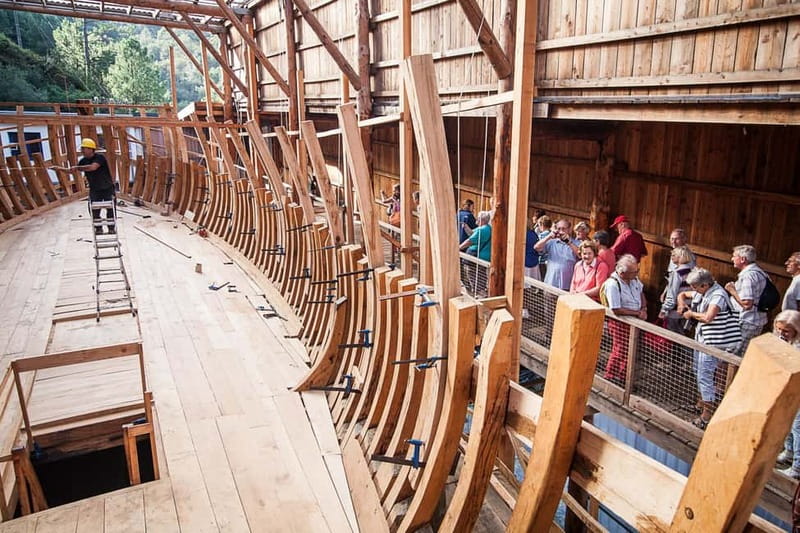
Albaola is no ordinary museum. Here, you see a 16th-century whaling ship being rebuilt by hand, based on the San Juan, a Basque vessel that sank off Canada. The story then moves from the sea to the cider cellar, where the drink that fueled long fishing voyages is poured with a traditional meal.
I like the way this trip connects two parts of Basque life that are often treated separately: sailors and cider makers. I also like the small group, with no more than eight people, and the simple pickup in San Sebastian. The main drawback is that the shared tour may run in several languages, so the amount of English instruction can depend on the group that day.
Key points at a glance

- See the San Juan take shape: Visit Albaola Sea Factory and learn how a 16th-century Basque whaling ship is being reconstructed.
- Follow cider from farmhouse to ocean: Basque cider was a main drink on long voyages to Newfoundland, with sailors said to drink up to three liters a day.
- Eat a proper cider-house lunch: Expect cider tastings and traditional food, including salted cod and T-bone steak on the menu described for one outing.
- Travel in a small group: The van holds no more than eight participants, making conversation with the guide easier than on a large bus tour.
- Start and finish in San Sebastian: Pickup and return are included outside Koh Tao Bar.
- Languages can vary: Guides may speak English, Spanish, French, or Basque, and the shared tour may combine several languages.
From San Sebastian to Albaola Sea Factory
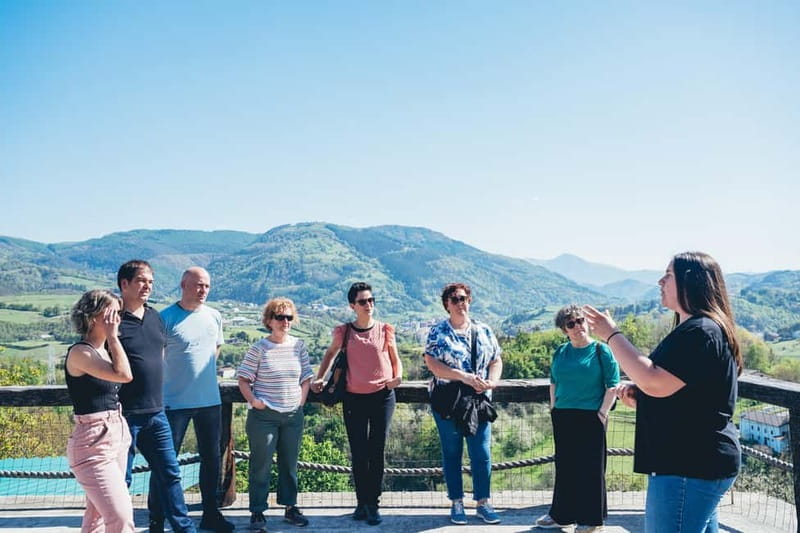
The day begins outside Koh Tao Bar in San Sebastian, where your guide collects you in a black van. From there, you ride together along the Sagardo Route, the area tied to Gipuzkoa’s cider-making tradition.
The six-hour length works well for this pairing. You get a meaningful visit to Albaola, time for a cider-house tour and tasting, and a full lunch without having to organize separate transport. The van also saves you from dealing with regional roads and figuring out how to reach a cider house outside the city.
The group limit is eight people. That matters here. Albaola is a place where questions help, since the shipbuilding methods, timber work, and old sailing routes make more sense when a guide can explain them as you look at the vessel. A small group also makes the ride less formal and more like a day out with a local guide.
The practical catch is language. The guide service is offered in English, Spanish, French, and Basque, but this is a shared outing. If people in the van speak different languages, explanations may be divided between them. If you need every detail in English, ask about the language arrangement when you book.
More boats going out after whales around Spain:
- Tenerife: Eco-Yacht Whale and Dolphin Watching and Swimming
★ 4.7 · 15,619 reviews - Los Cristianos Respectful No-Chase Whale and Dolphin Safari
★ 4.6 · 12,782 reviews - Costa Adeje: Whale & Dolphin Eco-Cruise with Snacks & Drinks
★ 4.6 · 5,096 reviews
The San Juan and Basque voyages to Newfoundland
Albaola’s main subject is the San Juan, a Basque whaling ship that sank in the cold waters off Canada. The ship is being reconstructed from original drawings and historical evidence, giving you a chance to see the vessel as a working project rather than a finished display behind glass.
The important point is scale. Basque fishermen and sailors made long expeditions to Newfoundland in the 16th century, searching for whales and cod. These voyages demanded ships, crews, food, drink, and careful planning. The boat at Albaola helps turn those broad facts into something you can picture.
You learn how Basque sailors traveled far beyond their home coast and why shipbuilding was central to the region’s economy. The visit also shows how closely the sea was tied to inland farms. Cider from Basque farmhouses supplied many of these expeditions, so the drink waiting for you later is not a random food stop. It is part of the same story.
The ship will eventually sail again for the Canadian waters visited centuries ago. That gives the Albaola visit a sense of purpose, but the project also means the appearance of the ship may change over time as construction continues. You are seeing work in progress, not a perfectly finished replica.
For anyone interested in maritime history, this is the strongest part of the outing. It is also useful for families and older children who need something visual. A lecture about old whaling routes can feel distant. Standing beside a ship built for those voyages makes the subject easier to grasp.
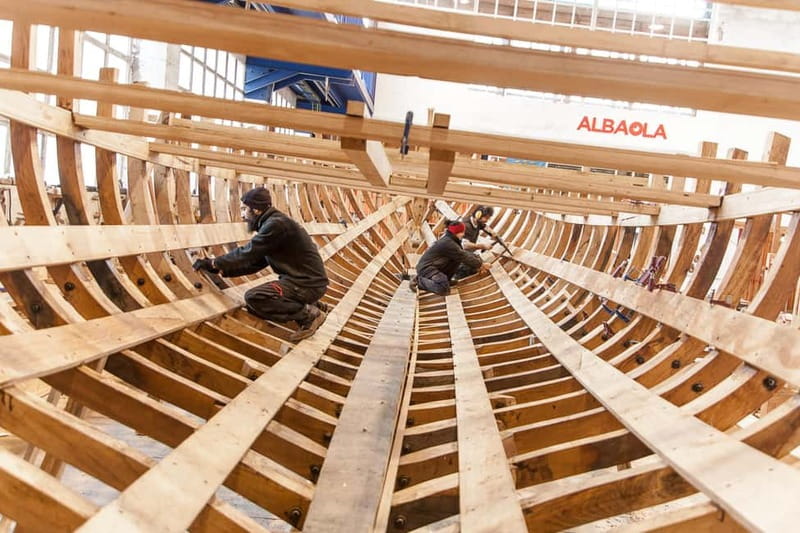
Shipbuilding by hand at Albaola
The guided visit focuses on how a vessel like the San Juan was built in the 16th century. You get to see the reconstruction process and hear about the drawings that trace the ship back to its original design.
This is a good stop for people who like craft and working museums. The appeal is not only the ship’s story, but also the chance to consider the labor behind it. Every long voyage depended on people who could shape, fit, and repair a large wooden vessel before it left shore.
The tour does not promise a full day at Albaola, and that is a good thing for this itinerary. The cider house gives the day a second subject instead of making you spend all six hours on one museum visit. Still, if you want a very detailed study of Basque naval construction, this half-day format may feel brief.
Your guide’s style can shape the visit. Maya led one outing and was praised for bringing together the whalers, shipbuilding, and cider-making story in an easy way. The guide assigned to your date may be different, so treat Maya’s name as a useful example, not a guarantee.
Why cider belongs in a whaling story
After Albaola, the tour turns to cider. Basque cider was not simply a drink for a country lunch. It was a practical supply for sailors on long voyages, and the farmhouses and presses of the Basque Country helped provide it.
The claim that each sailor drank no less than three liters of cider a day gives you a sense of how important it was on board. You will hear more about this link as the guide takes you from the sea factory to a local cider house.
This connection adds value to the tasting. You are not just sampling a regional beverage and then moving on to lunch. You are following a product from its place in Basque farm culture to its role on ships bound for Newfoundland.
The cider-house visit includes a guided tour and tasting of different ciders. The information provided does not list the number or names of the ciders, so expect a regional tasting rather than a fixed wine-style flight with a published selection.
If you do not drink much cider, you can still enjoy the cultural side, but the tasting is a central part of the outing. This is not the best choice for someone who wants a museum visit with only a token food stop.
Same migration, a different deck:
- Los Gigantes: Dolphin & Whale Watching Cruise with Swim Stop
★ 4.7 · 4,539 reviews - Morro Jable: Dolphin & Whale Watching Cruise, Drinks & Swim
★ 4.1 · 4,158 reviews - From Morro Jable: Dolphin and Whale Watching and Snorkelling
★ 4.6 · 3,687 reviews - Costa Adeje: Whale Watching Catamaran Tour with Drinks
★ 4.7 · 3,653 reviews
A traditional cider-house lunch
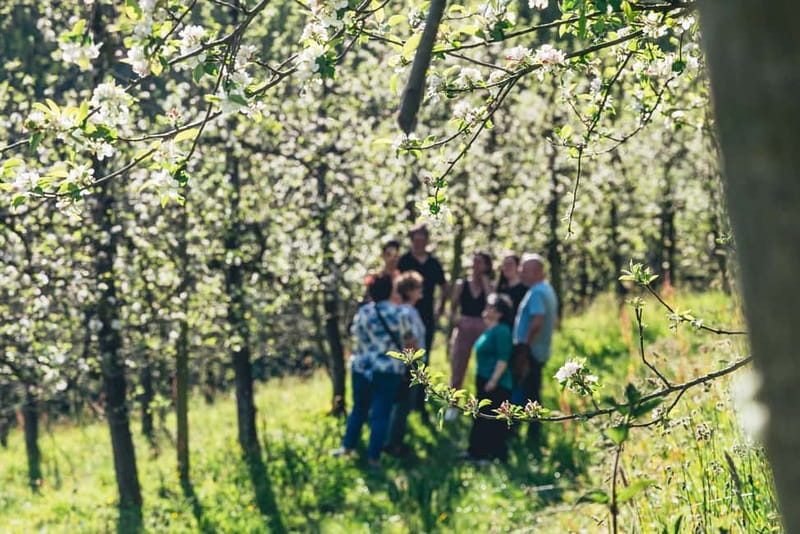
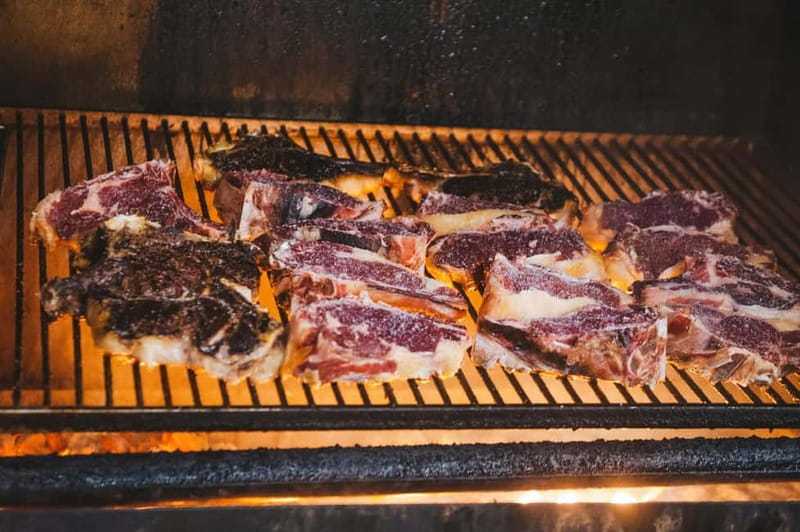
Lunch is served at the cider house and forms a large part of the day. The menu is described as traditional, with salted cod and T-bone steak specifically noted from one outing. These are hearty dishes, and they fit the setting better than a light snack would.
The food also gives you a taste of how a cider-house meal works as a social custom. Cider is part of the table, not an afterthought. You can expect the meal to be substantial, so avoid planning another major restaurant booking immediately afterward.
Exact dishes can vary, and the supplied information does not provide a full menu or confirm that every item appears on every date. If you have food restrictions, ask before booking rather than assuming the traditional menu can be adjusted.
The meal is one of the reasons the $109 price can make sense. You are paying for round-trip transport from San Sebastian, a guide, two guided visits, cider tasting, and lunch. A traveler who arranged transport to Albaola and a cider house separately could spend less or more, depending on timing and transport options, but would lose the ease of having the day joined together.
The value is strongest if you want to sample Basque food without planning a separate countryside visit. If you already have a car, know the cider route well, and prefer to choose your own restaurants, the package may feel less necessary.
What the six-hour schedule feels like
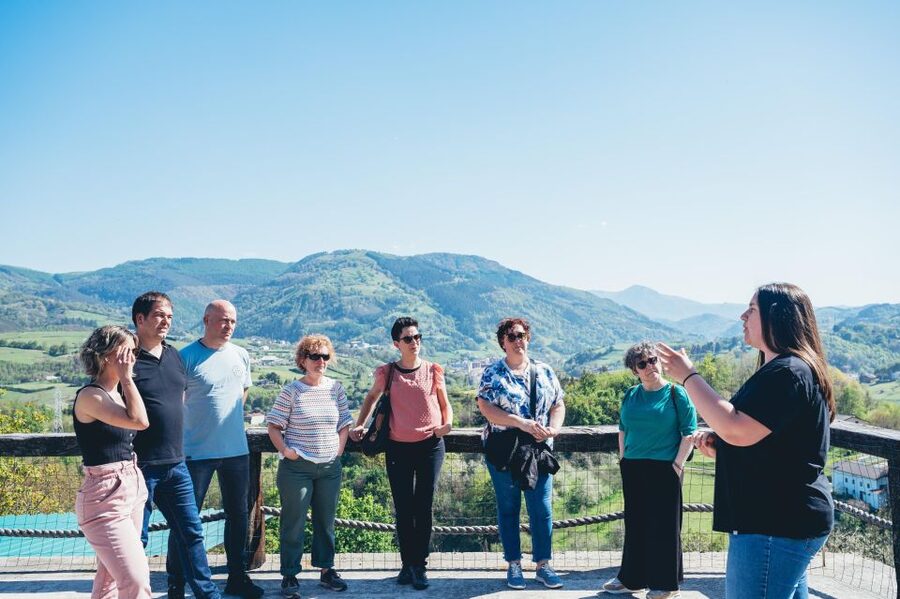
This is a full half-day, not a quick two-hour excursion. Pickup, transport, the Albaola visit, the cider-house tour, tasting, and lunch all fit into roughly six hours, followed by a drive back to San Sebastian.
You should expect a balanced day rather than long free periods. The itinerary is guided from start to finish, which makes it efficient but gives you less freedom to linger at Albaola or wander around on your own.
That structure suits you if you want clear timing and a local escort. It is also useful when your time in San Sebastian is short and you want one outing that covers culture, food, and the nearby countryside.
The shared format means the pace can reflect the whole group. With as many as eight people, the day remains small, but it is not a private tour. If you prefer to stop whenever you like or spend extra time taking photographs, a private arrangement would give you more control, though it would likely cost more.
Meeting point, languages, and comfort
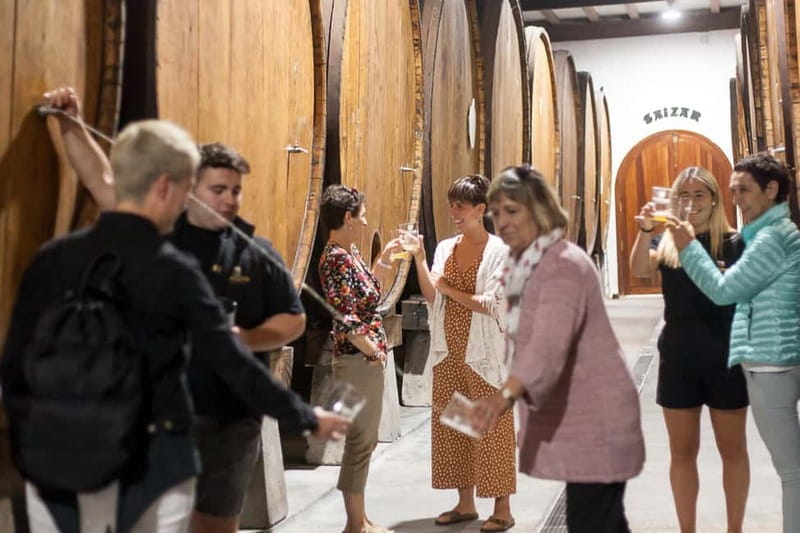
The pickup point is outside Koh Tao Bar in San Sebastian. The guide drives a black van and returns you to the same meeting point after lunch.
The van is a practical choice for a route that includes a museum outside the city and a cider house. You do not need to arrange a taxi between stops, and you can enjoy the tasting without worrying about driving back.
The activity is offered in English, Spanish, French, and Basque. Since it is a shared service, several languages may be used during the day. That is the one detail I would clarify before booking if language is important to you.
The small group limit of eight is a real advantage. It keeps the transport personal and gives you a better chance to ask about the ship, the sailors, and the cider-making process. One outing had only three people, but you should not count on that every time.
Free cancellation is available up to 24 hours before the activity for a full refund. Starting times vary, so check the available date and time when you reserve.
Who will enjoy this Basque culture day
I would choose this trip if you want more than pintxos and the beach during your time in San Sebastian. It gives you a look at Basque identity through work, food, and the sea.
It is especially suited to:
- People interested in sailing, whaling, cod fishing, or traditional boatbuilding
- Food-focused visitors who want a cider-house meal outside the city
- Couples and small groups who prefer guided transport
- Families with older children who enjoy hands-on or visual history
- Anyone without a car who wants to reach Albaola and a local cider house in one outing
I would think twice if you want a quiet, private day or dislike cider. The tour’s main appeal is the combination of Albaola and the cider house, so skipping one part would weaken the experience.
The trip also works best for people who enjoy context. The ship and the cider are interesting on their own, but the real value comes from understanding how they fit together. Basque sailors went to Newfoundland, farmhouse cider supplied their voyages, and the same regional culture survives in the food and drink you encounter today.
Should you book the Albaola and cider-house tour?
Book it if you want an efficient, small-group introduction to Basque maritime culture and food. The San Juan reconstruction gives the morning a strong historical focus, while the cider tasting and traditional lunch keep the afternoon grounded in local life.
The $109 price is fair for a six-hour outing that includes transport, guiding, two visits, cider, and lunch. Its best feature is the connection between the stops. You are not simply visiting a museum followed by a restaurant. You are following one Basque story from shipyard to cider cellar.
Skip it if you prefer to set your own pace, need a single-language private tour, or have little interest in cider-house food. For everyone else, this is a smart way to see a side of the Basque Country that is difficult to piece together on your own from San Sebastian.
FAQ
Where does the tour begin?
Pickup is outside Koh Tao Bar in San Sebastian.
How do I identify the vehicle?
The guide will collect you in a black van.
How long does the experience last?
The activity lasts six hours, including transport, guided visits, cider tasting, and lunch.
What languages are offered?
The live tour guide service is offered in Spanish, English, French, and Basque.
Can the tour include more than one language?
Yes. Because it is a shared service, the guided tour may be conducted in several languages depending on the group.
How many people can join?
The small group is limited to eight participants.
What is included in the price?
The price includes pickup and drop-off, a guided tour at Albaola Sea Factory, a guided cider-house tour, cider tasting, and the traditional cider-house menu.
What ship do you see at Albaola?
You see the reconstruction of the 16th-century whaling ship San Juan, which sank off the coast of Canada.
What food is served at the cider house?
The meal is described as a traditional cider-house menu. Salted cod and T-bone steak were served on one outing, but a complete fixed menu is not provided.
Can I cancel for a full refund?
You can cancel up to 24 hours in advance for a full refund.
Newly added whale trips around Spain
- Whales and Dolphins excursion on a Luxury Yacht in Canary Islands★ 5.0 · 93 reviews
- Whale & Dolphin Watching With Mustcat Virgin Coast Trip On a Large Catamaran★ 4.0 · 3 reviews
- Whale & Dolphin Watching Boat Trip in Tenerife On a Sailing Boat (3 Hr)★ 3.5 · 10 reviews
- Whale watching and snorkelling in the whale sanctuary★ 5.0 · 14 reviews
- Whale Watching Catamaran to Los Gigantes & Masca (Including drinks & warm lunch)★ 4.0 · 55 reviews
- Whale and Dolphin Watching EcoAdventure in Tenerife★ 5.0 · 78 reviews
- Whale & Dolphin Watching in Tenerife (Puerto Colon) On a Large Catamaran★ 4.0 · 12 reviews
- 5 hr watching and listening whales and dolps. Visit Los Gigantes★ 5.0 · 185 reviews
Spain Whale Watching Tours, side by side.
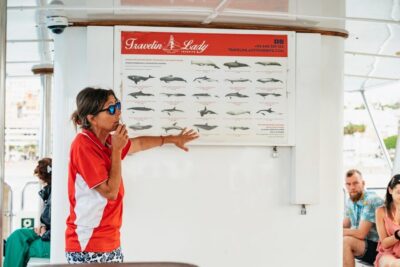
Eco-Yacht Whale and Dolphin Watching and Swimming
Read our review →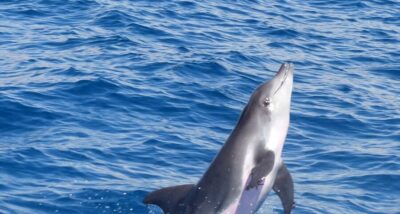
Los Cristianos Respectful No-Chase Whale and Dolphin Safari
Read our review →
Whale & Dolphin Eco-Cruise with Snacks & Drinks
Read our review →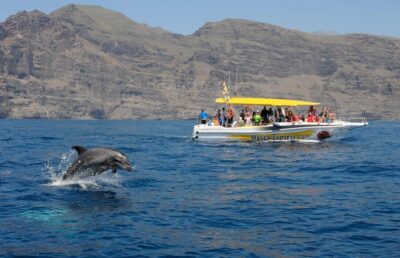
Dolphin & Whale Watching Cruise with Swim Stop
Read our review →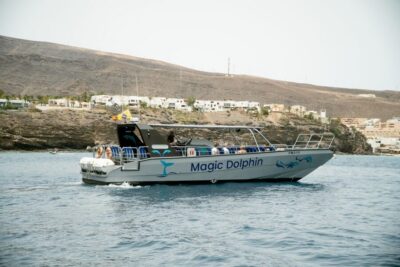
Dolphin & Whale Watching Cruise, Drinks & Swim
Read our review →
Lists this trip appears in