
Review · NORWAY
Skjervøy: Whale Watching with RIB Boat and Local Guide
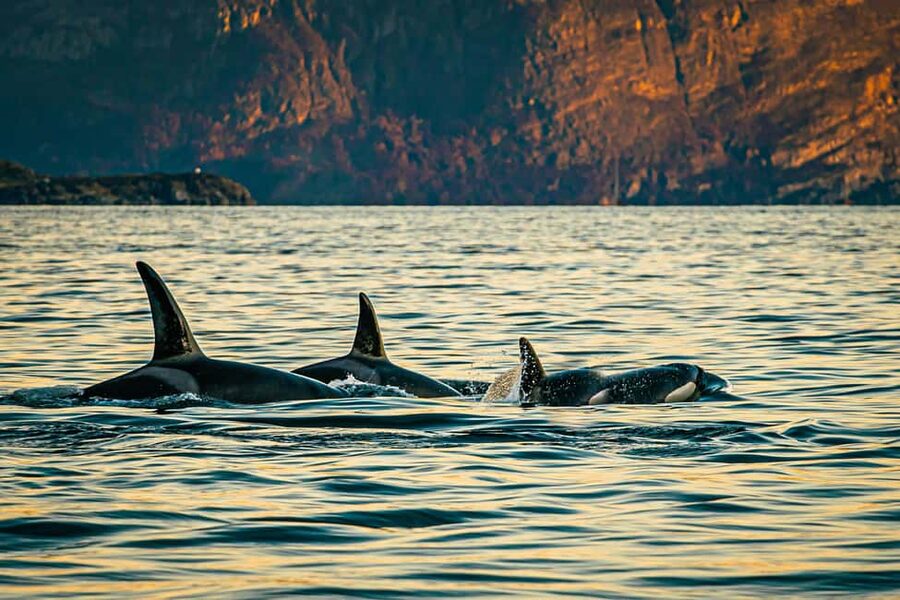
Seeing a pod of orcas work together around feeding herring is the great prize here. From Skjervøy, you ride a powerful RIB into open Arctic water, with a real chance of watching killer whales and humpbacks at close range. I like the small-boat excitement and the chance to learn from a local guide such as Viktor, who is known for spotting whales and recognizing some orcas by name.
I also like that the operator supplies insulated suits, boots, hats, goggles, and life jackets. That matters in northern Norway. The catch is simple: this is a cold, sometimes rough ride, and even the provided gear may not be enough without your own warm gloves and neck covering. Whale sightings are never guaranteed, and finding them can mean extra time on the water.
Key points to know before you book
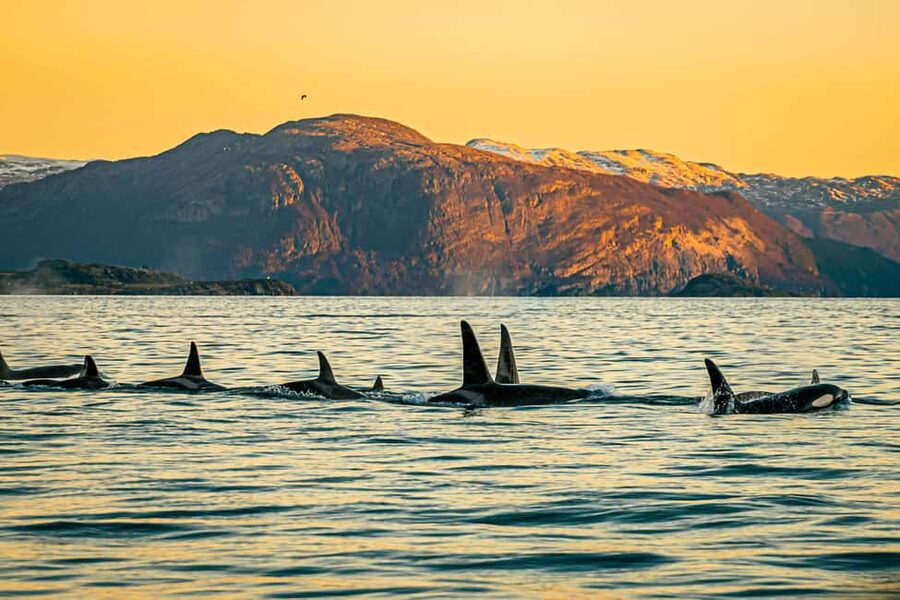
- Orcas and humpbacks in one three-hour trip: You may also see fin whales, depending on the day and whale activity.
- A proper RIB ride: Expect speed, spray, wind, and some rocking when the sea is rough.
- Viktor may be your guide: He is praised for finding whales, explaining their behavior, and keeping a respectful distance.
- The season runs from mid-October to February: The exact whale activity can change as herring move through the area.
- Warm equipment is included: Suits, boots, hats, goggles, and life jackets are provided, but bring extra hand and neck protection.
- You must reach Skjervøy yourself: Arctic Route runs daily buses between Tromsø and Skjervøy, with the bus ticket booked separately.
Why Skjervøy is the right place for an Arctic whale safari
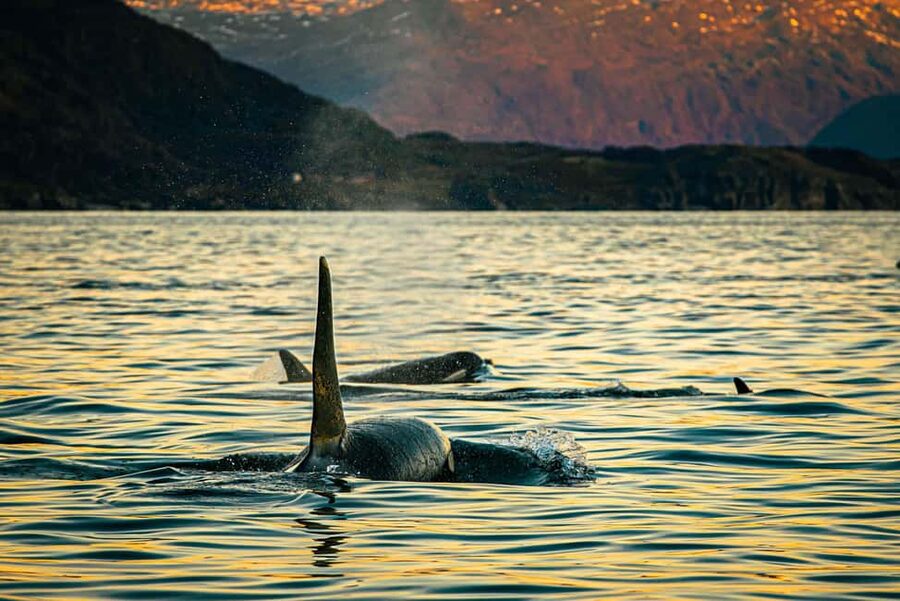
Skjervøy sits far north in Norway, surrounded by cold sea and snow-covered mountains. In late autumn and winter, herring draw large numbers of whales into the waters around the island. That seasonal food supply is the reason this experience operates from about the middle of October through February.
The setting feels more remote than a standard harbor cruise from Tromsø. You are not simply riding out for a scenic loop. You are heading toward feeding grounds where orcas may travel in family groups and humpbacks may surface nearby. The scenery matters too: even when the whales stay hidden, you have steep northern mountains, open water, winter light, and the clean, sharp air of the Arctic.
The whale location can shift. Herring do not stay in one fixed place, so your boat may need to travel back and forth before the guide finds activity. That is worth understanding before you book. A day with whales can be extraordinary, but the search itself is part of the trip.
More Zodiac and RIB Whale Watching in Norway:
- Bleik: Whale Watching by Speedboat with Puffins and Muffins
★ 4.7 · 326 reviews - Whale Watching RIB Safari at Skjervøy
★ 4.8 · 136 reviews - Whale Watching RIB Boat Tour in Skjervoy from Tromso
★ 4.5 · 102 reviews
Meeting at Strandveien 96 in Skjervøy
The tour begins at Strandveien 96, at the harbor. Look for the backside of the old white building, below the Ekstra grocery store. The meeting point is easy to miss if you are hurrying through the harbor, so save the coordinates in your phone: 70.02948760986328, 20.968090057373047.
Skjervøy is a compact place, but winter weather can make a short walk feel longer. Arrive with enough time to find the building without rushing. Several whale operators can use the same general harbor area, and the meeting point may feel busy when departures gather. The exact guide and boat should be confirmed before you leave the building.
At the base, you receive the equipment needed for the RIB. The supplied kit includes a life jacket, warm outerwear, hat, thermal boots, and goggles. The changing area is useful because you can put the protective layers on before stepping into the wind.
The three-hour RIB route
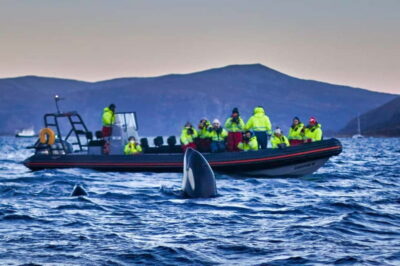
Once everyone is dressed, you board the RIB and leave the harbor. The boat carries up to 12 people plus the guide, a group size that gives everyone a reasonable view while keeping the boat small enough to feel lively.
The first part of the ride is about reaching the whale area. A RIB is much faster and more exposed than a heated cabin cruiser. You sit facing forward, feel the boat rise and fall, and take spray when the sea gets lively. That is a large part of the appeal, but it is not the best choice if you want a quiet, warm sightseeing cruise.
The guide watches the water for blows, fins, and changes in bird or fish activity. When whales are found, the boat slows down and stops at a considerate distance. A good guide does not charge directly at the animals or keep moving simply to create a dramatic photograph. The strongest moments often come when the whales choose to approach the boat.
The three-hour duration gives the crew time to search, watch, and move on when an encounter ends. Some trips may finish with one good sighting. On a strong day, you might spend time with several species and stay out a little longer while the whales are active. Do not treat extra time as guaranteed, but the guide has shown a willingness to give the group more viewing time when conditions allow.
Watching orcas hunt as a family
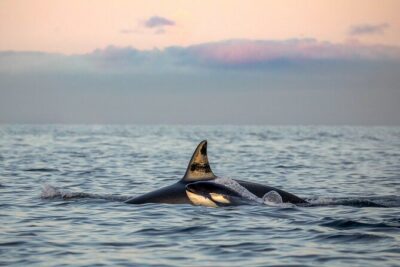
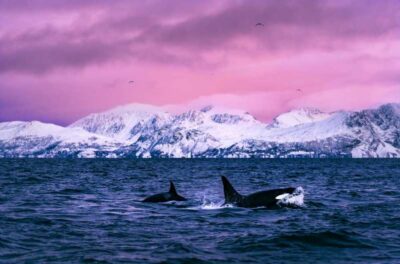
Orcas are the main attraction for many people booking this trip. Their black bodies and white patches are easy to recognize, even in gray Arctic light. The excitement comes from seeing them behave as a group rather than simply catching a distant fin.
You may see several pods moving together, surfacing in a loose line, or working around fish. The most memorable encounters can happen during feeding, when the orcas cooperate to keep herring together. A pod may suddenly change direction, accelerate, or surface in a coordinated burst. You need to keep your eyes on the water because the action can move quickly.
The guide explains how orcas communicate through whistles and pulsed calls. Some sounds may be audible to people nearby, while much of their communication takes place below the surface. You will not get a full scientific lecture from a small, noisy RIB, but the commentary helps you understand what you are seeing.
Viktor, the local boat driver and guide associated with this experience, has a reputation for locating pods and identifying some individual orcas. That local familiarity is valuable. The difference between a long search and a productive encounter can come down to knowing where feeding activity is developing and reading the sea.
The boat remains at a respectful distance. That may mean you do not always get the closest possible photograph, but it is the better way to watch wild animals. If an orca approaches on its own, you get the rare privilege of seeing curiosity and social behavior without the boat forcing the moment.
More Guided Trips in Norway:
- Húsavík: Whale Watching Tour with Guide
★ 4.6 · 2,761 reviews - Reykjavik: Whale Watching Tour with Expert Guide
★ 4.3 · 2,422 reviews - Whale Watching Tour with Professional Guide from Reykjavik
★ 4.5 · 744 reviews - Whale-Watching Boat Tour with Expert Guide from Reykjavik
★ 4.0 · 651 reviews
Humpback whales and the chance of fin whales
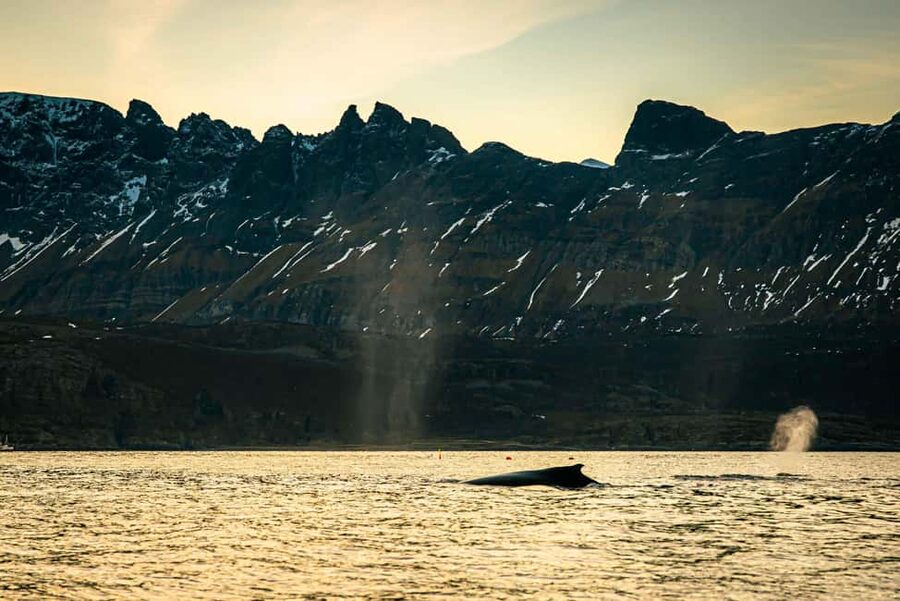
Humpbacks offer a different kind of sighting. They are often alone or in small groups, and their movement is less tightly organized than an orca hunt. You may see a broad back roll through the water, a blow rise into the cold air, or a tail lift before the whale disappears.
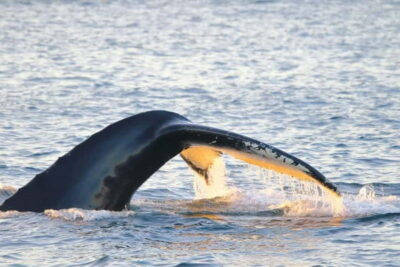
A humpback’s tail pattern is unique, much like a fingerprint. If the whale raises its flukes clearly, the guide may be able to use that pattern to identify it. The tail is also one of the best sights to photograph, although the timing is difficult from a moving boat.
Humpbacks can be acrobatic. A breach or full jump is never promised, but several trips have produced spectacular movement close to the boat. You may also hear about humpback songs, which are associated with long, repeated patterns of sound. From a RIB, the main experience is visual, but the explanation gives the animal more meaning than a quick glimpse alone.
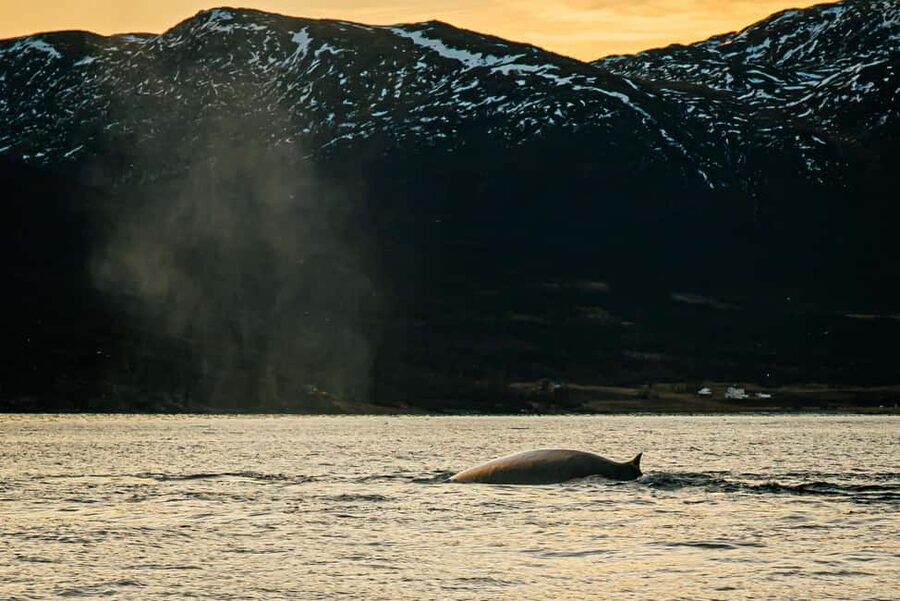
Fin whales have also been seen on this route. They are large, fast-moving whales and may appear alongside orcas and humpbacks on an especially active day. Three species in one outing is possible, but it is not something to book as a guarantee. Treat it as an extra reward.
The guide makes the difference
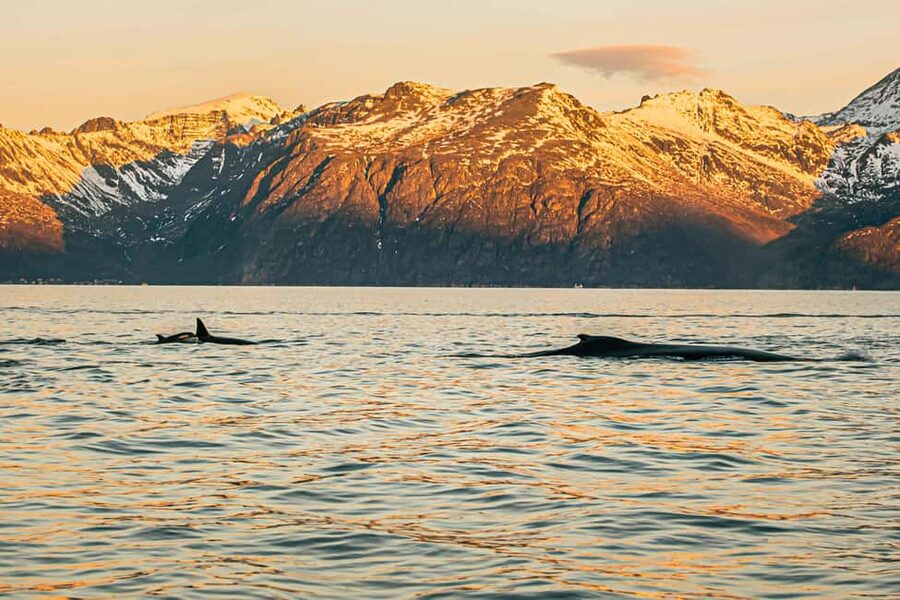
A whale safari succeeds or fails partly on nature and partly on the person driving the boat. This trip gets strong marks for its local guiding. Viktor is described as calm, friendly, alert, and deeply interested in the animals. He also asks what you would like to see, then makes a practical effort to give the group the best possible outing.
That does not mean he can control the weather or summon whales. It means you have someone actively searching rather than simply following a fixed route. In poor conditions, his ability to find whales becomes even more important. Rough weather can make visibility poor, yet a skilled boat driver may still locate activity.
There is one limitation to the RIB format. With 12 people aboard, wind and engine noise make it hard for the guide to give long explanations while the boat is moving. You will hear the most useful information when the boat is stopped or moving slowly. If detailed natural history is your top priority, a heated cabin boat may provide a better listening environment.
Cold, spray, and what to wear
Take the clothing advice seriously. The operator supplies protective outerwear, thermal shoes, hats, goggles, and life jackets, but the Arctic cold still works its way into gaps around your hands and neck.
Bring your own:
- Warm gloves that still let you hold a camera
- A neck warmer or scarf
- Thermal base layers
- Wool socks
- A waterproof cover or plastic bag for your camera
Goggles are especially useful because the RIB can throw heavy spray. A camera without protection can quickly become wet, and cold fingers make changing settings difficult. Keep equipment inside a waterproof bag until a whale surfaces.
The suits help with wind and spray, but they do not turn the boat into a warm room. Wear your own layers underneath rather than relying only on the outer suit. If you are sensitive to cold, prepare as if the trip will be colder than the harbor.
The ride can be rough and fun. That is part of the RIB experience, but it may not suit anyone prone to motion sickness or anyone who needs a calm, steady boat. The supplied information does not specify accessibility arrangements, so ask the operator directly if you have mobility or medical concerns.
Getting from Tromsø to Skjervøy
This is not a quick whale trip from Tromsø. You need to reach Skjervøy independently. Arctic Route operates daily bus connections between Tromsø and Skjervøy, and the ticket is booked separately from the whale safari.
That extra journey affects the value. You are paying with more than money because reaching Skjervøy takes planning and a full day around the excursion. In return, you get access to a whale area that can be closer to the seasonal herring activity than the waters used by some Tromsø departures.
Build in a careful schedule. The whale trip lasts three hours, and you need to be at Strandveien 96 on time. Check the bus departure and return times for your date before booking the boat. If the connections leave you with no margin, staying in Skjervøy may be less stressful than trying to make the trip as a same-day dash.
For a visitor already staying in Skjervøy, the setup is much easier. You can reach the harbor without adding a long transfer, and you may have more flexibility if weather or transport plans change.
Value, group size, and booking flexibility
No tour price is provided here, so I cannot call it cheap or expensive. The value comes from what is included: three hours on the water, a local guide and boat driver, a RIB with room for up to 12 people, safety equipment, warm outerwear, boots, goggles, and the chance to see multiple whale species.
You should also count the separate Tromsø to Skjervøy transport when comparing this with a departure directly from Tromsø. The bus adds cost and time, but it gives you a different setting and may put you closer to current whale activity.
The operator allows free cancellation up to 24 hours before departure, and you can reserve now while paying later. That flexibility helps when you are planning around northern weather, transport, and several possible whale-watching dates. Check the available starting times because departure times can change.
The activity is offered in English and Norwegian. The excellent 4.9 rating from 109 ratings reflects strong satisfaction with the organization, guiding, equipment, and whale encounters, but nature remains unpredictable. A high rating should make you confident in the operation, not assume that every trip will produce dozens of orcas.
Who should choose this RIB safari?
I would choose this trip if you want the most active version of whale watching around Skjervøy. It suits you if you enjoy speed, cold air, spray, and the possibility of a bumpy ride. It is also a good choice if you care about seeing animal behavior rather than simply collecting a whale photograph.
Families with older children may enjoy it, especially when the guide turns a feeding scene into a lesson about cooperation and communication. You should judge your child’s tolerance for cold and rough water carefully. The supplied information does not state a minimum age, so ask before booking for young children.
Photographers need realistic expectations. A RIB puts you close to the water and gives strong sight lines, but the boat moves, spray is common, and the light may be low. Bring protection for your equipment and expect more memorable moments than perfect photographs.
Choose a heated cabin cruise instead if warmth and steady viewing matter more than speed. Choose this RIB if you want a small, energetic boat and are willing to trade comfort for a closer feeling to the sea.
Should you book the Skjervøy RIB tour?
Book it if you can handle the cold, plan the journey to Skjervøy carefully, and want an active whale safari led by a local boat driver. The best reasons are the strong chance of orcas during the winter herring season, the possibility of humpbacks and fin whales, and the guide’s careful approach to wildlife.
Bring better gloves and neck protection than you think you need. If you have two days in the area, the RIB makes a lively contrast to a heated boat. If you have only one tight day from Tromsø, check the bus connection first. This is a memorable choice for people who want the Arctic sea close, loud, cold, and wonderfully unpredictable.
FAQ
Where does the whale-watching tour meet?
Meet at Strandveien 96 in Skjervøy, at the backside of the old white building in the harbor, below the Ekstra grocery store. The meeting point coordinates are 70.02948760986328, 20.968090057373047.
How long does the whale-watching trip last?
The whale-watching activity lasts three hours, including the boat ride from Skjervøy and the return to the harbor.
What whale species can I see?
The main targets are killer whales, also called orcas, and humpback whales. Fin whales have also been seen during the trip, but sightings depend on the day and whale activity.
When does the whale-watching season run?
The seasonal trip operates from about the middle of October through February.
Is warm clothing provided?
Yes. The operator provides warm outerwear, life jackets, hats, thermal shoes, and goggles. You should still bring warm gloves and neck protection because the RIB can be very cold and wet.
Can I travel from Tromsø to Skjervøy for the tour?
Yes. Arctic Route runs daily bus trips between Tromsø and Skjervøy. The bus ticket is separate from the whale-watching booking, so check the connection times carefully.
Newly added whale trips around Norway
- Tromsø: Whale Watching on hybrid boat with scenic bustrip★ 4.1 · 30 reviews
- Tromsø Whale Safari with MS Keiser Wilhelm★ 4.3 · 161 reviews
- Tromsø: 24hr Northern Lights & Whale Watching Cruise★ 4.9 · 46 reviews
- Tromsø: Orca and Whale Watching comfort heated boat Trip★ 4.8 · 107 reviews
- Tromsø: Responsible Whale Watching Cruise Aboard MS Alba★ 4.7 · 53 reviews
- 24hr Northern Lights & Whale Watching Cruise★ 5.0 · 114 reviews
- Whale Watching RIB Boat Tour in Skjervoy from Tromso★ 4.5 · 102 reviews
- Whale Safari in Tromso★ 4.5 · 63 reviews
Norway Whale Watching Tours, side by side.
Silent Whale Watching by Hybrid-Electric Boat from Tromsø
Read our review →
Bleik: Whale Watching by Speedboat with Puffins and Muffins
Read our review →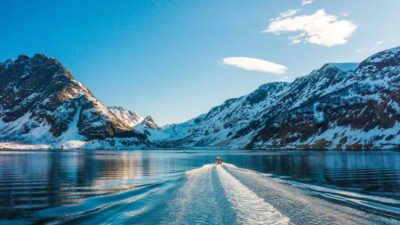
Lists this trip appears in