
Review · SPAIN
Barbate: Dolphin and Whale Watching in Cape Trafalgar
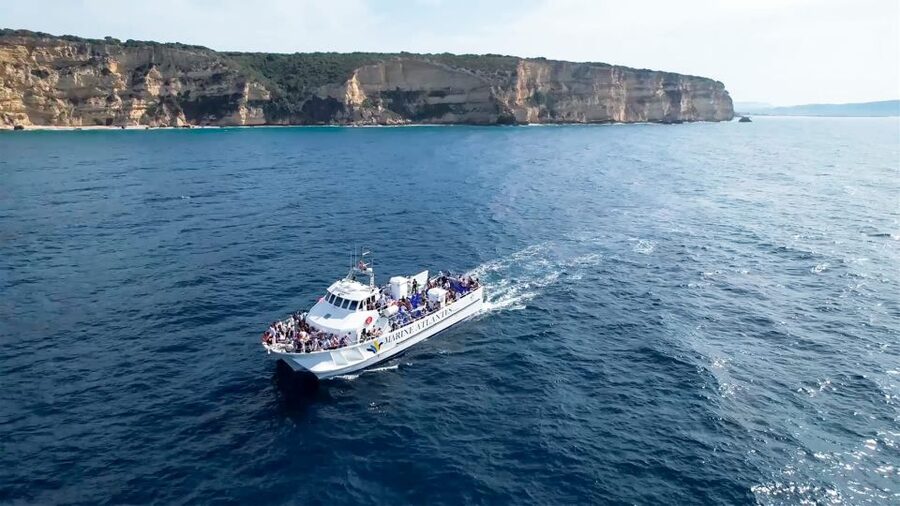
The most exciting part of this Barbate whale and dolphin trip is the setting. You leave the marina and head along the Atlantic coast toward Cape Trafalgar, where dolphins may race beside the boat and larger cetaceans can appear offshore. When the sea cooperates, this is a fine chance to see marine life where it belongs, not behind glass.
I like the coastal views and the chance to see several species on one outing. I also like the simple extras: drinks and fruit are included, and the free parking beside the boarding point makes the start less fussy. The main drawback is the sea itself. The boat can roll hard even in apparently mild conditions, and some departures last longer than the advertised three hours.
Key points to know before you book
- Barbate to Cape Trafalgar: The boat leaves from Marine Atlantes at the Barbate marina and heads into Atlantic waters.
- Three hours on paper: Plan for a long period at sea, with the possibility of a later return in changing conditions.
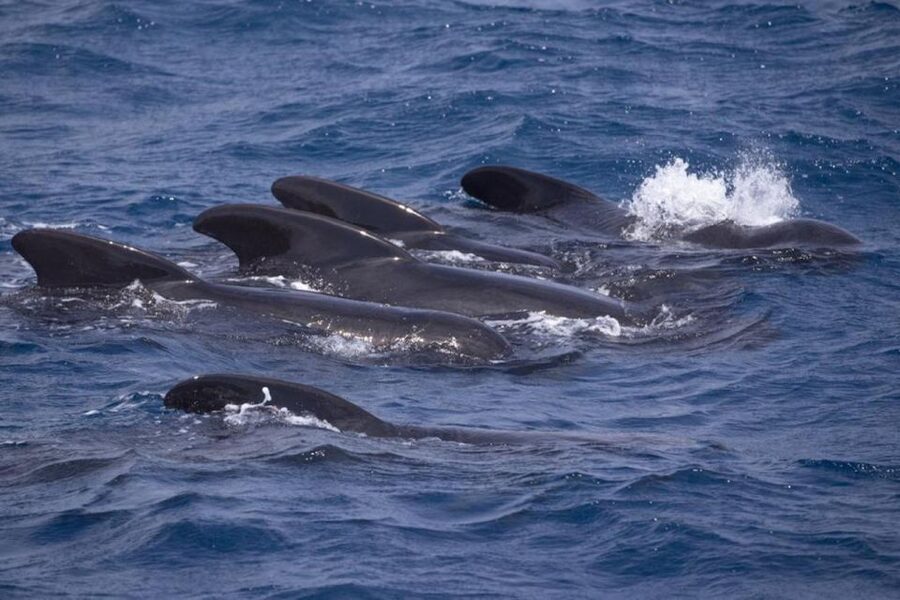
- Dolphins are possible, not promised: You may see common dolphins, orcas, whales, and other marine life, but nature sets the schedule.
- A strong crew can make the difference: The trip includes information about animal behavior and conservation, though the amount of live commentary may vary.
- Drinks and fruit are included: This is useful on a sea outing, especially when the boat is moving for several hours.
- Motion sickness deserves serious thought: Several reports describe strong rolling and difficult conditions, so prepare carefully if you are sensitive at sea.
Setting out from the Barbate marina
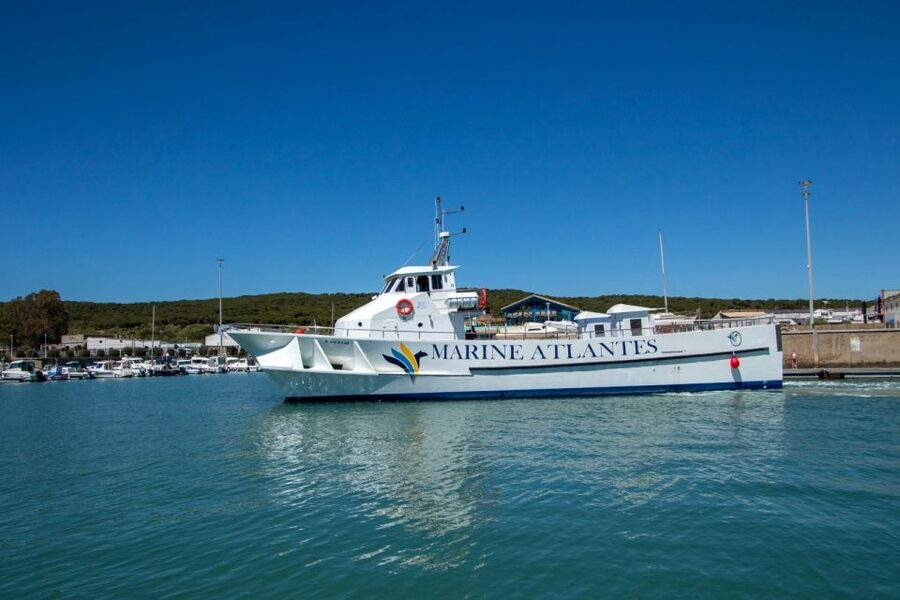
Your starting point is Marine Atlantes at the Barbate marina. This is a practical base for a trip toward Cape Trafalgar and the waters near the Strait of Gibraltar. You meet the boat there, show the ticket in the named passenger’s identity, and get ready for a half-day on the Atlantic.
The trip costs about $53 per person. That is fair if you want a dedicated wildlife outing and value the three-hour running time, included drinks, fruit, and coastal scenery. It becomes less attractive if you expect a guaranteed whale sighting or a polished lecture from start to finish.
The meeting area has one useful perk: free parking beside the boarding point has been reported. That can save time and money if you are driving around the Costa de la Luz. Still, allow a little extra time to find Marine Atlantes and get settled before departure.
Bring a passport or identity card. Tickets are not transferable, and boarding is tied to the person named on the ticket. Comfortable clothes are the only specific clothing advice supplied, but you should think in terms of wind, spray, and a long spell sitting or standing on a moving boat.
More Whale and Dolphin Watching Tours in Spain
- Tenerife: Eco-Yacht Whale and Dolphin Watching and Swimming
★ 4.7 · 15,619 reviews - Los Cristianos Respectful No-Chase Whale and Dolphin Safari
★ 4.6 · 12,782 reviews - Costa Adeje: Whale & Dolphin Eco-Cruise with Snacks & Drinks
★ 4.6 · 5,096 reviews
Three hours along the Atlantic coast
Once clear of Barbate, the boat follows the coast toward Cape Trafalgar. This is not a quick harbor cruise. The point is to spend time in open water, watching for movement, blows, fins, and groups of dolphins.
The ride itself is part of the experience. You get broad views of the Atlantic and the Andalusian shore, with the sea often taking center stage. One highly rated departure included a coastal ride from Barbate toward the Strait of Gibraltar and sightings of four species. That gives you an idea of the outing’s best version: wildlife, open sea, and a strong sense of place all at once.
The trip is described as three hours, but you should not treat that as an exact stopwatch guarantee. One account described a return after more than four hours, while another praised the amount of time spent watching dolphins. Sea conditions, animal movements, and the crew’s choices can affect the schedule.
That uncertainty matters if you have a train, dinner booking, or another timed activity afterward. I would keep the rest of your day loose. The boat may return close to schedule, but wildlife trips work better when you leave room for the unexpected.
Watching dolphins beside the boat
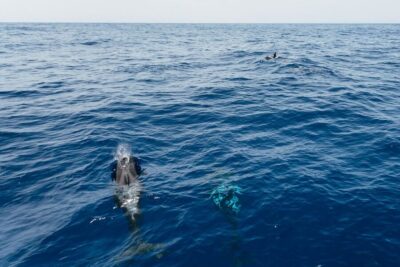
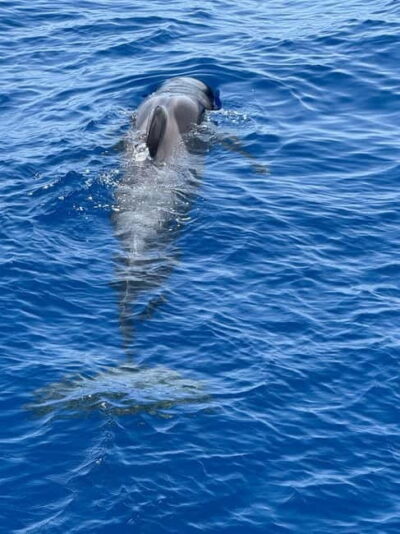
Dolphins are the most likely highlight for many people, and the trip is designed around finding them in open water. You may see them traveling in a group, surfacing near the boat, or leaping alongside it. The best moments can be brief, so keep your eyes moving and your camera ready.
A reported outing included common dolphins and another cetacean described in Spanish as delfines molares, as well as orcas. These are memorable possibilities, not a promise. No responsible wildlife operator can control where an animal appears or how long it stays near the boat.
The viewing period can also feel short compared with the ride out. One account described about 10 to 15 minutes with dolphins before the boat returned quickly. Another described a much longer observation period. That contrast is important: you may spend most of the trip searching, with the actual sightings concentrated into a short burst.
I like this format for people who enjoy the search as much as the result. You watch the sea, read the crew’s signals, and wait for a fin or splash. If you need constant action, the long stretches of open water may test your patience.
The whale-watching side of the trip
The experience is promoted as whale and dolphin watching, with a chance to see whales in their natural habitat. The wider waters near Cape Trafalgar and the Strait of Gibraltar are known for marine wildlife, but this outing does not guarantee a specific species or a close approach.
You might see a large animal surface at a distance, or you might spend more time with dolphins and other smaller cetaceans. The phrase up close should be understood carefully. Wildlife remains wild, and the boat’s position, weather, and animal behavior decide how near you get.
That is not a weakness in itself. The value lies in seeing animals in their own environment and learning to observe without expecting a staged performance. Keep your expectations flexible, and the trip will make more sense.
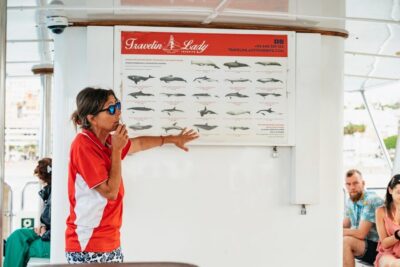
The supplied details refer to explanations about behavior, habitat, and conservation. In practice, the amount of commentary may vary. Some departures have begun with a recorded announcement over the speaker, followed by questions answered by a crew member. If you want more information, ask directly when the crew is available.
Same migration, a different deck:
- Los Gigantes: Dolphin & Whale Watching Cruise with Swim Stop
★ 4.7 · 4,539 reviews - Morro Jable: Dolphin & Whale Watching Cruise, Drinks & Swim
★ 4.1 · 4,158 reviews - From Morro Jable: Dolphin and Whale Watching and Snorkelling
★ 4.6 · 3,687 reviews - Costa Adeje: Whale Watching Catamaran Tour with Drinks
★ 4.7 · 3,653 reviews
What the crew and commentary add
A good wildlife trip needs more than a boat and a pair of binoculars. Clear explanations help you understand what you are seeing and why the boat is waiting in one place or changing direction.
The activity promises educational information about marine creatures, their habits, habitats, and protection. Some accounts praise the friendly crew and the ease of the trip. Another describes a crew member who gave useful details when asked, but says there was little general explanation after the opening recording.
That means you should not book this as a formal natural-history course. Think of the education as an added layer rather than the whole product. You can make it better by asking about the species, how the crew identifies them, and what conservation work affects the area.
The crew’s handling of difficult sea conditions is also worth considering. One serious account describes passengers being injured during a rough incident and says help afterward felt inadequate. This is a single report, and the details cannot be independently assessed here, but it is enough to make safety awareness important. Listen to crew instructions, hold on when the boat moves, and tell staff promptly if you feel unwell or unsafe.
The real issue: motion on the water
The biggest practical concern is seasickness. Several accounts describe strong rocking, even when the sea appeared mild. One person reported feeling very ill despite taking motion-sickness medicine. Another described the boat as swaying hard during a long trip.
I would not dismiss this as a minor nuisance. Three hours on a moving boat can feel much longer if you are queasy. The ride out, the search period, and the return all take place on the water, so there is no quick escape once you are offshore.
If you know you are sensitive, plan carefully with advice from a medical professional about suitable medication. Eat sensibly, drink water, and choose a position on the boat that feels steady if the crew permits it. Keep your focus on the horizon rather than on a screen, and bring only what you can manage comfortably.
The activity includes drinks and fruit, which is helpful, though one account did not receive the fruit that was expected. Because supplies can vary, bring your own basic water and a small snack if you need them. Do not count on a full meal.
Photography without missing the sighting
This trip offers real chances for good photographs, but wildlife photography from a moving boat is a patience game. The boat rolls, animals surface without warning, and the best moment may last only seconds.
Keep your camera ready before dolphins appear. A fast shutter setting can help freeze a leap, though your main goal should be watching rather than trying to make every image perfect. Protect cameras and phones from spray, and use a secure strap if you have one.
The Atlantic light can be excellent along the coast, especially when clouds break over the water. Cape Trafalgar provides a strong sense of place even when the animals stay distant. You can return with more than animal portraits: coastal views, the boat cutting through the sea, and the changing horizon all tell part of the story.
Do not crowd the rail or lean out for a better angle. A missed photograph is better than a dangerous one, especially when the boat shifts suddenly.
Food, drinks, and small comforts
The ticket includes drinks and fruit. These are modest inclusions, but they matter during several hours at sea. A cold drink and a light snack can make the search period easier, particularly in warm weather.
Do not expect a meal or a full onboard service. The supplied information lists drinks and fruit only. Since one account specifically says no fruit was available on that departure, I would pack a small backup snack if food matters to you.
Comfortable clothing is requested. The boat can feel windy even when the marina is warm, and spray may reach the seating area. Wear clothes you can sit in for a long time and bring an extra light layer. Pets are not allowed, and weapons or sharp objects are prohibited. Fishing is also not permitted, since this is a wildlife-watching trip rather than a fishing charter.
Who will enjoy this trip most
I would recommend this outing to you if you enjoy nature, accept uncertainty, and like the idea of spending a good part of a day on the Atlantic. It suits photographers, families with older children who can handle a long boat ride, and anyone already exploring Barbate, Cape Trafalgar, or the nearby coast.
It is also a good match if you value the chance of several species rather than a guaranteed close encounter. Sightings have included dolphins, orcas, and other cetaceans, but the sea may offer a quiet day.
I would think twice if you are very prone to motion sickness, need a fixed return time, or expect constant commentary. The boat can roll strongly, and the level of spoken information may not meet the same standard on every departure.
The activity is not designed around fishing, swimming, or a beach stop. You are there to watch marine life and enjoy the coast from the water. That clear purpose is appealing, as long as you choose it for the right reasons.
Is $53 a fair price?
At $53, the value is reasonable for a three-hour marine wildlife outing with drinks and fruit included. The free parking beside the departure point adds a little more practical value, especially if you are traveling by car.
The price depends heavily on what you hope to see. If dolphins appear beside the boat and you also see several other species, the trip can feel like excellent value. If wildlife stays distant and the ride becomes uncomfortable, the same price may feel high.
I would compare this cost with your wider day, not just the ticket. You are paying for boat time, fuel, crew, and the chance to search a large stretch of sea. You are not buying a guaranteed show. That distinction is the key to judging the price fairly.
Free cancellation up to 24 hours before departure and a reserve-now, pay-later option make planning less rigid. Check the available starting times before you commit, especially if you are fitting the trip around other plans.
Should you book the Barbate whale-watching trip?
Book it if wildlife watching in open water sounds appealing and you can handle a possible three or four-hour boat outing. The combination of Atlantic scenery, dolphins, possible whales or orcas, included refreshments, and a convenient Barbate departure gives the experience real appeal.
Approach it with patience. You may spend much of the time searching, and the sea may move the boat more than expected. I would also leave your schedule open after the trip and prepare seriously for motion sickness.
For the best chance of enjoying it, bring identification, comfortable clothes, a secure camera, water, and a small snack. Keep your expectations natural rather than theatrical. If that sounds right for you, Marine Atlantes offers a worthwhile way to see the coast and its wildlife from the water.
FAQ
Where does the whale and dolphin trip start?
The activity starts at Marine Atlantes in the Barbate marina.
How long does the boat trip last?
The advertised duration is three hours, although the return can take longer depending on conditions and the wildlife search.
What marine animals might I see?
Possible sightings include dolphins, whales, orcas, and other marine life. Specific sightings are not guaranteed.
Is food included?
Drinks and fruit are included in the activity. It is sensible to bring a small backup snack if you need regular food.
What should I bring?
Bring a passport or identity card and comfortable clothes. A camera is useful for photographing marine life and coastal views.
Are pets allowed?
No. Pets are not allowed on the activity.
Can I bring fishing equipment?
No. Fishing is not allowed, and weapons or sharp objects are also prohibited.
Can I cancel the booking?
You can cancel up to 24 hours in advance for a full refund. A reserve-now, pay-later option is also available.
Newly added whale trips around Spain
- Whales and Dolphins excursion on a Luxury Yacht in Canary Islands★ 5.0 · 93 reviews
- Whale & Dolphin Watching With Mustcat Virgin Coast Trip On a Large Catamaran★ 4.0 · 3 reviews
- Whale & Dolphin Watching Boat Trip in Tenerife On a Sailing Boat (3 Hr)★ 3.5 · 10 reviews
- Whale watching and snorkelling in the whale sanctuary★ 5.0 · 14 reviews
- Whale Watching Catamaran to Los Gigantes & Masca (Including drinks & warm lunch)★ 4.0 · 55 reviews
- Whale and Dolphin Watching EcoAdventure in Tenerife★ 5.0 · 78 reviews
- Whale & Dolphin Watching in Tenerife (Puerto Colon) On a Large Catamaran★ 4.0 · 12 reviews
- 5 hr watching and listening whales and dolps. Visit Los Gigantes★ 5.0 · 185 reviews
Spain Whale Watching Tours, side by side.
Eco-Yacht Whale and Dolphin Watching and Swimming
Read our review →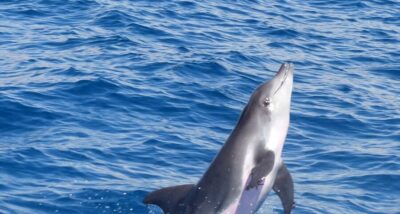
Los Cristianos Respectful No-Chase Whale and Dolphin Safari
Read our review →
Whale & Dolphin Eco-Cruise with Snacks & Drinks
Read our review →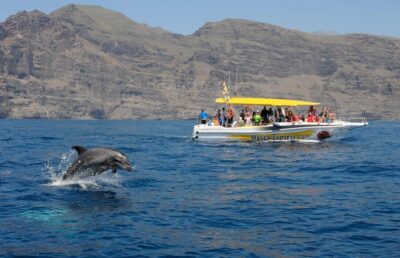
Dolphin & Whale Watching Cruise with Swim Stop
Read our review →
Dolphin & Whale Watching Cruise, Drinks & Swim
Read our review →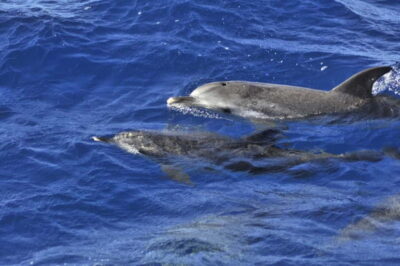
Lists this trip appears in