
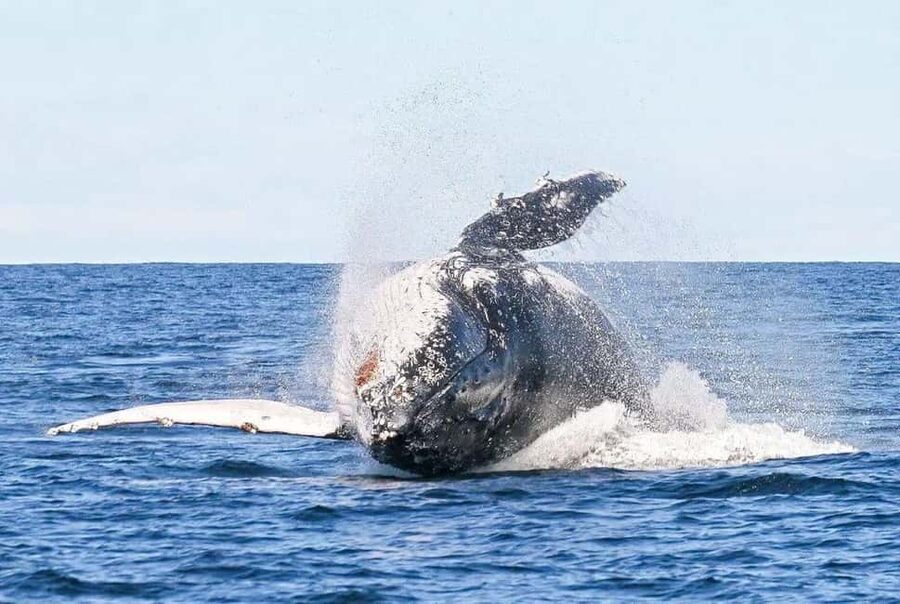
Review · AUSTRALIA
Byron Bay: Whale Watching Tour
The rare trick here is getting straight onto the ocean from Byron Bay itself, rather than riding to another harbor. After a safety briefing in town, you transfer to The Pass and launch from the beach, with Cape Byron and its lighthouse opening up from sea level.
I like the eight-person limit, which gives you room to move and ask questions. I also like the marine scientist guides and the hydrophone, since you are not only looking for whales but listening for them too. The catch is the beach launch: you may get wet up to your waist, and rough water can make this a poor choice if you are prone to seasickness.
Key points to know before booking
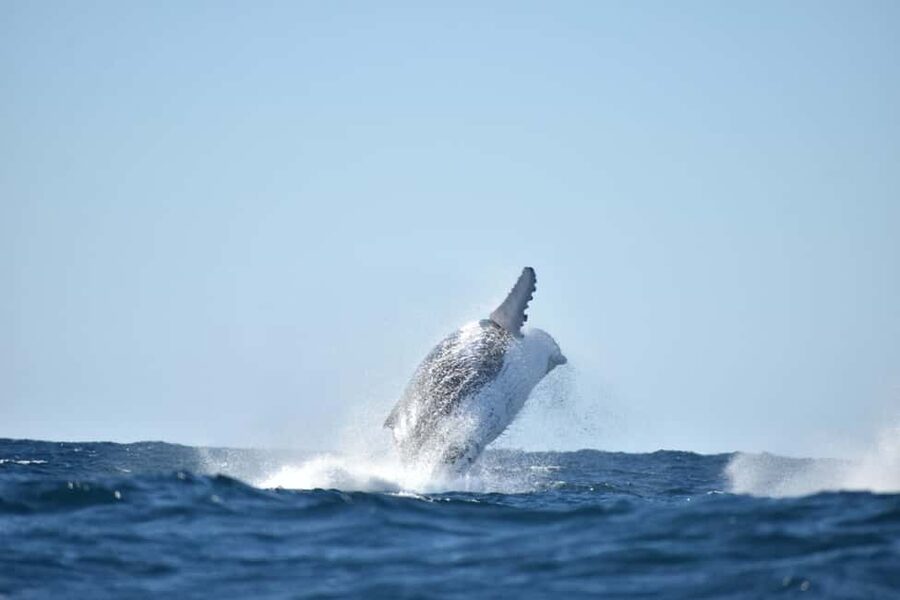
- Only direct Byron Bay departure: You meet in central Byron Bay and transfer to The Pass for the beach launch.
- Up to eight passengers: The small boat and 360-degree viewing setup make it easier to see the action from different angles.
- Marine scientists on board: Your guide can explain humpback behavior, migration, and the marine park around Cape Byron.
- Up to two hours watching whales: The full outing lasts three hours, including the town meeting point, transfer, safety briefing, and launch.
- Plan to get wet: Wear swimwear or shorts and bring dry clothes, since boarding may involve waist-deep water.
- Whale-watching guarantee: If the required sea conditions are not available, the operator may reschedule or provide a full refund if another date is not possible.
Why this Byron Bay whale tour feels different
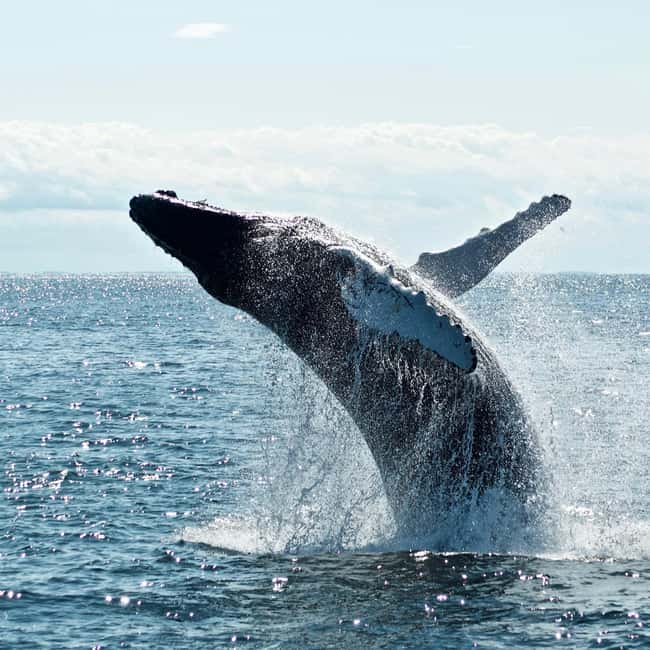
Many whale trips begin at a marina, with a large boat, a line of passengers, and a slow ride out of the harbor. This one takes a more direct route. You meet at the operator’s shop in central Byron Bay, then make the short transfer to The Pass, one of the area’s best-known beaches.
That beach departure is both the tour’s most memorable feature and its biggest practical warning. You are not simply stepping from a dock onto a boat. The vessel launches from the sand, so boarding can leave you wet up to the waist. Wear shorts, swimwear, or trousers you can roll up. Bring a change of clothes, even if the morning looks calm.
Once on board, you head into Cape Byron Marine Park. The trip gives you a different view of familiar landmarks, including Byron Lighthouse. From the water, the lighthouse is no longer just a lookout point on the headland. It becomes a marker for where the coast meets the open sea and a useful reference as you search for whales.
The tour is built around up to two hours of whale watching. The total activity lasts three hours because it includes the meeting, safety briefing, transfer, and beach launch. That distinction matters when you plan your day. Allow the full three hours, and do not book a tight appointment immediately afterward.
More whale trips worth the boat ride around Australia:
- Sydney: Whale Watching Adventure Cruise
★ 4.2 · 1,790 reviews - Brisbane Whale Watching Cruise from Redcliffe or Sunshine Coast
★ 5.0 · 997 reviews - Freedom 3/4 Day Hervey Bay Premium Whale Watching Cruise
★ 5.0 · 919 reviews
A small boat with room to watch
The vessel is designed for a maximum of eight passengers. That is a major advantage if you prefer a quieter outing and want to speak directly with the crew. On a large cruise, a whale can appear on the far side of the boat while you are stuck behind a crowd. Here, the 360-degree view gives everyone a fair chance to look around.
The seating arrangement also aims to balance comfort and safety. Central seats help keep passengers secure as the boat moves, while the open viewing design lets you turn toward activity wherever it appears. Whales do not follow a script, so this matters. A sighting could happen off the bow, beside the boat, or farther behind you.
Still, a small open vessel is not the same as a stable sightseeing cruise. You should expect wind, spray, and the movement of the sea. One account of the trip described dolphins, distant humpbacks, strong wind, and large waves, along with a capable captain. That is a useful reminder: the ocean itself is part of the outing, not just the stage for a whale sighting.
If you want a sheltered, slow-moving boat with lots of indoor space, this may not be your best match. If you enjoy being close to the water and can handle changing conditions, the setup gives the experience a more immediate feel.
What happens from town to The Pass
Your day starts at the shop in central Byron Bay. The crew gives a safety briefing before you leave, covering the basic rules for a smooth trip. Pay close attention here, especially because the launch is from the beach rather than a pier.
You then take a short transfer to The Pass. The information provided does not specify the exact transfer vehicle or travel time, so treat this as a brief connection rather than a separate sightseeing stop. The important point is that you meet in town, but board at the beach.
At The Pass, prepare for the wet entry. Keep phones, wallets, and cameras protected until you are safely aboard. A waterproof poncho is provided, but it is intended to help with spray and weather, not to replace a dry bag or careful packing for your personal items.
The launch is part of the expedition-style character of the trip. It also means the activity demands more physical effort than a standard harbor cruise. People with mobility impairments, wheelchair users, and those with back problems are advised not to book. Children under five and people over 70 are not permitted, and minors must stay with an adult.
Searching the waters of Cape Byron Marine Park
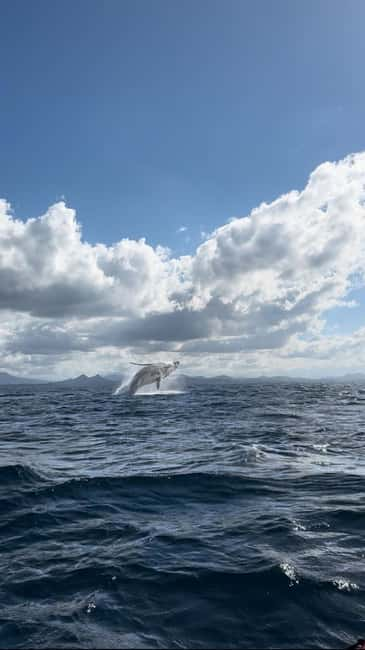
Once you leave the beach, the crew takes you through the waters of Cape Byron Marine Park. The focus is humpback whales during their annual migration, described as one of the longest migrations made by any mammal.
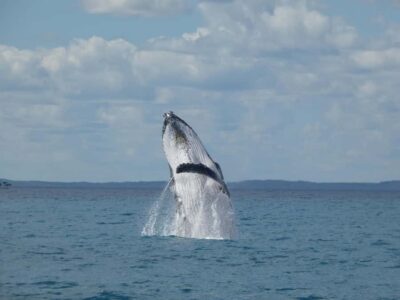
Do not expect a performance on demand. Wild whales choose their own route and distance. You might see a whale’s back, a blow, a tail, or a more dramatic movement. You might also spend time scanning open water before anything appears. That uncertainty is normal, and the marine scientist guides help turn waiting into part of the experience.
Their role adds useful context. You can ask about humpback behavior, the migration, the marine park, and the animals you encounter. The crew is also there to keep the outing respectful. Touching marine life is not allowed, and the aim is to observe whales in their natural setting rather than chase or handle them.
The whale-watching guarantee offers some reassurance, but read it sensibly. It does not mean whales will perform close to the boat or remain visible for the entire trip. It means the operator provides a guarantee connected to the whale-watching activity. If conditions are unsafe, the tour may be rescheduled, and if a new date is not possible, a full refund is provided.
Same migration, a different deck:
- Whale Watching Tour with Spirit of Gold Coast
★ 4.5 · 884 reviews - Sydney Whale-Watching Cruise Including Lunch or Breakfast
★ 4.5 · 878 reviews - Sydney: 2-hour Express Whale Watching Cruise
★ 4.2 · 756 reviews - Spirit of Gold Coast 2.5-Hour Whale Watching Tour
★ 4.2 · 703 reviews
Listening with the hydrophone
The hydrophone is one of the most worthwhile inclusions. Whale watching often becomes a visual hunt: scan the horizon, wait for a blow, then point. Listening adds another layer, especially when a whale is not immediately visible.
The crew can use the hydrophone to let you hear whale song beneath the surface. That helps you think of the ocean as an active environment rather than a flat blue view. It also gives the marine scientist a natural opening to explain communication and behavior.
Water, wind, and distance still shape what you hear. The hydrophone is not a promise of a concert, and sound quality can depend on conditions. But it is a thoughtful feature, particularly for anyone who wants more than a quick photo.
You are also given water on board and waterproof ponchos. Bring a reusable water bottle if you prefer your own supply, along with a camera and biodegradable sunscreen. A jacket and warm clothing are sensible even on a mild Byron Bay day, since wind on the water can feel much cooler than it does in town.
Dolphins, whales, and the value of realistic expectations
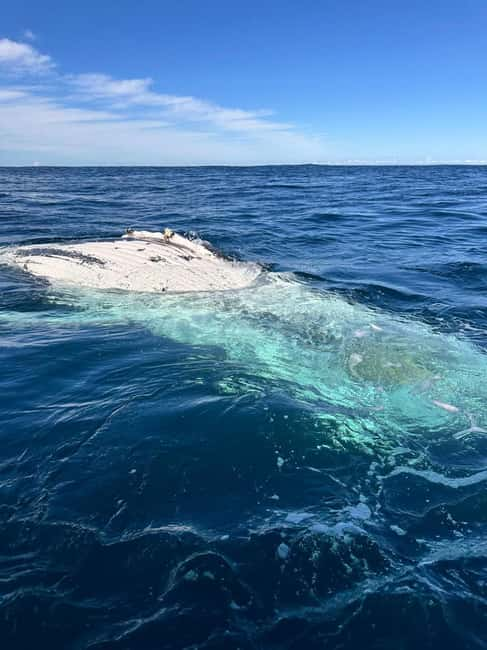
The main subject is the humpback migration, but dolphins may also appear. One outing included dolphins and distant humpbacks, along with strong wind and large waves. That combination tells you how to judge the tour fairly: wildlife sightings can vary, and the sea may be as memorable as the animals.
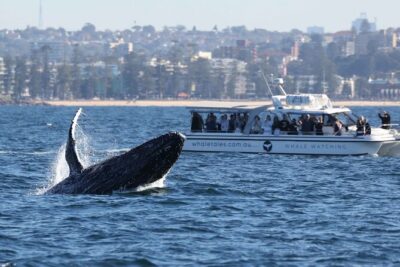
A distant whale is still a real wildlife encounter, but it may not match the close-up images used in tour advertising. The 360-degree setup improves your chance of spotting movement around the vessel, but it cannot control where an animal surfaces.
I would book this with a flexible attitude. If your entire decision rests on seeing a whale breach beside the boat, no operator can guarantee that outcome. If you value time at sea, expert interpretation, a small group, and the chance to hear whale song, the experience offers better value.
The reported overall rating is five out of five from three published ratings, with particular praise for the friendly crew, the close-to-the-water setting, and the personal feel of a small boat. The strongest positive theme is not simply seeing wildlife. It is feeling involved rather than processed through a large commercial cruise.
Is $92 a fair price?
At $92 per person, this is not the cheapest possible way to look for whales, but the price includes several features that explain it. You get a three-hour activity, up to two hours of whale watching, a transfer from central Byron Bay, marine scientist guides, a small group capped at eight, a hydrophone, water, ponchos, and a whale-watching guarantee.
The group size is the main value point. With only eight passengers, your access to the guide should be more direct, and the 360-degree viewing layout reduces the usual problem of fighting for a position. The direct Byron Bay departure also saves you from arranging transport to a different harbor.
The price is less compelling if you want a casual, dry, highly stable cruise. The beach launch and small vessel are central to the experience, so you are paying for a more active format, not simply a seat on a sightseeing boat.
For me, the cost makes the most sense for couples, solo visitors, and small groups who care about the quality of the setting and guide interaction. Families with very young children cannot use it, and anyone with serious motion concerns should think twice before paying for a trip they may find uncomfortable.
Who should book this experience?
This tour suits you if you:
- Want the convenience of departing directly from Byron Bay
- Prefer a small group over a large boat
- Like learning from marine scientists
- Are comfortable with wind, spray, waves, and a wet beach launch
- Want both visual whale watching and the chance to hear whale song
- Can keep your schedule flexible if sea conditions change
I would be cautious if you are pregnant, have a pre-existing medical condition, back problems, limited mobility, or a strong tendency toward seasickness. The activity is specifically not suitable for those groups. Children under five and people over 70 are also excluded.
If you do get seasick, bring your own motion sickness tablets before departure. The crew cannot administer them. That is an easy detail to overlook, and it can shape the entire day.
Practical preparation for the morning
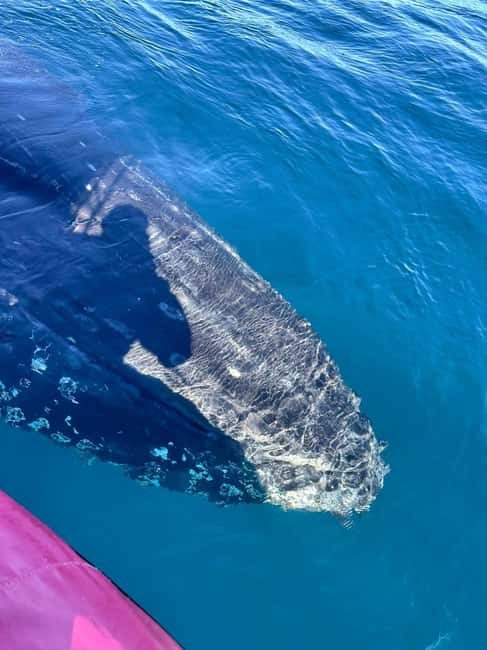
Dress for the launch first and the weather second. Shorts, swimwear, or loose trousers you can roll up are the safest choices for boarding. Add warm clothing, a jacket, and weather-appropriate layers for the time on the water.
Pack a change of clothes. Even if you board without a major splash, spray and rain can leave you damp. Use biodegradable sunscreen, bring a reusable water bottle, and keep your camera protected until the crew says it is safe to use.
The activity is in English. Pets, intoxication, and unaccompanied minors are not allowed. Do not touch marine life, and listen closely to the safety instructions before boarding.
You can cancel up to 24 hours in advance for a full refund. Because sea conditions matter, the operator may also reschedule the trip for safety. If rescheduling is not possible, a full refund is provided.
Should you book the Byron Bay whale tour?
Book it if you want a close-to-the-water, small-group outing with marine scientists and a direct Byron Bay departure. The eight-person limit, 360-degree view, hydrophone, and beach launch give it a distinct character that a large cruise cannot easily copy.
Skip it if you need a dry, gentle, accessible boat trip or if seasickness is a serious concern. Also skip it if you need a guaranteed close whale encounter. For the right person, though, $92 buys more than a lookout from the sea. It gives you a hands-on morning in Cape Byron Marine Park, with the sound of the water, the chance of dolphins and humpbacks, and a guide who can help you understand what you are seeing.
FAQ
Where does the Byron Bay whale-watching tour depart from?
You meet the crew at their shop in central Byron Bay. From there, you transfer to The Pass, where the vessel launches directly from the beach.
How long does the activity last?
The full activity lasts three hours. Up to two hours are spent whale watching, with the remaining time covering the safety briefing, transfer, and beach launch.
How many people can join the tour?
The group is limited to eight participants. The vessel has a 360-degree viewing setup and central seating for safety and comfort.
Will I get wet while boarding?
You may get wet up to your waist because the boat launches from the beach. Wear shorts, swimwear, or trousers that can be rolled up, and bring a change of clothes.
Are marine scientists on the boat?
Yes. Marine scientist guides lead the trip, answer questions about humpback whales, and provide information about the marine environment. A hydrophone is also used to listen for whale song.
What happens if sea conditions are unsafe?
The operator may reschedule the activity when conditions are not suitable. If rescheduling is not possible, a full refund is provided.
Is the tour suitable for children and older passengers?
Children under five and people over 70 cannot join. Minors who are allowed to participate must be accompanied by an adult. The activity is also not suitable for pregnant women, people with mobility impairments, wheelchair users, people with back problems, people prone to seasickness, or people with pre-existing medical conditions.
Newly added whale trips around Australia
- Tweed Heads: Whale Watching Boat Tour★ 4.7 · 30 reviews
- Bremer Bay Orca Experience★ 5.0 · 79 reviews
- Wilsons Prom Whale Cruise★ 5.0 · 104 reviews
- Whale Watching and Wildlife Cruise Townsville and Magnetic Island★ 5.0 · 11 reviews
- Whales of Sydney Sea Safari★ 5.0 · 2 reviews
- Sydney Whale Watching Cruise from Circular Quay★ 4.5 · 207 reviews
- Whale Watching Sailing Experience in Sydney★ 5.0 · 28 reviews
- Whale Watching on Speed Boat with canopy from Sydney Harbour★ 5.0 · 14 reviews
Australia Whale Watching Tours, side by side.
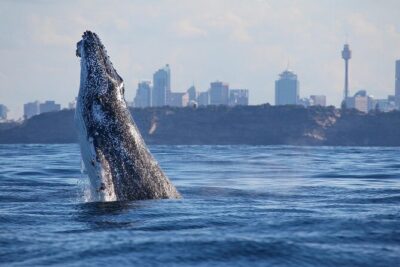
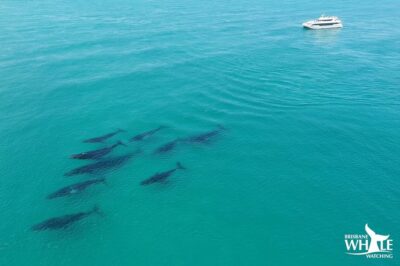
Brisbane Whale Watching Cruise from Redcliffe or Sunshine Coast
Read our review →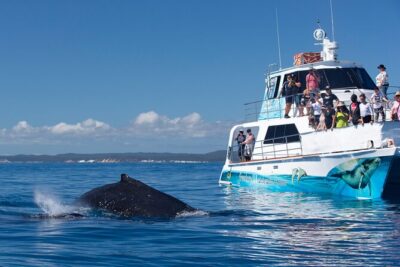
Freedom 3/4 Day Hervey Bay Premium Whale Watching Cruise
Read our review →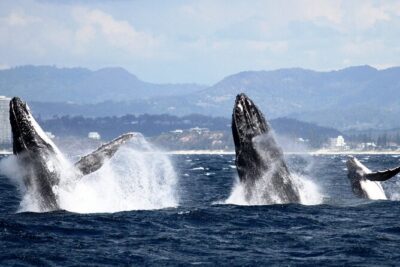
Sydney Whale-Watching Cruise Including Lunch or Breakfast
Read our review →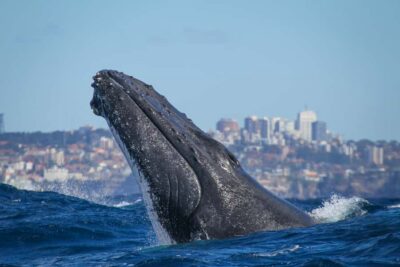
Lists this trip appears in