Review · AUSTRALIA
Dolphin & Whale Cruise
Phillip Island’s best wildlife may be offshore. This three-hour cruise heads from San Remo into open water, following the coast past Cape Woolamai and toward Seal Rocks, where seals gather on the rocks. In winter, the main prize is a glimpse of migrating humpback and southern right whales.
I like the mix of wildlife and scenery, since you are not stuck watching one patch of sea. I also like the large catamaran, onboard commentary, and simple afternoon tea, which make the outing feel more comfortable than a bare-bones wildlife trip.
The catch is the ocean itself. Conditions can be choppy, and one recent outing felt like a nonstop roller coaster, despite seeing only limited whale activity. Take the seasickness warning seriously, and dress for changing weather.
Key points to know before you book
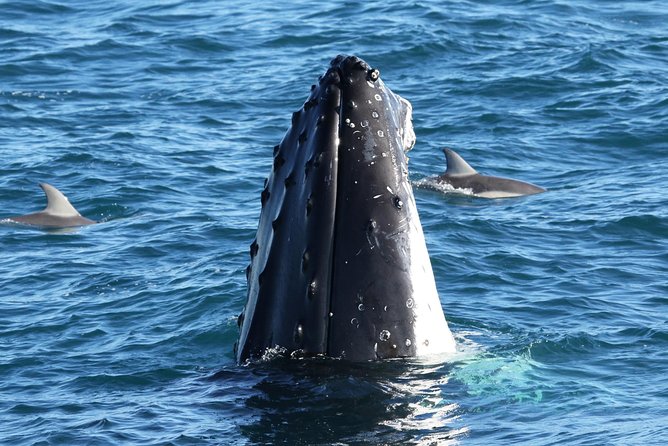
- Whale season matters: The waters around Cape Woolamai and Phillip Island host migrating humpback and southern right whales each winter.
- San Remo is the departure point: You meet at San Remo Jetty, 170 Marine Parade, for the 1:00 pm departure.
- Seal Rocks adds a reliable wildlife stop: The cruise gets close to the rocks so you can look for seals even if whales stay out of sight.
- The boat carries up to 80 people: That is a moderate group size, with more room than a small rigid inflatable boat but less intimacy than a private charter.
- The sea can be rough: The vessel operates in open water, and motion sickness is a real concern in choppy conditions.
- Your ticket includes a little comfort: Afternoon tea, coffee, or tea are served onboard during the approximately three-hour trip.
From San Remo Jetty into open water
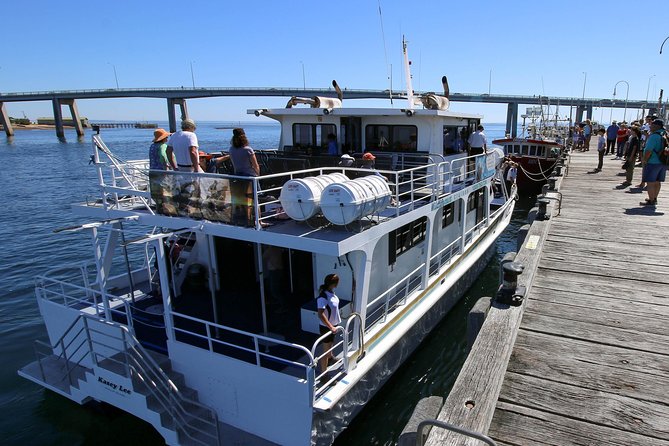
The cruise begins at San Remo Jetty, at 170 Marine Parade. San Remo sits beside the bridge connection to Phillip Island, so this departure point makes sense for visitors exploring the island and the nearby mainland coast.
You leave at 1:00 pm and return to the same meeting point. That afternoon timing is useful if you want a slower morning, but it also means you should plan the rest of your day around a fixed three-hour block. The cruise is not a quick harbor ride. It heads out into open water, where conditions can change quickly.
The first part of the trip gives you a view of the coast from a different angle. Cape Woolamai is known for its rugged shoreline, and seeing it from the water helps you understand how exposed this part of Phillip Island is. You are not simply looking at a postcard view from land. You are watching cliffs, rock shelves, and open sea from the route used by wildlife moving along the coast.
The catamaran is designed for a fairly broad audience. It can carry up to 80 people, enough to create a social outing without the scale of a large ferry. I would choose this format if you want a proper vessel with indoor comfort and room to move, rather than a small boat that puts you close to the water but makes every wave more noticeable.
More Whale and Dolphin Watching Tours in Australia
- Moreton Island: Tangalooma Whale Watching & Dolphin Feeding
★ 4.7 · 57 reviews - Port Stephens 3 Hour Whale and Dolphin Watch Cruise
★ 5.0 · 53 reviews - Philip Island: Dolphin and Whale Cruise
★ 4.4 · 48 reviews
Cape Woolamai Old Granite Quarry from the sea
One of the early points of interest is Cape Woolamai Old Granite Quarry. The cruise spends about 10 minutes in this area while the crew explains the quarry and the wider Cape Woolamai region.
This stop is brief, but it gives the voyage some local context before the focus shifts fully to wildlife. You learn that the coast has a human story as well as a natural one, and the commentary helps connect the visible rock formations with the area’s past.
Do not expect a long shore visit. You do not get off the boat, and there is no admission charge. Think of this as a scenic and informative passage rather than a separate attraction. The short explanation will suit you if you like some background without turning a wildlife cruise into a history tour.
From here, the catamaran moves toward open water. That is where patience becomes part of the experience. Whales and dolphins are wild animals, not scheduled performers, so the crew can take you to likely areas but cannot promise a close sighting.
Whale watching around Cape Woolamai
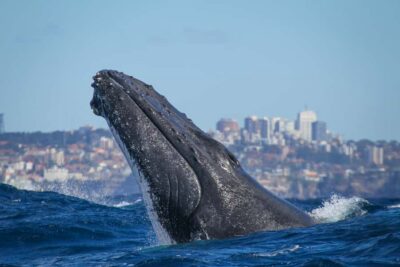
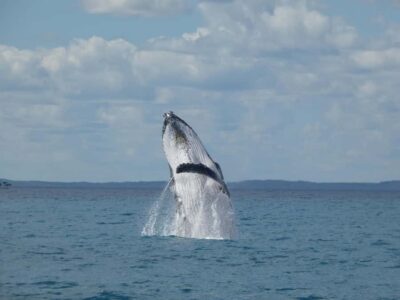
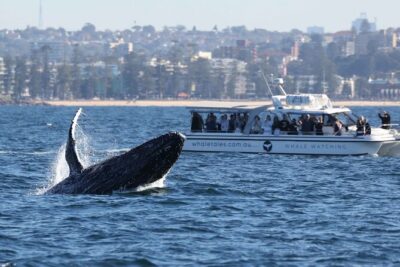
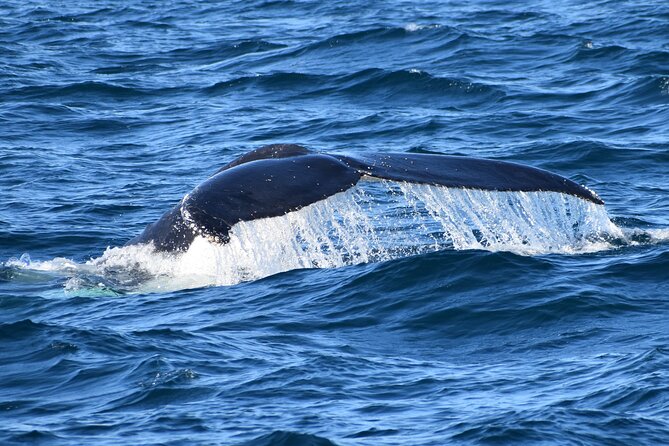
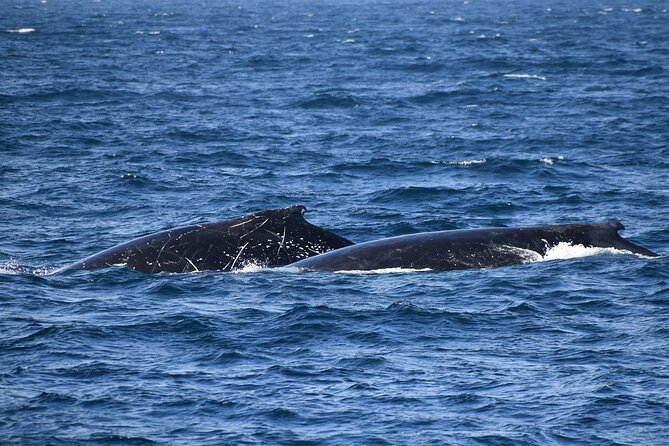
The winter whale migration is the main reason to book this cruise. Humpback whales and southern right whales pass through the waters around Cape Woolamai and Phillip Island on their annual route. If you visit during this season, you have a genuine chance to see one of these large animals at sea.
A whale sighting may be brief. You might see a blow, a back breaking the surface, or a tail before the animal disappears. It is wise to approach this as a search for wildlife rather than a guaranteed show. The supplied experience details do not promise a particular number of whales, and the boat’s open-water route cannot control where animals surface.
That uncertainty is not a flaw in the operation. It is simply the nature of whale watching. Still, it matters when you judge the price. At $96.83 per person, you are paying for the boat, crew, time on the water, coastal viewing, commentary, and the chance to see several kinds of wildlife. You are not buying a guaranteed whale encounter.
One cruise took place in choppy conditions and produced only limited whale activity. The sea motion felt like a never-ending roller coaster to one passenger, although the group still described the trip as wild and fun. This is useful advice: even when sightings are modest, the boat ride itself can become the dominant part of the outing.
I would book this cruise during the winter whale season if whales are your top goal. If you are visiting outside that period, dolphins, seals, coastal views, and seabirds may still make the trip worthwhile, but the whale focus becomes less certain.
Seal Rocks and the search for dolphins
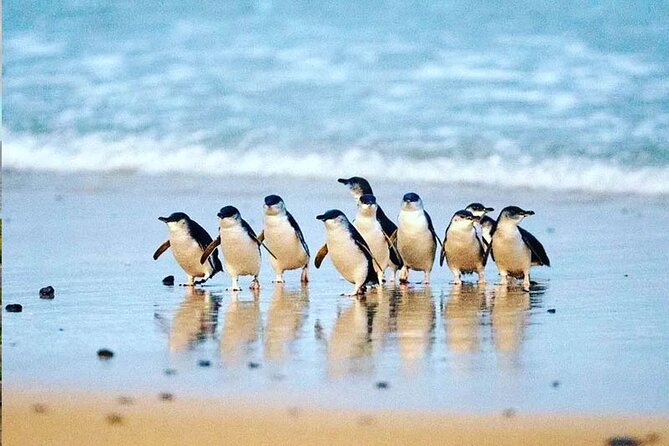
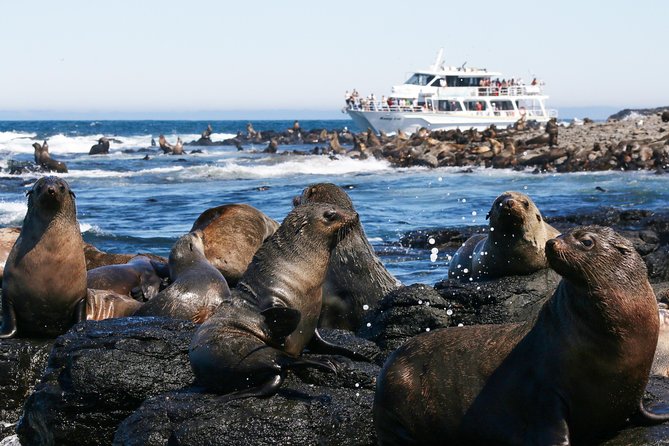
Seal Rocks is one of the strongest parts of the route because it gives you a clear wildlife target. The catamaran heads close enough for you to look for seals resting on the rocks. Unlike whales, which can be hidden below the surface across a wide area, seals often give you a fixed place to scan.
That does not make the sighting automatic. Wildlife remains unpredictable, and the sea may affect how clearly you can see the rocks. Still, a seal colony adds variety and gives you something to look for between whale searches.
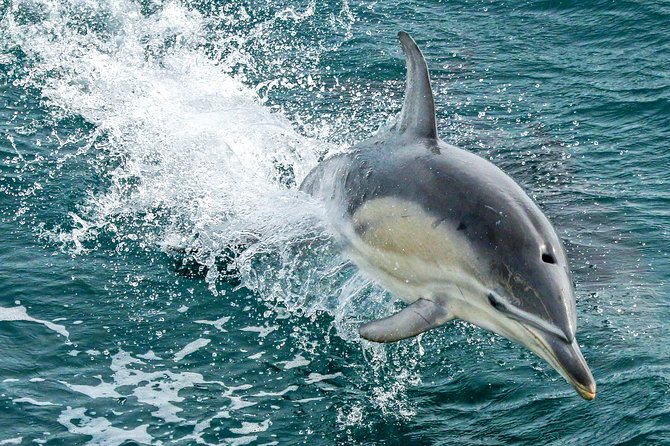
Dolphins are another possibility. The cruise keeps watch for them as it follows the coastline and moves into open water. A pod can appear suddenly and vanish just as fast, so keep your attention on the water rather than assuming all the action will happen at one official stop.
You may also spot an albatross overhead. These large seabirds can circle above the sea, adding another layer to the trip. The wildlife list is appealing because it spreads the risk. If whales remain out of sight, you still have seals, dolphins, seabirds, and the coast itself to watch.
More Whale Watching Cruises in Australia
- Sydney: Whale Watching Adventure Cruise
★ 4.2 · 1,790 reviews - Brisbane Whale Watching Cruise from Redcliffe or Sunshine Coast
★ 5.0 · 997 reviews - Freedom 3/4 Day Hervey Bay Premium Whale Watching Cruise
★ 5.0 · 919 reviews - Sydney Whale-Watching Cruise Including Lunch or Breakfast
★ 4.5 · 878 reviews
What the catamaran adds to the outing
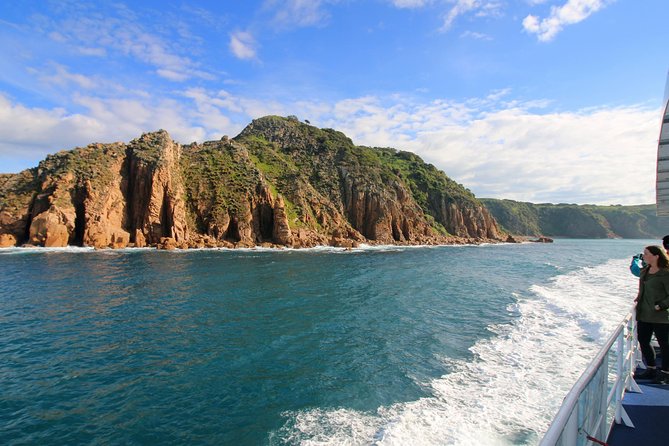
The large catamaran is a practical choice for a three-hour trip. Catamarans generally offer a stable platform and more usable space than a very small boat, though stability does not mean you will avoid motion in rough seas. The recent choppy outing makes that clear.
You can expect onboard commentary about the animals and the places along the route. That matters because open-water viewing can otherwise become a quiet exercise in staring at waves. Information about whales, seals, dolphins, Cape Woolamai, and the quarry gives purpose to what you are seeing.
Afternoon tea is served, along with coffee or tea. It is a modest inclusion, but a welcome one on a three-hour afternoon trip. I like that the food and drinks are part of the outing rather than something you must arrange before boarding. Do not treat it as a full meal. Plan to eat beforehand if you need substantial food.
The vessel’s size also affects the mood. With a maximum of 80 people, you are joining a shared wildlife cruise, not an intimate private trip. That makes the $96.83 price easier to justify for many people, especially if you value a full boat operation, commentary, refreshments, and a route that covers several coastal points.
Preparing for choppy water
This is the most important practical issue. The cruise operates in open water, and the boat may move sharply when the sea is rough. The operator warns that people affected by motion sickness may feel uncomfortable, and a pre-trip SMS warned one group to prepare for seasickness.
Take that warning seriously. If you know you are sensitive to boat motion, speak with a medical professional about suitable precautions before the trip. Eat sensibly, follow the operator’s advice, and avoid treating the cruise as a casual extension of a calm harbor ride.
Dress for the weather rather than the calendar. The cruise is weather dependent, and conditions can change along the coast. Layers are a sensible choice. You may want to stay outside for the best views, but the wind can make the afternoon feel colder than expected.
Good weather does not guarantee calm water, and rough water does not always mean the trip will be canceled. The cruise may operate in conditions that feel uncomfortable to some people. If the operator cancels because of poor weather, you are offered another date or a full refund.
How the $96.83 price measures up
At $96.83 per person, this is not a budget boat ride, but it is also not priced like a private wildlife charter. The value depends on how much you want the complete outing.
You receive about three hours on the water, a catamaran trip from San Remo, coastal viewing, a stop near the old quarry, time around Seal Rocks, commentary, and afternoon tea with coffee or tea. You also get the chance to see whales, dolphins, seals, and albatrosses.
The main risk is that nature may deliver fewer sightings than you hope. A cruise with minimal whale activity can feel expensive if whales are the only reason you booked. The value improves if you appreciate the full setting: the wild coast, changing sea conditions, the possibility of several species, and the chance to spend a substantial afternoon outdoors.
The cruise is often booked about 33 days ahead. That suggests you should not leave it until the last minute if your dates are fixed, especially during the winter whale period. The booking includes a mobile ticket, which keeps the arrival process simple.
Who will enjoy this most
I would recommend this cruise to you if you like wildlife but understand that sightings are never guaranteed. It suits people who want a structured ocean trip rather than arranging their own coastal viewing, and it works well for visitors who want to combine scenery, commentary, and refreshments in one outing.
Families may appreciate the different wildlife targets. Children can watch for dolphins, seals, birds, and whales instead of waiting for one species. The three-hour length is long enough to feel worthwhile but short enough to fit into a broader Phillip Island day.
It may also suit photographers who enjoy changing conditions and natural subjects. Still, open water, boat motion, and unpredictable sightings demand patience. You should think twice if you are prone to seasickness or if a guaranteed close whale encounter is essential.
Most people can participate, and service animals are allowed. The meeting point is near public transportation. These details make the cruise broadly accessible, but they do not remove the physical challenge of a moving vessel in rough water.
Booking, cancellations, and weather plans
You can cancel for a full refund if you do so at least 24 hours before the 1:00 pm start time. Changes or cancellations made less than 24 hours before departure are not refunded or accepted, so watch the local cut-off time.
The cruise requires suitable weather and a minimum number of participants. If poor weather or low numbers force a cancellation, you are offered another date or experience, or a full refund.
That policy is reasonable for an open-water wildlife trip. It also means you should keep some flexibility in your Phillip Island plans. If whale watching is a key part of your visit, avoid scheduling an immovable activity immediately afterward.
Should you book the Dolphin and Whale Cruise?
Book it if you want a proper half-day wildlife outing from San Remo, especially during the winter migration period. The combination of whale watching, Seal Rocks, possible dolphins and albatrosses, Cape Woolamai scenery, commentary, and refreshments gives the trip more substance than a simple ride offshore.
I would not book it expecting a guaranteed whale performance or calm water. The strongest warning is the sea motion, and one recent trip had rough waves with limited whale activity. If you prepare for that possibility, the cruise offers a fair chance to see Phillip Island from a fresh angle and to encounter wildlife on its own terms.
The high rating of 4.8 from 23 ratings and a 96 percent recommendation are encouraging, but the practical choice comes down to your priorities. Choose this experience for the full ocean setting and the range of possible sightings. Skip it if motion sickness is a serious concern or if you need certainty about seeing whales.
FAQ
Where does the Dolphin and Whale Cruise depart?
The cruise departs from San Remo Jetty at 170 Marine Parade, San Remo, Victoria 3925, Australia.
What time does the cruise start?
The scheduled start time is 1:00 pm.
How long does the cruise last?
The cruise lasts approximately three hours and returns to the original meeting point.
What animals might I see?
You may see humpback whales, southern right whales, dolphins, seals, and albatrosses. The cruise also visits Seal Rocks, where you can look for seals.
When are whales found in these waters?
The waters around Cape Woolamai and Phillip Island host migrating humpback and southern right whales each winter.
Is food or drink included?
Yes. Afternoon tea and coffee or tea are provided onboard the catamaran.
How many people can join the cruise?
The activity has a maximum capacity of 80 participants.
Can motion sickness be a problem?
Yes. The cruise operates in open water, and vessel motion may cause discomfort, especially in choppy conditions. The operator advises people affected by seasickness to take this into account.
Can I cancel for a full refund?
Yes, if you cancel at least 24 hours before the scheduled start time. Cancellations made less than 24 hours before the start are not refunded.
Newly added whale trips around Australia
- Tweed Heads: Whale Watching Boat Tour★ 4.7 · 30 reviews
- Bremer Bay Orca Experience★ 5.0 · 79 reviews
- Wilsons Prom Whale Cruise★ 5.0 · 104 reviews
- Whale Watching and Wildlife Cruise Townsville and Magnetic Island★ 5.0 · 11 reviews
- Whales of Sydney Sea Safari★ 5.0 · 2 reviews
- Sydney Whale Watching Cruise from Circular Quay★ 4.5 · 207 reviews
- Whale Watching Sailing Experience in Sydney★ 5.0 · 28 reviews
- Sydney Harbour Tall Ship Whale & Sail – Whale Watching Cruise★ 5.0 · 5 reviews
Australia Whale Watching Tours, side by side.
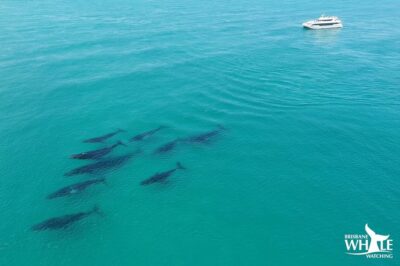
Brisbane Whale Watching Cruise from Redcliffe or Sunshine Coast
Read our review →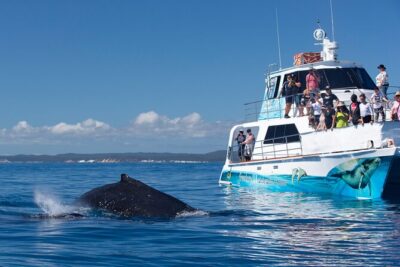
Freedom 3/4 Day Hervey Bay Premium Whale Watching Cruise
Read our review →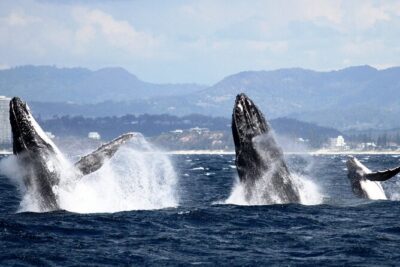
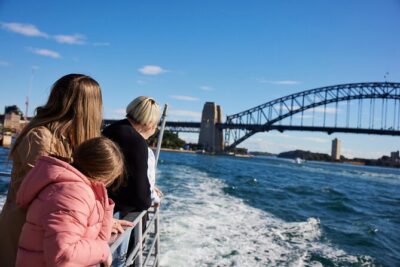
Sydney Whale-Watching Cruise Including Lunch or Breakfast
Read our review →