
Review · AUSTRALIA
From Augusta: Whale Watching Award Winning Tour
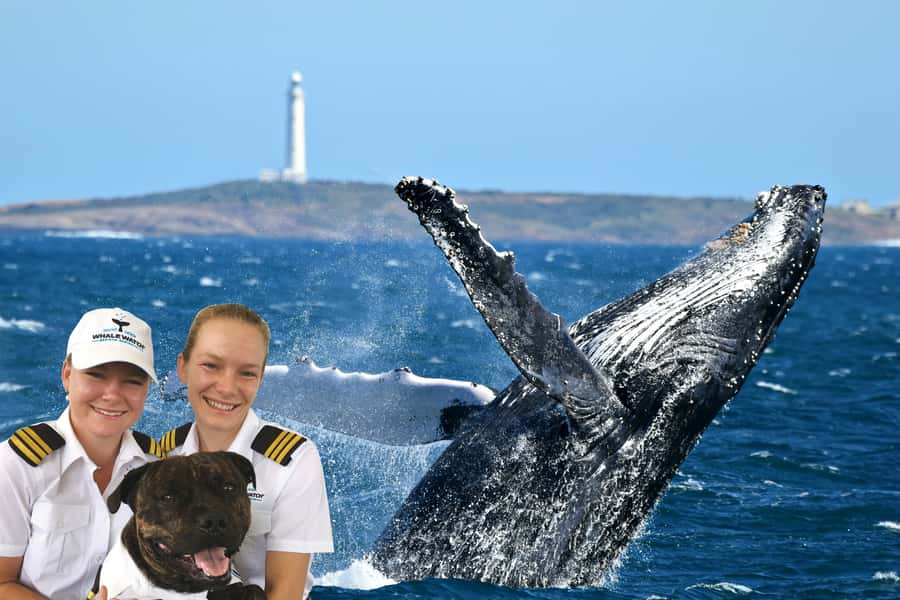
Flinders Bay gives this two-hour whale cruise a strong setting: humpback whales pass close to Augusta during their northern migration, while the protected bay also shelters southern right whale mothers and calves. You get live commentary from a marine mammal expert, not just a boat ride with occasional announcements.
I like the purpose-built whale-watching vessel, which is kept clean and was praised for its excellent condition. I also like the thoughtful extras: a professional photographer works onboard, and you can download the photos after the cruise. The main consideration is simple: whales are wild animals, so sightings, distance, and activity can never be promised.
Key points to know before you book
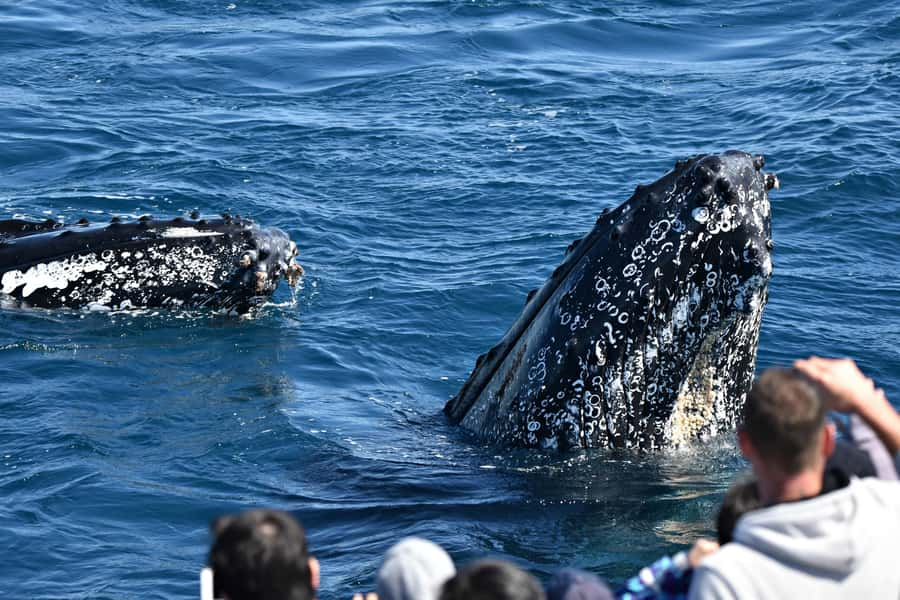
- Late May to August is migration season: Humpback whales move through Flinders Bay on their northern journey.
- Sheltered waters help: The sighting grounds are close to the coast and protected by the bay.
- Southern right whales may also appear: Flinders Bay is used as a nursery for mothers and calves.
- The commentary is part of the experience: An English-speaking marine mammal expert explains whale behavior and migration.
- Photos are included as a useful extra: A professional photographer is onboard, with images available to download after your cruise.
- The tour leaves from Augusta Boat Harbour: Plan around a two-hour outing and leave large bags, luggage, strollers, and smoking materials behind.
Why Flinders Bay is a fine place to watch whales
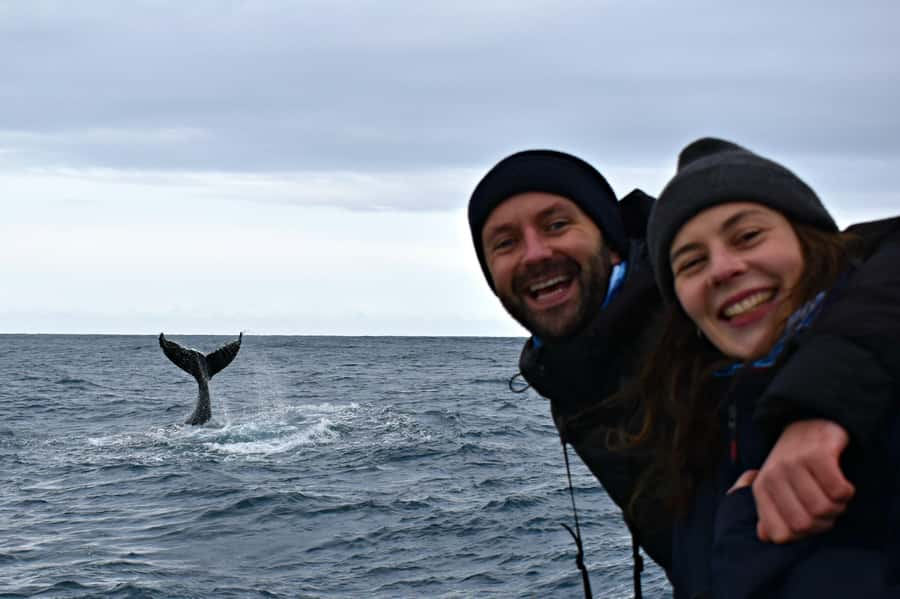
Augusta sits near Cape Leeuwin, the most southwesterly point of Australia. That location puts you close to a major whale route as humpbacks travel north from late May through August. The scale of the migration is impressive, with more than 45,000 humpback whales arriving in Flinders Bay during this period.
You are not heading far offshore simply to search empty water. The sighting grounds let whales travel near the coast, and the bay offers more sheltered conditions than open ocean. That matters for two reasons. You have a better chance of spending the cruise in a protected marine setting, and the surroundings are easier to appreciate while you listen to the guide.
The bay is also a nursery for endangered southern right whales. Mothers use the calmer coastal waters to raise their calves, so your trip is not limited to one species or one migration story. A humpback may be the main attraction, but a southern right whale sighting would add a different lesson in whale behavior and conservation.
The operator also points to bottlenose dolphins and common dolphins feeding in the bay. Albatross, shearwaters, and gannets may be seen taking part in the same feeding activity. These sightings are not guaranteed, but they give you more to watch for between whale encounters.
More whale trips worth the boat ride around Australia:
- Sydney: Whale Watching Adventure Cruise
★ 4.2 · 1,790 reviews - Brisbane Whale Watching Cruise from Redcliffe or Sunshine Coast
★ 5.0 · 997 reviews - Freedom 3/4 Day Hervey Bay Premium Whale Watching Cruise
★ 5.0 · 919 reviews
Leaving Augusta Boat Harbour for the two-hour cruise
Your starting point is Augusta Boat Harbour, a clear and practical meeting place in town. The experience lasts two hours, which is long enough to give the crew time to look for whales without taking up an entire day of your South West itinerary.
The vessel is a luxury boat built specifically for whale watching. That is more useful than it may sound. A purpose-built boat is intended to give you a good viewing platform and a comfortable base for listening, watching, and taking photographs. It also helps the cruise feel like a focused wildlife trip rather than a general harbor outing.
The vessel’s condition is worth noting. It was described as very clean, and the crew received praise for keeping the trip comfortable and well run. That practical care matters on a short cruise, since a poorly maintained boat can distract from the wildlife. Here, the boat is meant to support the experience rather than compete with it.
You should pack lightly. Baby strollers, smoking, luggage, and large bags are not allowed. Bring only what you can manage easily during the cruise, and dress for time on the water, though the supplied information does not specify a required clothing list.
What the live commentary adds to the whale sightings
A whale watching trip is much better when you understand what you are seeing. The live commentary comes from a marine mammal expert and is delivered in English. You learn about the humpback whale’s life story and the long migration between feeding and breeding areas.
This turns a distant sighting into something easier to read. A blow, a back rolling through the water, or a tail appearing briefly can mean more when you know how humpbacks behave. The guide also helps connect the individual animal to the wider migration and the need to protect marine habitats.
The commentary is not presented as a separate lecture. It happens during the cruise, alongside the search for whales and other marine life. That format should suit both first-time whale watchers and people who already know a little about marine mammals. You can enjoy the excitement of looking out across the bay while adding useful context.
The conservation message is another important part of the trip. Whale Watch Western Australia uses education to encourage responsible whale watching and protection of marine habitats. You are not simply being shown animals for entertainment. You are also being reminded that these species depend on healthy coastal waters and careful human behavior.
The whales and marine life you may see
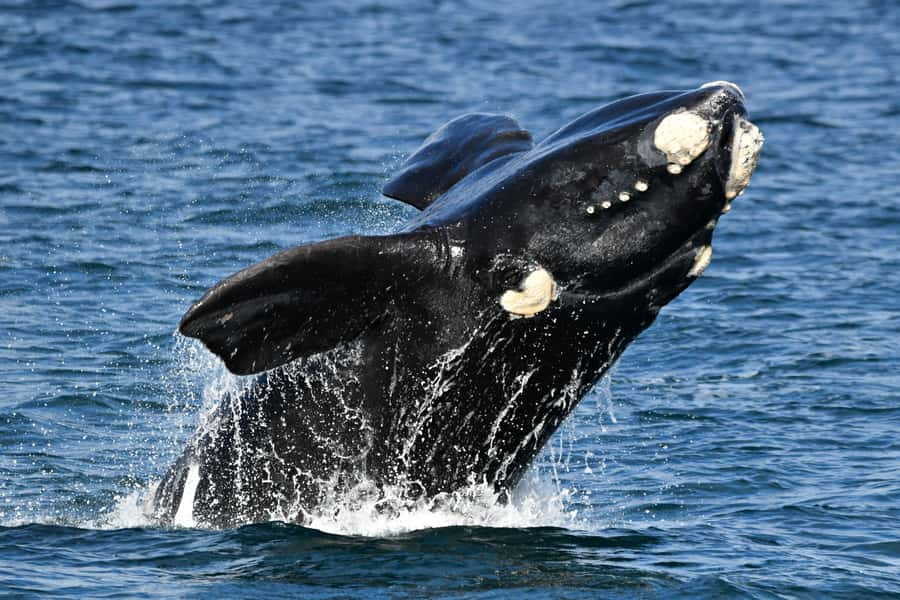
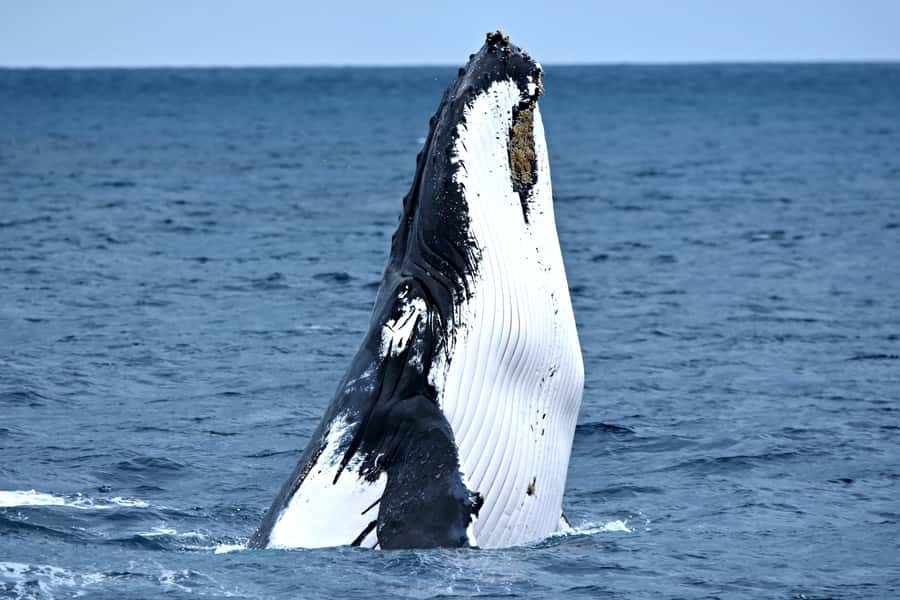
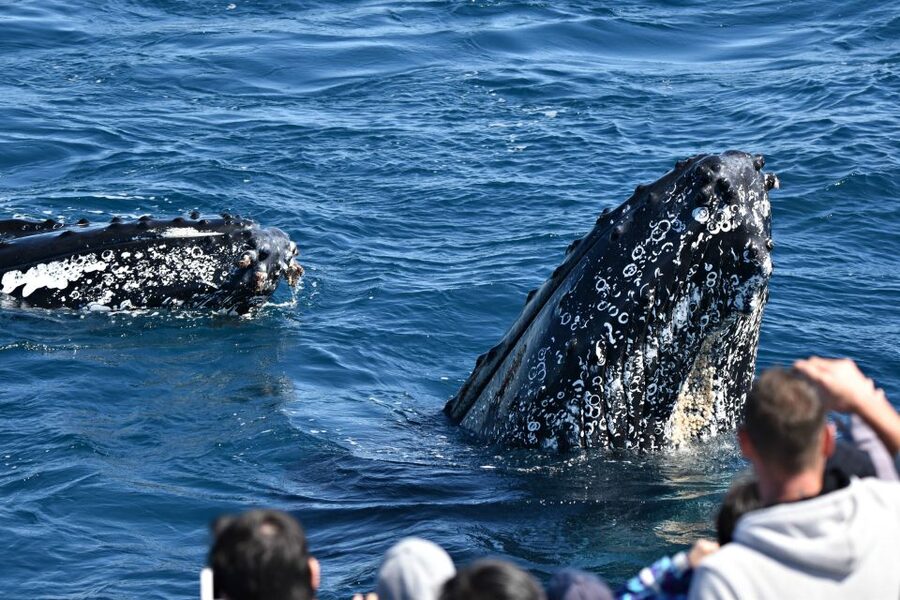
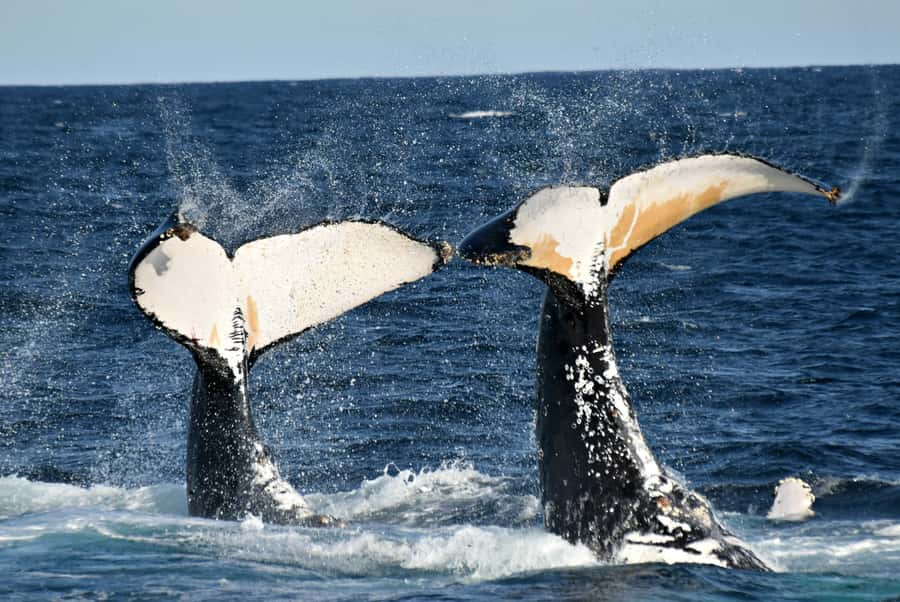
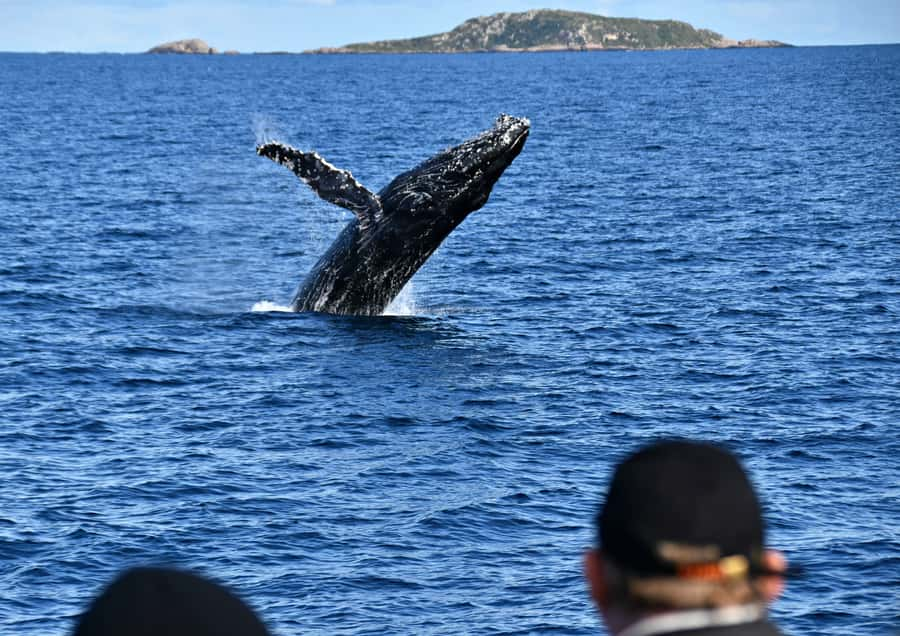
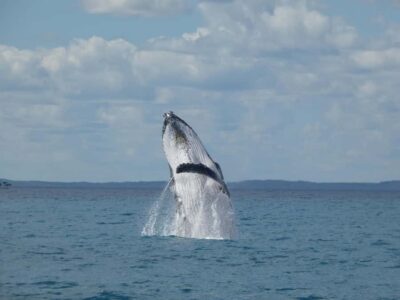
Humpback whales are the main reason to book this cruise. During the northern migration, they pass through Flinders Bay in large numbers. The trip gives you the chance to watch them in a setting close to Augusta rather than treating them as a distant subject in an open-ocean search.
The best part of wildlife watching is often the uncertainty. You may see a whale moving through the water, surfacing, or showing part of its body before disappearing again. You might see more active behavior, but the supplied information does not promise a particular display. Keep your expectations focused on seeing whales in their natural environment, not on a staged performance.
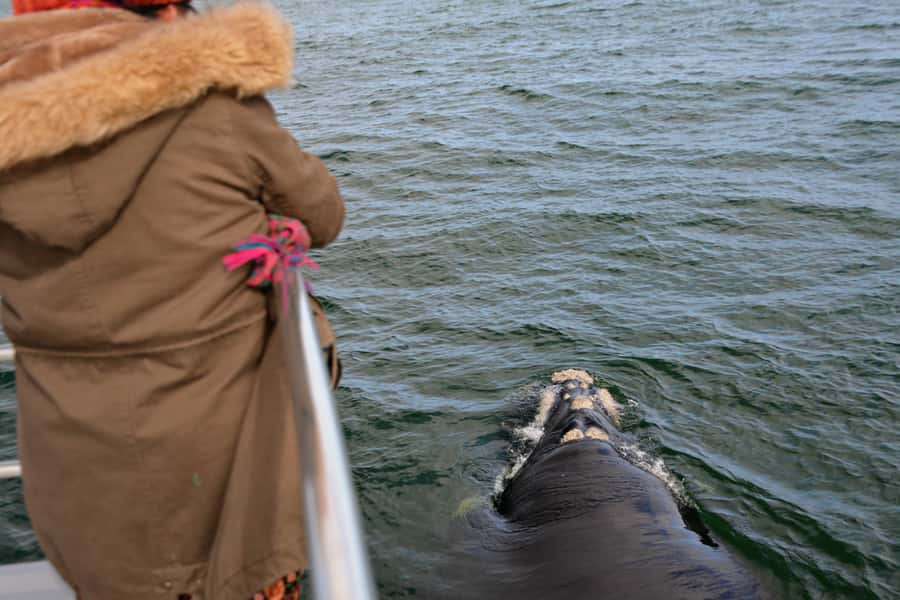
Southern right whales are another possibility. The bay provides nursery waters where mothers raise young calves, and that makes the setting especially meaningful. A mother and calf pair may be less dramatic than a large surface display, but it can offer a quieter look at how whales use protected coastal areas.
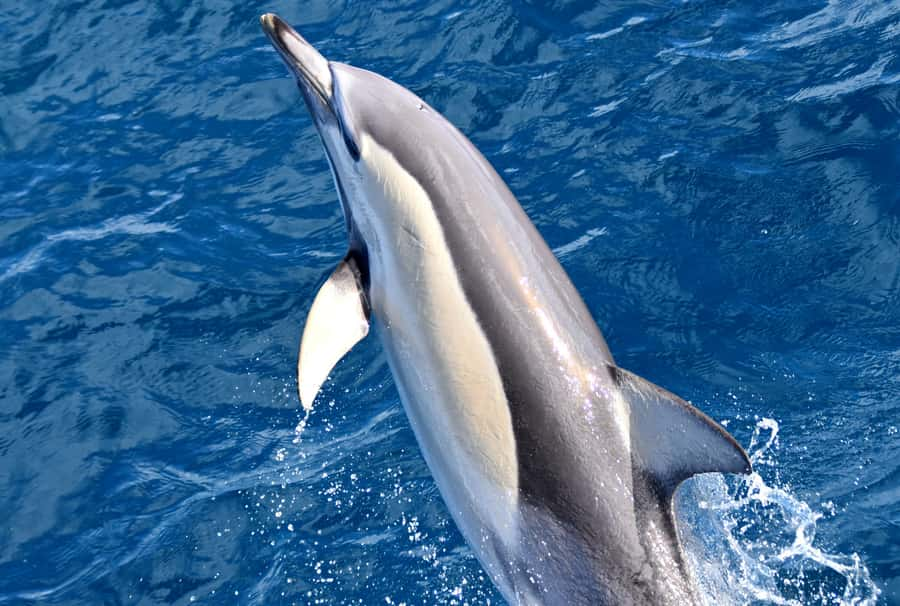
Dolphins can add movement to the cruise. Bottlenose dolphins and common dolphins are regularly associated with feeding activity in the bay. The birdlife broadens the picture further. Albatross, shearwaters, and gannets may be seen feeding in the same waters, giving you a chance to watch a working marine ecosystem rather than a single species in isolation.
I would bring binoculars if you already own a compact pair, though the tour information does not list them as part of the equipment. Keep your camera ready, but do not spend the entire cruise looking through a screen. The photographer onboard handles the task of capturing professional images, leaving you freer to watch the water.
Same migration, a different deck:
- Whale Watching Tour with Spirit of Gold Coast
★ 4.5 · 884 reviews - Sydney Whale-Watching Cruise Including Lunch or Breakfast
★ 4.5 · 878 reviews - Sydney: 2-hour Express Whale Watching Cruise
★ 4.2 · 756 reviews - Spirit of Gold Coast 2.5-Hour Whale Watching Tour
★ 4.2 · 703 reviews
The onboard photographer and downloadable pictures
The professional photographer is one of the tour’s more useful features. Wildlife photography from a moving boat can be difficult, especially when a whale surfaces for only a moment. Having someone onboard focused on photographs means you can pay attention to the guide and the animals instead of trying to do everything yourself.
You can download professionally taken photos after the cruise. The information provided does not specify how many images you receive, how they are delivered, or whether an extra charge applies, so check those details when booking if the photos matter to you.
This extra also affects the tour’s value. At $67 per person, you are paying for the two-hour cruise, the vessel, live expert commentary, and the photographer’s work. If you usually buy wildlife images or struggle to photograph moving animals, the photo service may make the price feel more worthwhile.
Still, think of the photos as a bonus rather than the main reason to go. The real value is time spent watching whales in Flinders Bay and learning how they use the area. A photograph is a nice reminder, but it cannot replace the experience of scanning the bay and seeing an animal surface in front of you.
Is $67 a fair price for two hours?
At $67 per person, this sits in a reasonable range for a focused wildlife cruise with several included elements. You get a two-hour outing, a purpose-built whale-watching vessel, live commentary from a marine mammal expert, and a professional photographer onboard.
The price makes the most sense if you value interpretation, not just transport. A cheaper boat ride without commentary might show you the bay, but it would give you less help understanding the migration, whale behavior, and conservation concerns. Here, the guide forms a central part of what you are buying.
The professional photos also improve the value, especially for families or visitors who want a lasting record without asking one person to spend the entire trip taking pictures. The cruise is short enough to fit beside other Augusta plans, so you are not committing a full day or paying for a large package of extras you may not use.
I would be more cautious if you need a guaranteed close encounter or a specific species. No responsible wildlife operator can control where whales surface, and the information does not promise sightings of humpbacks, southern right whales, dolphins, or seabirds on every departure. Book it for a well-run chance to see marine life, not a fixed show.
Who will enjoy this Augusta whale cruise?
This experience suits families, couples, and solo visitors who want a manageable wildlife outing in Western Australia’s South West. The two-hour length is especially handy if you are visiting Augusta, Cape Leeuwin, or the wider Margaret River region and want to add a marine experience without losing a whole day.
It also works for curious first-time whale watchers. You do not need to arrive with specialist knowledge. The live guide explains the animals and migration as you watch, so you can follow the story from the start.
Marine enthusiasts should appreciate the broader setting. Humpbacks are the headline species, but southern right whales, dolphins, and seabirds all form part of what you might encounter. The emphasis on conservation gives the trip more substance than a simple search for a dramatic photograph.
The cruise may be less suitable if you are carrying a stroller or large luggage, since these are not allowed onboard. Smoking is also not permitted. The available information does not provide details about accessibility, motion sickness arrangements, or the exact seating layout, so contact the operator directly if any of those points affect your decision.
What the strong customer feedback tells me
The strongest praise centers on the crew and the vessel. One recent assessment described an excellent, very clean boat, friendly staff, and excellent commentary. That combination is important because a whale cruise depends on both the equipment and the people running it.
Another comment singled out the women onboard for being helpful, caring, and kind. I would take that as a useful sign for families and anyone who wants a crew that pays attention to passenger comfort, not only whale sightings.
The experience holds a 4.8 rating from 13 reviews, with the available comments giving it top marks. That is a small sample, so I would not treat the score as a guarantee. Still, the praise is specific: cleanliness, crew care, commentary, and the family-run feel all point to a trip that takes its service seriously.
There are no detailed comments about weather, sea conditions, exact group size, or the number of whales seen. Those unknowns are worth keeping in mind. Wildlife tours can vary from one departure to the next, even when the operator is excellent.
Booking, timing, and a few practical tips
The tour runs in English and includes a live guide. Check the available starting times when you book, since the supplied information does not give a fixed departure schedule.
The strongest seasonal window is late May through August, when humpbacks pass through Flinders Bay on their northern migration. That period also gives you a chance to look for southern right whales using the bay as nursery water.
You can reserve now and pay later, which helps if your Western Australia plans are still shifting. You can also cancel up to 24 hours before the activity for a full refund. Those terms are useful for a weather-sensitive wildlife outing, though you should confirm the conditions at the time of booking.
Plan to arrive at Augusta Boat Harbour with only small personal items. Leave strollers, large bags, and luggage elsewhere. Keep your attention on the water, listen to the commentary, and let the onboard photographer handle the difficult shots.
Should you book Whale Watch Western Australia?
I would book this cruise if you want a short, well-supported whale watching outing near Augusta, especially during the late May to August migration. The sheltered Flinders Bay setting, expert commentary, clean purpose-built vessel, and onboard photographer give you more than a basic boat trip.
I would skip it only if you need guaranteed close whale encounters, require a specific accessibility setup that has not been confirmed, or dislike the uncertainty that comes with wildlife watching. For everyone else, $67 buys a focused two-hour introduction to the whales, dolphins, and seabirds of Flinders Bay, with enough explanation to make the sightings mean more.
FAQ
How long is the whale watching tour?
The cruise lasts two hours.
Where does the tour depart from?
The meeting point is Augusta Boat Harbour in Western Australia.
What language is the tour conducted in?
The live tour guide provides commentary in English.
What animals might I see?
The main focus is humpback whales. You might also see endangered southern right whales, bottlenose dolphins, common dolphins, albatross, shearwaters, and gannets.
When is the humpback whale migration?
The annual humpback migration through Flinders Bay takes place from late May to August.
Are photographs included?
A professional photographer is onboard, and professionally taken photos are available to download after the cruise. The supplied information does not state whether an additional photo fee applies.
Can I cancel or pay later?
You can reserve now and pay later. Cancellation up to 24 hours in advance qualifies for a full refund.
Newly added whale trips around Australia
- Tweed Heads: Whale Watching Boat Tour★ 4.7 · 30 reviews
- Bremer Bay Orca Experience★ 5.0 · 79 reviews
- Wilsons Prom Whale Cruise★ 5.0 · 104 reviews
- Whale Watching and Wildlife Cruise Townsville and Magnetic Island★ 5.0 · 11 reviews
- Whales of Sydney Sea Safari★ 5.0 · 2 reviews
- Sydney Whale Watching Cruise from Circular Quay★ 4.5 · 207 reviews
- Whale Watching Sailing Experience in Sydney★ 5.0 · 28 reviews
- Sydney Harbour Tall Ship Whale & Sail – Whale Watching Cruise★ 5.0 · 5 reviews
Australia Whale Watching Tours, side by side.
Brisbane Whale Watching Cruise from Redcliffe or Sunshine Coast
Read our review →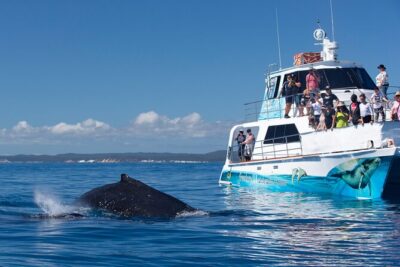
Freedom 3/4 Day Hervey Bay Premium Whale Watching Cruise
Read our review →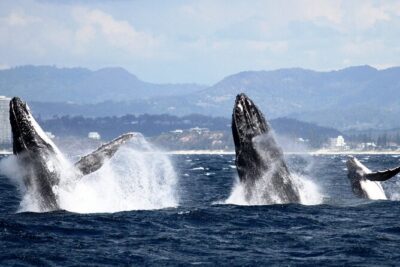
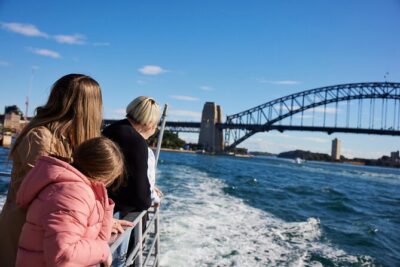
Sydney Whale-Watching Cruise Including Lunch or Breakfast
Read our review →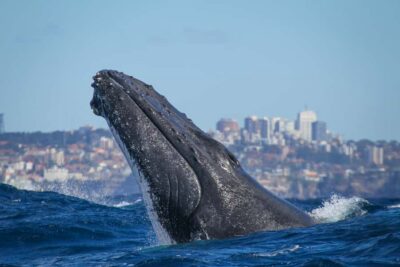
Lists this trip appears in