
Review · NORWAY
Skjervøy: Orca and Whale-Watching comfort heated Boat Trip
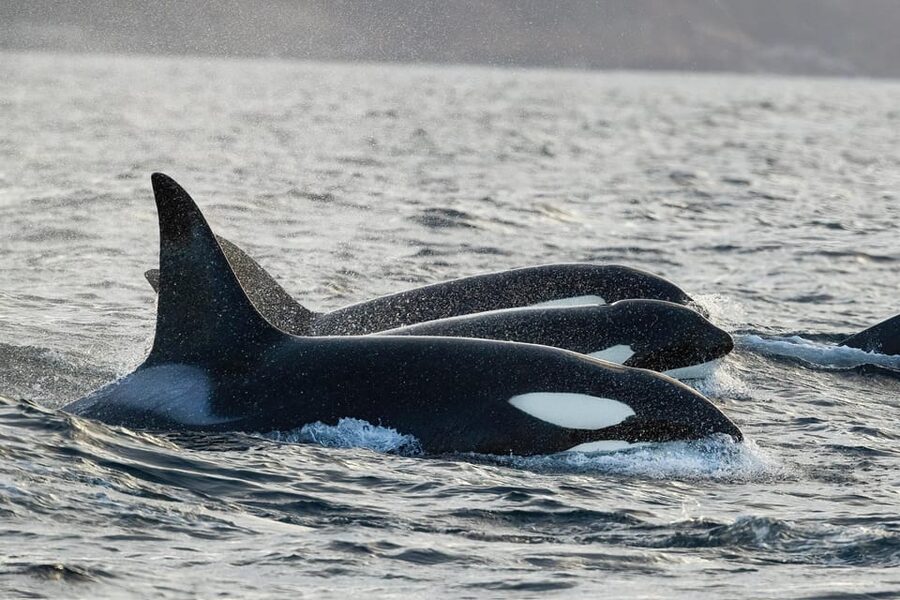
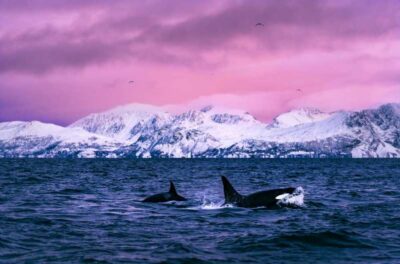
Orcas are the main event here, and Skjervøy’s Arctic waters can put you close to several pods in a single outing. The boat’s open terrace, hydrophone, and night vision camera add real wildlife value, while the heated cabin keeps the cold from taking over.
I like the steady, covered boat, which should feel less punishing than an open RIB, and I like the guides’ approach to wildlife. Filippo and Captain Jacob have been praised for shutting off the engine near the whales and letting the animals choose the distance. The possible drawback is simple: wildlife is never guaranteed, and rough seas can still affect comfort.
Key points
- Several orca pods may appear in one trip, along with humpback whales and other cetaceans.
- The heated cabin and outdoor terrace let you switch between warmth and clear photography views.
- Filippo and Captain Jacob may lead the outing, with an environmental guide and captain sharing the work.
- A hydrophone and night vision camera add sounds and views beyond ordinary whale watching.
- The boat is suited to photographers, with advice on lenses, positioning, and timing.
- The tour costs $301 per person, so the comfort and wildlife focus matter when judging its value.
Why Skjervøy is a strong place to search for orcas
Skjervøy sits in northern Norway, where Arctic waters support large marine animals. This outing heads into the Barents Sea in search of orcas, humpback whales, minke whales, and fin whales. You are not visiting an aquarium or a managed viewing area. The animals set the schedule.
That makes the trip exciting but uncertain. You might see a pod moving across the water, a humpback surfacing nearby, or nothing more than distant blows and fins. The guides can search, read the water, and help you spot movement, but they cannot promise a wildlife encounter.
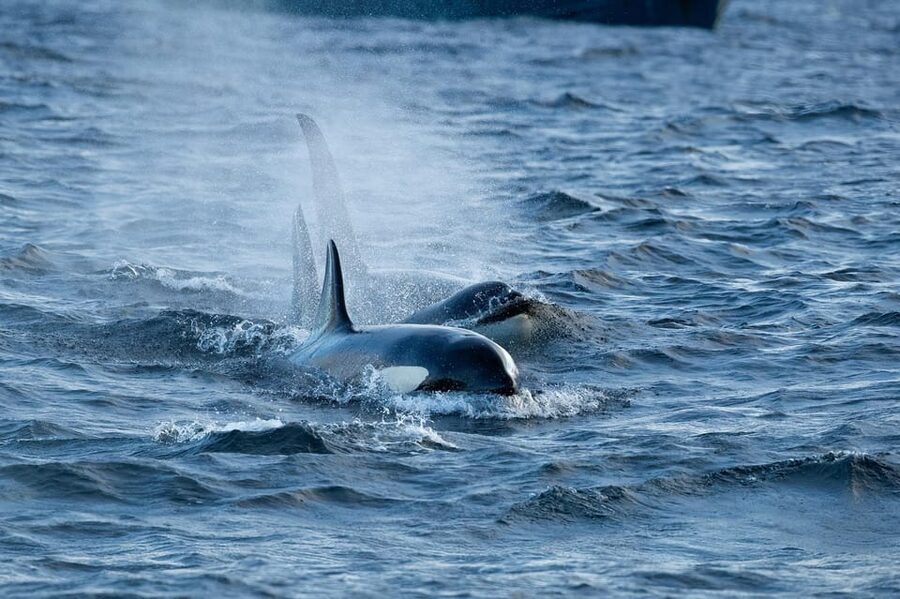
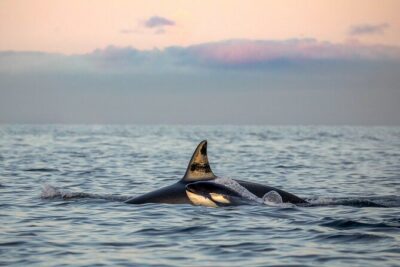
The strongest reports from this outing describe roughly four orca pods, with about 10 to 15 animals in each pod, plus several humpback whales. Treat that as a lucky day rather than a forecast. It does show what the area can offer when the conditions and animal movements line up.
More Orca Watching Tours in Norway:
- From Tromsø: All-Inclusive Whale & Orca Safari
★ 4.5 · 1,221 reviews - Tromsø: Orca and Whale Watching comfort heated boat Trip
★ 4.8 · 107 reviews - Skjervøy: Whale and Orca Watching Tour by RIB Boat
★ 4.1 · 87 reviews
A heated boat instead of a hard ride in a RIB
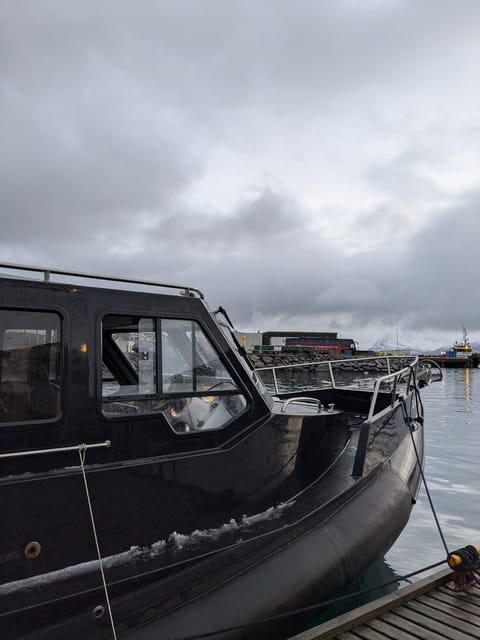
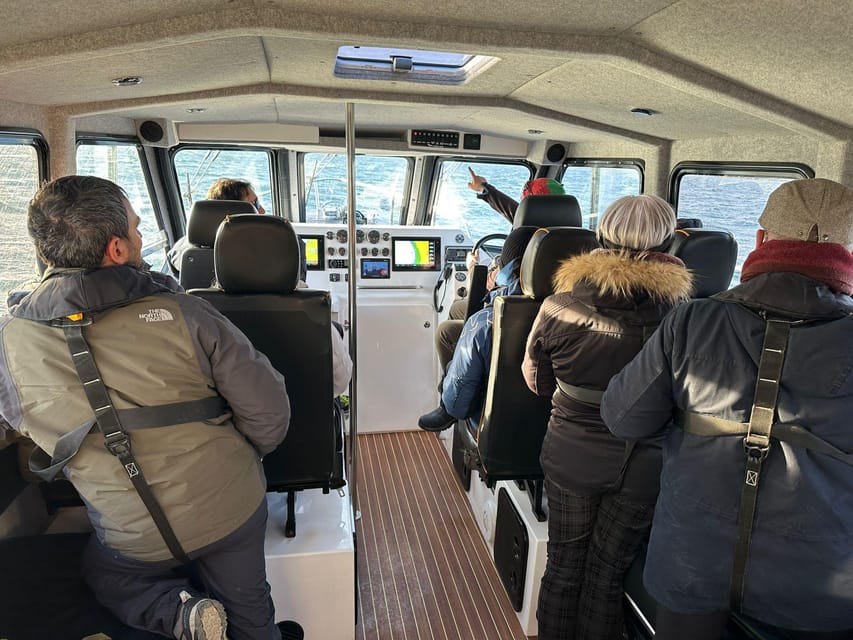
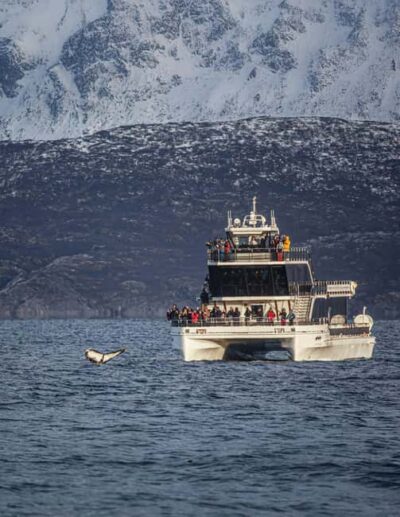
The boat is covered and heated, with a cabin, toilet, and outdoor terrace. That combination matters in northern Norway. You can step outside for photographs, then retreat indoors when the wind cuts through your layers.
The vessel is designed for both speed and comfort. Its stability is presented as a major advantage over traditional rigid inflatable boats, which often give you a lively, bouncy ride. That does not make seasickness impossible, but it should make the outing easier for many people.
You do not need a special flotation suit for this boat. That is a practical benefit, especially if you dislike bulky outer gear or want to handle a camera without wrestling with thick clothing. You should still dress warmly, since the terrace is exposed and you may spend time outside waiting for a whale to surface.
The cabin is more than a place to hide from bad weather. It gives you a chance to warm your hands, settle your breathing, and prepare for the next sighting. Hot drinks are included, along with biscuits according to the detailed trip feedback. Those small comforts matter during a three-and-a-half-hour search.
What happens at the Skua Nature meeting point
You meet at the Skua Nature banner or flag at the stated starting location. The activity returns to that same meeting point, so you do not need to arrange a separate return transfer after the boat ride.
Before departure, expect a short orientation and safety briefing. Pay close attention to the guide’s instructions about moving around the boat, using the terrace, and approaching wildlife. A good wildlife trip depends on quiet, careful behavior, particularly when the engine is switched off near the animals.
The advertised duration is around 3 hours and 30 minutes. The itinerary also describes the whale-watching portion as four hours, so check the exact departure details when booking. Starting times vary, and the available schedule is the best place to confirm the length and timing of your particular trip.
Searching for orcas across the Arctic water
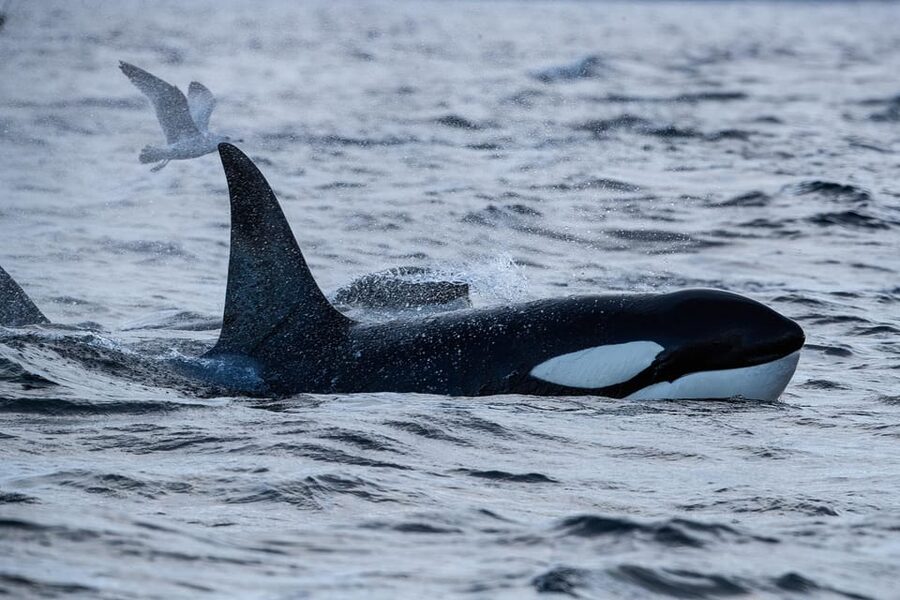
Once the boat leaves Skjervøy, the main task is patient searching. Orcas may appear as a dorsal fin, a blow, a group of backs moving in rhythm, or a sudden change in the water ahead. Your guide will help you read these signs and point out animal behavior that is easy to miss.
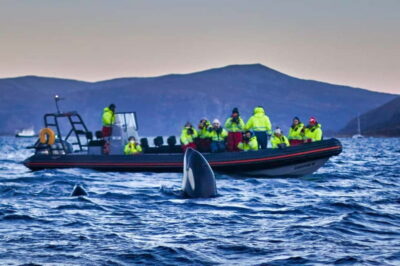
The reported encounters include pods coming quite close after the engine was turned off. That detail tells you something important about the approach. The crew does not need to chase every animal at full power. They can stop, reduce the noise, and allow the orcas to decide how near they want to come.
That is better for the animals and better for your photographs. A pod approaching a quiet boat gives you a calmer scene than a fast pursuit. It also demands patience. The best moment may come after several quiet minutes, so resist the urge to stare only at the spot where you last saw a fin.
The guides also avoid staying too long with one pod. This helps keep the encounter respectful and gives the crew a chance to continue searching for other wildlife. You may move between sightings rather than spending the entire outing with one group.
More whale trips worth the boat ride around Norway:
- Tromsø: Whale Watching Tour by Hybrid-Electric Boat
★ 4.5 · 4,217 reviews - Tromsø Whale Safari with MS Gabriele
★ 4.3 · 1,937 reviews - From Tromso: Whale Watching in Magic Skjervoy
★ 4.7 · 1,207 reviews - Silent Whale Watching by Hybrid-Electric Boat from Tromsø
★ 4.5 · 1,017 reviews
Humpbacks and other whales add variety
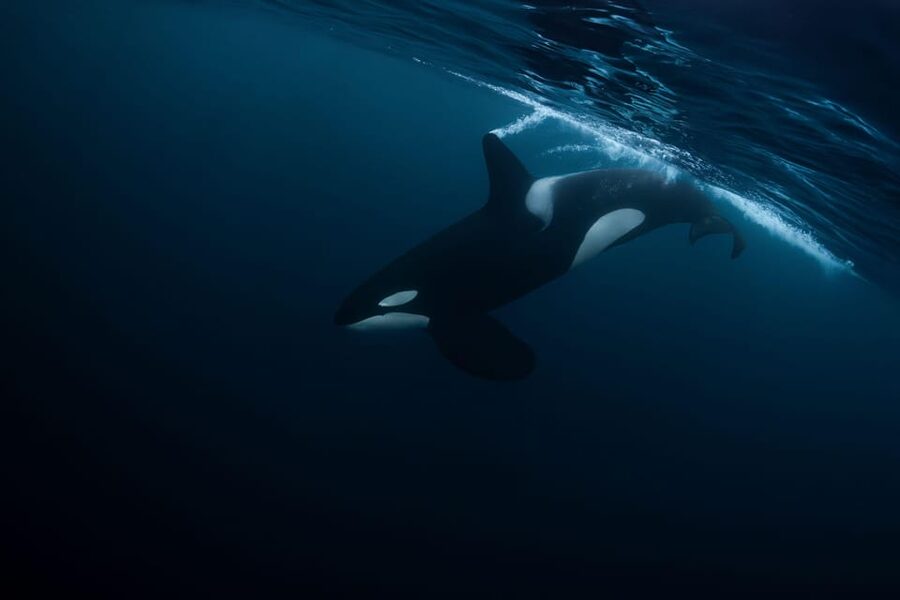
Orcas are the headline sighting, but they are not the only reason to go. Humpback whales are among the main animals you may encounter, and the trip also lists minke and fin whales as possibilities.
Humpbacks can offer a different kind of sighting from orcas. Their larger bodies and distinctive blows may be visible from farther away, while a tail or back can appear and disappear before you have your camera ready. Your guide’s job is partly to help you stay alert without turning the outing into a frantic search.
Minke whales and fin whales are also possible, though the information does not give a sighting rate for any species. Keep your expectations broad. The best mindset is to hope for orcas while appreciating every cetacean encounter that comes your way.
Photography help that goes beyond finding the animals
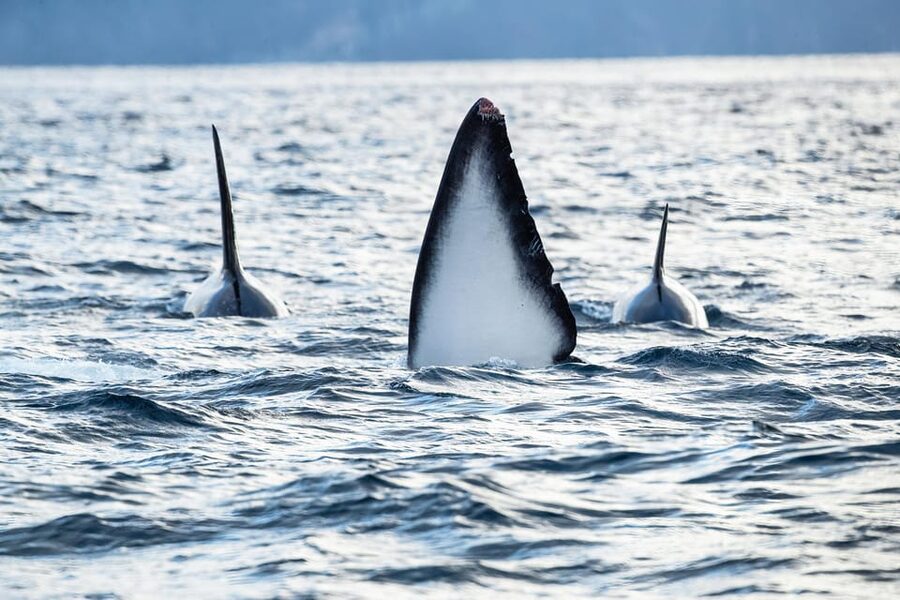
This outing is built with wildlife photography in mind. Bring a camera and a telephoto lens if you have one. You will need reach for distant animals, but you should also be prepared for close approaches, where a long lens may frame only part of a whale or pod.
The outdoor terrace gives you unobstructed views and a better angle for photographs than a fully enclosed cabin. You can watch the sea without a window between you and the animals. The tradeoff is exposure to wind and cold, so keep your hands warm and be ready to retreat indoors between sightings.
The guides provide tips on capturing the animals. That can include helping you anticipate surfacing patterns, find the right side of the boat, and react when a pod changes direction. The supplied details do not promise professional photography instruction, so think of this as useful field guidance rather than a dedicated photography class.
You should also allow room for imperfect photographs. Wildlife moves quickly, Arctic light can change, and a whale may surface on the opposite side of the boat. A steady boat improves your odds, but it does not turn nature into a posed subject.
The hydrophone gives you another way to meet the wildlife
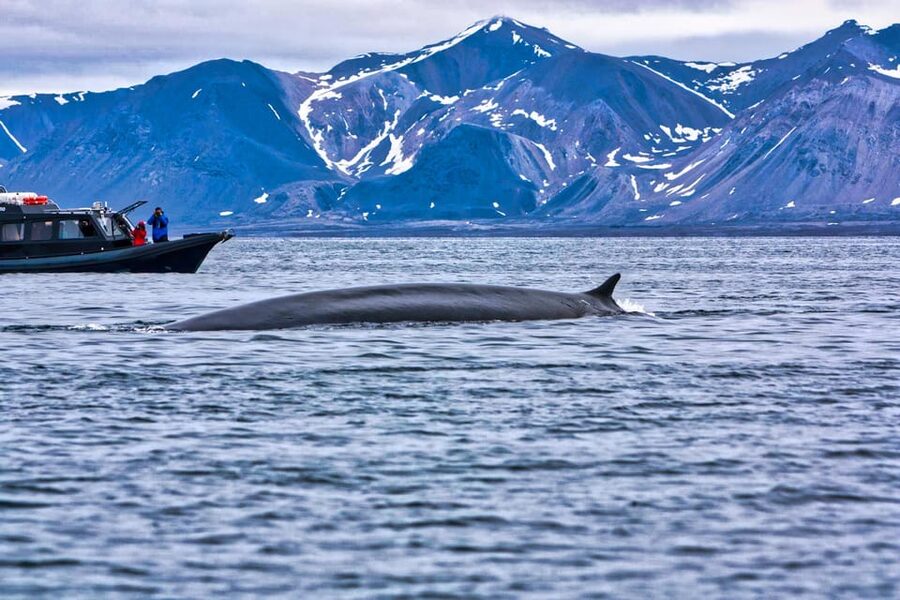
The onboard hydrophone lets you listen to underwater sounds, including the calls of orcas and other marine animals. This is one of the more distinctive features of the trip. Whale watching is often treated as a visual activity, but sound can help you understand that the sea is active even when the surface looks empty.
The boat also carries a night vision camera. The supplied information does not explain exactly when or how it is used, so do not book solely for a promised night-time display. Still, it adds another tool for observing marine life and may be useful in low-light conditions.
These features are valuable because they give you more to do during quiet stretches. You are not simply waiting for a fin to appear. You can listen, learn about animal behavior, and keep scanning the water with guidance from the crew.
How Filippo and Jacob shape the outing
The trip uses a captain and an environmental guide. Filippo and Jacob are the names connected with the strongest detailed feedback, with Filippo serving as guide and Jacob as captain. Your departure may have the same pair, but confirm the current crew if that matters to you.
The praise focuses on their enthusiasm, friendly manner, and care around the animals. More important than personality is their method. They reportedly switched off the engine close to orca pods, avoided staying too long, and let the animals approach the stationary boat.
That is the kind of conduct I want from a whale-watching crew. It puts the welfare of the animals ahead of collecting the closest possible photograph. It also gives you a quieter, more natural moment on the water.
The activity is offered in English and Italian. That is useful if you prefer one of those languages for explanations and safety instructions. The guide’s wildlife knowledge is central to the outing, since spotting marine animals in open water is much easier when someone experienced is scanning with you.
Comfort, seasickness, and who should book
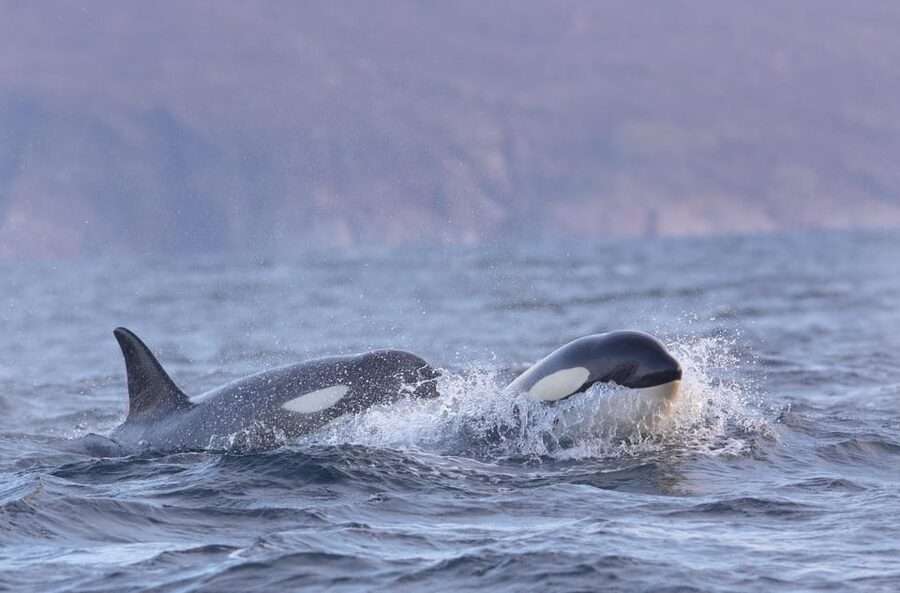
The heated cabin makes this a better match for people who want Arctic wildlife without spending the full outing exposed to wind. It also suits photographers who need a stable platform and a place to protect equipment between sightings.
You should take seasickness seriously. The operator recommends appropriate medication in advance, usually two hours before departure, if you are prone to motion sickness. The boat is designed for stability, but no vessel can remove all movement from open water.
This trip is not suitable for children under six or for pregnant women. The activity lasts around three and a half hours, so it is also worth considering how comfortable you are with a sustained boat ride and repeated periods of waiting.
I would choose this outing over a more basic boat safari if warmth, a toilet, steady viewing, and photography access are important to you. If your only goal is the lowest possible price, $301 is a serious commitment, especially when sightings remain uncertain.
Is $301 a fair price?
At $301 per person, this is not a casual add-on. You are paying for a specialized wildlife outing with a covered heated boat, captain, environmental guide, hot drinks, a terrace, photography advice, a hydrophone, and onboard toilet facilities.
The value improves if you would otherwise avoid a cold, exposed RIB trip. A warmer cabin can make the difference between watching the sea carefully and spending the entire time trying to endure it. The boat’s stability also matters if you are carrying a camera with a telephoto lens.
The price is harder to justify if you are booking only because you expect a guaranteed orca show. No wildlife company can promise that. You should decide if the boat design, guiding, and chance to see several species are worth paying for even on a quiet day.
A high rating of 4.9 from 27 ratings supports confidence in the overall operation, but it does not remove the natural risk. Conditions, animal movement, and visibility remain outside the crew’s control.
Simple ways to prepare for better sightings
Bring your camera and telephoto lens if you have them. Keep the camera ready before the first sighting, since a pod can surface and disappear in seconds.
Listen during the safety briefing, even if you have taken boat trips before. The crew will explain how to use the boat safely and how to behave near wildlife.
If you are prone to seasickness, follow the recommended medication timing rather than waiting until you feel ill. Once nausea starts, it can be difficult to enjoy the whales or handle a camera.
Use the cabin as a practical tool, not as a sign that you are missing out. Warm up, drink something hot, and return to the terrace when the guide signals a promising sighting.
Finally, bring patience. The best moments may come after the engine stops and the sea seems quiet. Give the animals time to make the next move.
Should you book this Skjervøy whale trip?
Book it if you want a serious search for orcas with better comfort than a standard open boat. The heated cabin, stable design, outdoor terrace, hydrophone, and wildlife-focused guiding make this especially appealing to photographers and anyone sensitive to Arctic cold.
You should pause if $301 stretches your budget or if an unsuccessful wildlife search would ruin your day. Sightings are not guaranteed, and the published timing should be checked because the overall duration and whale-watching segment are described differently.
For the right person, this is a thoughtful balance of comfort and wild conditions. You still face the uncertainty of the Barents Sea, but you do so from a boat that lets you stay warm, listen below the surface, and wait respectfully for the animals to come to you.
FAQ
Where does the orca and whale-watching trip start?
You meet at the Skua Nature banner or flag at the stated starting location. The activity finishes back at the same meeting point.
How long does the activity last?
The advertised duration is around 3 hours and 30 minutes. The itinerary also lists the whale-watching stop as four hours, so check the available departure details for the exact timing.
What animals might I see?
The trip searches for orcas, humpback whales, minke whales, and fin whales. Wildlife sightings are not guaranteed.
Is the boat heated?
Yes. The boat is covered and heated, with an indoor cabin and an outdoor terrace.
Do I need to wear a special suit?
No special suit is required for the covered boat. You should still dress warmly if you plan to spend time on the outdoor terrace.
Is seasickness medication recommended?
Yes. If you are prone to seasickness, the operator recommends taking suitable medication in advance, usually two hours before departure.
What languages are available?
The live tour guide service is available in English and Italian.
Who cannot join this activity?
The trip is not suitable for children under six years old or for pregnant women.
Newly added whale trips around Norway
- Tromsø: Whale Watching on hybrid boat with scenic bustrip★ 4.1 · 30 reviews
- Tromsø Whale Safari with MS Keiser Wilhelm★ 4.3 · 161 reviews
- Tromsø: Responsible Whale Watching Cruise Aboard MS Alba★ 4.7 · 53 reviews
- Tromsø: 24hr Northern Lights & Whale Watching Cruise★ 4.9 · 46 reviews
- Tromsø: Orca and Whale Watching comfort heated boat Trip★ 4.8 · 107 reviews
- 24hr Northern Lights & Whale Watching Cruise★ 5.0 · 114 reviews
- Whale Watching RIB Boat Tour in Skjervoy from Tromso★ 4.5 · 102 reviews
- Whale Safari in Tromso★ 4.5 · 63 reviews
Norway Whale Watching Tours, side by side.
Silent Whale Watching by Hybrid-Electric Boat from Tromsø
Read our review →
Bleik: Whale Watching by Speedboat with Puffins and Muffins
Read our review →
Lists this trip appears in