
Review · MAUI
Whale Watch and Scenic Tour from Kayak
Maui’s humpback season gets the headlines, but the best part of this trip may be the quiet ride itself. You pedal a hands-free Hobie Compass Duo along the West Maui coast, with room to watch the water instead of constantly managing a paddle.
I like the maximum six-person group, which gives the guide time to help with gear and answer questions. I also like the simple beach launch at Olowalu, where you skip a long boat transfer and head straight onto the ocean. The main caution is timing: whale watching is offered from December through April only. Outside those months, this is a scenic kayaking trip, not a whale tour.
Key points to know before you book
- Whale season runs from December through April: Outside those months, the outing is advertised as a scenic tour only.
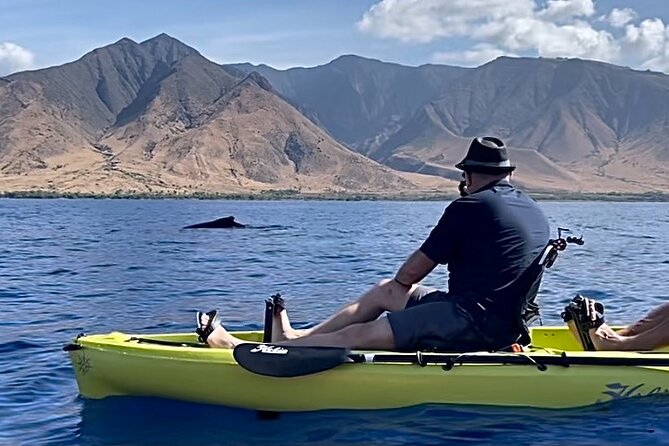
- Pedal kayaks keep your hands free: The Hobie Compass Duo boats make it easier to take photos, watch the water, or simply relax.
- The group is capped at six people: This is a more personal outing than a large commercial whale-watch boat.
- Olowalu offers an easy start: You park near the beach, meet the guide, receive a safety briefing, and launch from there.
- The scenery changes with the season: Look for humpback whales in winter, or reefs, turtles, dolphins, clear water, and West Maui mountain views at other times.
- Plan for sun and salt water: Bring sunglasses, a hat, towel, reef-safe non-spray sunscreen, and any extra food or drink you need.
Starting at Olowalu Beach
Your meeting point is in Olowalu, on Maui’s west side. You pull into the parking area in front of the beach, where the kayaks should be waiting. This direct setup matters. You are not spending the first part of the morning finding a marina, boarding a shuttle, or waiting for a larger boat to fill.
The local guide welcomes you, checks that you have what you need, and divides the group into the tandem kayaks. Each boat is a Hobie Compass Duo with pedal drive. That design lets you move with your feet while keeping your hands available for a camera or for steadying yourself.
Before anyone heads out, the guide gives a full safety and equipment briefing. You learn how to use the kayak, what to expect on the water, and how the group will move along the coast. The guide also helps you get into the kayak and makes sure equipment is properly set up.
That preparation is especially useful if you have little kayaking experience. You still need to be comfortable on the ocean, but you are not left to figure out the equipment on your own. Most people can participate, though the seat limit is 250 pounds and the limit for one kayak is 425 pounds. Those numbers are worth checking before you book.
More Kayak Whale Watching in the USA
- Kayak & Turtle Town Snorkel(Turtles Guaranteed) + Whale Watching
★ 5.0 · 196 reviews - South Maui: Whale Watch Kayaking and Snorkel Tour in Kihei
★ 4.7 · 93 reviews - Kayak and Whale Watching Tour
★ 5.0 · 63 reviews
Pedaling along the West Maui coast
Once you leave the beach, the trip becomes a slow coastal outing rather than a high-speed ride. You pedal south or along the coast toward the area known for whale sightings during the winter season. The pace gives you time to watch the surface, listen for activity, and take in the view back toward Maui.
The pedal system is one of the tour’s strongest features. A standard paddle kayak can be tiring, especially if wind or current picks up. Here, the foot pedals handle the main work. You can still use your hands for a camera, though you should keep the camera secure and protected from spray.
The small group also changes the feel of the trip. With no more than six people, the guide can keep the party together and respond to individual questions. Guides named in the supplied trip feedback include La, Andon, Justin, and Jeanbarakah. Their roles may vary by departure, but the experience clearly depends on having a guide who can handle both ocean safety and local interpretation.
You may hear about Maui landmarks, coastal features, wildlife, and the island ecosystem as you travel. The tour includes education about Hawaii wildlife and the marine environment, so this is more than simply renting a kayak and setting off alone.
Whale watching from December through April
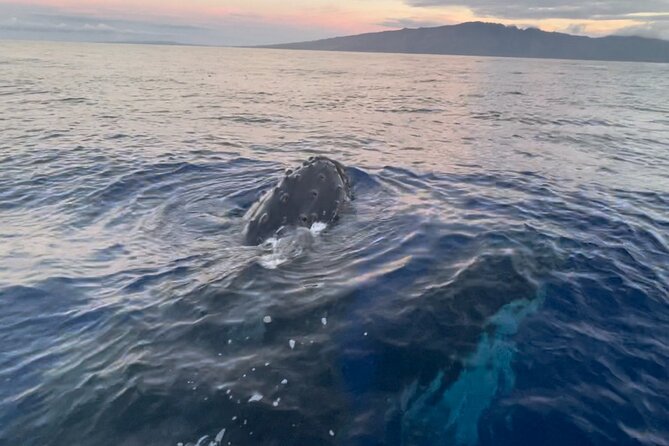
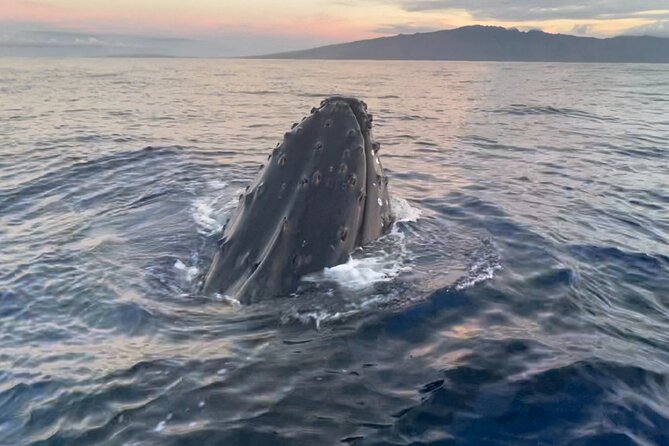
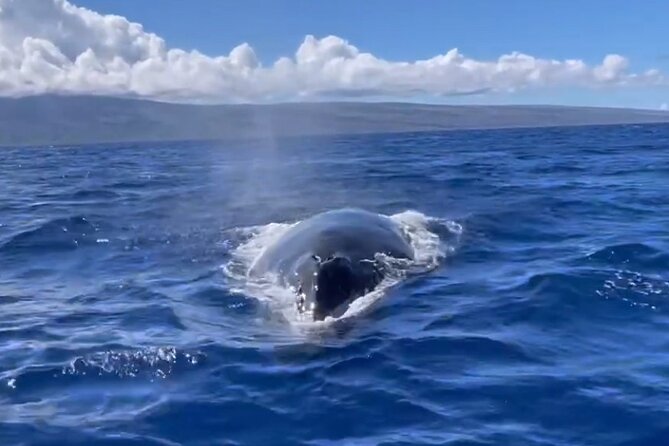
If you book between December and April, the plan is to look for humpback whales. Maui is a major seasonal gathering area for humpbacks, and the tour takes you toward a popular viewing zone off the west coast.
Still, whale watching is wildlife watching. You are not guaranteed a sighting, and a kayak is not the same as a large boat with a dedicated viewing deck. You may see a whale surface, blow, or lift part of its body from the water. The timing and distance are controlled by the animals, not by the schedule.
The low position of a kayak can make the ocean feel more immediate. At the same time, it means your view can be affected by waves, glare, and distance. Bring patience. The guide’s job is to place you in a good area while respecting the reef and wildlife, not to force an encounter.
One especially unusual detail comes from a departure led by Jeanbarakah, where the group reportedly listened to whale song through a hydrophone. That feature is not listed as a standard inclusion, so you should not book expecting it every time. If available, it would add a fine listening element to the trip and help you understand that whales are communicating below the surface even when you cannot see them.
The clearest booking advice is simple: do not book this as a whale tour from May through November. The tour information says whale season is December through April, and outside that period the trip is scenic only. One departure created confusion on this point, so read the seasonal wording carefully before paying.
The scenic version outside whale season
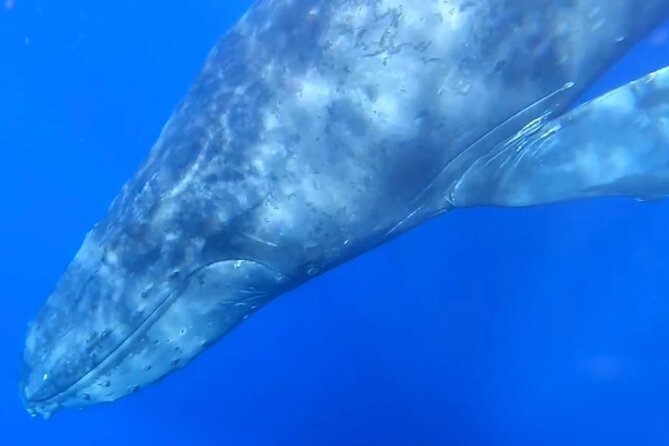
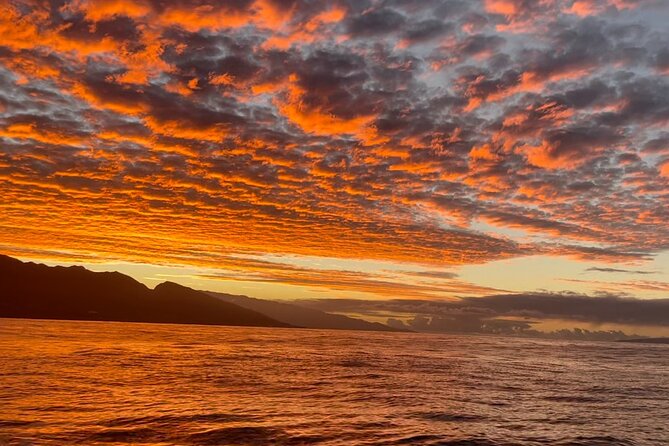
During the rest of the year, the tour heads out for views rather than humpback sightings. From the ocean, you can look back toward the West Maui Mountains and see the coast from a viewpoint that road-based sightseeing cannot provide.
The route may also include clear water, reef areas, sea turtles, dolphins, and other marine life. These sightings are not promised, but they give the non-whale version of the tour its purpose. You are out on the water for the setting, the movement, and the chance to notice what is around you.
A scenic trip can be a better fit if you want a peaceful morning rather than a high-pressure wildlife search. The pedal kayaks make the ride fairly relaxed, and the guide can point out coastal landmarks and natural features. You still need to accept that ocean conditions and animal sightings vary.
This is also a useful choice for people who have already taken a large boat tour and want something quieter. The kayak puts you close to the water and removes the engine noise of a motor vessel. In return, you give up the height and speed of a whale-watch boat.
More Kayak Whale Watching in Maui:
- Kayak, Whale Watch and Snorkel
★ 4.0 · 5 reviews - Orca Cove Sea Kayaking
★ 5.0 · 322 reviews - Juneau Shore Excursion: Paddle with Whales Kayak Adventure
★ 4.5 · 20 reviews - Kayak, Whale Watch And Snorkel At Turtle Town
★ 5.0 · 15 reviews
What the two-and-a-half hours feel like
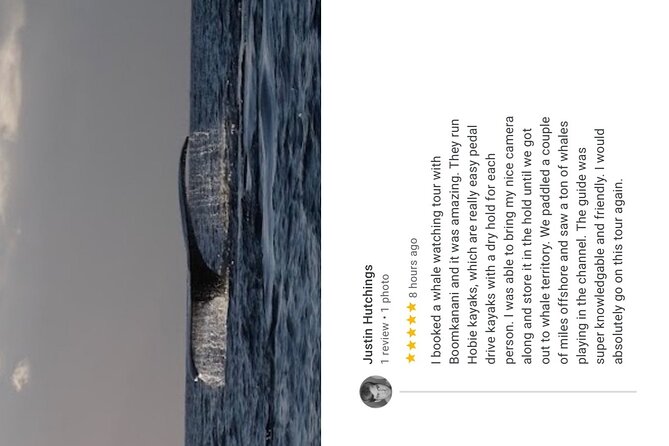
The full outing lasts about two hours and 30 minutes. The schedule includes arrival, gear setup, the safety talk, the ride out, time on the water, and the return to Olowalu. You should not think of all 150 minutes as uninterrupted sightseeing.
At the beginning, the guide helps load you into the boats and checks that everyone understands the equipment. This may feel slow if you are eager to get moving, but it is time well spent. An ocean kayak is stable only when used properly, and a clear briefing helps the group stay organized.
The middle portion is the main attraction. You pedal along the coast, look for whales in season, and take in the mountain and reef views. The guide may pause to talk about the ecosystem or point out wildlife.
At the end, you glide back to the meeting point. The guide helps you out of the kayaks and unloads the equipment. The return is straightforward, with no separate transportation or second meeting point to manage.
Early departures may offer better conditions. One guide recommended an earlier time because the sea was calmer then, and that advice proved useful for the outing. Since conditions can change, ask about the best departure time when you book or arrive.
What is included, and what you should bring
The tour supplies the kayak, safety equipment, a small cooler, bottled water, a light snack, music, the required permit, and the guide. You also receive the safety briefing and information about Hawaii’s wildlife and marine ecosystem.
The included water and snack are helpful, but they are modest provisions rather than a full meal. One departure missed the snacks, so bring your own backup if you tend to get hungry during active outings. Extra beverages and snacks are not included.
Pack these items:
- Sunglasses
- A hat
- A towel
- Reef-safe, non-spray sunscreen
- Extra water or snacks
- Camera equipment suited to salt water
The non-spray sunscreen request is practical. Spray can drift onto the kayak, the water, or other people, and reef-safe products help reduce the impact of chemicals in a sensitive marine area.
The sun can feel stronger on the open water than it does at the beach. Even on a mild day, cover your skin, protect your eyes, and secure anything that could blow away. You should also expect to get wet around the kayak, even if the ride is calm.
The guides make a real difference
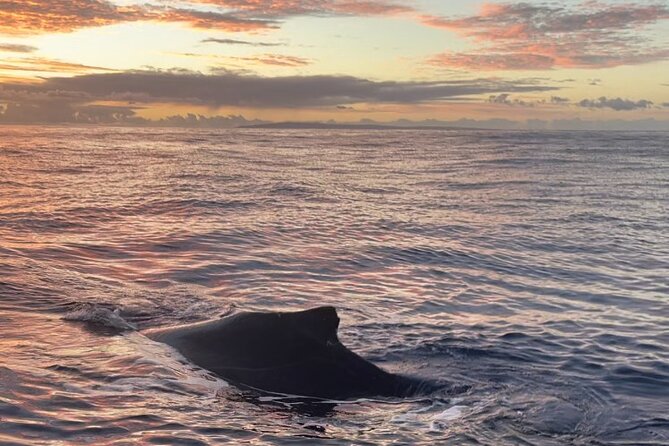
A small ocean trip depends heavily on the guide. La is noted for steering the route carefully around reefs while also looking for whale activity. That combination matters because the most direct path is not always the best one for the reef or the group.
La and Andon led one outing that included close attention to the group and the whale search. Justin was praised for explaining Maui landmarks and local history during the ride. Jeanbarakah was associated with an outing that included a hydrophone and an attempt to catch a Mahi, though those details should be treated as examples rather than regular features.
You may also receive photographs after the tour. One guide took pictures and sent them to the group, but photography is not listed as a guaranteed service. Ask at the start if photos are important to you.
The guide’s knowledge is most valuable when conditions change. Wind, current, visibility, and wildlife activity can all affect the plan. A good guide can turn the outing toward the best available scenery while keeping the group within safe limits.
How this compares with a standard boat tour

This trip suits you if you want to move under your own power and stay close to the water. The kayak is quiet, personal, and low to the surface. You get a physical activity without needing to paddle constantly.
A boat tour is usually better if your main goal is to cover more ocean quickly or maximize your chance of finding distant whales. A larger vessel also gives you more room to move around, while the kayak keeps you seated and exposed to the sun.
The six-person limit is a major benefit for anyone who dislikes crowded excursions. You can ask questions without competing with a busload of other people, and the guide can keep a closer eye on the group.
The tradeoff is that you have less control over the day than you would on land. Ocean conditions may make the ride bumpier or reduce visibility. If you get seasick easily, the low kayak position may not be ideal, though no specific motion-sickness policy is provided.
Value, timing, and cancellation
No tour price is provided here, so I cannot judge the exact cost. The value comes from the small group, included equipment, local guide, permit, water, snack, and access to a coastal viewpoint that you cannot reach by road.
I would compare the price with a standard kayak rental and with a larger whale-watch cruise. You are paying for instruction, safety support, route planning, and local interpretation, not just for use of a boat. The value is strongest when the guide adds wildlife and island context to the ride.
You receive free cancellation if you cancel at least 24 hours before the local start time. A cancellation made less than 24 hours ahead is not refunded, and late changes are not accepted. Since the tour depends on good weather, the operator may cancel and offer another date or a full refund.
The meeting point is in Olowalu, and the activity returns there. It is near public transportation, but no hotel pickup is included in the supplied details, so plan to reach the beach meeting point yourself.
Who should book this Olowalu kayak trip?
I would choose this tour if you want a small, quiet ocean outing with a guide and you like the idea of doing something active without a long paddle. It is a good fit for couples, friends, and families who meet the weight limits and feel comfortable on the ocean.
It also suits photographers. The pedal kayaks leave your hands free, and the coast, wildlife, and mountain views offer plenty to watch. Bring protection for your camera because the boat is on open water.
I would think twice if your only reason for booking is whale watching and your dates fall outside December through April. I would also reconsider if you want a guaranteed animal encounter, a large covered boat, or a full meal.
Should you book it?
Book it if you want a personal West Maui outing and you are happy to let the ocean set the pace. The small group and hands-free pedal kayaks are the strongest reasons to choose it, while the guide’s local knowledge adds more than a basic rental would.
For December through April, it offers a pleasant way to search for humpback whales without joining a large boat. For the rest of the year, book it strictly for scenery, reefs, turtles, dolphins, and the chance to see the West Maui Mountains from the water. Confirm the season, check the weight limits, bring sun protection, and choose an early departure if calm conditions matter to you.
FAQ
Where does the tour begin?
It begins at Olowalu Beach in Olowalu, Hawaii. You meet in the parking area near the beach, where the kayaks are waiting.
Where does the tour end?
The activity ends back at the Olowalu meeting point.
How long does the kayak tour last?
The tour lasts approximately two hours and 30 minutes.
Is whale watching offered all year?
No. Whale watching is offered from December through April. Outside whale season, the activity is a scenic tour only.
What kind of kayaks are used?
You use hands-free Hobie Compass Duo kayaks with pedal drive.
How many people can join the tour?
The maximum group size is six people.
What is the weight limit?
The limit for each kayak seat is 250 pounds. The limit for one kayak is 425 pounds.
What is included?
The tour includes kayaking and safety equipment, a light snack, one bottle of water, a small cooler, music, a permit, a safety briefing, and a local guide who provides Hawaii wildlife and ecosystem information.
Can I cancel for a refund?
Yes. You can receive a full refund if you cancel at least 24 hours before the experience start time. Poor weather cancellations may result in a different date or a full refund.
Newly added whale trips around Maui
- 2.5 Hour Whale Escape Tour★ 5.0 · 44 reviews
- Deluxe Whale Watching Sail on Maui★ 5.0 · 53 reviews
- Whalewatch Deluxe Tour from Ma’alaea Harbor★ 4.5 · 37 reviews
- Whale Watching Experience★ 5.0 · 142 reviews
- West Maui Sunset Whale Watch★ 5.0 · 117 reviews
- VIP Premiere Whale Watch Kaanapali Beach MAX 12 PASSENGERS★ 5.0 · 78 reviews
- HIGH QUALITY Whale Watch Adventure Aboard Luxury Super Raft★ 5.0 · 142 reviews
- The Best 2.5 Hour Molokini Snorkel Tour & Whale Watch★ 5.0 · 57 reviews
Maui Whale Watching Tours, side by side.
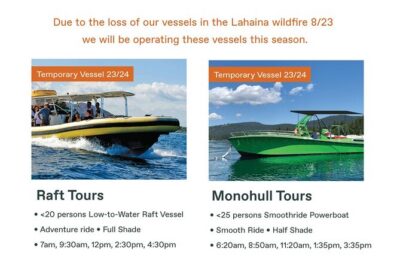
Maui Eco-Raft Tour: Eye-Level Whale or Dolphin Watching – Lahaina
Read our review →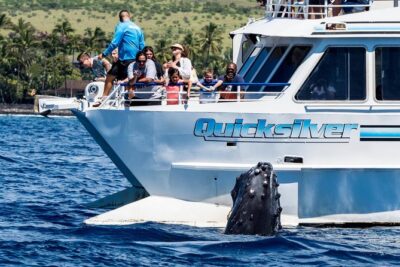
From Maalaea: Whale Watching Tour Aboard the Quicksilver
Read our review →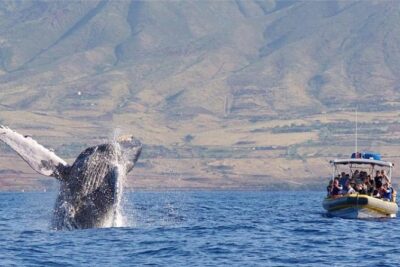
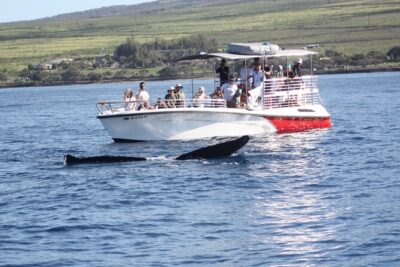
WHALES GUARANTEED Maui Whale Watching Makai Adventures
Read our review →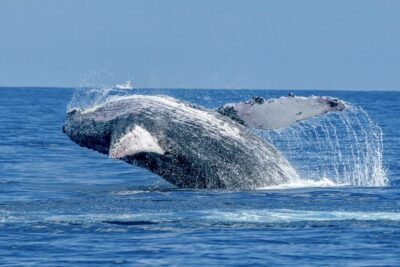
Ma’alaea Harbor: Whale Watching Tour Aboard Power Catamaran
Read our review →
Whale Watching Cruise with Open Bar from Ka’anapali Beach
Read our review →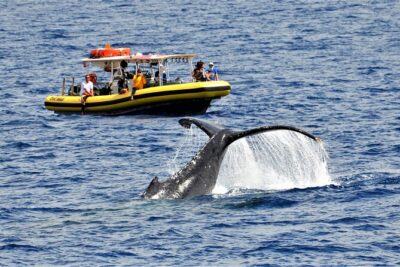
Whale Watching Maui: 2-Hour Small Group Raft Tour from Lahaina
Read our review →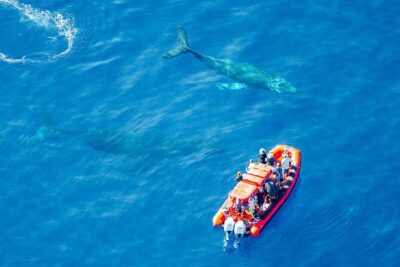
Lists this trip appears in