Review · BUSSELTON
Whale Watching Cruise from Busselton, Augusta or Dunsborough
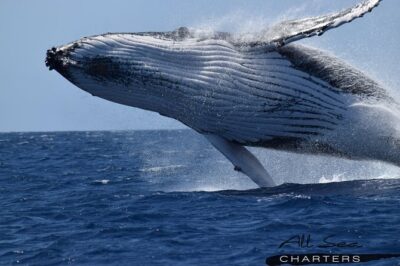
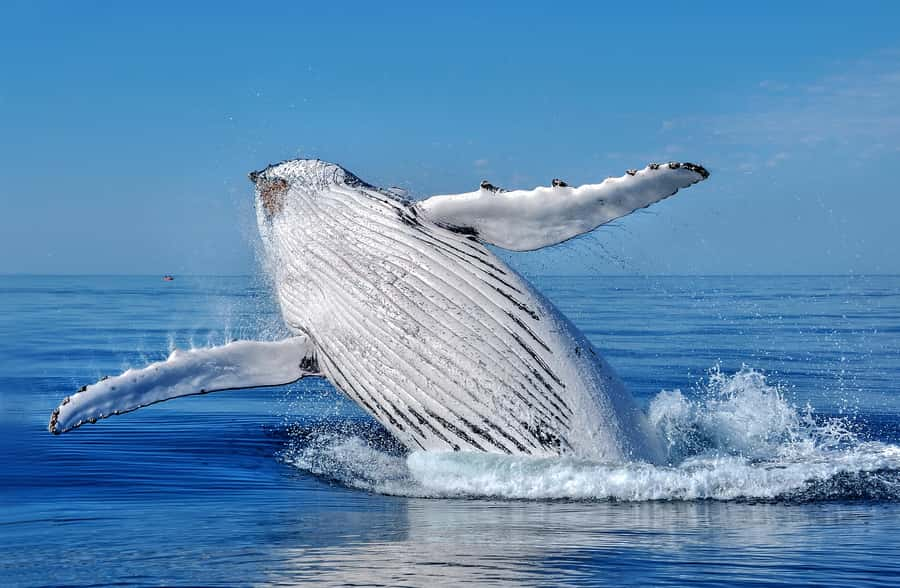
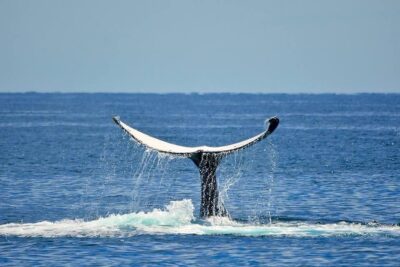
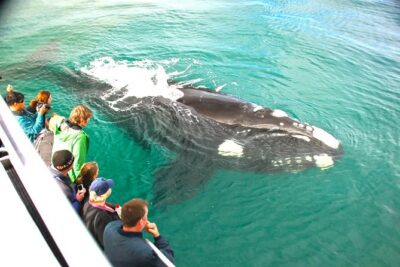
Humpback whales are the main event here, and in the right season you may see them close to the boat, tail-slapping, breaching, resting, or moving in pods. You might also spot dolphins, seals, flying fish, seabirds, southern right whales, pygmy blue whales, or minke whales.
I like the purpose-built two-level boat, which gives you a safe walk-around deck and several viewing angles. I also like the small-group feel and onboard marine expertise, with a marine biologist often joining the crew and skippers such as Captain Zip, Paul, Pete, Jess, Bugsy, or Tesh sharing the search.
The catch is simple: this is wild-animal watching, not a stage show. The water can be rough, and one young family found two hours tiring for small children. Bring warm clothes, and consider motion-sickness tablets if you are at all unsure.
Key points at a glance
- Seasonal departures: Augusta operates during the northward migration from mid-May to mid-August, while Busselton and Dunsborough run from late August during the southward migration.
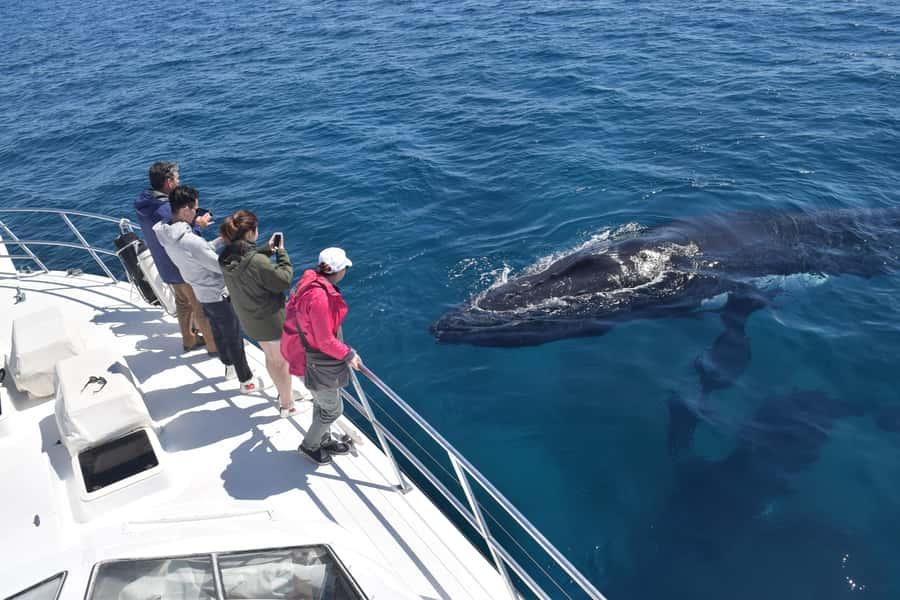
- Whale-friendly boat: The two-level vessel has a full walk-around design, giving you more than one place to watch from.
- Experienced crew: The lead skipper has more than 15 years of whale-watching experience and has recorded fewer than 10 no-whale tours.
- More than humpbacks: Dolphins, seals, seabirds, southern right whales, pygmy blue whales and minke whales are possible sightings.
- No-whale backup: If whales are not seen, you are offered a complimentary repeat tour.
- Good base price: At $67 per person, the cruise is fairly priced for a 2 to 2.5-hour outing with expert commentary and no hotel transfer required.
Why this whale cruise is worth considering
This cruise works because it gives you a proper amount of time on the water without charging luxury-tour prices. At $67 per person, you are paying for a 2 to 2.5-hour marine outing, a purpose-built boat, an experienced skipper and, often, a marine biologist or marine researcher.
That matters more than a flashy boat or a short run out of the harbor. Whales can surface in a matter of seconds, then disappear for several minutes. A longer outing gives the crew time to read the water, move carefully, and wait for the animals to return.
The experience also has a useful sense of place. Augusta is linked with the humpbacks moving north from mid-May to mid-August. From late August, boats leave Busselton and Dunsborough to watch whales heading south toward Antarctica through Geographe Bay.
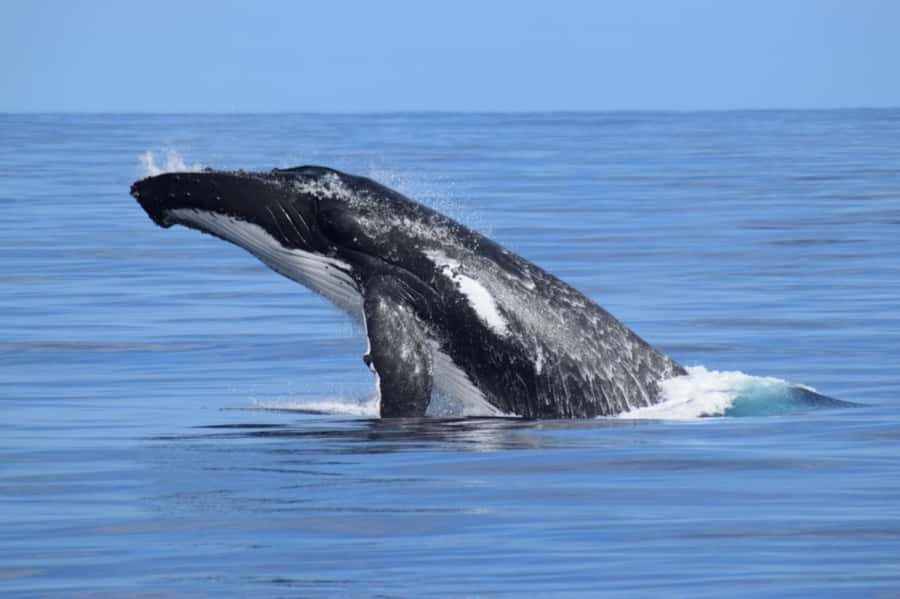
You are not guaranteed a dramatic breach. Nature does not take requests. But the whale sightings have included mother-and-calf pairs, several pods, tail flicks, breaching humpbacks, dolphins, and even blue whales. That range makes this more than a quick photo stop.
More Whale Watching Cruises in Australia
- Sydney: Whale Watching Adventure Cruise
★ 4.2 · 1,790 reviews - Brisbane Whale Watching Cruise from Redcliffe or Sunshine Coast
★ 5.0 · 997 reviews - Freedom 3/4 Day Hervey Bay Premium Whale Watching Cruise
★ 5.0 · 919 reviews
Choosing Augusta, Busselton or Dunsborough
Your best departure point depends mainly on your travel dates and where you are staying.
Augusta is the seasonal choice from mid-May to mid-August. During this period, humpbacks can be seen on their northward migration. Several outings have reported whales almost immediately after leaving the Augusta harbor, including sightings within 30 seconds or one minute of departure. That is not something you should expect every time, but it shows how close the migration route can be.
The Augusta option also includes 10 percent off at the Colour Patch Cafe after the cruise. That makes it easy to turn the boat ride into a relaxed morning or afternoon outing, especially if you are already exploring the Augusta area.
Busselton and Dunsborough are the later-season options. From late August, humpbacks pass through Geographe Bay on their southern migration. This timing produced some of the strongest reports of close encounters, with whales beside, behind, and in front of the boat.
Meeting points vary by the option you book, so check your selected departure carefully. Hotel pickup and drop-off are not included. You will need to arrange your own way to the harbor.
Leaving the harbor and finding the whales
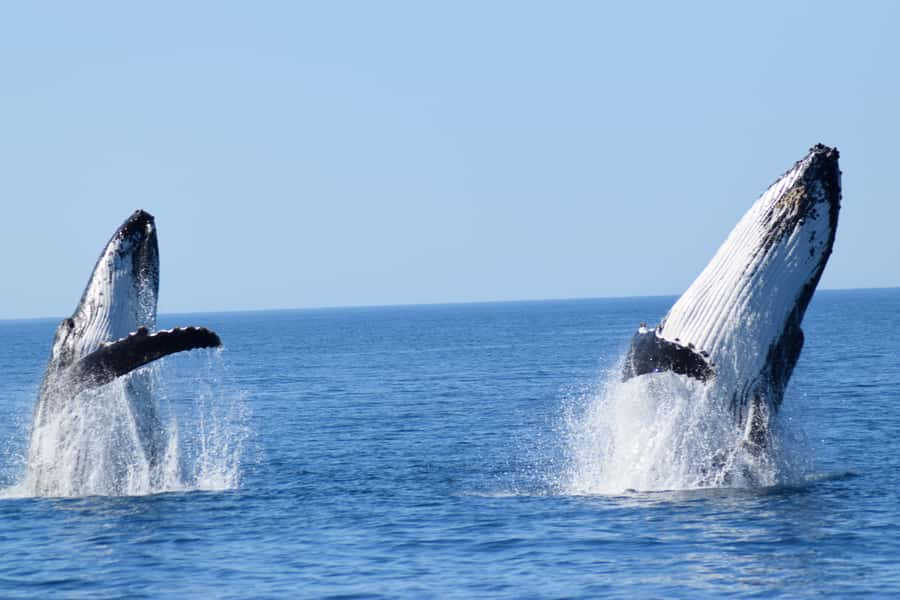
The opening minutes are usually calm and scenic, but the crew will already be watching the water. The skipper looks for signs such as blows, splashes, fins, and the subtle marks left when a whale moves just below the surface.
The crew may also point out footprints, the smooth patches of water that can indicate a whale has just passed. This is useful because whales are not always visible when the boat first reaches an area. You learn where to look instead of scanning the entire bay at random.
The skipper’s experience is a real part of the value. The lead skipper has spent more than 15 years watching whales and has had fewer than 10 tours without a whale sighting. That does not remove the uncertainty, but it suggests the crew knows how to work with changing conditions.
Captain Zip is known for keeping the commentary lively, while other outings have included Paul at the helm, and guides named Jess, Bugsy, Pete and Tesh. Crew members explain what the whales are doing rather than simply pointing and shouting. Tesh, in particular, has been praised for explaining migration and whale behavior in clear detail.
If a marine biologist is onboard, you can expect a stronger educational side to the cruise. Marine researchers also sometimes join, so the information can range from basic identification to behavior such as mugging, when whales remain unusually close to the boat.
The two-level boat and best viewing spots
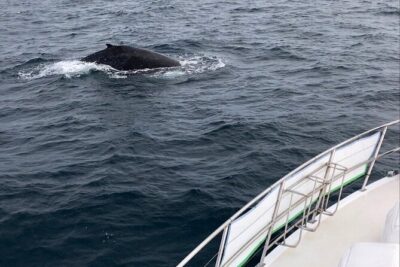
The boat is purpose-built for whale watching, with two levels and a full safe walk-around area. That design is more useful than it may sound.
Whales rarely appear in one predictable spot. One animal may surface off the bow, while another rolls near the side. A walk-around deck lets you move with the action instead of staying fixed in one seat. The upper level can help with broad views, while the lower areas may feel more sheltered when the wind picks up.
The boat is also described as spacious, with fewer passengers than some other operators. That gives you a better chance of finding a clear view, particularly when several people are trying to photograph the same whale.
Still, space does not mean you should spend the whole cruise moving around. Use the handrails, listen to the crew, and keep your footing when the water is rough. The boat is stable and designed for this work, but the ocean can still roll.
For children, the boat includes an enclosed cabin area, educational whale books, and simple toys. That helps during the quieter stretches. The two-hour length may feel long for very young children, especially if the whales stay below the surface, but the cabin gives them a break from the wind and sun.
Same migration, a different deck:
- Whale Watching Tour with Spirit of Gold Coast
★ 4.5 · 884 reviews - Sydney Whale-Watching Cruise Including Lunch or Breakfast
★ 4.5 · 878 reviews - Sydney: 2-hour Express Whale Watching Cruise
★ 4.2 · 756 reviews - Spirit of Gold Coast 2.5-Hour Whale Watching Tour
★ 4.2 · 703 reviews
What you may see beyond humpback whales
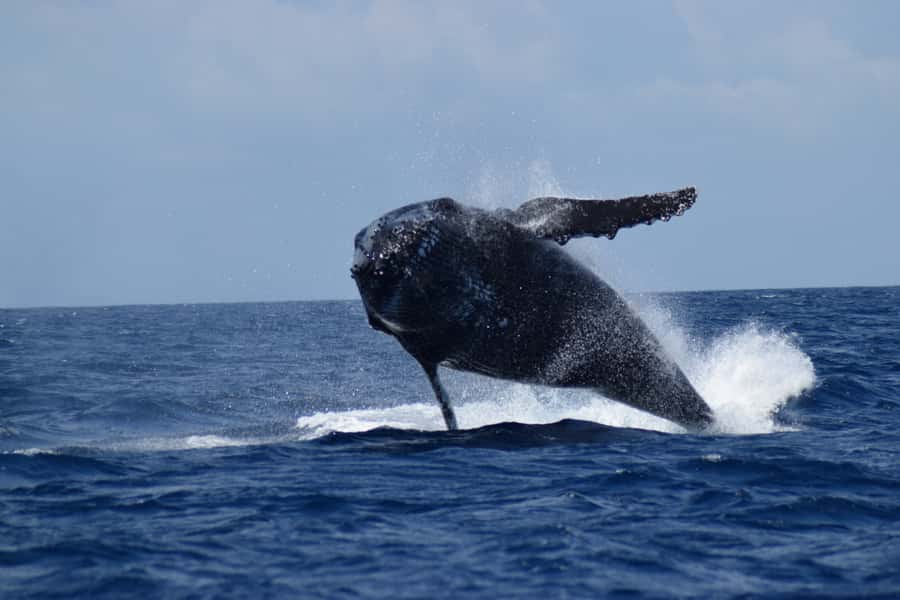
Humpbacks are the most likely focus, particularly during the main migration periods. Their behavior can vary from slow travel to energetic displays.
You might see:
- A blow followed by the curve of a back
- Tail flicks and flukes above the water
- Breaching or rolling
- Several whales moving in a pod
- A mother with a young calf
- Dolphins riding near the boat
- Seals and seabirds
- Southern right whales
- Pygmy blue whales
- Minke whales
- Flying fish
The sightings can change quickly. One outing included a mother humpback, her calf, and another female escort. Another included a blue whale and dolphins. A different cruise followed a southern right whale and calf. These are possible highlights, not promises, so book because you enjoy time at sea as much as the chance of a spectacular photograph.
Seabirds are seen on every tour according to the operating information. They may not attract the same attention as a breaching whale, but they give you something to watch while the crew searches.
How the two to 2.5 hours feels onboard
The advertised duration is listed as two hours to 150 minutes. That is enough time for a serious search without taking up your entire day.
Some outings have ended at the planned time after steady sightings. Others have lasted longer when whale activity kept the boat in place. On one especially active cruise, the boat remained out for an extra hour while whales stayed around it. You should not count on extra time, but the crew appears willing to respond to conditions when possible.
The pace is not constant. Expect periods of travel, scanning and waiting, followed by short bursts of excitement when a whale surfaces. If you need nonstop activity, this may feel slow. If you like watching animal behavior unfold, the pauses are part of the experience.
The sea can be rough. One outing was described as a bumpy ride, and motion sickness tablets were suggested for anyone in doubt. Anti-nausea wristbands are available onboard for $10, compared with a stated recommended retail price of $20. That is a useful option, but I would not treat a wristband as a substitute for medication if you already know you get seasick.
Bring warm clothes even on a sunny day. Wind across open water can make the boat feel much colder than the harbor. A camera is worth packing, though you will get better results by watching first and photographing second.
The crew’s role in the experience
A good whale cruise is partly about the animal and partly about how well the crew helps you understand it. Here, the commentary is a major part of the outing.
The skipper explains the migration and helps you interpret what you see. The marine biologist can answer questions and add detail about whale behavior. That combination suits you if you want more than a boat ride with occasional pointing.
The crew also works with other charter boats in the area. One account described the captain coordinating with other boats so everyone had a fair chance to see the whales. That kind of cooperation matters in a busy bay. It also helps keep the experience focused on the animals rather than on a race between boats.
The tone is friendly and practical. The crew makes an effort to get people positioned for a view, while also giving children something useful to do during quiet spells. You should expect English-language commentary.
Value at $67 per person
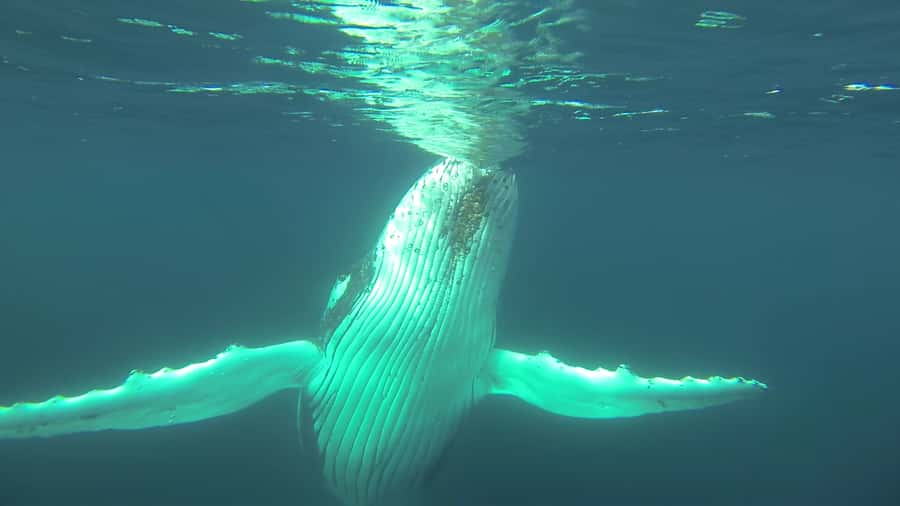
At $67, this is one of the more affordable ways to spend a half morning or afternoon on the water in southwest Western Australia.
The price includes the cruise, crew commentary, access to the two-level boat, and tea and coffee onboard. It does not include transportation to the harbor, so include fuel, parking or other local transport in your day’s budget. Parking is available near at least some departure points, though exact arrangements depend on the option booked.
The value improves if you see several whales, but it is not dependent on getting a breach. You are also paying for the crew’s time and search experience, not only the final photographs. A complimentary repeat tour is offered if no whales are seen, which reduces the risk of paying for a completely fruitless outing.
Free cancellation is available up to 24 hours before departure, and you can reserve now and pay later. Those terms are helpful if your route through the southwest is still shifting, but check the exact departure option before booking.
Who should book this cruise
I would recommend this outing to couples, families with older children, photographers, and anyone visiting the Margaret River region who wants a close look at seasonal marine life.
It is especially suitable if you value explanation. The marine biologist, skipper commentary and chance to ask questions give the trip more substance than a simple sightseeing cruise.
Families with small children should think about the sea conditions and duration. The cabin, books and toys help, but two hours can still feel long if the water is rough or whale activity is quiet.
If you are prone to motion sickness, prepare before boarding. Bring warm layers, take your preferred medication if appropriate, and do not assume a calm harbor means a calm bay.
Should you book it?
Book this cruise if you want a reasonably priced, education-focused whale outing with a spacious boat and several departure choices. The strongest reasons are the experienced skipper, the walk-around viewing design, and the chance to see more than humpbacks.
I would choose Augusta between mid-May and mid-August, then Busselton or Dunsborough from late August onward, based on the migration pattern. I would also choose a departure that fits your route rather than crossing the region simply to chase a particular harbor.
Skip it only if you dislike open-water motion, need a guaranteed wildlife performance, or want hotel pickup. For everyone else, $67 buys a well-sized window into one of Western Australia’s most memorable seasonal events.
FAQ
How much does the whale-watching cruise cost?
The listed price is $67 per person.
How long does the cruise last?
The cruise lasts about two hours to 150 minutes, depending on the selected departure and conditions.
Where can I join the cruise?
Departures are available from Augusta, Busselton or Dunsborough. The exact meeting point may vary by the option booked.
When does the Augusta cruise operate?
Augusta departures operate from mid-May to mid-August, when humpbacks are on their northward migration.
When do Busselton and Dunsborough departures operate?
Busselton and Dunsborough departures operate from late August during the humpbacks’ southern migration toward Antarctica.
What animals might I see?
You may see humpback whales, dolphins, seabirds and seals. Southern right whales, pygmy blue whales and minke whales are also possible sightings.
What happens if no whales are seen?
In the unlikely event of no whale sightings, you are offered a complimentary repeat tour.
What should I bring?
Bring warm clothing and a camera. Pets are not allowed. Tea and coffee are available onboard, and anti-nausea wristbands can be purchased if needed.
Newly added whale trips around Australia
- Tweed Heads: Whale Watching Boat Tour★ 4.7 · 30 reviews
- Bremer Bay Orca Experience★ 5.0 · 79 reviews
- Wilsons Prom Whale Cruise★ 5.0 · 104 reviews
- Whale Watching and Wildlife Cruise Townsville and Magnetic Island★ 5.0 · 11 reviews
- Whales of Sydney Sea Safari★ 5.0 · 2 reviews
- Sydney Whale Watching Cruise from Circular Quay★ 4.5 · 207 reviews
- Whale Watching Sailing Experience in Sydney★ 5.0 · 28 reviews
- Sydney Whale Watching on Small RIB★ 5.0 · 14 reviews
Busselton Whale Watching Tours, side by side.
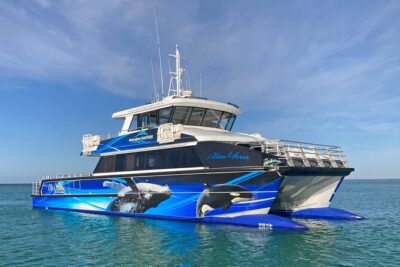
Whale Watching from Augusta in Western Australia
Read our review →