
Review · BIG ISLAND
Big Island: Pelagic Whale Watch Tour
Kona’s whale watching is not limited to winter humpbacks. This 3 to 4 hour trip reaches both the coast and the pelagic zone, where the seafloor drops thousands of feet and the possible sightings change fast. Pilot whales, dolphins, sharks, manta rays, flying fish, and even whale sharks are all on the table.
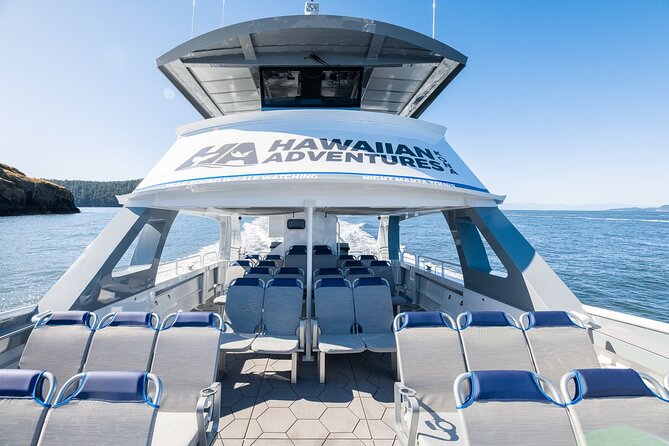
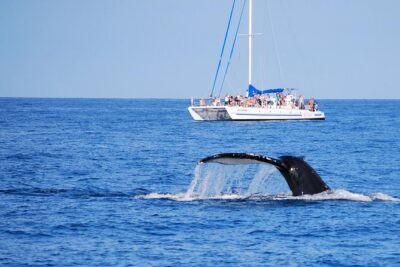
I especially like the 46-foot catamaran Artemis, with padded seating, handholds, shaded and sunny areas, and open views from every side. I also like the naturalist-led commentary. Guides such as Andrew and Olivia explain whale behavior, migration, local history, and the Kona marine ecosystem instead of leaving you to guess at every fin and splash.
The main catch is simple: this is wild-animal watching, not a stage show. You may see several species, including spectacular humpback behavior, or you may spend much of the trip searching. The boat can also feel rough for anyone prone to seasickness, so take motion-sickness medicine before boarding if you need it.
Key points to know before booking
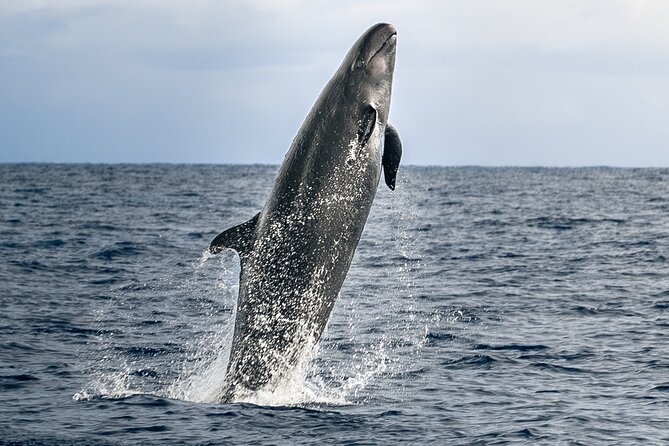
- Pelagic access: The offshore certification allows the boat to search waters thousands of feet deep, where pilot whales, beaked whales, sperm whales, spotted dolphins, and whale sharks may appear.
- Year-round wildlife: Humpbacks are most associated with winter, but pilot whales, spinner dolphins, bottlenose dolphins, sharks, manta rays, and flying fish can appear throughout the year.
- Strong naturalist program: The crew explains animal behavior, migration, feeding, conservation, culture, and Kona’s coastal features during the ride.
- Comfortable viewing boat: Artemis is a 46-foot catamaran with padded seating, soft flooring, railings, handholds, and 360-degree viewing.
- Useful time commitment: The 3 to 4 hour duration gives the crew more room to search both nearshore and offshore areas.
- Important limitation: Wildlife sightings are never guaranteed, although a no-sighting policy offers a return trip at 50 percent off.
Why Kona is such a good place for a whale watch
Kona gives you something many whale-watching ports cannot: quick access to both shallow coastal water and the open ocean. The coast drops sharply, so the boat does not need to spend the entire morning traveling to reach habitat used by large whales.
The nearshore zone can produce humpbacks during winter, along with spinner dolphins, bottlenose dolphins, manta rays, and flying fish. These waters also provide some of the best coastline views of the trip. You get a different look at the dry Kona coast from the water, with its volcanic shore and working harbor areas spread along the edge of the island.
The offshore option is what gives this excursion its broader range. Once Artemis reaches the pelagic zone, the search can include short-finned pilot whales, beaked whales, sperm whales, spotted dolphins, and other species that prefer deeper water. The crew has reported encounters with oceanic white tip sharks, tiger sharks, scalloped hammerhead sharks, and whale sharks as well.
That list should not be read as a promise. It is a sense of the possibilities. Marine life moves, weather changes, and one morning can look nothing like the next. Still, the ability to search more than one type of habitat is a real advantage.
More whale trips worth the boat ride around Big Island:
- Whale Watching On The Big Island
★ 5.0 · 573 reviews - Zodiac Raft Whale Watching Adventure
★ 5.0 · 456 reviews - Kailua-Kona: Whale Watching Cruise on the Big Island
★ 4.7 · 273 reviews
Starting at Honokohau Harbor at 8:30 a.m.
You meet at 275 Kealakehe Parkway in Kailua-Kona, with the tour beginning at 8:30 a.m. The activity ends back at the same point, and hotel pickup is not included, so plan your own ride to the harbor.
The morning departure works well for anyone who wants to keep the rest of the day open. It also gives you a chance to enjoy the coast before the afternoon heat. Bring the practical basics: sun protection, a light layer, and any medication you use for motion sickness.
The boat is certified for offshore travel by the United States Coast Guard. That certification matters because this is not simply a short harbor cruise. The route may reach open water, and the crew needs the ability to operate safely while searching farther from shore.
The vessel holds a maximum of 42 people. That is not an intimate private charter, but Artemis has an open layout and viewing space around the boat. You are not confined to one narrow forward-facing seat, and the catamaran design helps it handle ocean swells more smoothly than a single-hull boat.
What the ride aboard Artemis feels like
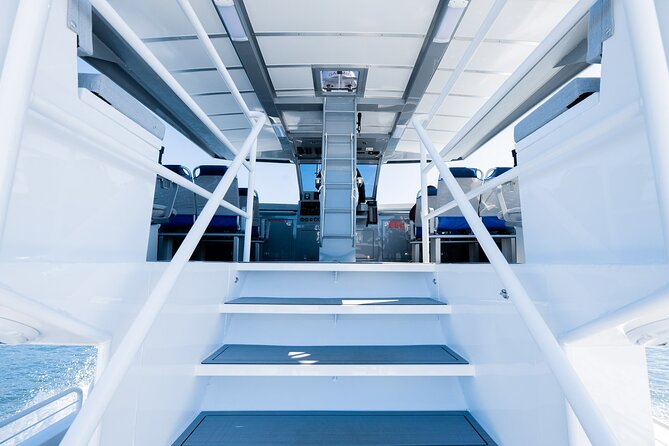
Artemis is set up for wildlife viewing rather than luxury cruising. You will find padded seating, soft foam flooring, railings, and handholds. There are shaded areas for a break from the sun, along with full-sun spots for photography.
The open 360-degree arrangement is important. Whales can surface behind you, dolphins may move across the bow, and a shark may appear off one side while the guide is speaking about something on the other. You still need to move politely and share the best angles, but the layout gives you more than one place to watch.
One practical issue deserves attention: the boat moves. Even Kona’s relatively calm waters can develop swells, and the boat may travel quickly between sighting areas. One person described a rough ride that left them sore from holding on, while other accounts found the catamaran smooth and comfortable. Both experiences can be true on different days.
If you are prone to seasickness, do not wait until you feel ill. The crew can offer support and suggestions, but prevention is much easier than recovery once you are offshore.
Cold bottled water and soft drinks are included. That is a modest perk, but useful on a warm morning when you are standing in the sun and watching for animals. You should not expect a meal, so arrange food before or after the outing if you need more than drinks.
The nearshore search for dolphins, rays, and winter humpbacks
The first part of the search may stay close to the Kona coast. This is where you can look for spinner dolphins, bottlenose dolphins, manta rays, flying fish, and humpback whales during the winter season.
Spinner dolphins are a particular highlight. They often travel in groups and are known for their leaps and spins, sometimes riding the bow of the boat. Watching a group move together gives you a better sense of dolphin behavior than a single quick surface appearance.
Bottlenose dolphins may be less acrobatic, but their size and calm confidence make them rewarding to see. Flying fish can appear in quick bursts across the water, easy to miss if you are looking only for a whale’s back.
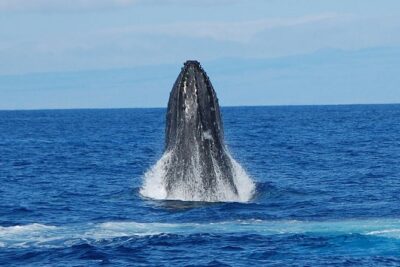
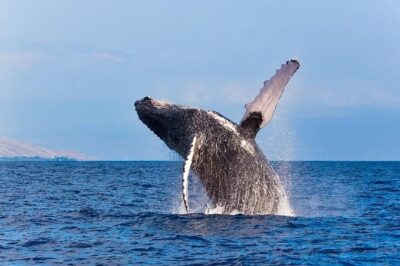
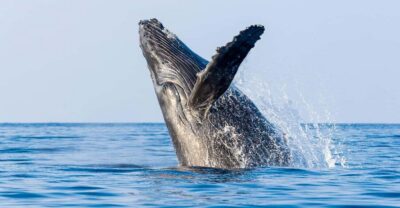
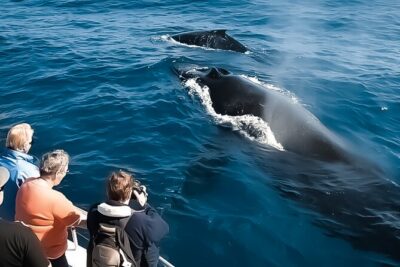
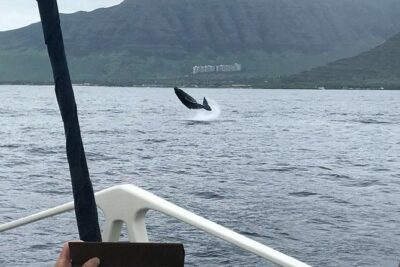
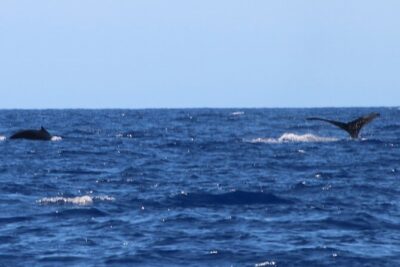
Winter humpbacks are the headline act for many people. They visit Hawaiian waters during the seasonal period, and you may see them traveling, spyhopping, slapping their tails, or breaching. The most dramatic sightings are never predictable. A pair of humpbacks may suddenly perform a series of breaches, or you may get only a few distant blows.
That uncertainty is part of the bargain. If your only acceptable outcome is a close breach, this may feel frustrating. If you are happy to watch whatever the ocean offers and learn along the way, the nearshore portion can be rewarding even without humpbacks.
Same migration, a different deck:
- Whale Watch Excursion from the Big Island
★ 4.5 · 263 reviews - Wake Up With the Whales Cruise on Seasmoke
★ 5.0 · 159 reviews - Whale Watching Tour – Big Island, Hawaii
★ 5.0 · 148 reviews - Waikoloa Deluxe Whale Watch
★ 4.5 · 124 reviews
Going offshore for pilot whales and rare species
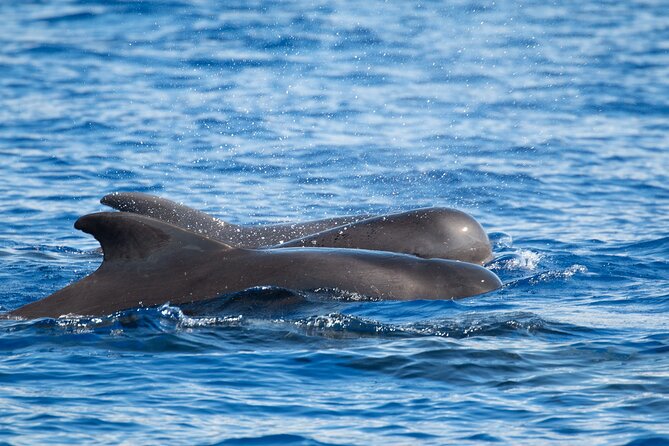
The pelagic portion is the reason to choose this tour over a short coastal cruise. Deep water opens the door to species you are less likely to find close to shore.
Short-finned pilot whales appear often enough in the trip reports to deserve special attention. They travel in pods and may surface together, roll at the surface, vocalize, or come close to inspect the boat. They are technically dolphins, but their large size and rounded heads can make them look very different from the spinner dolphins you may see earlier.
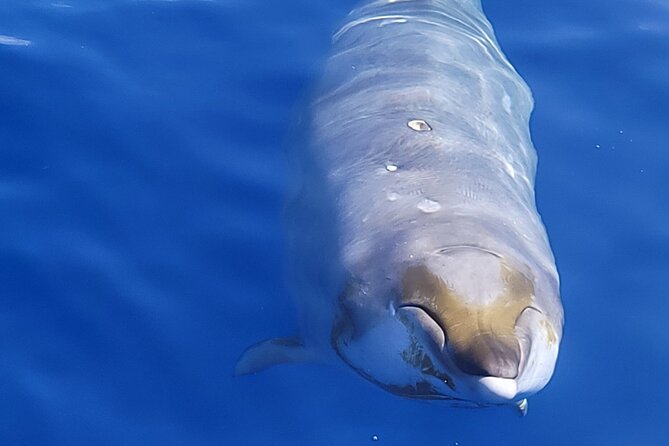
The crew may also search for sperm whales, beaked whales, spotted dolphins, and several other whale and dolphin species. Oceanic white tip sharks have appeared around pods of pilot whales, and one outing included both a whale shark and pilot whales. Those sightings are unusual, not guaranteed, but they show why the offshore range matters.
The open ocean can also bring longer stretches without an obvious animal. You may be watching a calm horizon while the captain and naturalist scan for blows, fins, birds, and disturbed water. A good crew turns that waiting time into part of the experience by explaining what they are looking for and why certain areas are promising.
The naturalist commentary adds real value
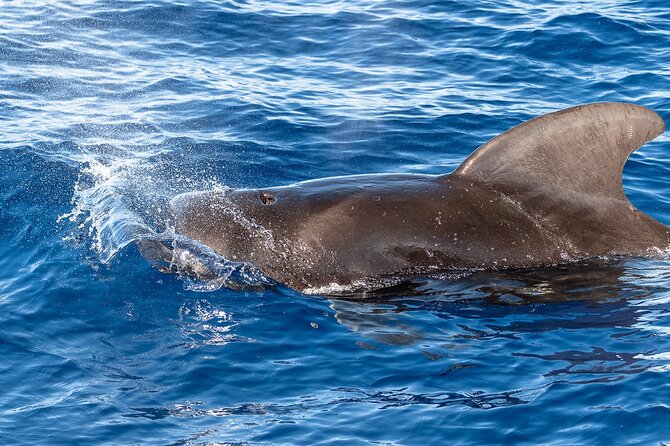
The best part of this trip may be the person interpreting what you see. A whale surfacing for two seconds is exciting, but it becomes more memorable when you understand the behavior.
The crew explains terms such as breaching, chin slaps, and spyhopping, then connects those actions to whale behavior. You may learn about humpback migration, feeding, reproduction, and the reason whales visit Hawaii. The naturalist may also explain why pilot whales travel in groups or why a whale raises its eyes above the surface to look at the boat.
Commentary is not limited to animals. The crew points out features along the Kona coast, including local marine operations and area history. This makes the boat ride feel connected to the island instead of being a generic wildlife outing.
Andrew and Olivia have received especially warm praise for their clear explanations, friendly manner, and attention to safety. Other crew members and naturalists contribute as well, so the exact lineup can vary. What matters is that the tour treats education as part of the activity, not as filler between sightings.
The guides also keep animal welfare in view. The boat operates around wild creatures, and the crew’s job is to watch without turning the encounter into a chase. That approach is worth paying for. A close look at a whale means more when the animal is allowed to behave naturally.
Is $129 a fair price?
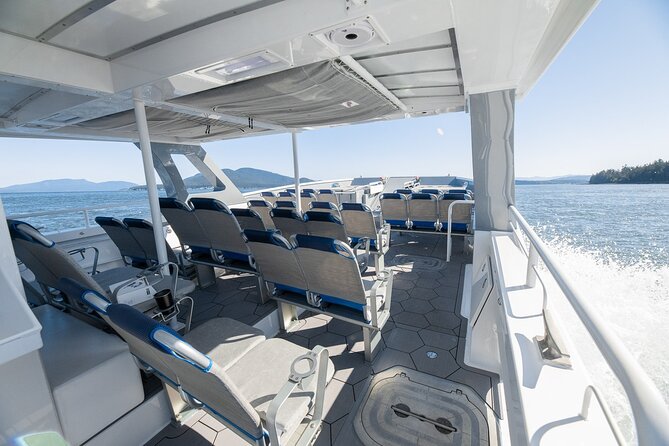
At $129 per person, this is not the cheapest way to get on the water. I think the price makes sense if you value the longer duration, offshore access, naturalist commentary, and catamaran layout.
You are paying for a 3 to 4 hour search rather than a quick out-and-back cruise. The additional time gives the captain more options. If the nearshore area is quiet, the boat may continue toward deeper water instead of ending the search early.
The value also depends on your expectations. If you want guaranteed humpbacks in winter, you may prefer a tour built specifically around seasonal whales. If you want a wider list of possible species throughout the year, this trip offers a stronger case. Pilot whales, dolphins, sharks, rays, and flying fish can make the outing worthwhile even when humpbacks are absent.
The no-sighting policy is worth understanding. If you see no whales or dolphins, Hawaiian Adventures offers another trip at 50 percent off. That is not the same as a guaranteed sighting on your scheduled morning, and you should not book assuming you will receive a refund. It does, however, reduce the risk if the ocean gives you a blank day.
Who should book this Kona whale watch?
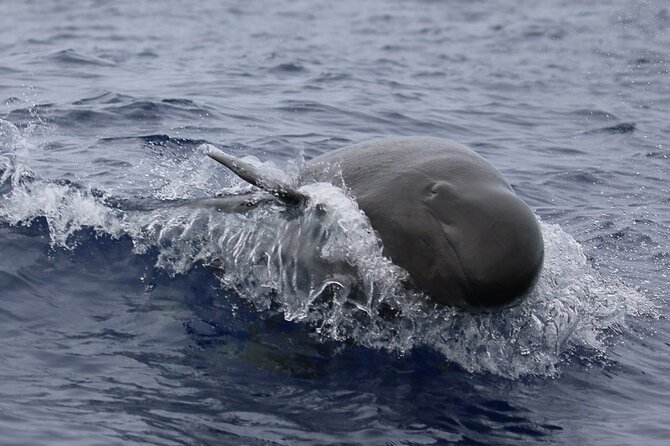
I would choose this tour if you enjoy wildlife, photography, marine science, or simply being on the ocean for a half day. It suits couples, families with older children, and anyone who wants more than a short scenic cruise.
The age rule matters: children under 10 are not permitted. Most older participants can take part, and service animals are allowed. The boat is near public transportation, but you still need to reach the meeting point yourself.
This is a good choice for someone who wants active searching and useful commentary. It is less suitable if you dislike open water, need a guaranteed animal encounter, or become uncomfortable on moving boats.
You should also leave room in your schedule. The listed duration is approximate, so avoid booking a tight connection or an appointment immediately afterward. If the crew finds active wildlife, you will want enough breathing room to enjoy the search.
Booking, cancellation, and practical details
Confirmation arrives when you book, and the experience is offered in English. It is often reserved well ahead, with bookings averaging about 37 days in advance, so I would not leave it until the last morning if this is important to your Kona plans.
You can cancel at least 24 hours before the start time for a full refund. Cancellations or changes inside that window are not accepted for a refund. The operator can also cancel because of poor weather or because too few people book the departure, in which case you are offered another date or a full refund.
The tour has a 97 percent recommendation rate and a 4.9 rating from 557 reviews. Those numbers suggest a very strong overall experience, but they should not erase the practical warnings about sea conditions and unpredictable wildlife.
Should you book the Pelagic Whale Watch?
Book it if you want a serious wildlife search with access to both coastal and deep-water habitat. The combination of Artemis, a 3 to 4 hour route, open viewing, and naturalist guidance gives you more substance than a basic sightseeing boat ride.
I would especially consider it during humpback season, when the possibility of breaches and close passes adds drama. Outside winter, I would still book it if pilot whales, dolphins, sharks, and less common open-water species interest you.
Skip it if you need a calm, guaranteed dolphin-and-whale performance. The ocean sets the schedule here. For everyone else, the chance to see Kona’s marine life in its own habitat, with guides who can explain what is happening, makes the $129 fare a reasonable investment.
FAQ
Where does the Pelagic Whale Watch Tour begin?
The tour begins at 275 Kealakehe Parkway in Kailua-Kona, Hawaii. It departs at 8:30 a.m. and returns to the same meeting point.
How long does the whale watch last?
The experience lasts approximately 3 to 4 hours.
What marine life might I see?
Possible sightings include humpback whales, short-finned pilot whales, sperm whales, beaked whales, spinner dolphins, bottlenose dolphins, spotted dolphins, manta rays, whale sharks, oceanic white tip sharks, tiger sharks, scalloped hammerhead sharks, and flying fish.
Are whales and dolphins guaranteed?
No. Wildlife sightings vary from day to day. If you see no whales or dolphins, the operator offers another trip at 50 percent off.
What is included in the price?
The price includes the whale-watching tour, professional crew, bottled water, and soft drinks. Hotel pickup and drop-off are not included.
Can children join the tour?
Children under 10 are not permitted. Most other participants can take part, and service animals are allowed.
Newly added whale trips around Big Island
- Sunset Cruise with the Whales on our Sailing Catamaran★ 5.0 · 48 reviews
- Small Group Whale Watching in Kona Hawaii★ 5.0 · 5 reviews
- Sunset Cruise with the Whales on our Power Catamaran★ 5.0 · 2 reviews
- Whale Watching on Big island★ 4.5 · 19 reviews
- Waikoloa Deluxe Whale Watch★ 4.5 · 124 reviews
- Sunset Whale Watching Shared Activity★ 4.5 · 5 reviews
- Wake Up With the Whales Cruise on Seasmoke★ 5.0 · 159 reviews
- Whale Watching Tour – Big Island, Hawaii★ 5.0 · 148 reviews
Big Island Whale Watching Tours, side by side.
Kailua-Kona: Whale Watching Cruise on the Big Island
Read our review →
Lists this trip appears in