
Review · AUSTRALIA
Bremer Bay: Bremer Canyon Killer Whale Expedition
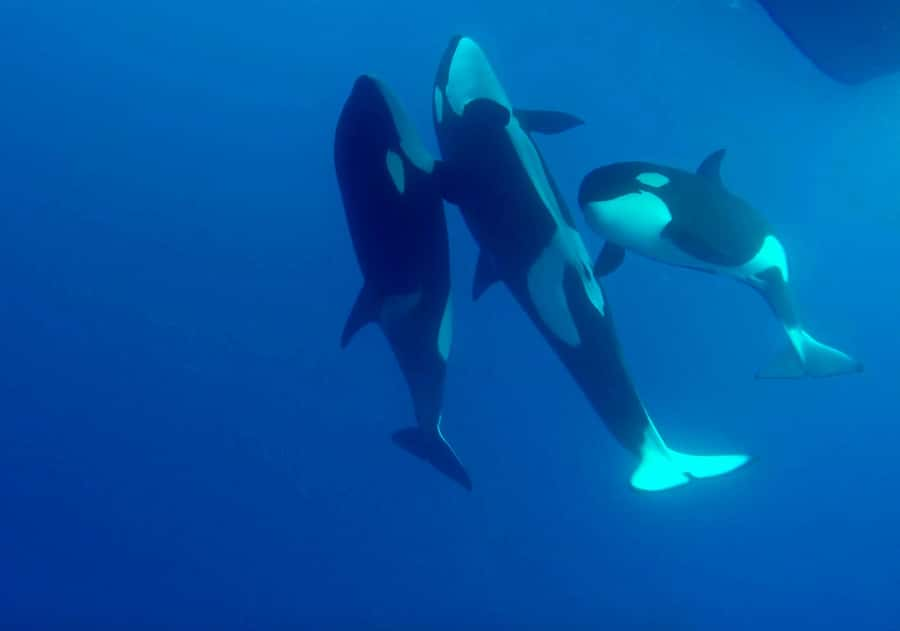
Seeing wild orcas is the whole point here, and Bremer Bay gives you one of Australia’s most reliable places to look for them. After about 1 to 1.5 hours at sea, you may spend several hours around the canyon watching pods hunt, travel, play, or pass close to the boat. The orcas are never guaranteed, but the setting offers a serious chance to see them behaving naturally.
I like the mix of wildlife and interpretation. A marine biologist explains what you are seeing, while the crew’s spotters help locate pods and other animals. I also like that the Alison Maree was built for Southern Ocean conditions, with food and drinks supplied throughout the long day. The catch is clear: this is a rough-water expedition, not a gentle harbour cruise, and seasickness can affect even people who rarely suffer from it.
Key points to know before you go
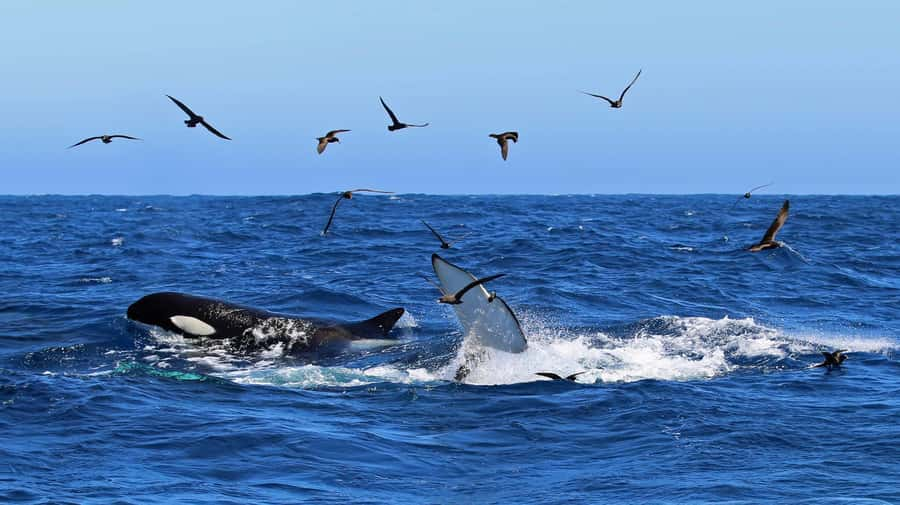
- Wild orcas in Australia: Bremer Canyon is described as the only Australian location where killer whales can be reliably encountered in the wild.
- A full eight-hour day: Allow time for the outward run, several hours near the canyon, and the return to Bremer Bay.
- Marine science on board: A marine biologist provides commentary on orca biology, hunting, and the other animals in the Southern Ocean.
- The boat matters: The Alison Maree was built for these conditions, but no vessel can remove the motion of a rough ocean.
- Food is included: Morning tea, lunch, afternoon tea, and unlimited hot and cold drinks are provided.
- Prepare for seasickness: Take prevention seriously, wear warm layers, and bring comfortable shoes.
Why Bremer Bay is the place to look for orcas
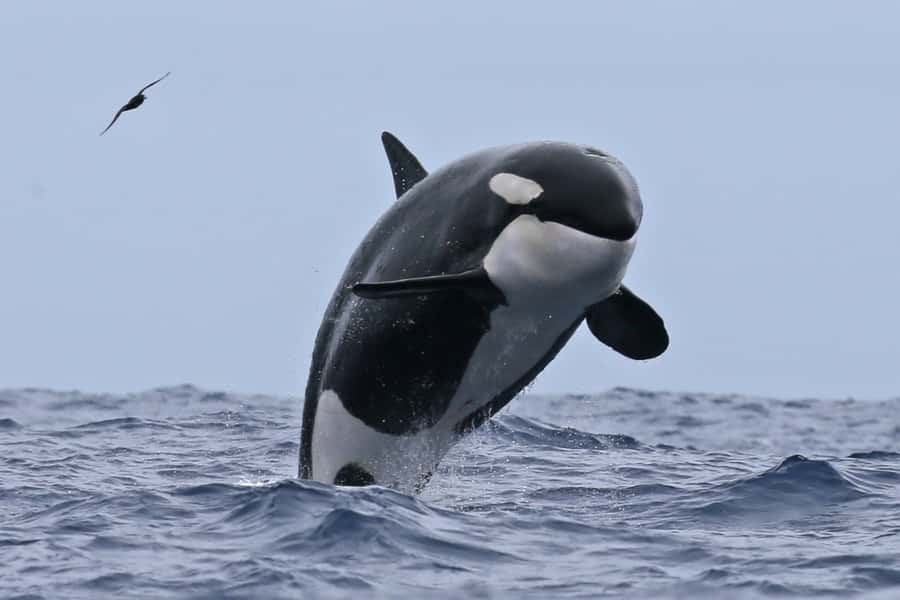
This is not a short wildlife cruise where you circle the coast hoping for a quick fin. The expedition heads from Bremer Bay boat harbour toward the Bremer Canyon, a trip that usually takes around 1 to 1.5 hours depending on the weather and sea state.
The canyon is the draw. It is the only location in Australia described here as a reliable place to encounter killer whales in the wild. That does not mean you receive a guarantee, but it does explain why people travel a long way for this outing. The orcas are not in a tank, trained for a show, or brought to a predictable feeding platform. You are looking for free-ranging animals in open Southern Ocean waters.
The main season and sighting conditions can change, so you should think of the experience as a search for wildlife rather than a scheduled performance. On a strong day, the reward can be remarkable: hours with several pods, animals surfacing close to the boat, orcas riding the wake, and hunting activity that gives you a glimpse of how they operate as a group.
You may also encounter sperm whales, pilot whales, dolphins, sharks, seals, sea lions, albatross, pelagic birds, and occasionally other large whales. The orcas remain the central attraction, but these extra sightings help make the long journey worthwhile when the killer whales are moving farther away.
More Orca Watching Tours in Australia:
- Bremer Canyon Killer Whale (Orca) Expedition
★ 5.0 · 215 reviews - Bremer Bay Orca Experience
★ 5.0 · 79 reviews - Bremer Canyon Orca Experience from Bremer Bay
★ 4.6 · 35 reviews
Starting at Bremer Bay boat harbour
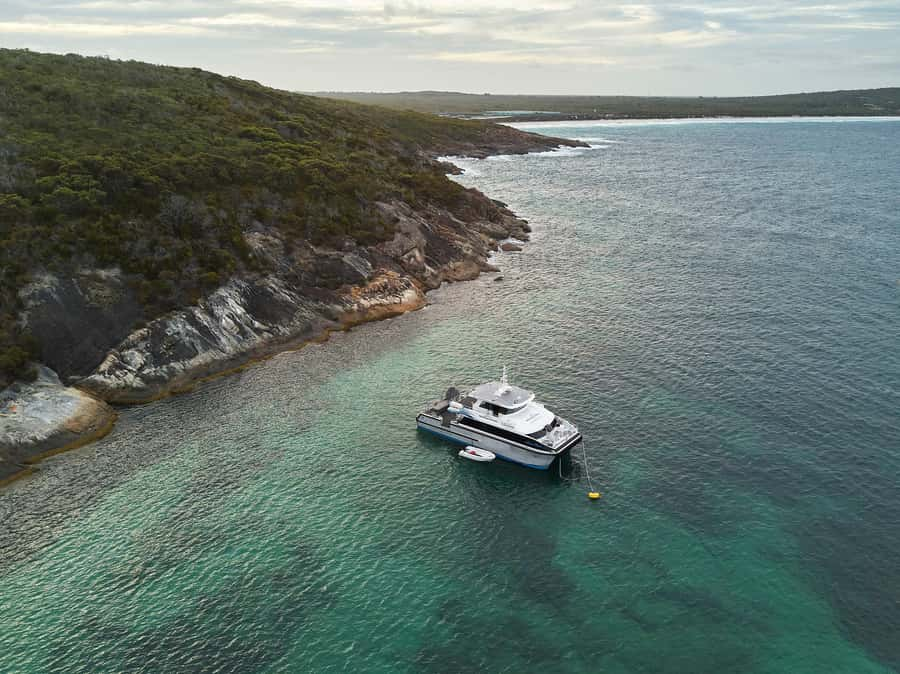
The day begins at the Bremer Bay boat harbour with a safety briefing. From there, you board the Alison Maree for a full-day trip lasting approximately eight hours.
The first part of the journey is practical rather than scenic. You are getting out to the offshore area where the wildlife is found, so the boat may be moving steadily for a good stretch before the main sightings begin. Use this time to settle in, listen to the safety information, and take your seasickness precautions before the ocean motion becomes a problem.
A multimedia presentation covers killer whale biology and ecology, along with information about the other species you could see. This is useful preparation because it gives you a better sense of what to watch for once the boat reaches the canyon. You are not simply waiting for a dorsal fin. You are learning how orcas feed, travel, and interact with other animals.
The crew also uses this time to explain the day ahead. The trip depends on weather, visibility, and the position of the animals, so the schedule near the canyon can shift. That flexibility is important. A crew that stays with a pod or changes course to find more animals can give you a far better experience than a rigid timetable.
The Alison Maree and life at sea
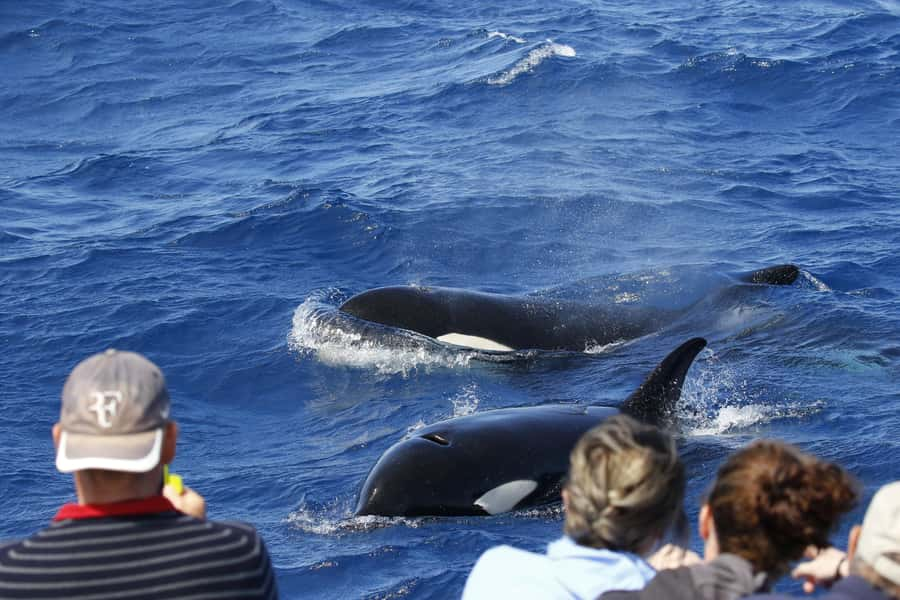
The Alison Maree was built specifically for Southern Ocean conditions. That is a meaningful feature here, since this is a long offshore trip rather than a calm-water sightseeing ride.
Still, a purpose-built boat cannot make the sea flat. Several people on recent outings found the conditions rough enough to cause motion sickness, even when the weather seemed mild from shore. The most useful advice is simple: take recommended seasickness medication before boarding, bring warm clothing, and wear comfortable shoes. Several people also found it helpful to sit outside, where fresh air can reduce discomfort.
The boat provides shelter and places to watch from, but you should not dress as if you are spending the day in summer sunshine. Conditions can change, and spray or wind may make the day feel colder than expected. Waterproof layers are a sensible choice if you have them.
The crew keeps food and drinks available throughout the trip. Morning tea, lunch, afternoon tea, and hot and cold drinks are included, which saves you from having to pack a full day’s supply of food. This also matters when seasickness is a concern. A light, plain breakfast before departure may be easier to manage than a heavy meal.
The boat is not a swimming platform. Swimming and snorkeling are not allowed, and this trip is entirely about watching marine life from on board.
Spending time with the killer whales
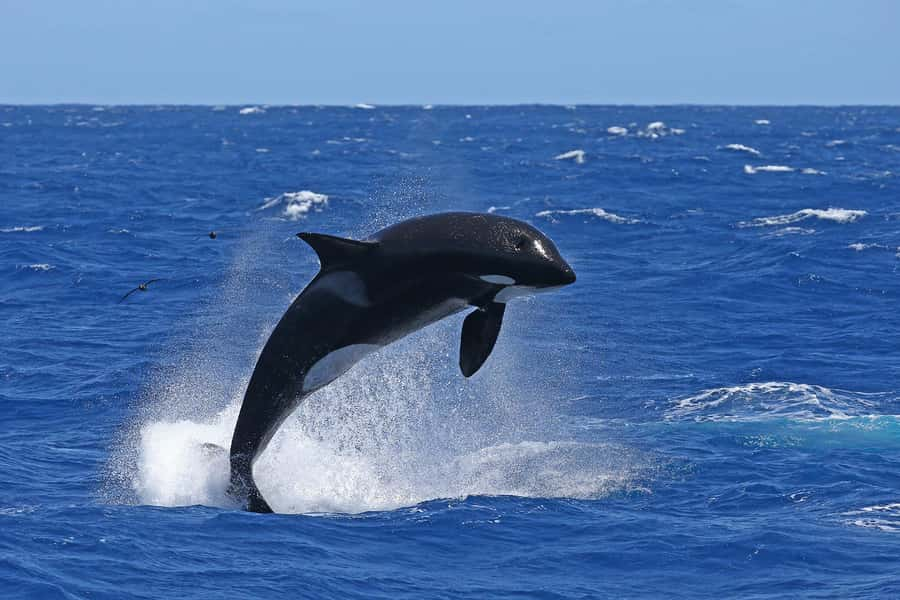
Once the expedition reaches the canyon area, the pace changes. The crew and spotters search for pods and position the boat so you can see the animals without chasing them in a reckless way.
The best days can bring prolonged viewing. Some outings have included several hours with orcas, sometimes with sightings continuing almost constantly while the boat remained in the area. You might see them surface in groups, pass beneath the boat, travel alongside it, or move through the water in formation.
The most memorable encounters are not always the closest ones. A pod changing direction, young orcas following older animals, or a group working together while hunting can tell you more than a single quick pass. The crew’s explanations help you understand those moments instead of simply watching shapes break the surface.
Predation is possible, though it is not something you should expect on demand. Some days have included two hunting events, which is an unusual and powerful sight. If you do witness hunting, the marine biologist can help explain the behaviour and the role of different animals in the group.
You may also notice the orcas showing curiosity around the boat. One outing included younger orcas named Nipper and Blade swimming back and forth beneath the vessel, apparently enjoying the attention of the people watching above. That kind of behaviour is a reminder that the animals are individuals, not just a distant species on a checklist.
The crew’s role is important here. Spotters locate the pods, while the marine biologist gives context about what is happening. The best feedback about this expedition consistently points to the crew’s care, enthusiasm, and ability to explain the wildlife clearly. One practical complaint was that announcements could sometimes be difficult to hear, so staying alert and positioning yourself where you can hear the commentary may help.
More whale trips worth the boat ride around Australia:
- Sydney: Whale Watching Adventure Cruise
★ 4.2 · 1,790 reviews - Brisbane Whale Watching Cruise from Redcliffe or Sunshine Coast
★ 5.0 · 997 reviews - Freedom 3/4 Day Hervey Bay Premium Whale Watching Cruise
★ 5.0 · 919 reviews - Whale Watching Tour with Spirit of Gold Coast
★ 4.5 · 884 reviews
What else you might see in the canyon
Orcas are the headline, but the Southern Ocean can offer a wider cast of animals. Dolphins may appear during the outward run or near the canyon. Pilot whales and sperm whales have been seen on the same day as killer whales, and one outing also included a blue whale.
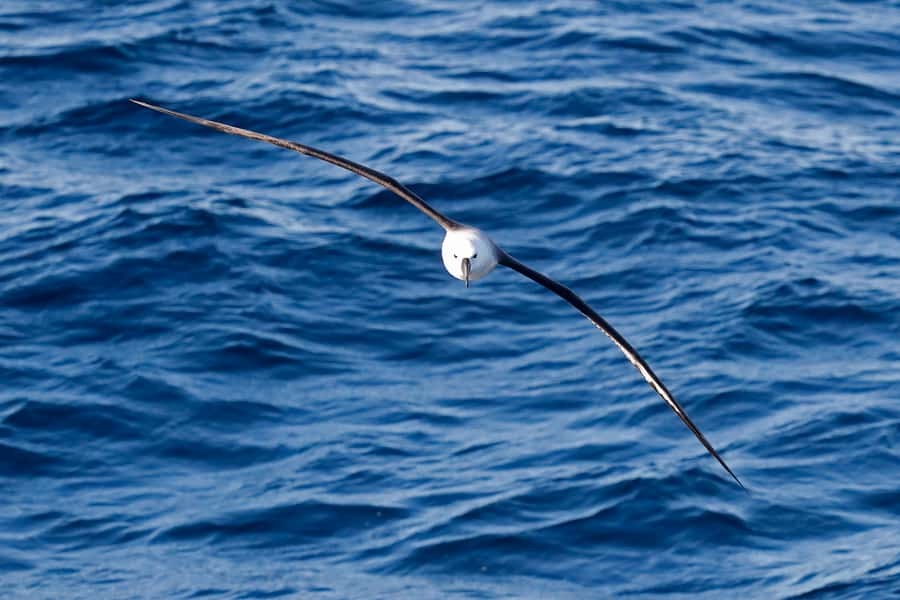
Seals and sea lions may turn up, along with bronze whaler sharks and a range of pelagic birds. Albatross sightings are particularly fitting for this kind of open-water trip, since you are far from the sheltered coast and watching animals that spend much of their lives at sea.
The variety is not guaranteed. You should not book this tour expecting equal time with every species listed. The orcas are the reliable target, and the other animals are valuable additions. One fair criticism is that someone hoping for a long list of different large marine mammals may see fewer species than expected, simply because the crew focuses on finding and staying with killer whale pods.
That focus makes sense. If the orcas are active, moving the boat away just to search for another species could weaken the main experience. If a sperm whale appears on the return journey, the crew may adjust the timing to give you a better look, as has happened before.
Food, commentary, and crew care
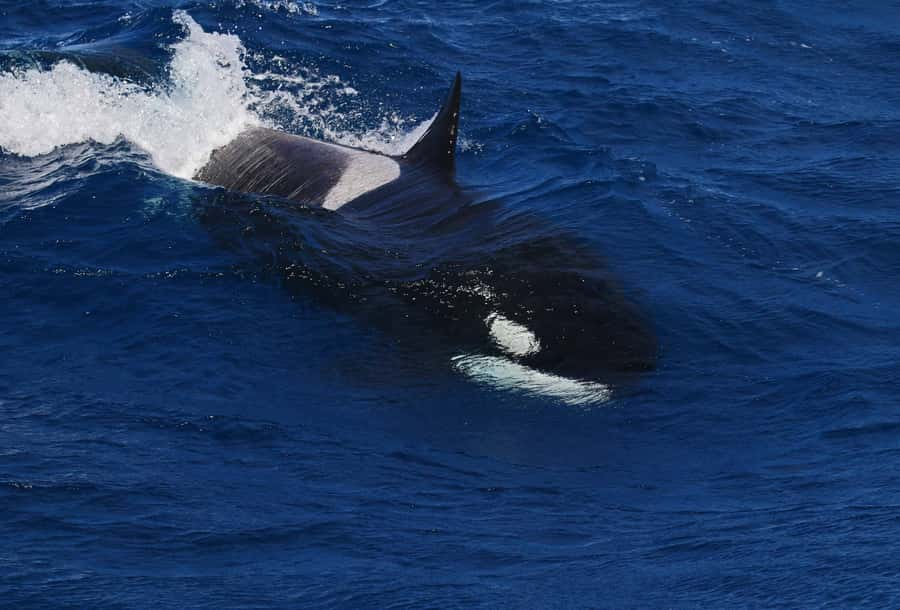
An eight-hour wildlife trip is much easier when you are fed and looked after. Morning tea, lunch, afternoon tea, and unlimited hot and cold beverages are part of the price, so you are not paying extra every time you need a drink.
The food also gives the day a useful rhythm. You can have something during the outward journey, eat lunch while the boat is working around the canyon, and take another break later in the afternoon. If you are prone to seasickness, keep portions modest and choose plain food when needed.
The marine biologist’s commentary adds real value. Orcas are fascinating to watch, but their movements can be hard to interpret without context. Explanations about biology, ecology, hunting, and social behaviour make the sightings more meaningful.
The crew also appears to take passenger comfort seriously. Staff help people who are unwell, keep drinks moving, answer questions, and continue working in difficult sea conditions. The occasional issue with hearing the microphone or managing movement around the boat is worth noting, but the overall service is a strong part of the outing.
After the trip, your photos and a daily blog are emailed to you. That is useful because it lets you enjoy the day without trying to photograph every second. It also gives you something to refer back to when you want to identify the animals or remember the sequence of the outing.
Is $282 good value?
At $282 per person, this is not a casual add-on. You are paying for a full eight-hour marine expedition, a purpose-built vessel, a marine biologist, meals, drinks, crew support, and the chance to see wild orcas in a location known for reliable encounters.
The value depends on your expectations. If you need a guaranteed sighting, no wildlife tour can honestly offer that. If you want a short, calm cruise, this is also the wrong choice. But if seeing killer whales in their natural habitat is a major reason for visiting Bremer Bay, the price is easier to justify.
The trip can also include several hours in the canyon, not just a brief appearance before the boat returns. Add possible sightings of sperm whales, pilot whales, dolphins, seals, sharks, and albatross, and the day offers more than a single target species.
I would budget for the tour as one of the main activities of your Western Australia trip. It takes most of the day, and there is no hotel pickup or drop-off, so you need to arrange your own way to Bremer Bay boat harbour. Reserve and pay later is available, and cancellation is free up to 24 hours before departure, which gives you some flexibility if your plans change.
Who should book this expedition?
This is best for adults and older children who are comfortable spending a long day at sea. Children under 10 are not accepted, and the experience is not suitable for pregnant women or wheelchair users.
You should book if you care about wild marine life, enjoy learning from a marine biologist, and can accept that the sea may be rough. You should also be happy to spend much of the day outdoors, watching patiently for animals rather than moving between a series of land-based stops.
It is less suitable if you become very seasick, dislike uncertain weather, or want a short sightseeing trip. Even people who had never been seasick before chose to take medication as a precaution, and that is sensible advice here.
Bring warm clothing, comfortable shoes, motion sickness prevention, and a light breakfast. Waterproof layers are helpful. You cannot swim or snorkel, so pack for observation rather than water activities.
Should you book the Bremer Bay orca expedition?
If seeing killer whales in the wild is high on your list, I would book this tour and treat the sea conditions as part of the deal. The combination of a purpose-built boat, strong wildlife-searching experience, marine interpretation, and included meals makes the $282 fare reasonable for a full day offshore.
Book with realistic expectations. The orcas are wild, the Southern Ocean can be rough, and the journey out takes time. But when the pods remain near the boat for hours, or you watch them hunt, travel, and play in their own world, the long ride has a clear payoff.
FAQ
Where does the Bremer Bay killer whale expedition start?
The expedition starts at Bremer Bay boat harbour and returns to the same harbour.
How long does the experience last?
The expedition takes approximately eight hours. The trip to the canyon area usually takes around 1 to 1.5 hours, depending on sea conditions and weather.
What wildlife can I see?
The main target is wild killer whales. You may also see sperm whales, pilot whales, dolphins, sharks, seals, sea lions, pelagic birds, albatross, and other whales.
Are killer whale sightings guaranteed?
No. The Bremer Canyon is described as the only place in Australia where killer whales can be reliably encountered in the wild, but they remain wild animals and sightings cannot be guaranteed.
Is food included?
Yes. Morning tea, lunch, afternoon tea, and unlimited hot and cold beverages are included.
Is there a marine biologist on board?
Yes. An onboard marine biologist provides commentary about killer whale biology and ecology, as well as the other marine life you may encounter.
What should I bring?
Bring comfortable shoes, warm clothing, and motion sickness prevention. Waterproof layers may also be useful in changing Southern Ocean conditions.
Can I swim or snorkel during the trip?
No. Swimming and snorkeling are not allowed during the expedition.
Who cannot take this tour?
The experience is not suitable for children under 10, pregnant women, or wheelchair users.
Newly added whale trips around Australia
- Tweed Heads: Whale Watching Boat Tour★ 4.7 · 30 reviews
- Bremer Bay Orca Experience★ 5.0 · 79 reviews
- Wilsons Prom Whale Cruise★ 5.0 · 104 reviews
- Whale Watching and Wildlife Cruise Townsville and Magnetic Island★ 5.0 · 11 reviews
- Whales of Sydney Sea Safari★ 5.0 · 2 reviews
- Sydney Whale Watching Cruise from Circular Quay★ 4.5 · 207 reviews
- Whale Watching Sailing Experience in Sydney★ 5.0 · 28 reviews
- Sydney Harbour Tall Ship Whale & Sail – Whale Watching Cruise★ 5.0 · 5 reviews
Australia Whale Watching Tours, side by side.
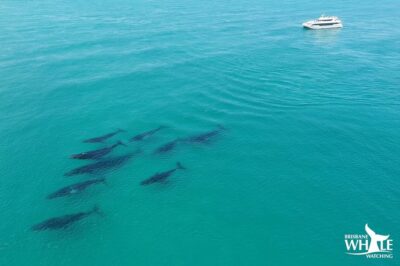
Brisbane Whale Watching Cruise from Redcliffe or Sunshine Coast
Read our review →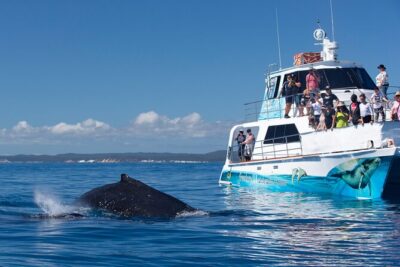
Freedom 3/4 Day Hervey Bay Premium Whale Watching Cruise
Read our review →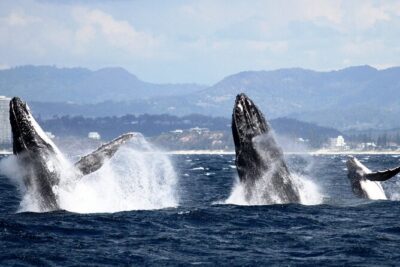
Sydney Whale-Watching Cruise Including Lunch or Breakfast
Read our review →
Lists this trip appears in