
Review · AUSTRALIA
Bremer Canyon Orca Experience from Bremer Bay
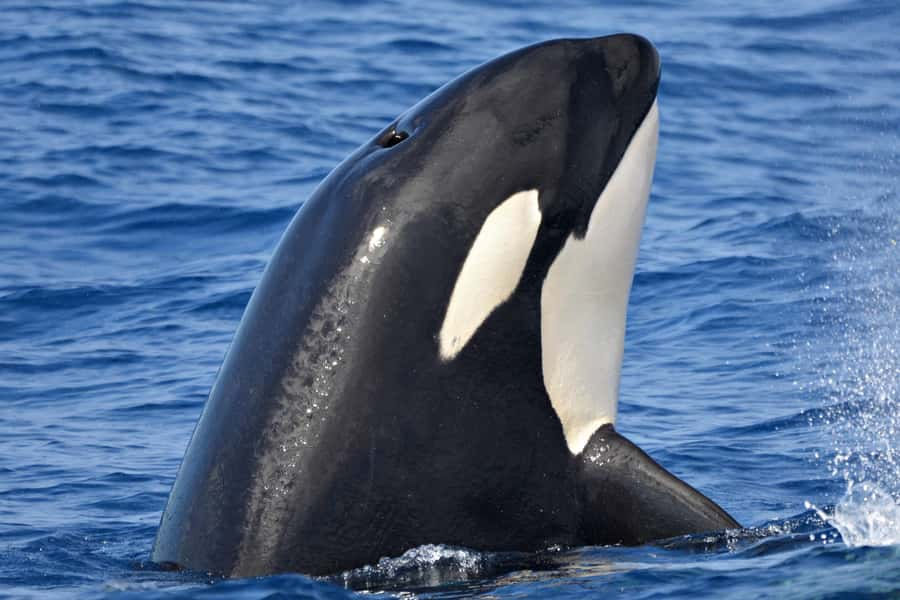
Seeing wild orcas in the Bremer Canyon is the main event, but the real value lies in the way the day is spent. The crew searches along the southern coast of Western Australia, then explains the family groups, hunting methods, and social behavior unfolding around you. The orcas are wild, so sightings are never guaranteed, but the setting and expert interpretation make the journey worthwhile even on a quiet day.
I like two things right away: the crew does not chase the animals, and the boat is built for a long run offshore rather than a short harbor cruise. I also like the generous food service, free photographs, and warm indoor lounge. The catch is rough water. Several hours in the Indian Ocean can be hard on your stomach, and one March departure had more than 80 percent of people feeling seasick.
Key points to know before you book
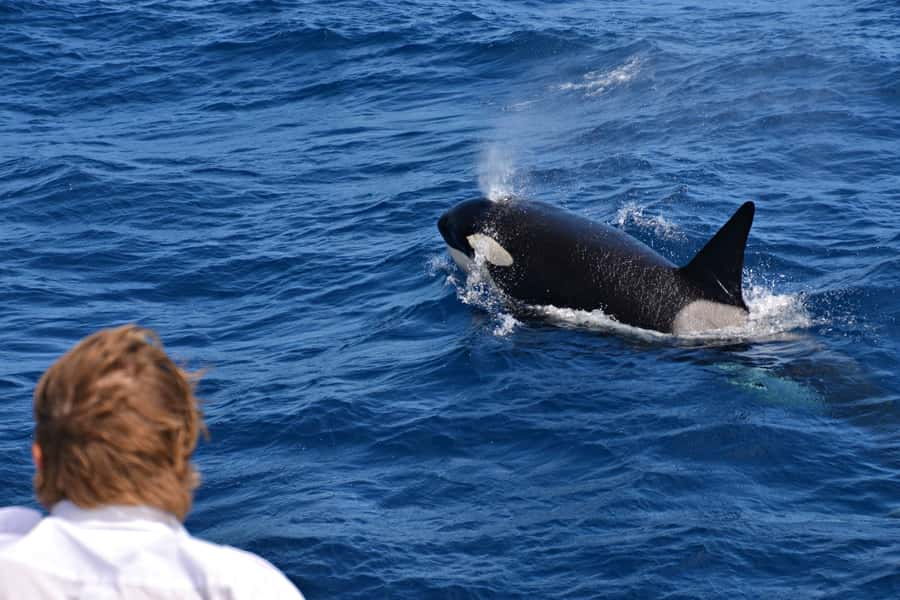
- The orca grounds are 19 nautical miles offshore, so this is a serious open-ocean outing, not a quick coastal trip.
- A 25-metre, $4.5 million cruiser gets you to the Bremer Canyon in comfort and reduces travel time to the sighting area.
- The family team has logged more than 6,500 hours of observation in the canyon over nine years.
- Food is served throughout the day, including morning and afternoon tea, hot and cold lunch choices, drinks, tea, coffee, and water.
- The crew lets the orcas approach naturally, rather than racing after them.
- Photos are provided free for download, along with a postcard of the experience.
Why the Bremer Canyon is the whole point
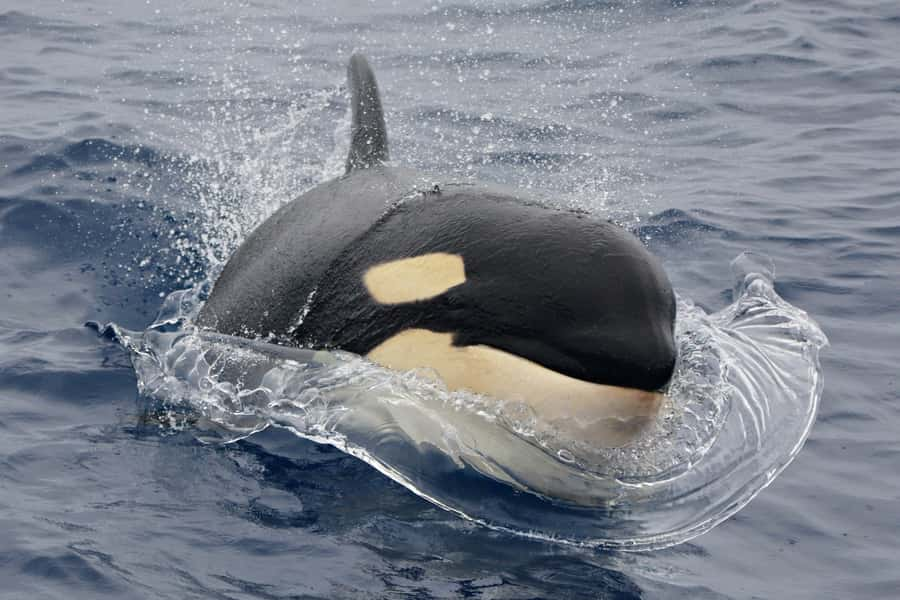
The Bremer Canyon Marine Reserve sits off the southern coast of Western Australia, close to Bremer Bay. The orcas gather in this offshore area, which means the most important part of the trip happens well beyond the shoreline.
From Bremer Bay Boat Harbour, the vessel heads about 19 nautical miles out to sea. That distance matters. You are not looking for animals that happen to pass a waterfront pier. You are going to a known gathering area in open water, where conditions can change quickly and the boat may need to search.
I like this approach because it puts the focus on the animals rather than on a quick photo opportunity. The crew says it has spent more time in the Bremer Canyon than any other family team, with more than 6,500 hours of observation over nine years. That long record gives the commentary a useful base. You are not simply told that an orca is nearby. You learn about family groups, intelligence, hunting techniques, and the behavior being seen at that moment.
The marine reserve also gives the day a sense of place. You are not just watching wildlife from a boat. You are seeing a wild population in the waters where it gathers, with the southern coast of Western Australia as your backdrop.
More Orca Watching Tours in Australia:
- Bremer Canyon Killer Whale (Orca) Expedition
★ 5.0 · 215 reviews - Bremer Bay: Bremer Canyon Killer Whale Expedition
★ 4.9 · 114 reviews - Bremer Bay Orca Experience
★ 5.0 · 79 reviews
Leaving Bremer Bay Boat Harbour
Your day begins at Bremer Bay Boat Harbour. The exact starting time depends on availability, but you should plan for a full day, with the listed duration reaching eight hours. The whale watching portion is described as seven hours, so the total day likely includes the harbor departure and return.
The vessel is a 25-metre open-ocean cruiser built specifically for whale watching. The operator describes it as a $4.5 million boat designed to reach the sighting grounds quickly while offering comfort and shelter. That is important here. A smaller boat might make the ocean feel more immediate, but speed and stability matter when the wildlife is nearly 20 nautical miles offshore.
Inside, you have a warm lounge protected from cold wind and changing weather. This is not a minor extra. You may spend long periods outside when animals are active, then need somewhere sheltered when the wind picks up or your hands get cold. The indoor seating also helps if you need a break from the motion of the sea.
Seating can become an issue. On one departure, people who were seasick lay down and took up much of the available room, leaving some passengers on the floor during the return journey. I would treat the lounge as a valuable shelter, not a guarantee of a comfortable seat for every minute of the day.
The run to the orca sighting grounds
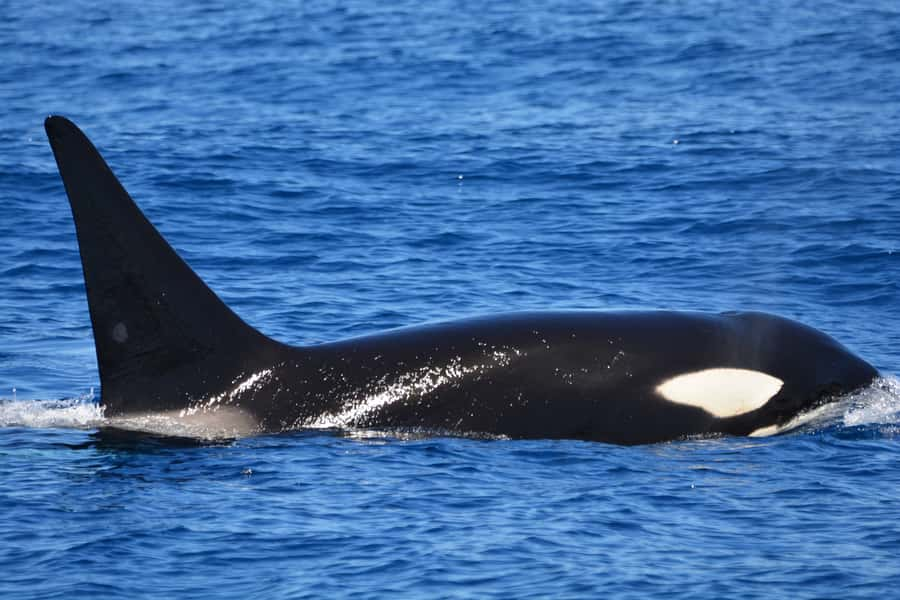
The boat is designed to minimize the travel time to the canyon, but you still need to cross open ocean. That is the part you should prepare for most carefully.
The water can be rough, even when conditions looked calm from shore. A calm day made one March trip especially pleasant, but another departure had widespread seasickness. The practical lesson is simple: if you are prone to motion sickness, speak with a medical professional or pharmacist before the trip and consider taking an appropriate travel sickness tablet in advance. Do not wait until you feel ill. Once nausea starts, it is harder to settle.
The crew carries sick bags and towels and pays attention to people who are struggling. That care is useful, but it does not change the fact that the crossing can be demanding. Eat lightly before departure, follow the advice that comes with any medication you take, and bring warm clothing even if Bremer Bay feels mild at the harbor.
As the boat travels offshore, the crew begins the live commentary. This is when the day shifts from a boat ride to a guided wildlife search. You can ask questions in English, and the team explains what it is watching rather than filling the air with generic facts.
Watching wild orcas without a chase
The strongest part of the experience is the operating style around the animals. The crew aims to respect the orcas and avoids chasing them. If the animals come toward the boat, you get a close view without the vessel forcing the encounter.
That choice matters for two reasons. First, it is better for the animals. Second, it gives you a more honest look at their behavior. An orca that chooses to approach, travel past, or remain near the boat is doing something different from an animal being pursued by a fast-moving vessel.
Sightings can last for a long time or happen in short bursts. One particularly strong departure had repeated orca sightings for about three hours, with some animals coming close to the boat. Other days can be less generous. One passenger still gave the day a top rating despite seeing no orcas, which is a useful reminder that no responsible wildlife operator can promise a result from a wild-animal encounter.
If the animals are present, the crew interprets what you see moment by moment. You might hear about the different family groups in the area, the intelligence of the species, or the hunting methods being used. This information gives structure to the waiting. Instead of simply scanning the water for a fin, you understand why the crew is watching a certain group and what behavior could follow.
More whale trips worth the boat ride around Australia:
- Sydney: Whale Watching Adventure Cruise
★ 4.2 · 1,790 reviews - Brisbane Whale Watching Cruise from Redcliffe or Sunshine Coast
★ 5.0 · 997 reviews - Freedom 3/4 Day Hervey Bay Premium Whale Watching Cruise
★ 5.0 · 919 reviews - Whale Watching Tour with Spirit of Gold Coast
★ 4.5 · 884 reviews
What you eat and drink during the day
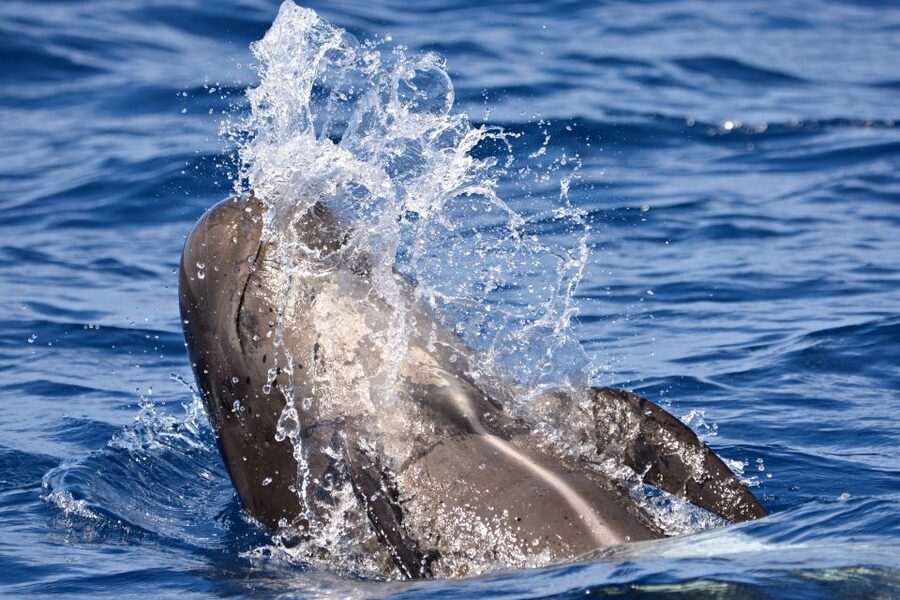
This is an all-inclusive outing in the practical sense. Morning and afternoon tea are included, along with lunch and a complimentary beverage. Lunch has hot and cold choices, and unlimited tea, coffee, and water are available.
Food service matters more than it might on a short cruise. You are away from shore for most of the day, and the cold, wind, and motion can leave you hungry. Regular snacks also mean you do not need to pack a full picnic or worry about finding food in the canyon.
A drink is included with lunch, both alcoholic and non-alcoholic options are listed. Keep your own tolerance for alcohol and rough water in mind. If you are worried about seasickness, water and light food may be the wiser choice.
The meals also add value to the $282 price. You are paying for a full-day marine wildlife operation, not merely a seat on a boat. The vessel, crew, research background, food, shelter, photography, and offshore fuel all form part of the cost. It is expensive, but the inclusions make it easier to compare with a basic boat trip where meals and photos cost extra.
Learning from the family team and research staff
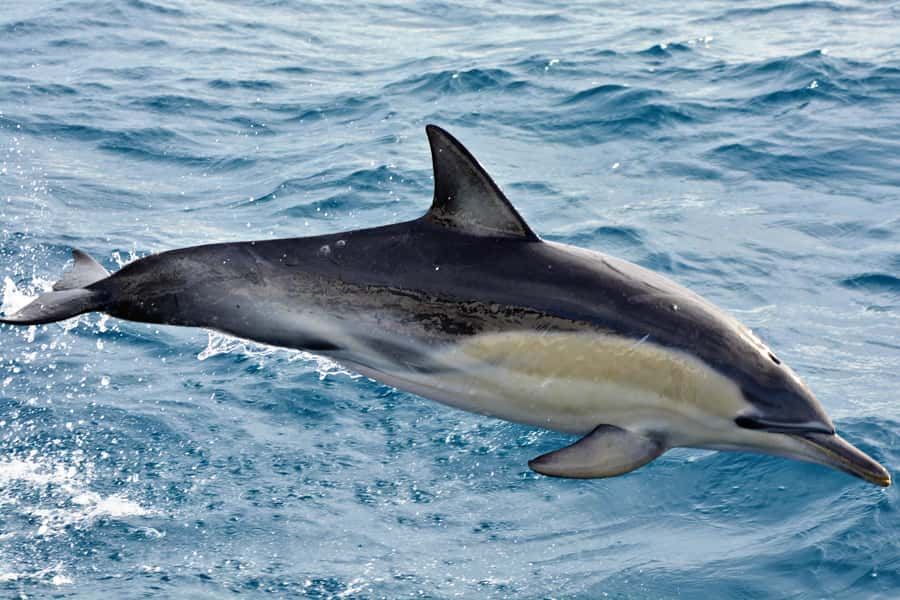
The commentary is one of the reasons to choose this operator over a sightseeing cruise with little interpretation. The family team has been working in the Bremer Canyon for nine years, and scientists and research staff are on board.
You get explanations as events happen. If the orcas split into groups, approach the vessel, hunt, or move away, the crew can put that behavior into context. This makes the viewing more rewarding for first-time orca watchers, while still giving experienced wildlife fans something to follow.
The tone is also practical. You are not simply handed a short list of facts. The crew explains the individuals and family groups being seen, along with the techniques that make orcas such effective hunters. Since the animals are not trained and the sightings are not staged, the commentary helps you understand why the day unfolds as it does.
The operator also says its family is aboard every tour. That creates a consistent feel and gives the day a personal connection to the place. You are dealing with a team that treats the canyon as a long-term study area, not just a backdrop for photographs.
Free photos and a useful souvenir
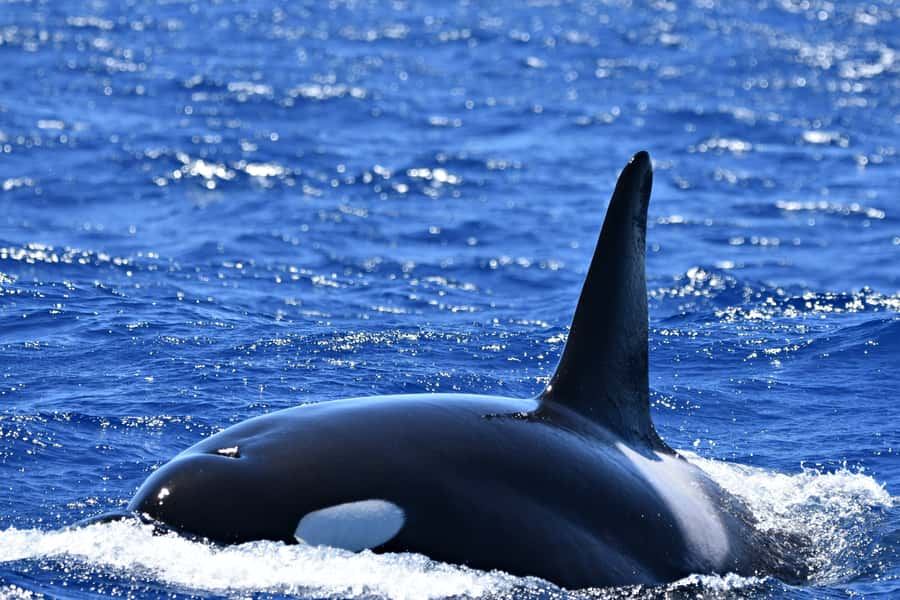
A professional photographer works during the trip, taking images of the wildlife and the surrounding experience. At the end of the day, you can download the photographs for free through The Daily Whale.
This is a real benefit. Wildlife photography from a moving boat is difficult, especially when you are also trying to watch the animals with your own eyes. You may get a few good phone pictures, but a professional onboard has a better chance of capturing the moment.
The free postcard is a small touch, but it gives you something physical to take home. The downloadable photos are more useful for sharing with family and friends, particularly if the orcas surface too far away for your own camera to manage.
Do not treat the photos as a guarantee of perfect close-ups. The animals decide the distance, the light changes, and the boat moves. Still, having a photographer on board removes some pressure to spend the whole day staring through a screen.
The main drawback: open-ocean conditions
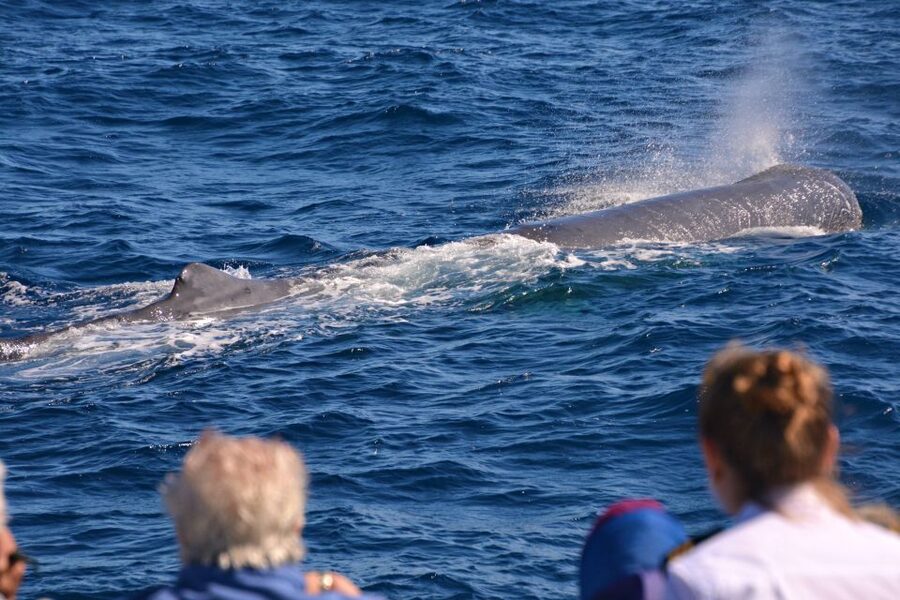
The central drawback is not the boat or the service. It is the sea.
A full day in the Indian Ocean can be physically tiring. More than 80 percent of passengers on one reported March departure became sick, which is a striking warning. Other departures were calm and enjoyable, so conditions vary, but you should plan for the difficult version rather than assume you will get the gentle one.
The crew provides bags and towels and offers attention when people feel unwell. That helps, but it cannot remove the motion. If you are very sensitive to boats, pregnant, traveling with young children, or unsure how you handle open water, think carefully before committing to an eight-hour trip.
The seating concern is linked to this problem. When many people need to lie down, indoor space becomes limited. You may have to stand, sit outside, or use the floor during parts of the return. Warm clothing, motion sickness preparation, and a flexible attitude will make a difference.
Who gets the best value from the $282 price
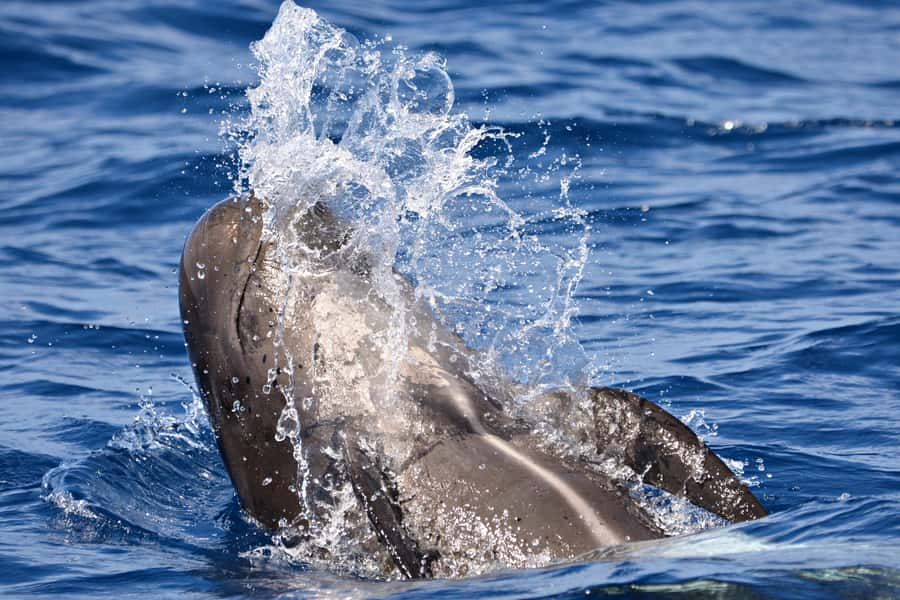
At $282 per person, this is a major excursion cost. I would not choose it casually as a generic day on the water. I would choose it if seeing Bremer Bay orcas is a central goal of your Western Australia trip.
The price includes the boat, live interpretation, the full whale watching period, morning and afternoon tea, lunch, a complimentary drink, tea, coffee, water, a postcard, and downloadable photographs. You also get a purpose-built vessel with an indoor lounge and a crew with extensive time in the canyon.
That package compares well with paying separately for food, drinks, and wildlife photography. The bigger question is not the number of inclusions. It is your willingness to accept the risk of rough seas and no guaranteed sighting.
The tour suits you best if you enjoy wildlife for its own sake, can handle a long day offshore, and want to understand what you are seeing. It is less suitable if you need a guaranteed close encounter, dislike boats, or want a short and easy excursion.
Free cancellation up to 24 hours before departure and the option to reserve now and pay later give you some flexibility. You should still check the available departure time and the latest conditions before booking.
Should you book the Bremer Bay Orca Experience?
Book it if wild orcas are high on your list and you want a serious, well-supported day in the Bremer Canyon. The best reasons are the respectful approach to the animals, the experienced family team, the live scientific commentary, and the unusually generous food and photo package.
Do not book it expecting a smooth cruise or a guaranteed show. Prepare for open water, possible seasickness, limited seating if many people feel ill, and the chance of returning without an orca sighting.
My advice is to take the motion sickness warning seriously, wear warm layers, and judge the price against the whole package rather than the boat ride alone. For a wildlife-focused visitor who accepts the uncertainty, this is a strong way to spend a day off Bremer Bay.
FAQ
Where does the Bremer Canyon Orca Experience depart from?
The tour departs from Bremer Bay Boat Harbour in Western Australia.
How long does the experience last?
The listed duration is eight hours. The whale watching portion is described as seven hours.
How far offshore are the orca sighting grounds?
The sighting grounds are about 19 nautical miles from the coastline.
Is food included?
Yes. The experience includes morning and afternoon tea, lunch with hot and cold choices, a complimentary alcoholic or non-alcoholic beverage, unlimited tea and coffee, and water.
Are photographs included?
Yes. A professional photographer takes wildlife photographs, which you can download free through The Daily Whale. A postcard is also included.
What language is the tour conducted in?
The live tour guide and commentary are in English.
Newly added whale trips around Australia
- Tweed Heads: Whale Watching Boat Tour★ 4.7 · 30 reviews
- Bremer Bay Orca Experience★ 5.0 · 79 reviews
- Wilsons Prom Whale Cruise★ 5.0 · 104 reviews
- Whale Watching and Wildlife Cruise Townsville and Magnetic Island★ 5.0 · 11 reviews
- Whales of Sydney Sea Safari★ 5.0 · 2 reviews
- Sydney Whale Watching Cruise from Circular Quay★ 4.5 · 207 reviews
- Whale Watching Sailing Experience in Sydney★ 5.0 · 28 reviews
- Whale Watching on Speed Boat with canopy from Sydney Harbour★ 5.0 · 14 reviews
Australia Whale Watching Tours, side by side.
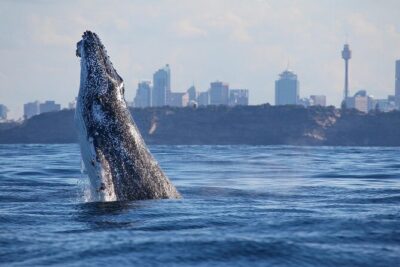
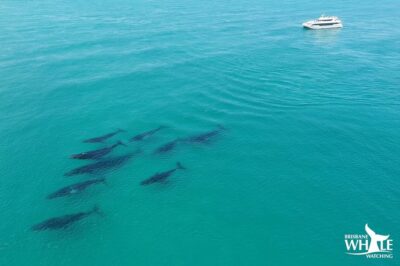
Brisbane Whale Watching Cruise from Redcliffe or Sunshine Coast
Read our review →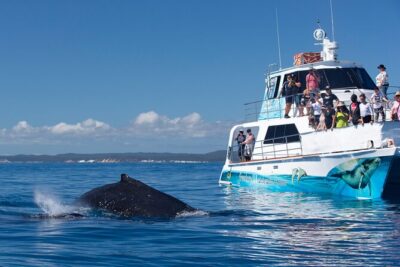
Freedom 3/4 Day Hervey Bay Premium Whale Watching Cruise
Read our review →
Sydney Whale-Watching Cruise Including Lunch or Breakfast
Read our review →
Lists this trip appears in