
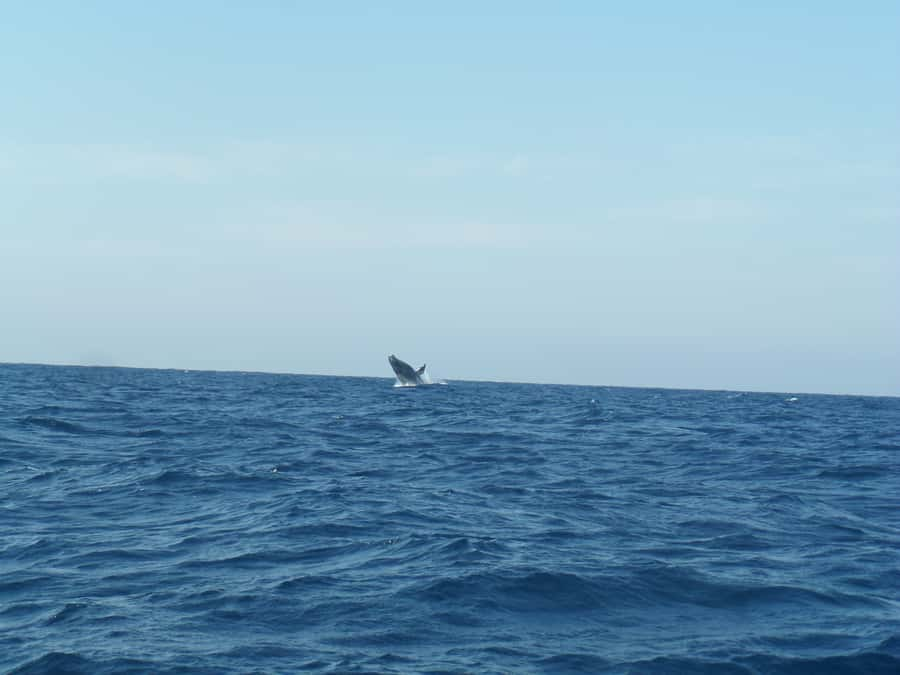
Review · SOUTH AFRICA
Durban: Durban: Whale and Dolphin Watching Boat Tour
Humpback whales can reach about 15 meters and weigh 30 tons, yet they may surface just a short distance from your small boat off Durban. June to November is whale season, when these giants pass through on their migration to warmer waters.
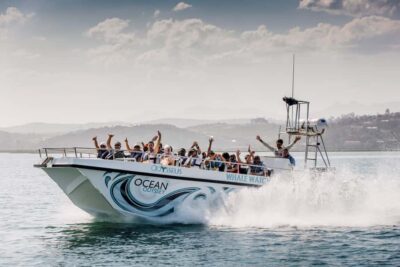
I like the 11-passenger boat, which keeps the outing personal and gives you a good chance to see over the sides. I also like the guides’ hands-on approach. Bennie, in particular, is known for spotting animals, explaining their behavior, and sharing photos and videos after the trip.
The main catch is simple: wildlife is never guaranteed. Summer brings fewer or no whales, and rough weather can alter the route. Even in whale season, you may spend time scanning empty water before the ocean provides its show.
Key points to know
- Best whale months: Whales pass Durban from May to November, with the strongest case for a whale-focused trip during the winter season.
- Small boat setting: The usual vessel carries 11 passengers, with front-facing seats and the skipper and crew behind you.
- Wildlife beyond whales: Dolphins can appear all year, along with birds and fish. Turtles, manta rays, orcas, and sharks are possible but not promised.
- Guide-led experience: Guides explain whale behavior and aim to give you a close view without disturbing the animals.
- Weather matters: Calm, windless conditions with small swells make viewing more comfortable and can improve your chances of seeing animals clearly.
- Price and timing: The tour costs $102 per person and lasts two hours, with check-in at Wilson’s Wharf 30 minutes before departure.
Setting Out From Wilson’s Wharf
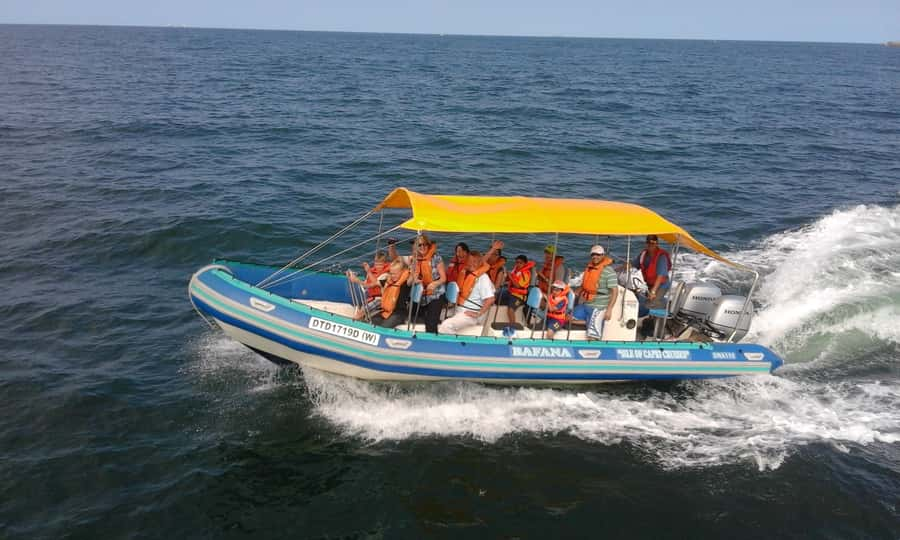
Your outing begins at the Isle of Capri Cruises office at Wilson’s Wharf Marina, beside the Casadena Spur end of the complex. Arrive with your ticket at least 30 minutes before departure. That extra time matters because the boat leaves from a working marina, not from a simple beach kiosk where you can stroll up at the last second.
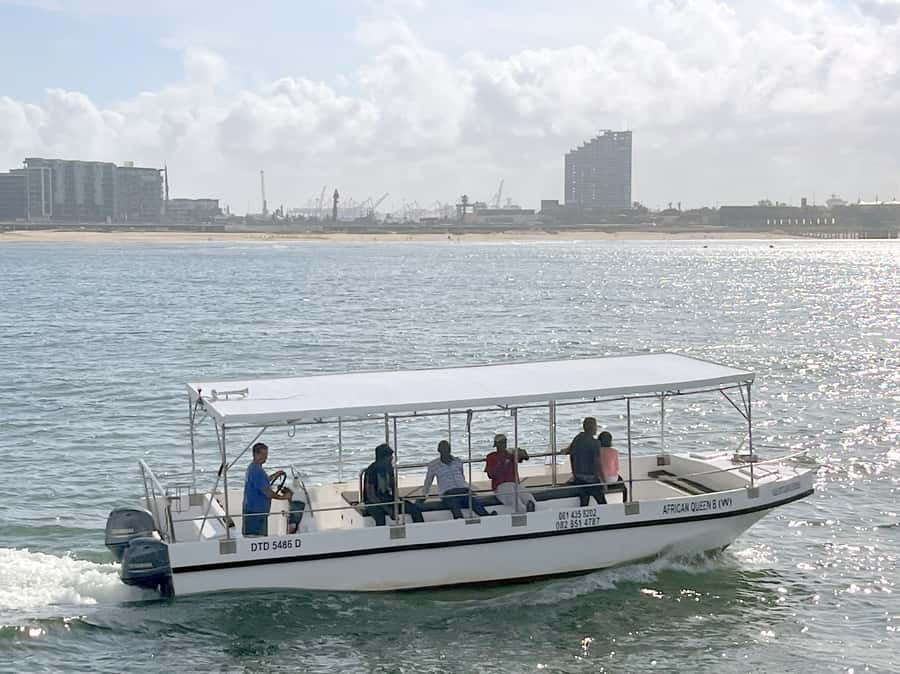
The meeting point puts you close to the water from the start. After checking in, you meet the guide and board the vessel assigned to your departure. The standard boat carries 11 passengers, though two boats may leave around overlapping time slots when demand requires it.
One useful detail is that there is no single dedicated vessel used for every departure. The operator draws from a group of available boats to handle weather, maintenance, and seasonal demand. You are not guaranteed a particular boat, but the whale-watching format remains the same.
The vessel is registered with the South African Safety Authority as a suitable whale and dolphin-watching boat, and it has held one of Durban’s limited whale-watching permits since 2012. That does not turn a rough sea into a calm one, but it gives you some useful context about the operation.
More Whale and Dolphin Watching Tours in South Africa:
- Hermanus: Whale and Dolphin Watching Boat Trip
★ 4.6 · 807 reviews - Whale, Dolphin & Penguin Island Cruise
★ 5.0 · 687 reviews - Tenerife: Eco-Yacht Whale and Dolphin Watching and Swimming
★ 4.7 · 15,619 reviews
Two Hours on the Indian Ocean
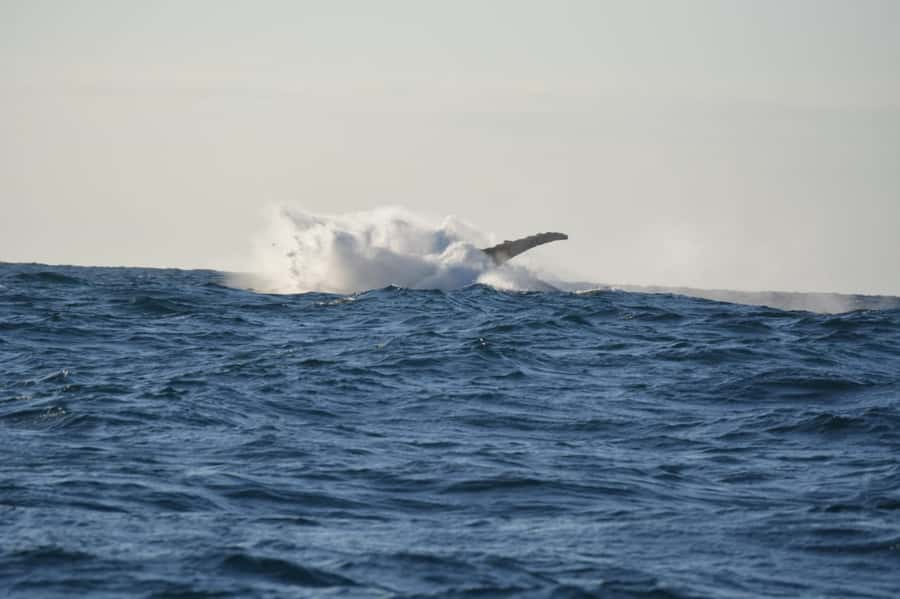
Once clear of the marina, the boat heads toward the open Indian Ocean and the Mozambican Current. You sit facing forward, with the skipper and crew behind you. That arrangement is practical: your attention stays on the water ahead, where a blow, fin, or sudden breach can appear with little warning.
The first part of the cruise is often a matter of scanning. You look for the puff of a whale’s breath, a dark back cutting through the swell, or a group of dolphins moving faster than the boat. The guide helps by explaining what to watch for and by directing attention when something appears.
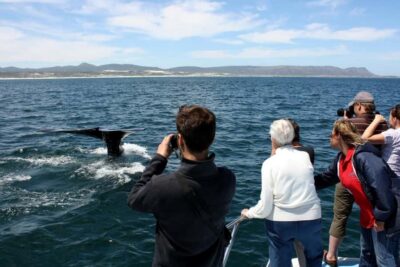
This is not a staged animal encounter. The crew cannot call a whale into place or promise a perfect photo. A sighting may last seconds, or an animal may remain in view for a much longer stretch. One particularly good outing produced several humpbacks, including repeated breaches and tail slaps that kept the boat watching for about an hour.
That possibility is what makes the trip worthwhile. A whale can surface in a calm, ordinary moment, then turn the whole boat into a room full of pointing hands and raised cameras.
Whale Season From May Through November
The main attraction is the seasonal movement of humpback whales. They pass Durban as they travel from the colder Southern Ocean toward warmer tropical waters, where they mate and give birth. They later return south, making this part of the KwaZulu-Natal coast an important place to look for them.
The most reliable whale-focused period is the winter season, generally June through November. The wider passage can begin in May, so an early-season trip may still produce sightings, but the exact timing shifts from year to year.
I would book this tour first for the whales if you are visiting in winter. That is when you have the best chance of seeing a mother and calf together, a pair moving through the swell, or a whale breaching near the boat. Older calves may also jump or interact with adults, which gives the guide more behavior to explain than simply a whale surfacing and disappearing.
Late-season trips can still be excellent. An October morning, for example, produced seven whales, including three that stayed near the boat and breached several times. That is a reminder not to dismiss the end of the season, though you should still treat any wildlife promise as a hope, not a guarantee.
If you visit during the warmer months, the whales have migrated elsewhere. The tour changes focus to dolphins and other sea life. You may still have a lively cruise, but do not book a summer departure expecting humpbacks.
Dolphins, Turtles, Birds, and Bigger Surprises
Dolphins are the most useful year-round reason to consider this trip. They may play in the boat’s wake or move through the swells nearby. A large group of dolphins can make a summer cruise memorable even without a whale sighting.
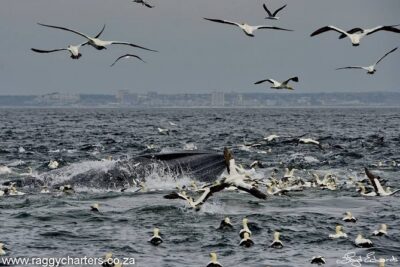
The water also supports a range of other animals. You might see fish, seabirds, and turtles rising to feed near the surface. Manta rays, orcas, and sharks are listed as possible encounters, though these are occasional sightings rather than standard parts of the route.
One outing produced both whales and sharks at close range. Another had plenty of dolphins and a whale performing near the end of the cruise. These examples show why it pays to keep watching even after the main wildlife target has appeared, or after you have begun to assume the sea is quiet.
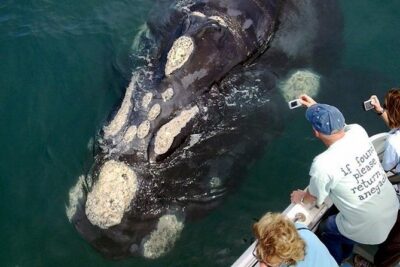
The guide can add real value here. Instead of simply pointing at an animal, the commentary covers the whales’ size, life cycle, behavior, and migration. A humpback measuring roughly 15 meters and weighing around 30 tons is impressive from a distance, but hearing that scale while watching the animal breathe nearby helps you understand what you are seeing.
More whale trips worth the boat ride around South Africa:
- Hermanus: Boat Based Whale Watching Experience
★ 4.4 · 1,180 reviews - From Cape Town: Hermanus Whale Watching Boat Trip
★ 4.4 · 378 reviews - Plettenberg Bay: Whale Watching Boat Cruise
★ 4.4 · 362 reviews - Whale Watching from Gansbaai
★ 5.0 · 327 reviews
How the Guide Shapes the Experience
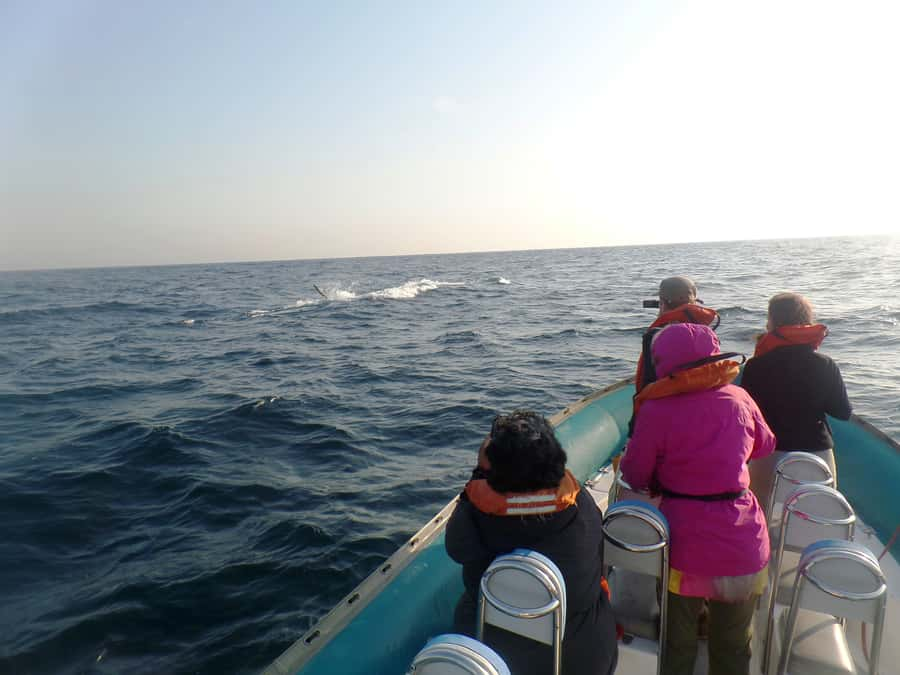
The guide is not just a narrator. On a small boat, the guide and skipper decide where to position the vessel, how long to remain near an animal, and when to move on. That judgment affects both your view and the wildlife encounter.
Bennie has led several memorable departures and is described as an enthusiastic guide who still enjoys the sight of whales after years on the water. He may adjust the route to give you a better angle, while keeping a respectful distance from the animals. He has also shared photographs and videos after trips, a useful bonus if your own camera misses a breach.
This balance matters. You want a clear view, but you do not want the boat charging toward a mother and calf or crowding a pod of dolphins. The best moments come when the boat is close enough for you to see and hear the animals, yet the animals continue behaving naturally.
Tours are conducted in English, with Afrikaans listed among the available languages. The included information also refers to a Zulu guide, so confirm the language arrangement at booking if that is important to you.
Choosing the Best Conditions
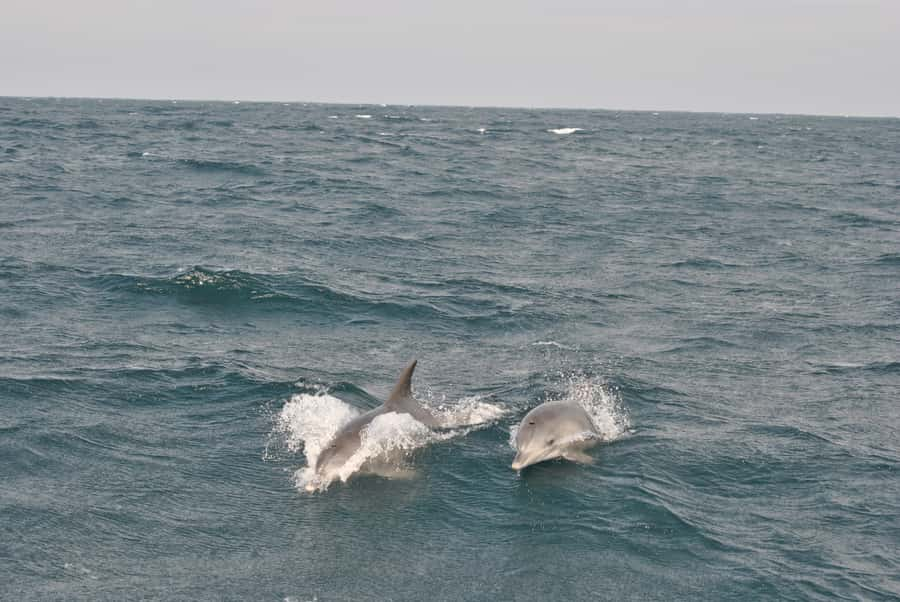
Weather can make or break a two-hour ocean trip. The route is subject to conditions, and a departure may be adjusted if wind or swell makes the planned course unsuitable. A calm, windless day with small waves is much easier for viewing and more comfortable for the people on board.
I would keep your schedule flexible around this cruise if possible. Do not place it immediately before a nonrefundable flight or an important inland activity if you are prone to seasickness or if weather forecasts look poor.
Wear comfortable clothes suited to the forecast. Bring a hat, sunscreen, water, a camera, and a scarf. Weather at the marina can feel very different from conditions in the open ocean, so an extra layer is sensible even on a warm day.
Swimming is not allowed. This is a viewing cruise, not a swim-with-whales program, and that rule protects both passengers and animals.
What the $102 Price Really Buys
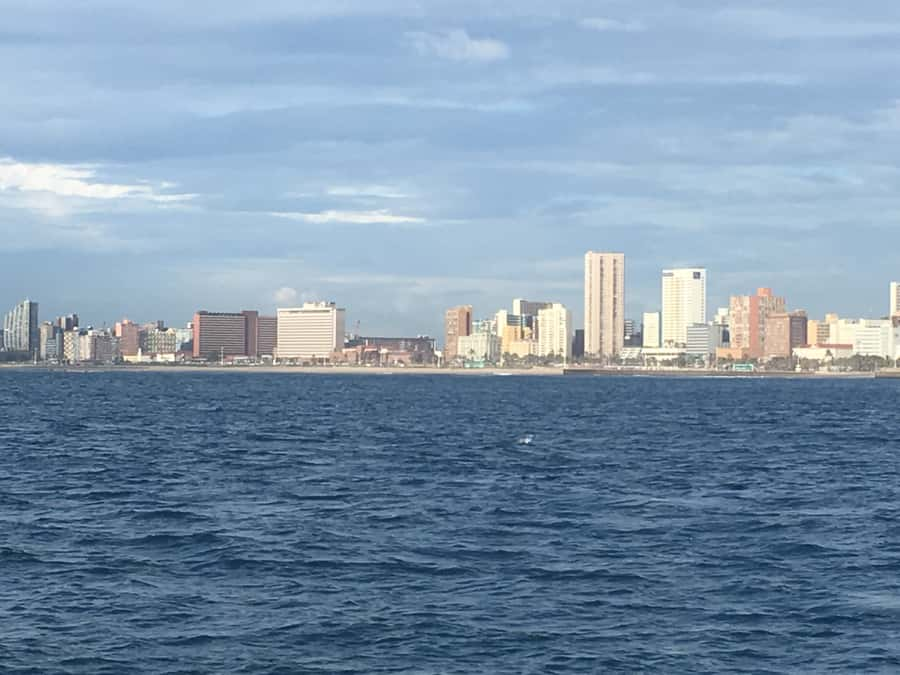
At $102 per person, this is not a cheap harbor ride. The price makes more sense if you value the small passenger count, a qualified guide, open-ocean access, and the possibility of seeing large wild animals in their natural setting.
The two-hour length is also a sensible compromise. It gives the boat time to reach areas where whales or dolphins may be present without tying up half your day. You are paying for the search as much as the sighting. Fuel, the vessel, the permit system, crew, and the guide all support that search, even on a quiet day when the animals remain out of view.
Food and drinks are not included. Bring your own water, and eat before boarding if you need more than a light snack. The supplied details do not indicate that food is served on the boat.
The price is strongest during whale season and in good weather. In summer, the experience becomes a dolphin and general marine-life cruise, so its value depends on whether you enjoy being on the ocean even without a humpback sighting.
Who Should Book This Boat Trip
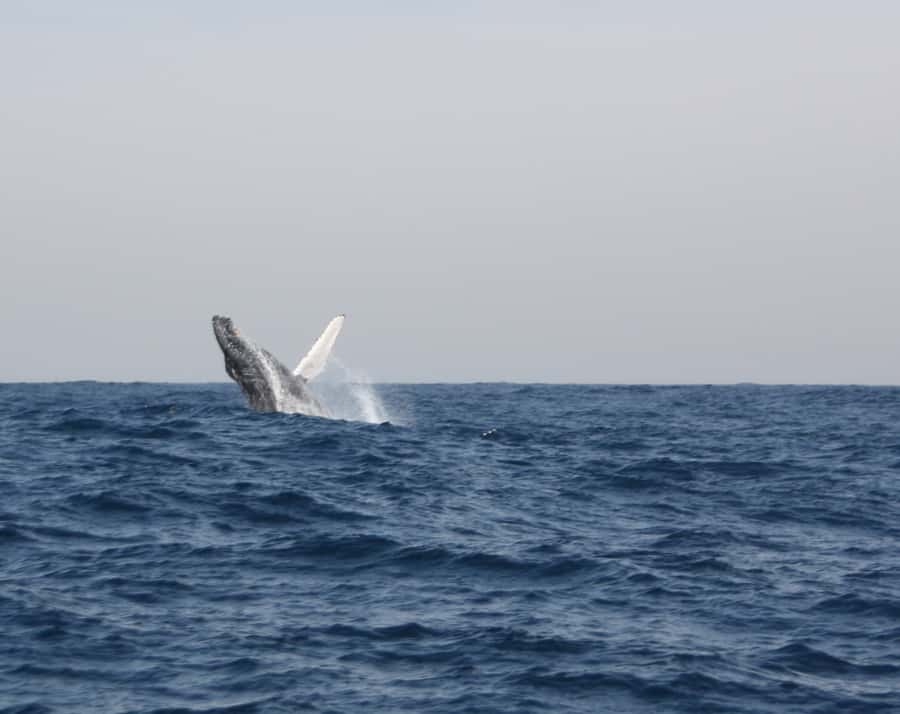
I would recommend this cruise to anyone who wants a close look at Durban’s marine life and accepts the uncertainty that comes with wild animals. It suits photographers, families with older children, and people who prefer a small boat to a large sightseeing vessel.
It is not suitable for pregnant women, people with back problems, or people with mobility impairments. The boat is not wheelchair-friendly, and the open-ocean setting can be demanding. Toddlers are not recommended, with parents responsible for deciding what is safe for their own child.
You should also think carefully about seasickness. No medical claim is made about the ride, but a small boat on the open ocean will feel the swell more than a large ship. Calm conditions improve comfort, so check the forecast and bring only the items you can manage securely on board.
Booking Details Worth Knowing
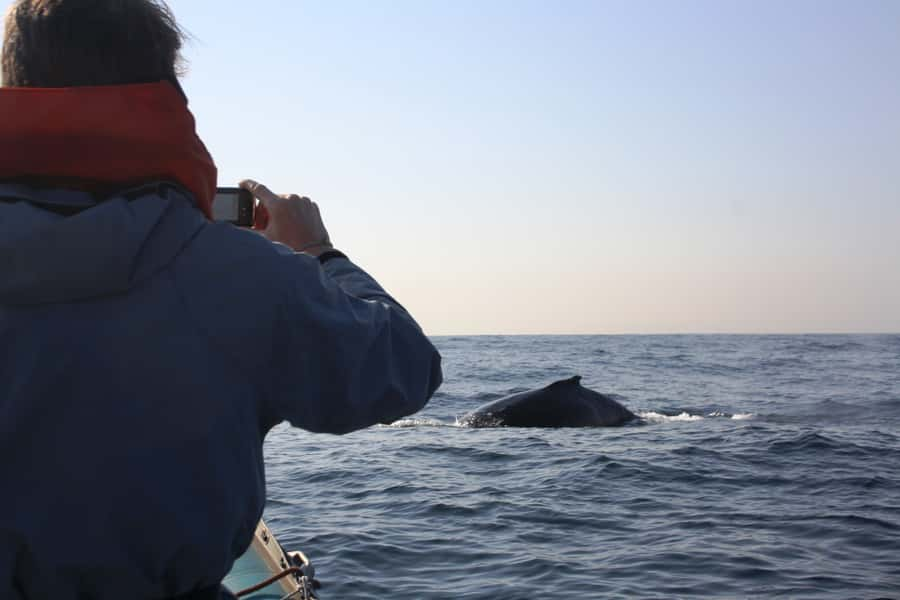
Present your ticket at the Isle of Capri Cruises office 30 minutes before departure. Starting times vary, so check availability for the date you want rather than assuming a fixed schedule.
Free cancellation is available up to 24 hours before departure, and you can reserve now and pay later. That flexibility is useful for a weather-sensitive activity, especially if you are building a South Africa itinerary several months ahead.
The tour runs for two hours. Boats may vary, and two vessels may leave at similar times. If you have a strong preference about the boat or need a specific accessibility arrangement, ask before booking because the available vessel can change.
Should You Book It?
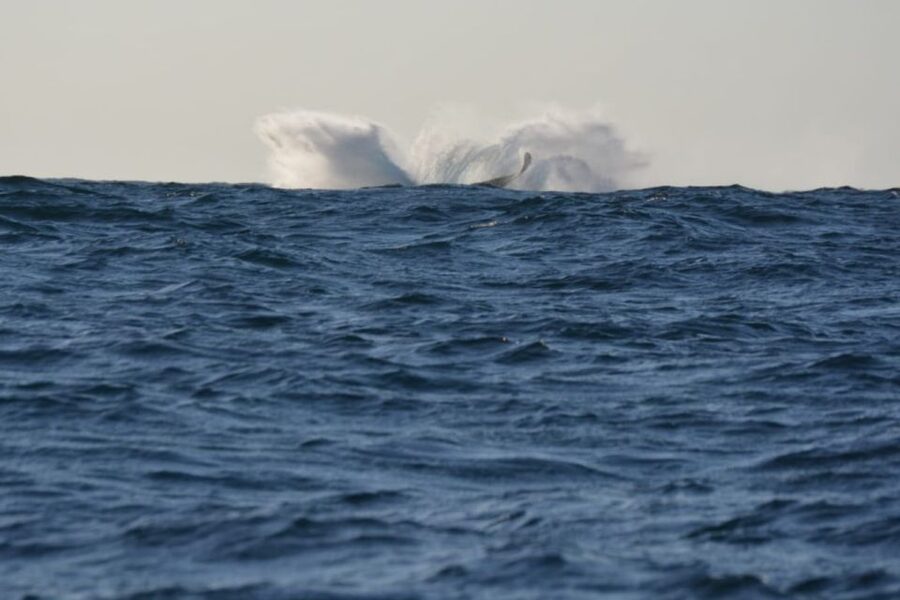
Book this trip if you are in Durban between June and November, especially if you can choose a calm morning and keep your schedule flexible. The strongest reason to go is the chance to see humpback whales breach, slap their tails, or travel with a calf just offshore.
Book it in summer only if dolphins, seabirds, fish, and the ocean setting are enough for you. Do not pay $102 expecting a guaranteed whale performance. Pay it for a well-run search from a small boat, with a guide who can turn a quiet stretch of sea into a useful lesson and a sudden breach into one of your best memories in KwaZulu-Natal.
FAQ
How long is the whale and dolphin boat tour?
The cruise lasts two hours.
Where does the tour meet?
Meet at the Isle of Capri Cruises office at Wilson’s Wharf Marina, next to the Casadena Spur end of the complex.
How early should I arrive?
Present your ticket at the office or kiosk 30 minutes before departure.
When is the best time to see whales?
Humpback whales pass Durban from May through November, with whale watching focused on the winter months. During summer, the whales migrate elsewhere.
Can I see dolphins all year?
Dolphins and other sea creatures may be seen throughout the year, although all wildlife sightings depend on natural conditions.
What animals might I see besides whales and dolphins?
Possible sightings include fish, birds, turtles, sharks, manta rays, and orcas. These animals are not guaranteed.
Is the boat wheelchair accessible?
No. The activity is not wheelchair-friendly and is also not recommended for people with mobility impairments, pregnant women, or people with back problems.
Can I swim with the whales or dolphins?
No. Swimming with the animals is not permitted, and swimming is not part of the cruise.
Newly added whale trips around South Africa
- Whale Watching Knysna – Close Encounter Experience Ocean Odyssey★ 4.5 · 65 reviews
- Hermanus Land based Whale Tour with Dave de Beer★ 5.0 · 24 reviews
- Whale Watching Tour from Cape Town★ 3.5 · 9 reviews
- Whale Watching Hermanus – Boat base★ 4.5 · 17 reviews
- Hermanus Whales and Wine Full Day Private Tour★ 5.0 · 2 reviews
- Whale Watching Tour in Hermanus with Hotel Pickup★ 5.0 · 11 reviews
- Hermanus Whale Watching & Penguins Shared Tour from Cape Town★ 4.0 · 14 reviews
- Hermanus Whale Watching Day Trip from Cape Town★ 3.5 · 29 reviews
South Africa Whale Watching Tours, side by side.
From Cape Town: Hermanus Whale Watching Boat Trip
Read our review →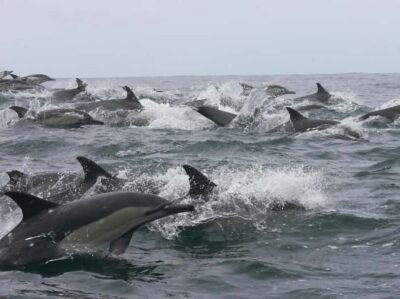
Knysna: Close Encounter Whale Watching Tour by Boat
Read our review →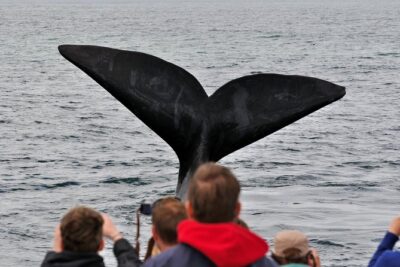
Lists this trip appears in