
Review · THE USA
Guaranteed Whale Watch Tour from Anacortes
The main draw here is the chance to see wild orcas in the Salish Sea, one of the best places anywhere for encounters with Bigg’s killer whales. The trip covers about 60 miles through calm island waters, so even the search itself comes with broad views and plenty to watch.
I like the 98-foot Island Explorer 5, built with three viewing levels and both indoor and outdoor spaces. I also like the crew’s strong teaching role. The naturalist guides explain whale behavior, local wildlife, and the ecosystem instead of simply pointing at a fin.
The catch is simple: wildlife is never on schedule. You may see several species, or you may spend much of the trip scanning the water for a brief surfacing. A 3-hour, 30-minute tour gives you a good search window, but it cannot promise a close or lengthy whale sighting.
Key points to know before you go
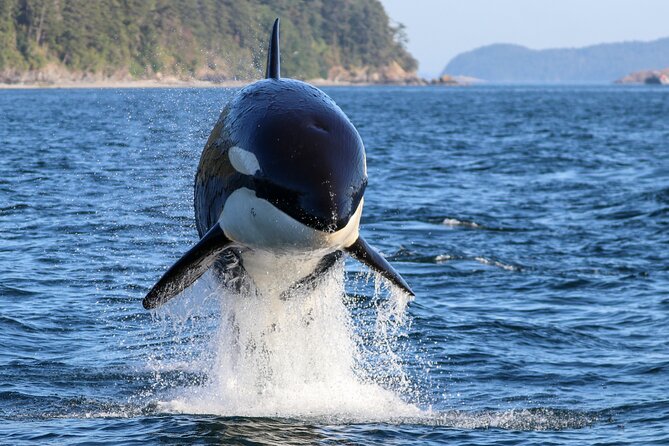
- Bigg’s killer whales are the main prize: These mammal-eating orcas live in the region year-round, and the population is booming.
- The boat covers about 60 miles: Expect an active search across the Salish Sea, not a short cruise near the harbor.
- Island Explorer 5 has three viewing levels: You can move between indoor and outdoor areas as conditions and sightings change.
- You may see more than whales: Harbor seals, sea lions, Dall’s porpoises, harbor porpoises, bald eagles, and seabirds are all part of the search.
- Anacortes avoids a ferry trip: The departure point is about 90 miles from downtown Seattle by road.
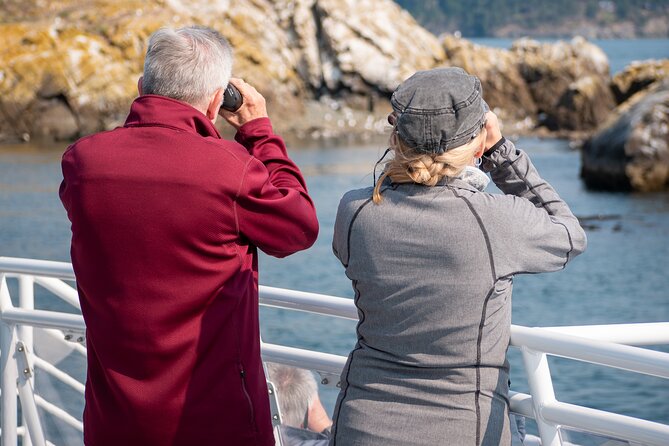
- Binoculars are worth packing: A distant whale can be hard to see with the naked eye, especially if it surfaces for only a few seconds.
Why Anacortes is a smart whale-watching base
Anacortes is Island Adventures’ original departure point, and it has one practical advantage over some San Juan Islands options: you can drive there from Seattle without boarding a ferry. The marina is at 712 Seafarers Way, Anacortes, Washington, and the tour returns to that same point.
That matters more than it may seem. Ferry schedules can shape an entire day in the San Juan Islands, while this trip lets you keep your transportation simple. The drive from downtown Seattle is about 90 miles, so you still need to allow time for road traffic and parking, but you avoid adding a boat crossing before the whale boat even leaves.
The setting is useful, too. Anacortes sits close to the island waters where orcas, humpbacks, minke whales, and gray whales are found. The route is not limited to one fixed viewing spot. The captain and naturalist team can cover a wide area, following reports and searching for signs of wildlife.
More whale trips worth the boat ride around the USA:
- Juneau Wildlife Whale Watching
★ 5.0 · 7,379 reviews - Juneau Wildlife Whale Watching & Mendenhall Glacier
★ 5.0 · 6,236 reviews - Boston: City Cruises Whale Watching Cruise
★ 4.5 · 4,710 reviews
Boarding the Island Explorer 5
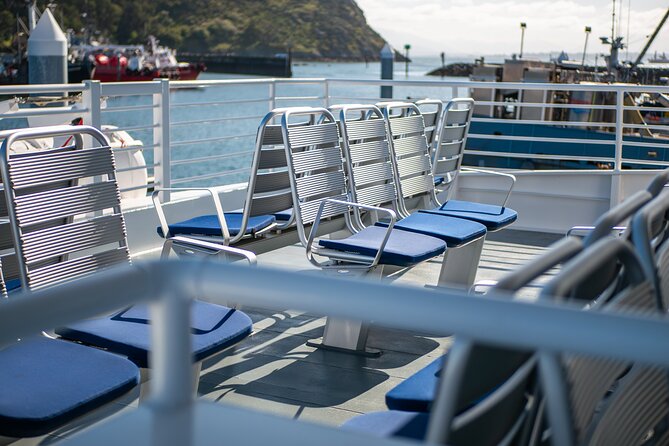
The vessel is the 98-foot Island Explorer 5, a large catamaran designed for wildlife viewing in the Pacific Northwest. Its size and layout give you more ways to watch than a small open boat would.
You can use indoor viewing areas if the weather turns cool or wet. You can also move outside when the water is calm and the light is good. Three viewing levels help spread people out and give you different sightlines, which is useful when a whale surfaces on one side of the boat.
The boat accepts up to 150 people. That is not a small, private outing, and you should set your expectations accordingly. The benefit is a stable, roomy vessel with enough space to move around. The tradeoff is that a popular departure can feel busy, especially when everyone gathers on one side after a sighting.
Boarding requires you to get onto the vessel under your own power. Service animals are allowed, and the activity is suitable for most people. If you have mobility concerns, the boarding requirement is worth considering before booking.
The first hour: leaving Anacortes and finding the rhythm
Once the boat leaves Anacortes, the trip becomes a search. This is not a sightseeing cruise with a guaranteed sequence of stops. The route changes according to conditions, recent wildlife activity, and what the crew can find on the day.
The naturalist guides provide information as you travel. Their work adds value even when whales are not immediately visible. You learn what to watch for, how different species surface, and why a distant fin or unusual patch of water may matter.
I recommend settling inside briefly after boarding so you understand the boat and hear the opening information. Then move between viewing areas instead of planting yourself in one place for the entire trip. The best position can change quickly, and standing at one rail for hours is tiring.
Bring binoculars if you have them. A whale may surface far from the boat, and even a large humpback can appear as a small dark shape at a distance. One disappointing outing involved a whale that was apparently found but surfaced so briefly that some people never saw it clearly. That is not a fault the crew can fully prevent, but binoculars improve your odds of catching short appearances.
What you might see in the Salish Sea
Bigg’s killer whales are the signature sight. Unlike the salmon-eating orcas often associated with the southern resident population, Bigg’s killer whales are mammal eaters. Their increasing numbers make this region especially promising for people who want to see orcas in the wild.
The crew may also find humpback whales, minke whales, or gray whales. The mix changes from day to day and during the year. One October trip, for example, could offer the possibility of Bigg’s orcas, humpbacks, and minke whales, but that possibility is not a promise that all three will appear.
Humpbacks usually create a larger visual moment because of their size and rolling surfacing pattern. Minke whales can be harder to spot, while gray whales add another species to the region’s seasonal wildlife picture. The value of the trip is partly this variety. You are not simply waiting for one named animal.
The supporting cast matters, too. Harbor seals and sea lions may appear near the water, while Dall’s porpoises and harbor porpoises can move quickly through the waves. Bald eagles and many types of seabirds add activity above the water.
If whales stay distant, these animals help keep the trip from becoming an empty boat ride. Still, you should be honest with yourself about the main goal. If you would be unhappy without a close orca encounter, no wild whale tour can remove that risk.
Same migration, a different deck:
- Whale Watching Tour in Gloucester
★ 5.0 · 4,460 reviews - City Cruises Boston Whale Watching Cruise by High-Speed Boat
★ 4.5 · 3,115 reviews - Maui Eco-Raft Tour: Eye-Level Whale or Dolphin Watching – Lahaina
★ 5.0 · 2,482 reviews - San Diego Whale Watching Cruise
★ 5.0 · 2,317 reviews
The middle of the trip: wide views and patient searching
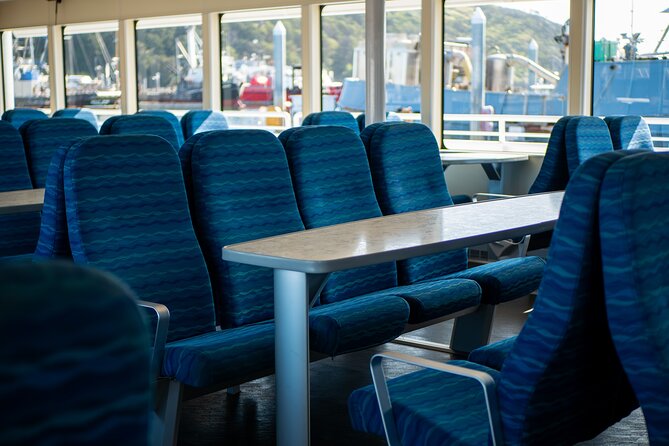
The average route covers around 60 miles. That figure gives you a better sense of the experience than the duration alone. You are not spending three and a half hours circling one bay. The boat travels through a broad section of the Salish Sea and the San Juan Islands, with the crew adjusting course as they search.
The scenery is a major part of the outing. You get open water, island views, and the quiet scale of the Pacific Northwest. Even when the wildlife stays hidden, the ride offers a different view of the region than you get from roads or ferry decks.
The crew’s job combines spotting, navigation, and interpretation. They work to find animals and explain what you see. That effort received especially strong praise from people who enjoyed the crew’s friendly manner and clear explanations. The education makes the experience more meaningful because you begin to understand why a pod behaves as it does, not just how to photograph it.
The practical point is patience. Orcas can travel, disappear below the surface, and reappear several seconds later in a different place. A whale that looks close from one viewing level may be difficult to see from another. Keep scanning, listen for updates, and do not assume a quiet stretch means the crew has stopped trying.
What the whale encounter may really look like
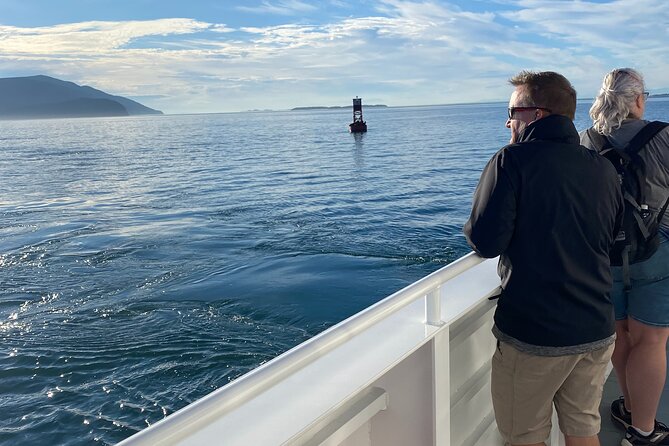
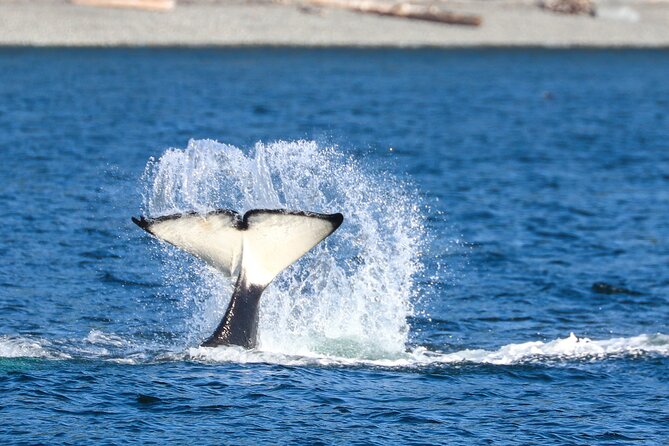
A wildlife tour can produce a spectacular sight, but it can also produce a quick glimpse. You might watch orcas surface and glide through the water, or you might see a fin for only a few seconds before the animal disappears.
That uncertainty is the central weakness of this experience. One person described the trip as mostly seagull watching after failing to see the whale the crew located. The crew acknowledged the problem directly: they can search hard and still cannot control where the whales are or how they behave.
That honesty is useful when deciding if this tour suits you. You are paying for time on the water, expert searching, and access to a productive wildlife area. You are not buying a staged show or a guaranteed close approach.
On a successful day, the reward can be enormous. Seeing a pod of orcas in open water, with the island scenery behind them, feels very different from seeing wildlife in an enclosed setting. The boat’s multiple viewing levels also mean you can watch from a comfortable position instead of being confined to one small deck.
How the $119 price measures up
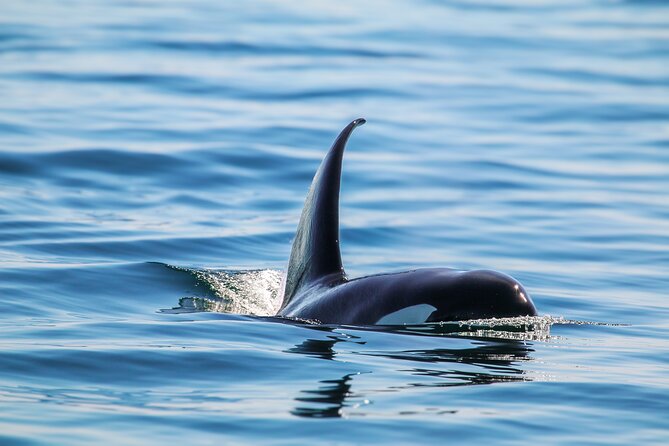
The price is $119 per person. For about three and a half hours on the water, that is a fair midrange price for a large, purpose-built whale-watching vessel, especially when you consider the distance covered and the presence of naturalist guides.
The value depends heavily on what you want. If you care about learning the ecology of the Salish Sea, spotting several types of wildlife, and enjoying a substantial boat ride, the price makes sense even when the whales stay distant.
If your only goal is a close-up orca photograph, the value becomes less certain. Wild animals do not cooperate with the ticket price, and a brief sighting can leave you feeling that the outing was expensive. I would treat the fee as payment for a serious search in a productive region, not as a guaranteed wildlife performance.
The large boat helps justify the cost for many people. You get indoor and outdoor viewing, three levels, and a stable platform. That is useful for families, mixed-age groups, and anyone who would rather not spend several hours on a small vessel.
Timing, weather, and the best way to prepare
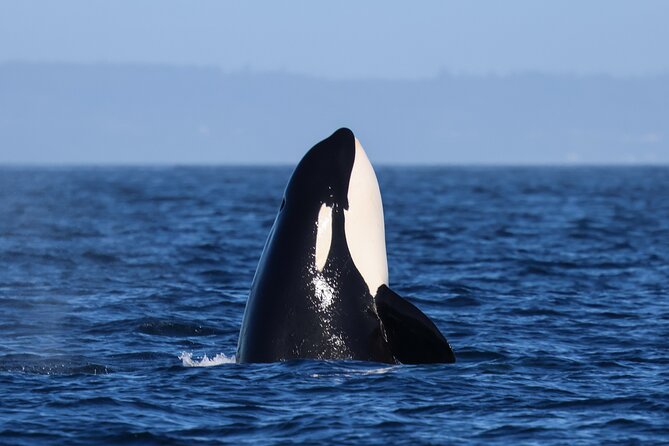
Island Adventures does not claim one perfect season. The species present in the area shift from day to day, and the operator points out that whale watching remains unpredictable after 30 years of running trips from Anacortes.
That means you should choose your date based on your wider schedule rather than chasing a supposed guaranteed month. October can offer Bigg’s killer whales, humpbacks, and minke whales, but it may also bring a trip with distant or limited sightings.
Dress for changing Pacific Northwest conditions and bring binoculars. The supplied information does not specify a clothing list, so I would keep preparation simple: plan for wind and cooler conditions on the water, even if Anacortes feels comfortable at departure.
Arrive on time. You want enough room to board, settle inside, and learn how the boat works before heading outside. If you arrive rushed, you may miss useful opening information and lose time getting comfortable.
Who will enjoy this tour most
I would recommend this trip to anyone who values wildlife in its natural setting and accepts uncertainty. It suits families, couples, photographers, first-time whale watchers, and people who want a broad Salish Sea outing rather than a short harbor cruise.
The tour also works well if you are staying in Seattle and want a no-ferry departure point. You still have a significant drive, but the route is more straightforward than planning around an additional ferry crossing.
It may not suit you if you need guaranteed sightings, dislike sitting or standing for a long search, or have difficulty boarding under your own power. The group can reach 150 people, so anyone seeking a quiet, private boat may prefer a smaller operation, though that option is not described here.
The crew’s strong naturalist focus makes this a good choice for curious people. You do not need prior knowledge of whales. You only need to be willing to watch carefully and accept that a great encounter may last seconds.
Booking, cancellation, and practical details
The tour is offered in English, with a mobile ticket. Confirmation arrives within 48 hours of booking, subject to availability. The activity begins and ends at 712 Seafarers Way in Anacortes.
Free cancellation is available if you cancel at least 24 hours before the start time. Changes or cancellations inside that window are not accepted for a refund. Poor weather can also cancel the trip, in which case you receive the choice of another date or a full refund.
The tour is often booked about 34 days ahead. That does not mean every date sells out, but it is a useful sign that you should not wait until the last minute if your schedule is fixed.
Should you book the Anacortes whale watch?
I would book this tour if you want a solid, well-organized search for wild orcas and other Salish Sea wildlife, especially if avoiding a ferry from Seattle matters to you. The large Island Explorer 5, three viewing levels, indoor and outdoor spaces, and active naturalist commentary give you a comfortable platform for a long day on the water.
I would skip it only if a whale sighting must be close, lengthy, and guaranteed. Even in one of the world’s best orca regions, you may see a pod clearly, catch a quick fin, or spend much of the trip watching seabirds and open water. Bring binoculars, arrive on time, and treat the outing as a genuine wildlife search. If you can accept that bargain, $119 is a reasonable price for the chance to see these animals where they actually live.
FAQ
Where does the whale-watching tour start?
The tour starts at 712 Seafarers Way, Anacortes, Washington 98221.
Where does the tour end?
The activity ends back at the Anacortes meeting point.
How long is the tour?
The tour lasts approximately 3 hours and 30 minutes.
How much does the tour cost?
The listed price is $119 per person.
What whales might I see?
You might see Bigg’s killer whales, humpback whales, minke whales, and gray whales.
What other wildlife might appear?
The search may include harbor seals, sea lions, Dall’s porpoises, harbor porpoises, bald eagles, and many types of seabirds.
Does the tour require a ferry from Seattle?
No. Anacortes is about a 90-mile drive from downtown Seattle, and no ferry is required to reach the departure point.
What happens if the weather cancels the tour?
If poor weather causes a cancellation, you will be offered another date or a full refund.
Newly added whale trips around the USA
- Anacortes Whale Watching Adventure Tour – Zodiac Boat★ 5.0 · 149 reviews
- Orca whale tour near Seattle★ 5.0 · 3 reviews
- Orca Whale Inflatable Rides★ 5.0 · 3 reviews
- 8hr Kenai Fjords Whale Watching Tour w/ 1hr Fishing 16 Passengers★ 5.0 · 2 reviews
- Private Whale Watching and Marine Wildlife Tour★ 5.0 · 10 reviews
- Sitka Whale Watch and Sea Otter Quest★ 5.0 · 8 reviews
- Only Wildlife and Whale Watching Tour Leaving from Seattle★ 4.0 · 248 reviews
- Whale Watching + Deception Pass Tour from Seattle★ 5.0 · 4 reviews
USA Whale Watching Tours, side by side.
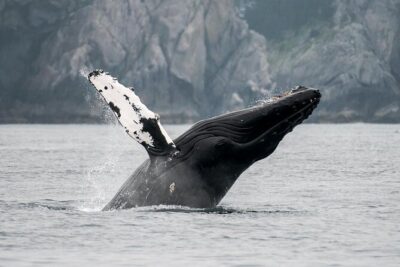
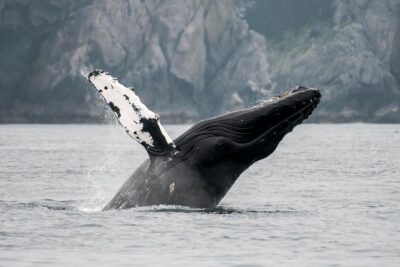
Juneau Wildlife Whale Watching & Mendenhall Glacier
Read our review →
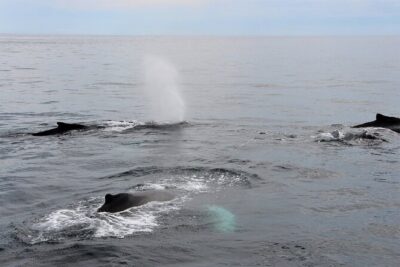
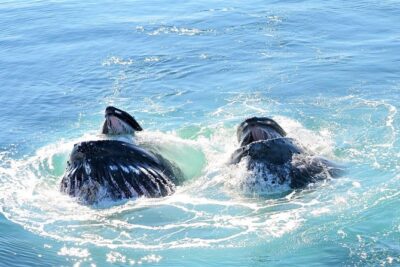
City Cruises Boston Whale Watching Cruise by High-Speed Boat
Read our review →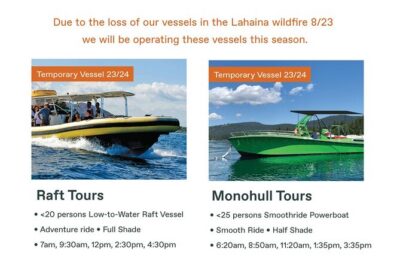
Maui Eco-Raft Tour: Eye-Level Whale or Dolphin Watching – Lahaina
Read our review →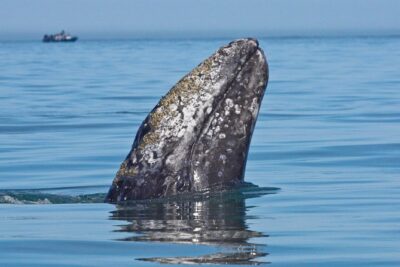
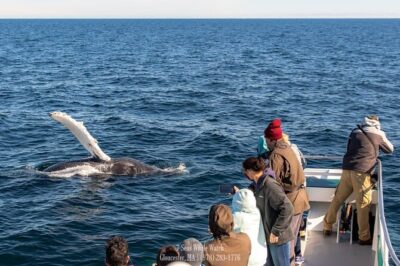
Whale Watching Trips to Stellwagen Bank Marine Sanctuary. Guaranteed sightings!
Read our review →Lists this trip appears in