
Review · STRAIT OF GIBRALTAR, GIBRALTAR
Tarifa: Orca, Whale and Dolphin Watching Boat Experience
The big draw is the Strait of Gibraltar, the narrow meeting point of the Mediterranean Sea and Atlantic Ocean. This protected marine area is one of the few places in the Mediterranean region where killer whales appear regularly, though only in July and August. You may also see dolphins and other whales in their natural surroundings, rather than in a show tank.
I like two things here: the chance to see as many as seven cetacean species, and the conservation-minded rules that keep the boat from feeding, touching, or disturbing the animals. The main catch is simple: an orca sighting is never guaranteed, and the word whale can loom rather large in the advertising when dolphins may be the main event.
- Three hours on the Strait: You sail from Tarifa into a UNESCO international biosphere reserve.
- Up to seven species: Possible sightings include killer whales, orcas, dolphins, and other cetaceans.
- Orca season is short: Killer whales are only possible in July and August.
- Sightings are highly likely: If no cetaceans appear, you receive a second opportunity free of charge.
- English and Spanish guidance: The tour is offered in both languages, though the balance of commentary can vary.
- Bring a jacket: Even a sunny day in Tarifa can feel cool and windy on open water.
Setting Out from Tarifa into the Strait
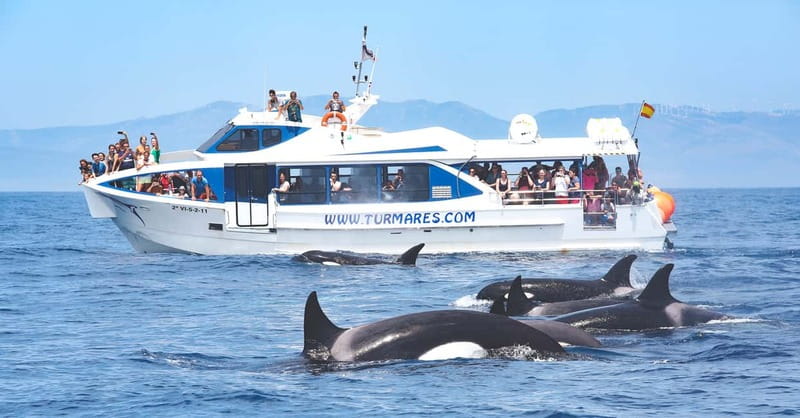
Your trip begins at the Turmares Whale Watching front desk in Tarifa. There is no hotel pickup, so you need to make your own way to the meeting point. If you arrive by car, allow time to find public parking. The operator does not have its own parking area, and this can be a nuisance in a busy seaside town.
The boat trip lasts about three hours. The exact departure time is decided the day before, based on sea and weather conditions. That arrangement may frustrate anyone trying to build a tightly timed day, but it is sensible for a boat trip where wind and waves affect both comfort and safety.
Once aboard, you head toward the parts of the Strait where cetaceans are usually most active. The meeting of the Atlantic and Mediterranean creates an important route for marine life, and the protected status of the area adds value to the outing. You are not simply taking a fast ride along the coast. You are entering a marine reserve where the aim is to observe animals without changing their behavior.
I would wear sturdy, comfortable shoes and bring a sun hat, sunscreen, and a jacket. Those items sound basic, but you will be exposed to sun and wind for much of the three hours. Food and drinks are not included, so plan ahead rather than expecting a snack service on board.
What You May See on the Three-Hour Search
The tour is built around searching, not following a fixed sightseeing route. The crew heads toward areas where orcas, whales, and dolphins are more likely to be active, then adjusts the course as conditions and animal movements require.
That means one part of the trip may involve steady travel while the crew looks across the water. Another moment may bring a sudden change of direction when a pod appears. This uncertainty is part of wildlife watching, but it also means you should not expect a set sequence of animal encounters.
The stated range is up to seven cetacean species. The possible sightings include killer whales, orcas, dolphins, and other whales. In practice, the species count can vary widely. One outing may produce several kinds of dolphins, while another may focus on a single group.
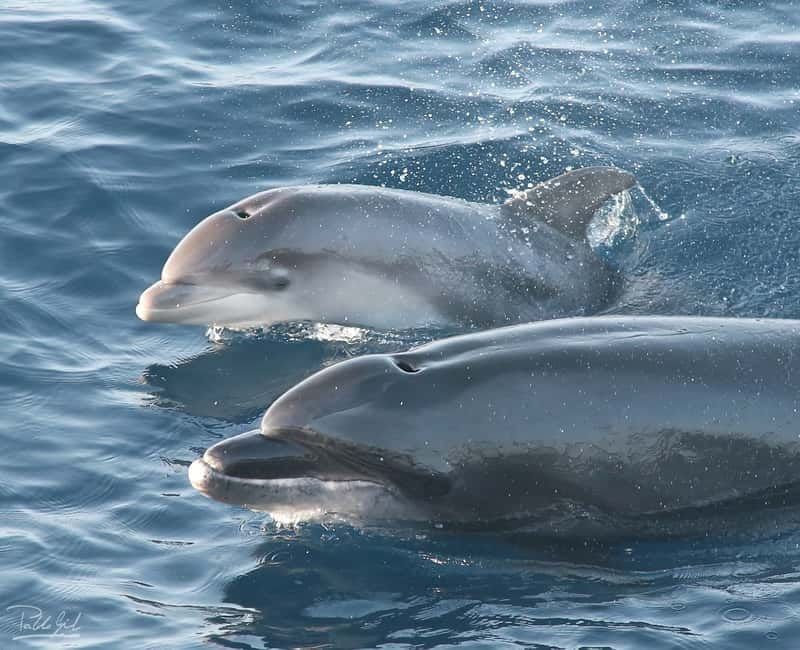
Dolphins are often the more dependable focus of this kind of trip. They can be energetic and easy to spot when they approach the boat, play, or jump near the hull. Several species of dolphins were seen on one September outing, but the count of species is not something you should treat as a promise.
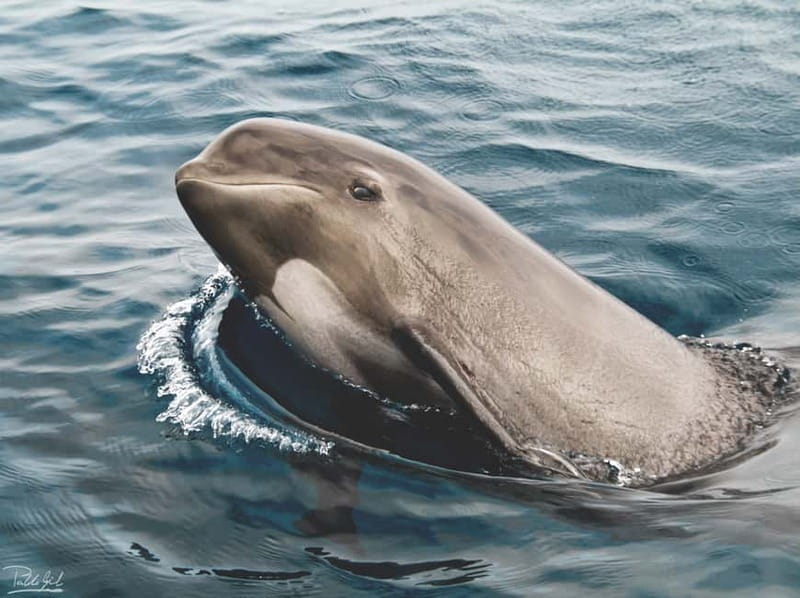
The boat may also encounter larger whales. The supplied information does not identify the boat model or guarantee a particular whale species, so I would keep your expectations broad. The real value is the chance to watch free-ranging cetaceans in the Strait, not to collect a particular animal from a checklist.
More Orca Watching Tours in the world:
- From Tromsø: All-Inclusive Whale & Orca Safari
★ 4.5 · 1,221 reviews - Orcas Island Whale Watching
★ 4.5 · 442 reviews - Orca Cove Sea Kayaking
★ 5.0 · 322 reviews
The Special Case of Orcas in July and August
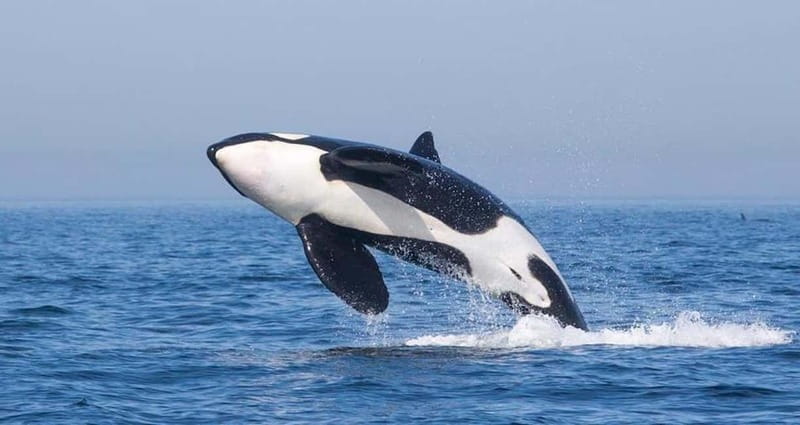
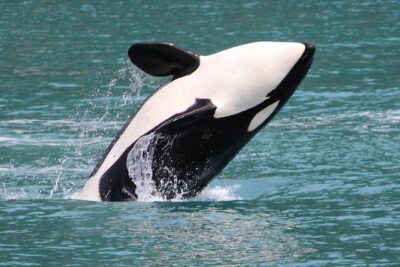
Orcas are the headline attraction, but timing matters more than almost anything else. Tarifa’s regular orca observation period is limited to July and August. If you book in September or October, you should not expect a realistic chance of seeing killer whales, even though dolphins and other cetaceans may still be present.
During July and August, the crew works to give you a strong chance of finding orcas. You may see them approach the boat, play, or jump. Still, wildlife is wildlife. The crew cannot summon an animal or promise that it will appear close enough for a good view.
This is the point where I would read the tour description carefully. A family of four pays considerably more than a single visitor, and the difference between an orca-focused outing and a general dolphin trip can matter. If your only goal is orcas, book in the correct months and accept the possibility that the day may produce dolphins instead.
The operator provides a free second opportunity if you see no cetaceans at all. If you see cetaceans but no killer whales, the offer is different: you receive a 30 percent discount on your next whale-watching trip. That is useful, but it is not the same as a refund. You should understand this before booking, especially if an orca sighting is the main reason you are paying $77 per person.
Commentary in Spanish and English
A live guide accompanies the boat and explains the species you see, their behavior, and the need to protect the marine environment. Tours are offered in Spanish and English.
The quality of the language balance may depend on the departure. One English-booked group found that much of the information was delivered in Spanish, while another found the commentary good overall. I would treat the bilingual format as a practical feature, not a guarantee that every sentence will be repeated equally in both languages.
There are no guide names provided for this experience, so I cannot point you toward a particular naturalist. What matters is the role of the crew: helping you identify animals, explaining what you are seeing, and keeping the outing within responsible observation rules.
If the boat finds dolphins or whales, listen for more than simple species labels. The guide can help you understand why the animals are in this part of the Strait and how the crew avoids interfering with them. That turns a pleasant boat ride into a more useful nature experience.
Responsible Watching Rules That Matter
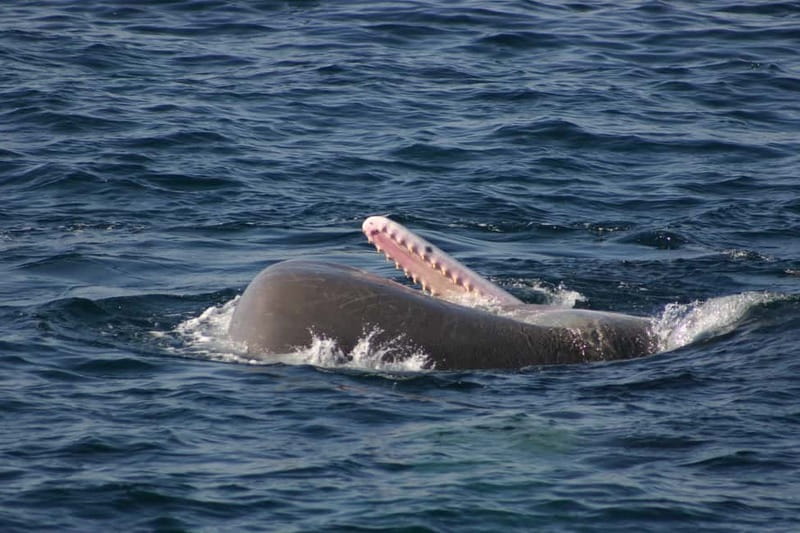
The operator presents the trip as a conservation-minded activity. The rules are strict and sensible: no feeding animals, no touching them, no flash photography, and no deliberate noise.
These limits protect the animals and also improve the quality of the encounter. Feeding can change natural behavior. Touching is unsafe for both people and wildlife. Flash photography can startle animals, especially when a boat is close. Loud noise adds needless stress to an already busy marine environment.
The whale watching is carried out responsibly and according to the law. That matters in the Strait, where commercial boats, shipping traffic, fishing, and wildlife all share a narrow body of water. You are paying for observation, not a staged performance.
I would keep your camera ready but use it with restraint. A fast-moving dolphin can be gone before you frame the shot, and flash is not allowed. Watch first, photograph second. The animals will not pose on command, and your best memory may be the brief movement you saw rather than a blurry photograph.
More Whale and Dolphin Watching Tours in the world:
- Tenerife: Eco-Yacht Whale and Dolphin Watching and Swimming
★ 4.7 · 15,619 reviews - Los Cristianos Respectful No-Chase Whale and Dolphin Safari
★ 4.6 · 12,782 reviews - From Funchal: Ecological Catamaran Dolphin Whale Watching
★ 4.5 · 8,204 reviews - Funchal: Dolphin and Whale Watching Catamaran Cruise
★ 4.5 · 5,697 reviews
Boat Comfort, Seats, and Open-Water Conditions
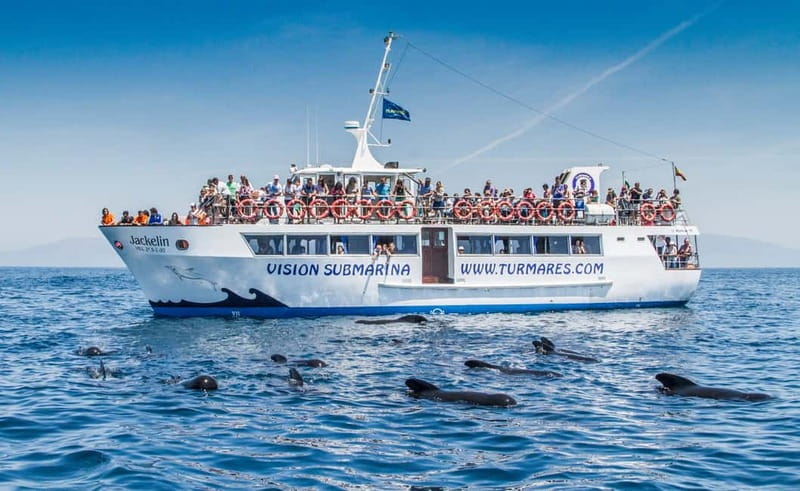
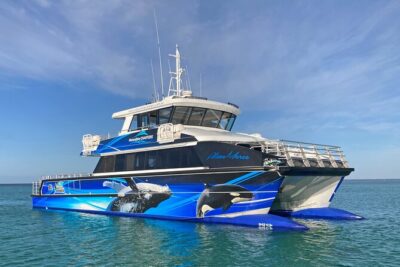
The boat is described as comfortable and accessible to wheelchair users. Specific details about the boat layout, capacity, toilets, and covered seating are not provided, so I would not assume every seat has a clear view.
Seat choice can matter. One September outing had more passengers than ideal positions for unobstructed viewing. If you care about sightlines, arrive ready to board promptly and ask the staff about the best available place. Even then, animals can appear on either side of the boat, so no seat guarantees a perfect view.
The conditions also change during the trip. Tarifa may be warm at the dock, while the Strait feels cool once the boat is moving. Bring the recommended jacket, even if the forecast looks mild. A sun hat and sunscreen are just as important because you can spend hours exposed to direct light.
If you are prone to motion sickness, the provided information does not state whether medication is available or recommended. You should plan according to your own needs, since the trip remains at sea for three hours and cannot be shortened simply because the water feels uncomfortable.
Is $77 a Fair Price?
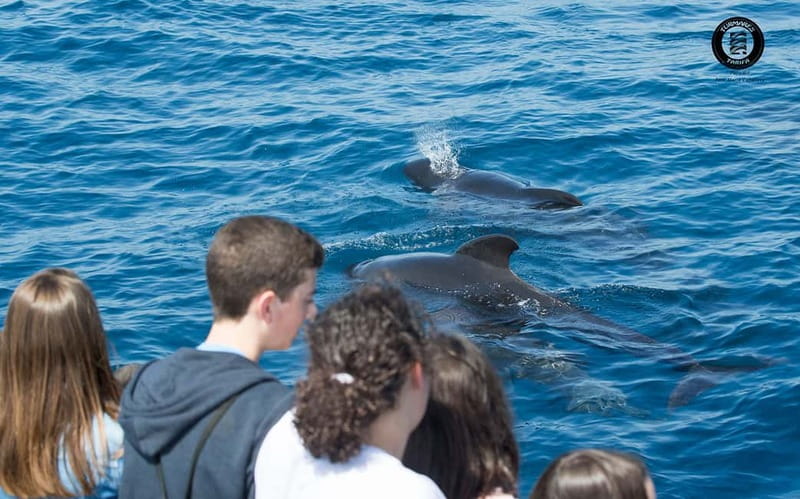
At $77 per person, this is not a cheap harbor ride. The price covers the guide and the three-hour orca, whale, and dolphin watching cruise, but not food, drinks, transportation to Tarifa, or parking.
I think the price makes sense if you value time on the water, wildlife interpretation, and the possibility of seeing several cetacean species in a protected marine setting. The free second opportunity if no cetaceans appear also lowers the risk of paying for a completely empty outing.
The value is weaker if you are paying mainly for an orca sighting outside July and August. Orcas are not a year-round feature here. In those months, you should think of this as a general cetacean trip with a strong dolphin possibility, not an orca guarantee.
The 30 percent discount after seeing cetaceans but no killer whales may help if you are staying nearby and can take another trip. It is less useful if Tarifa is only a short stop in a longer Spanish itinerary. For a family, the total cost rises quickly, so I would be especially careful about choosing the right month and setting realistic expectations.
Language, Parking, and Timing Advice
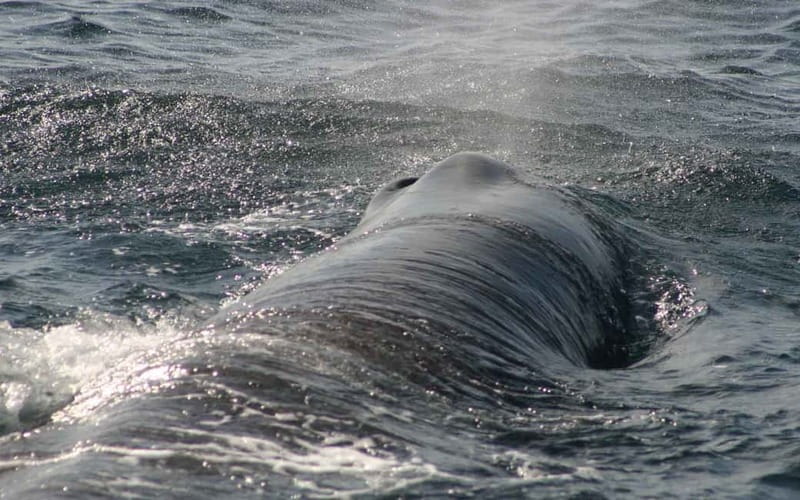
You need to check in at the Turmares Whale Watching front desk in Tarifa. Hotel pickup and drop-off are not included, and the operator has no private parking area. If you drive, parking may take longer than expected, so I would avoid arriving at the last minute.
The departure time is confirmed the day before because it depends on weather and sea conditions. Keep your schedule flexible on the day of the trip. Do not book a train, airport transfer, or another fixed activity too close to the boat’s return.
The activity lasts three hours, but your total time commitment will include getting to the meeting point, checking in, boarding, and returning to shore. The reserve now and pay later option can help you hold a place while you finalize your plans. Cancellation is free up to 24 hours before departure.
Wheelchair access is available. Since the exact boat layout and boarding arrangements are not described, I would contact the operator ahead of time with any specific mobility questions.
Who Will Enjoy This Tarifa Boat Trip?
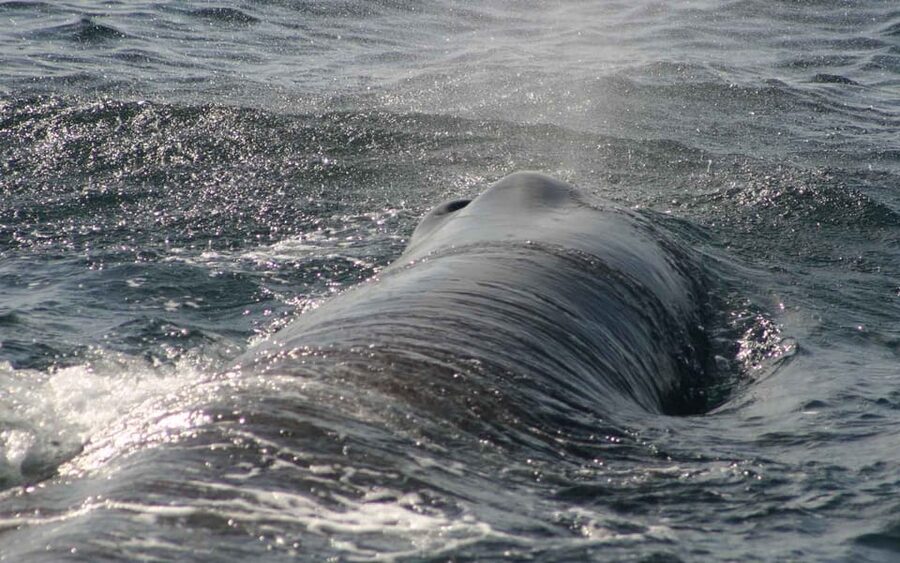
I would recommend this experience to anyone who enjoys wildlife watching without needing a guaranteed result. It suits families, couples, and solo visitors who are happy to spend several hours outdoors and pay attention to the sea.
It is also a good fit if you want a nature activity with an environmental message. The rules are not decorative. They shape how the boat approaches the animals and how you behave once cetaceans appear.
I would be more cautious if you have only one free morning, dislike wind or boat movement, or want a precise list of animals. The trip can be rewarding, but nature sets the timetable.
For orca seekers, July and August are essential. For dolphin watchers, other months can still work well. A September trip produced many dolphins but no orcas, which is exactly the sort of result you should expect outside the short killer whale season.
My Practical Verdict Before You Book
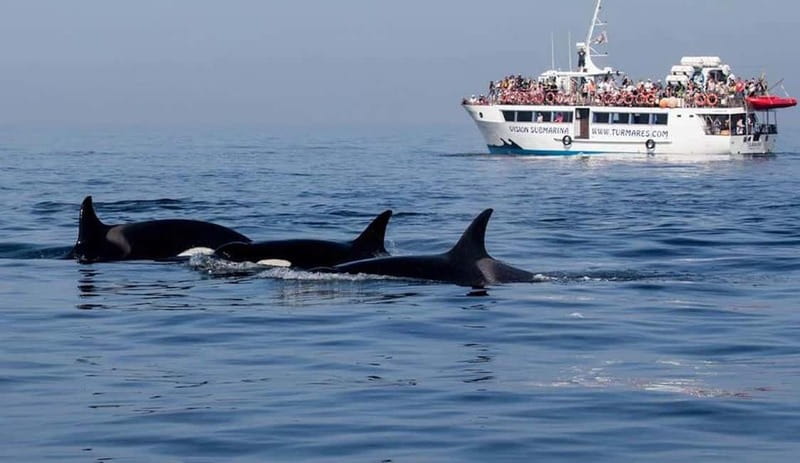
Book this tour if you want a serious three-hour search for dolphins, whales, and possibly orcas in the Strait of Gibraltar, and you accept that wildlife does not follow a script. I especially like the protected setting, the no-feeding and no-touching rules, and the second opportunity offered when no cetaceans appear.
Think twice if the word orca is doing all the work in your decision. Travel in July or August, and understand that a sighting remains uncertain. Outside those months, choose this for dolphins and the wider marine experience, not killer whales.
At $77, I see fair value for a well-timed outing with sightings, especially if you can use the second opportunity or the 30 percent return discount. Just budget for parking, bring a jacket, and keep your day open around the weather-based departure time.
FAQ
Where does the whale-watching tour leave from?
You check in at the front desk of Turmares Whale Watching in Tarifa.
How long does the experience last?
The boat trip lasts three hours.
How much does the tour cost?
The listed price is $77 per person.
Can I see killer whales on this tour?
Killer whale observation in Tarifa is possible only in July and August. A sighting is not guaranteed.
How many cetacean species might I see?
The tour looks for up to seven species of cetaceans, including killer whales, orcas, dolphins, and other whales.
What happens if no cetaceans are seen?
You receive a second opportunity free of charge if there are no cetacean sightings.
What if I see dolphins or whales but no killer whales?
You receive a 30 percent discount on your next whale-watching tour if you see cetaceans but no killer whales.
Is the tour available in English?
Yes. Live guides are available in Spanish and English.
What should I bring?
Bring comfortable shoes, a sun hat, sunscreen, and a jacket. Food and drinks are not included.
Newly added whale trips around the world
- Vancouver Whale Watching Safari★ 4.6 · 45 reviews
- Victoria, BC: 3-Hour Ultimate Whale & Marine Wildlife Tour★ 4.6 · 191 reviews
- Victoria: Whale Watching Adventure in a Zodiac Boat★ 4.5 · 129 reviews
- Vancouver: Day Trip to Victoria Seaplane with Whale Watching★ 4.5 · 109 reviews
- Vancouver: Open-air Whale Watching Tour, Granville Island★ 4.9 · 51 reviews
- Vancouver Island: People Water Land – Indigenous & Whales★ 4.6 · 8 reviews
- Vancouver Island: Whale Watching Tour★ 3.3 · 2 reviews
- Vancouver: Zodiac Whale Watching Tour from Granville Island★ 4.6 · 6 reviews
Orca Watching Tours, side by side.
Bremer Bay: Bremer Canyon Killer Whale Expedition
Read our review →
Orca and Whale Watching comfort heated boat Trip
Read our review →
Skjervøy: Whale and Orca Watching Tour by RIB Boat
Read our review →
Ocean Safari: Sea Lions, Mobula Rays, Dolphins, Orcas & Whales
Read our review →Lists this trip appears in