Review · MAUI
Lahaina: Day or Sunset Whale Watching Tour with Naturalist
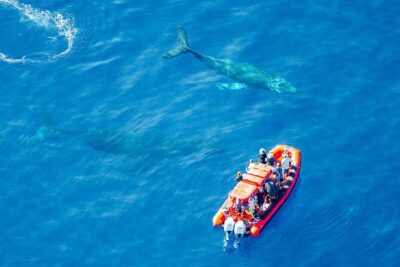
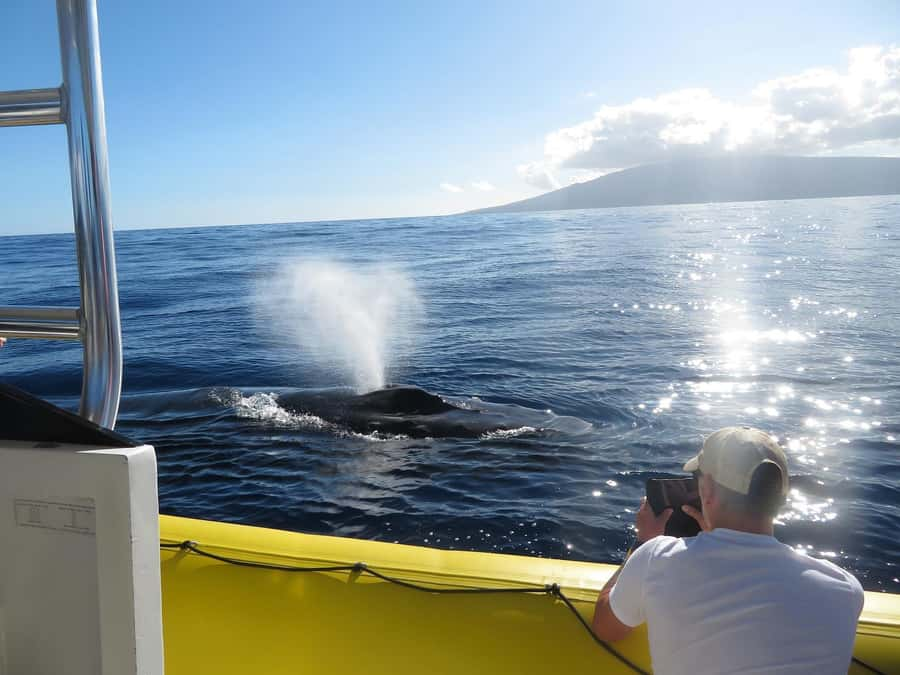
The best part of this Lahaina outing is the small inflatable raft, which puts you low on the water instead of high above it on a large sightseeing boat. That low viewpoint can make a whale surfacing nearby feel startlingly close, and the custom boat can move quickly to where the action is.
I like two things in particular: the onboard hydrophone and speakers, which let you hear whale songs, and the strong naturalist-led commentary. Guides including Rene, Renee, Brian, Joe, and Captain Mark have been singled out for clear explanations and real enthusiasm. The tradeoff is a lively ride. Wind and waves can make the raft rocky, so this is not a good choice for children under 2, pregnant women, people with back or heart problems, or anyone who needs a wheelchair-accessible boat.
Key points to know before booking
- Small-raft viewing: The boat holds up to about 20 people, giving you a closer-to-the-water view than a large vessel.
- Whale songs included: A hydrophone and onboard speakers let you listen for underwater calls as well as watch for blows and breaches.
- Best season: Humpback whales visit Maui’s waters each winter to mate and give birth, with especially strong sightings reported from January through March.
- Naturalist-led trip: Guides explain whale behavior, mothers and calves, escorts, competition pods, and what to watch for.
- Weather matters: Wind can make the trip bumpy, and poor weather can lead to a new date or a full refund.
- Good value at $80: The trip lasts 90 minutes to 2 hours and includes the guide, captain, and whale-watching experience, but not food, drinks, or transport.
Why the small raft changes whale watching
A large boat gives you more room and usually a steadier ride. This raft gives you a better sense of the ocean itself. You sit close to the surface, with less structure between you and the water, so a whale moving under the boat can feel surprisingly personal.
That is the main reason I would choose this tour over a standard large-boat cruise. The smaller group, with a maximum of about 20 people, means fewer heads blocking your view and a better chance of hearing the guide. It also allows the captain to reposition the boat quickly when whales appear nearby.
The same design creates the main drawback. Several outings have been described as windy or rocky, especially early in the trip. One practical tip is repeated for good reason: if you are prone to seasickness, take your usual motion-sickness medicine before you arrive. The water may smooth out later, but you should board ready for movement.
This is not a luxury cruise with a padded lounge and a meal service. It is a short, active wildlife trip. You trade comfort for closeness.
More Whale Watching with a Marine Biologist in Maui:
- Azores: Whale Watching & Islet Boat Tour w/ Marine Biologist
★ 4.7 · 2,945 reviews - São Miguel: Whale-Watching Cruise with Marine Biologist
★ 4.6 · 1,311 reviews - SMALL GROUP Whale Watch | Cabo San Lucas | Biologist | FREE Pics
★ 5.0 · 1,106 reviews
Leaving 1223 Front Street in Lahaina
You meet at Dive Maui, at 1223 Front St. Allow about five minutes to walk from the stated starting point to the boat area, then arrive early enough to check in without rushing. The operator says tours leave on time, so a late arrival could be a real problem.
Parking is available along Front Street or at Lahaina Cannery Mall. Hotel pickup and drop-off are not included, and neither are food or drinks. Since the trip lasts no more than two hours, most people can eat before or after, but you should bring only what is allowed and useful. Glass objects are not permitted.
The meeting setup is simple, but it rewards planning. Check your starting time in advance, leave room for parking, and wear clothing suitable for wind and spray. The supplied information does not promise dry storage or onboard refreshments, so keep your personal items to a minimum.
Entering the Auau Channel and Maui Nui sanctuary
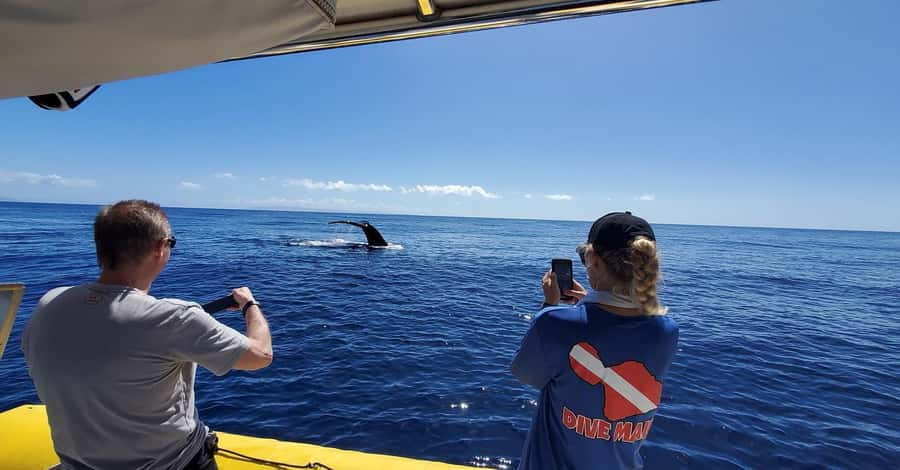
Once aboard, the raft heads toward the Auau Channel and the Maui Nui whale sanctuary. This is where the main two-hour portion of the experience takes place, though the total duration may be closer to 90 minutes depending on the departure selected.
The channel is important because humpback whales return to Maui’s surrounding waters each winter. They come to mate and give birth, making this season a particularly meaningful time to watch them. You may see adults traveling alone, mothers with calves, or several whales moving together.
Your captain does more than steer from point A to point B. The best positioning is a large part of whale watching. Reports from this trip describe captains getting the raft into useful viewing spots and moving efficiently through changing sea conditions. That skill matters because whale activity is unpredictable. A whale may surface once and disappear, or remain near the boat for several minutes.
The boat does not control the animals. The crew must respond to what the whales do, while following responsible viewing practices. Some outings produce breaching, splashing, and whales passing beneath the raft. Others may offer only distant blows or brief sightings. Even the strongest crew cannot order a whale to perform.
What you may see from the raft
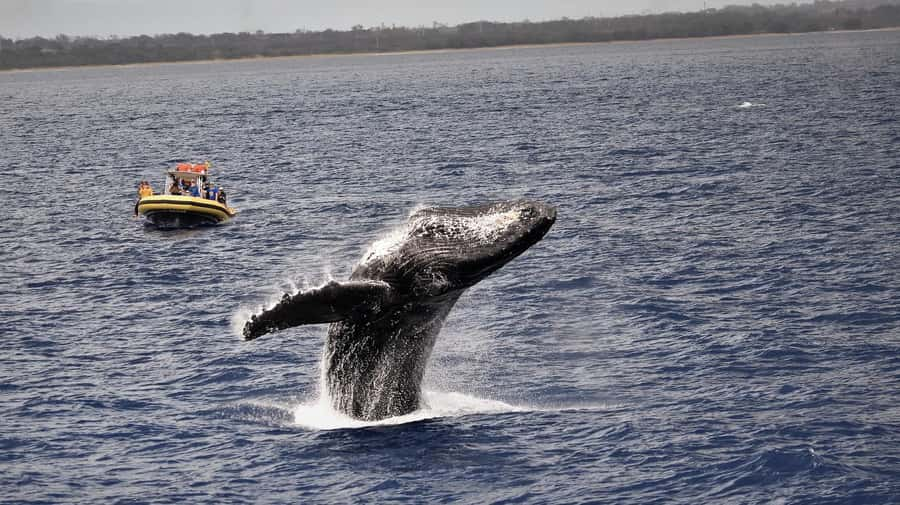
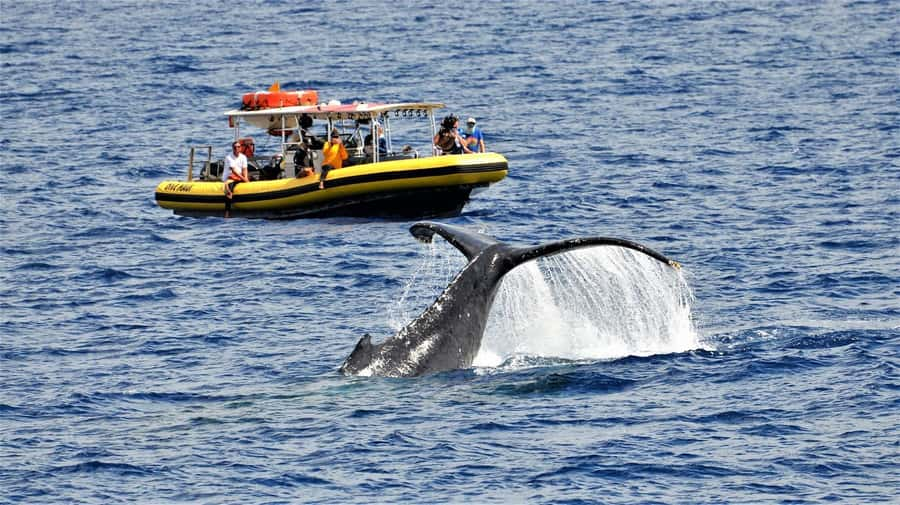
A successful outing can include much more than a quick glimpse. You might see a whale’s back roll through the water, a tail lift, a breach, or a mother and calf traveling with an escort. A few reported encounters included whales circling, splashing near, or passing under the raft several times.
Some trips have produced repeated breaches and highly active groups. One spring outing even followed a competition pod, a group of whales competing for access to a female. These moments are exciting because the behavior has a purpose, not just because the animals are large.
Still, whale watching is nature, not a stage show. One outing had little whale action, while another late-season trip found only a few whales. The guides helped locate them, but no operator can guarantee the number of sightings or the type of behavior you will see.
This tour does offer a guaranteed-sighting policy: if you do not see whales, you receive a free trip for another day. The replacement option is useful if your schedule allows it, though it has less value to someone leaving Maui immediately. Check the exact terms when booking, especially if your island stay is short.
More Sunset Whale Watching Tours in Maui:
- Maui Premium Sunset Dinner Cruise & Whale Watch
★ 4.5 · 504 reviews - West Maui Sunset Whale Watch
★ 5.0 · 117 reviews - From Ma’alaea Harbor: Sunset Whale Watch Tour Aboard the Malolo
★ 4.0 · 58 reviews - Los Cristianos: Eco Yacht Whale Watching Tour at Sunset
★ 4.6 · 2,130 reviews
Hearing whale songs underwater
The hydrophone is one of the strongest features here. It picks up underwater sounds and sends them through speakers on the raft, so you can hear the whales rather than simply look for them.
That changes the mood of the trip. Whale watching can become a long search for a blow on the horizon. Hearing a song gives you something to focus on while the crew scans the water. The guide can also connect the sound to whale behavior and explain what you are hearing.
The speakers matter because a small group can listen together. You are not relying on one person to pass around a device or trying to hear through engine noise. The experience still depends on the conditions and on whales being in range, but the hydrophone adds a useful second sense to the outing.
The naturalist makes the difference
The guide is not just there to point at whales. Naturalists including Rene and Renee have been praised for teaching guests what to expect and for explaining whale behavior in a clear, engaging way. Brian and Joe have also been noted for their warmth and strong interest in educating people about these animals.
That instruction is especially helpful if this is your first whale-watching trip. The guide can help you distinguish a blow from a splash, understand why a mother and calf may travel with an escort, and recognize that a whale under the boat is not necessarily a problem. You gain more from the sighting when you know what you are seeing.
The captain and naturalist work as a team. The captain watches the water and positions the raft, while the naturalist keeps the group informed. When those jobs are done well, you are not left wondering where to look or why the boat has stopped.
I would pay close attention to the explanations even during quiet stretches. Whale watching has pauses, and the naturalist helps turn those pauses into part of the experience rather than dead time.
How the weather affects the ride
Weather is the factor you should take most seriously. This experience requires good weather, and poor conditions can cause a cancellation. In that case, you are offered another date or a full refund.
Even when the trip goes ahead, wind can make the raft move sharply. Several outings were described as rocky at first, with smoother water later. If you have a sensitive stomach, prepare before boarding rather than waiting for nausea to begin.
The activity is not suitable for people with back problems or heart problems, pregnant women, children under 2, or wheelchair users. Service animals are allowed. These limits are practical consequences of the small, moving raft, not minor technical details.
Wear clothing you can move in and expect wind. Keep valuables limited, avoid glass, and follow the crew’s instructions. The operator does not include food or drinks, so take care of those needs before or after the trip.
Is $80 a fair price?
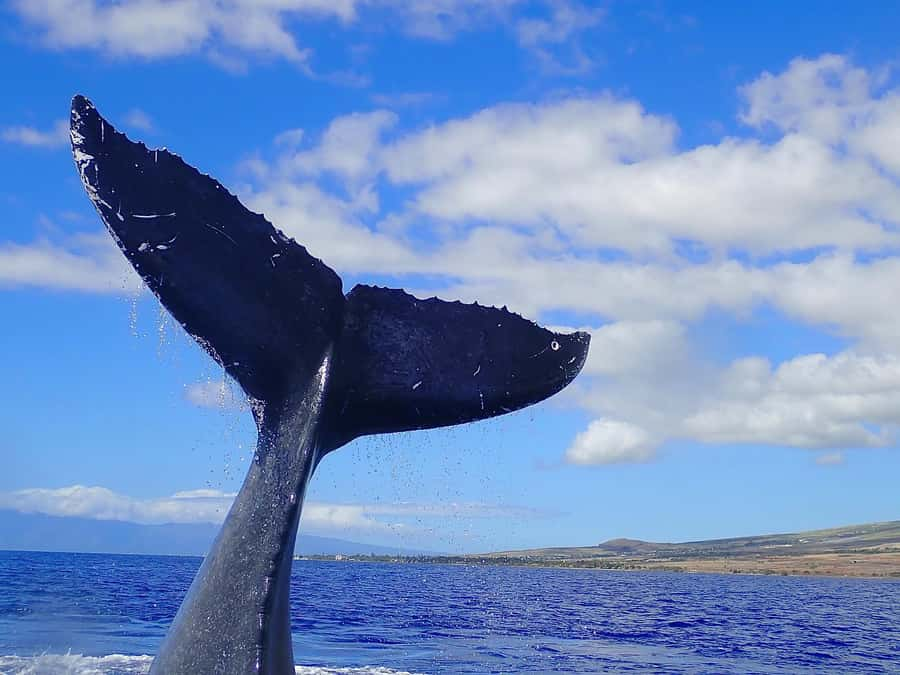
At $80 per person, this is a reasonable price for a focused wildlife outing lasting 90 minutes to two hours. You are paying for the raft, captain, naturalist, whale-searching time, and hydrophone experience. The price is especially fair if you value a small group and a low-on-the-water viewpoint.
The value drops if you want a long, comfortable cruise or a full-day activity. This is a compact trip, not an all-day excursion. You also need to arrange your own transport, parking, food, and drinks.
The free replacement trip helps protect the purchase when whales are not seen, but only if you have another day available. If you are in Maui for several days, that policy gives you useful flexibility. If you are departing soon, choose your date carefully and avoid placing this outing on the only available morning if weather is uncertain.
The high rating of 4.9 from 71 reviews fits the tour’s strongest qualities: close raft viewing, active crew members, useful commentary, and frequent whale sightings during the winter season. The one lower-rated experience still saw whales and had a good time, but it is a useful reminder that nature does not follow a timetable.
Who will enjoy this Lahaina whale watch
I would recommend this outing to families with older children, couples, solo visitors, and anyone who prefers a small boat to a large sightseeing vessel. It suits people who want to learn as well as take photographs.
It is also a good pick for repeat whale watchers. Several experienced whale-watchers considered this trip among their best because sitting low on the water made encounters feel closer and because the crew knew how to position the raft.
I would hesitate if you are very sensitive to motion, have a back or heart condition, are pregnant, or require wheelchair access. I would also think twice if your main goal is comfort rather than proximity.
The tour works best for someone who accepts that the whales set the schedule. On one day, you might see many whales, dolphins, mothers, calves, and repeated breaches. On another, you may get fewer encounters but still learn a great deal from the naturalist.
Practical booking advice for your Maui schedule
Book during the winter humpback season if whale watching is a priority. Sightings have been strong from December through March, with notable activity in January and February, though whales have also been seen in April near the end of the season.
Choose a day when you have some flexibility. The weather policy offers a new date or refund if conditions cancel the trip, but moving the tour is only useful if you remain on Maui. The free-trip guarantee also works best when you have time to return.
Cancel at least 24 hours in advance for a full refund. You can also reserve now and pay later, which is useful if you are still arranging your island plans.
Arrive on time at 1223 Front St, allow for parking, and remember that the tour leaves promptly. Since pickup is not included, plan your route to Lahaina before departure day.
Should you book this whale tour?
Book it if you want the closest-feeling whale-watching format, a small group, and a guide who treats the outing as a lesson in whale behavior rather than a simple boat ride. The hydrophone is a real bonus, and the crew’s ability to locate and position near whales has been a major strength.
Skip it if you need a smooth, spacious boat, have one of the listed health or mobility restrictions, or cannot tolerate a rocky ride. Also skip it if you expect guaranteed breaching or constant action.
For most people visiting Maui during humpback season, I think the $80 price is well judged. Pick a date with room for weather changes, take motion-sickness precautions if needed, and let the crew do the searching. The best moments, including a whale passing beneath the raft, cannot be scheduled, but this setup gives you a strong chance to experience them from close range.
FAQ
Where does the whale-watching tour meet?
Meet at Dive Maui at 1223 Front St in Lahaina. Parking is available along Front Street or at Lahaina Cannery Mall.
How long does the experience last?
The listed duration is 90 minutes to 2 hours. Check the available departure time when booking.
Where does the boat go?
The raft travels into the Auau Channel and the Maui Nui whale sanctuary for whale watching.
What animals might I see?
The main focus is humpback whales. Dolphins have also been seen during the outing.
Can I hear the whales underwater?
Yes. The raft has a hydrophone connected to onboard speakers, allowing you to listen for whale songs.
Is a naturalist included?
Yes. Whale watching with an English-speaking naturalist is included.
What happens if bad weather cancels the tour?
You will be offered a different date or a full refund.
Who should not book this experience?
The tour is not suitable for children under 2, pregnant women, people with back or heart problems, or wheelchair users. Service animals are allowed.
Newly added whale trips around Maui
- 2.5 Hour Whale Escape Tour★ 5.0 · 44 reviews
- Whale Watching Experience★ 5.0 · 142 reviews
- Deluxe Whale Watching Sail on Maui★ 5.0 · 53 reviews
- Whalewatch Deluxe Tour from Ma’alaea Harbor★ 4.5 · 37 reviews
- West Maui Sunset Whale Watch★ 5.0 · 117 reviews
- Whale Watch and Scenic Tour from Kayak★ 4.5 · 16 reviews
- VIP Premiere Whale Watch Kaanapali Beach MAX 12 PASSENGERS★ 5.0 · 78 reviews
- HIGH QUALITY Whale Watch Adventure Aboard Luxury Super Raft★ 5.0 · 142 reviews
Maui Whale Watching Tours, side by side.
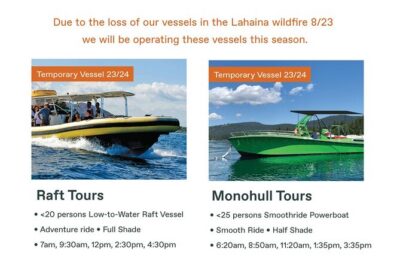
Maui Eco-Raft Tour: Eye-Level Whale or Dolphin Watching – Lahaina
Read our review →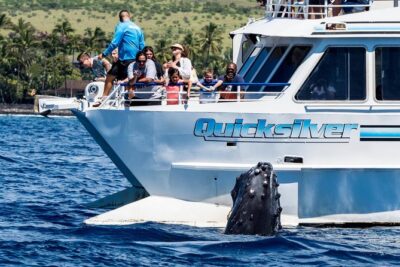
From Maalaea: Whale Watching Tour Aboard the Quicksilver
Read our review →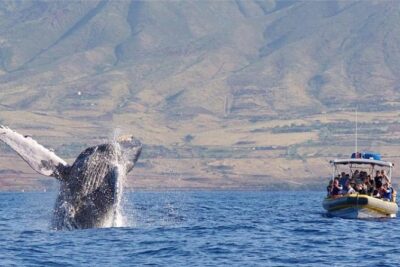
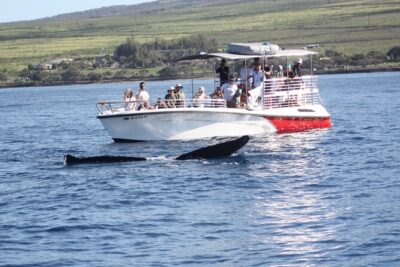
WHALES GUARANTEED Maui Whale Watching Makai Adventures
Read our review →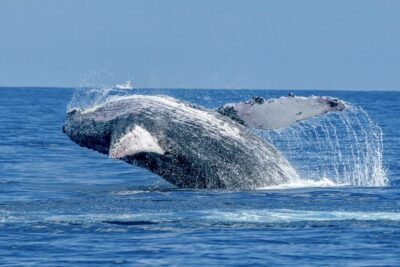
Ma’alaea Harbor: Whale Watching Tour Aboard Power Catamaran
Read our review →
Whale Watching Cruise with Open Bar from Ka’anapali Beach
Read our review →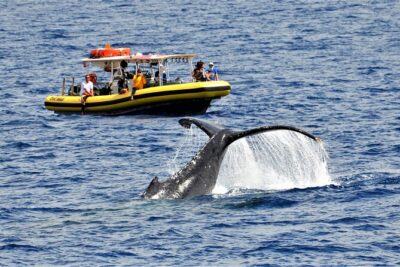
Whale Watching Maui: 2-Hour Small Group Raft Tour from Lahaina
Read our review →