
Review · MEXICO
Munba National interactive Whale Museum
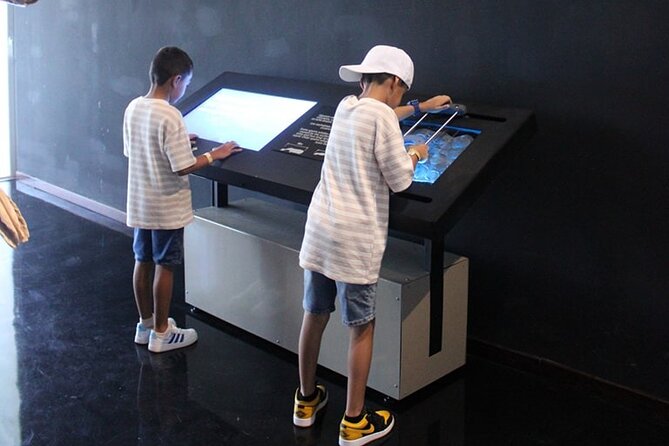
Mazatlán’s MUNBA Museo Nacional de la Ballena turns marine science into something you can see, hear, and interact with. You’ll examine whale, dolphin, and orca skeletons, listen to whale songs, and use virtual reality to view a dolphin’s anatomy. The world’s only sperm whale calf skeleton gives the museum a particularly memorable centerpiece.
I like the mix of serious conservation work and hands-on technology, and I like that families can use a supervised Children’s Zone while adults take their time with the exhibits. The main drawback is scale: this is not a huge museum, so you may finish sooner than expected if you move quickly through the displays.
Key points
- See the world’s only known sperm whale calf skeleton, along with whale, dolphin, and orca remains.
- Use virtual reality to examine a dolphin’s anatomy in a way ordinary display cases cannot match.
- Listen to whale songs and learn how sound helps shape life under the sea.
- Follow Talassa the whale through an interactive story about marine life and conservation.
- Allow 2 to 3 hours, though the museum’s moderate size may suit a shorter visit.
- Bring the family, since the supervised Children’s Zone gives younger visitors their own activities.
Inside MUNBA’s marine science experience
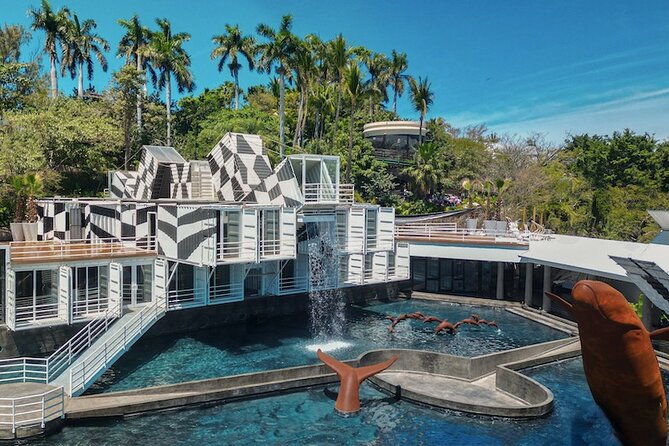
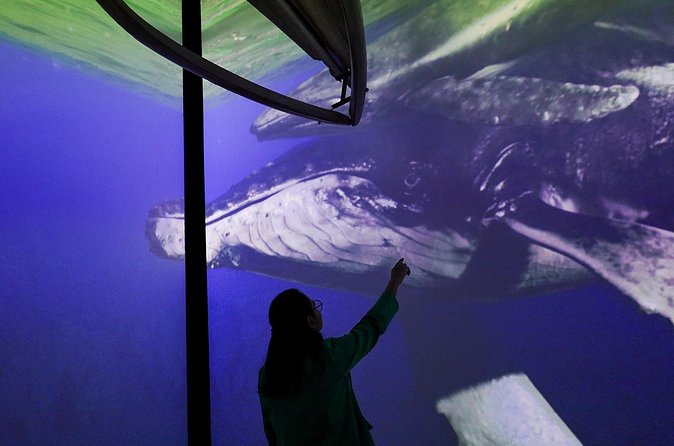
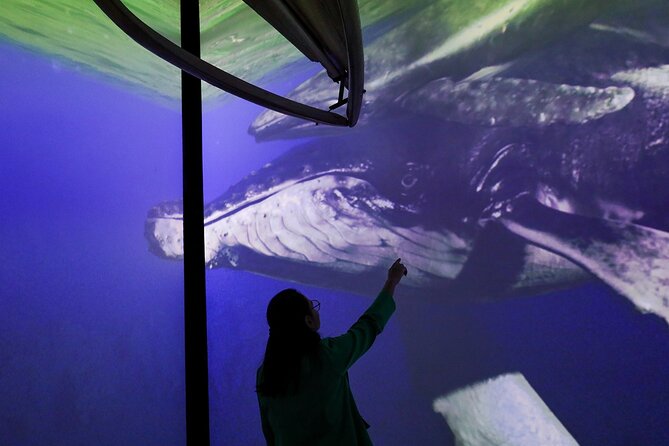
MUNBA is built around a simple idea: marine life is easier to understand when you can do more than read a label. The exhibits combine bones, sound, digital tools, and visual scenes of underwater habitats.
That range matters. A whale skeleton shows scale and structure. A whale song adds sound and behavior. Virtual reality gives you a closer look at anatomy. Together, these elements make the museum more varied than a traditional natural-history display.
You can expect the visit to last about two to three hours. That is enough time for a careful look at the main exhibits, though the museum is described as moderate in size rather than sprawling. If you read every panel and give the interactive stations time, you should have a satisfying visit. If you move quickly, you may be finished earlier.
The experience is offered in English, and your admission ticket is included with the booking. There is no listed guided-tour schedule or guide name, so you should think of this as a self-directed museum visit with interactive stations rather than a guide-led walk.
More Museum Visits in Mexico:
- Reykjavik: Whales of Iceland Museum Entrance Ticket
★ 4.4 · 493 reviews - Reykjavik: Whale Watching Tour, Whales of Iceland Exhibition
★ 4.4 · 187 reviews - Reykjavik: Whale Watching Excursion & Whale Exhibition
★ 4.5 · 42 reviews
Virtual reality and the dolphin anatomy display
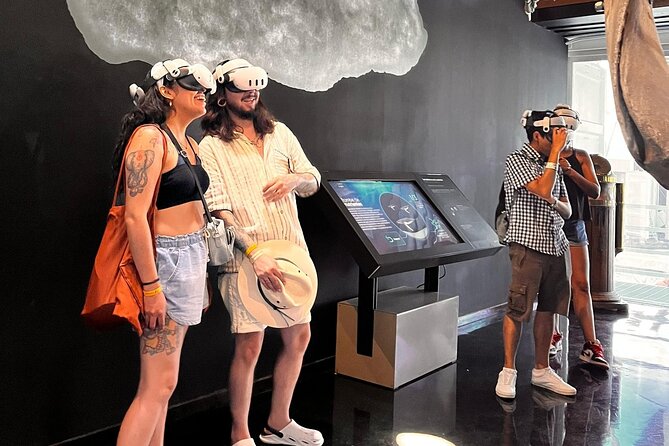
The virtual reality presentation is one of the clearest reasons to visit. Instead of seeing only the outside of a dolphin, you can examine its anatomy through digital technology.
That approach helps explain how an animal’s body supports life in the sea. It is especially useful for children and for anyone who prefers visual learning to long blocks of text. You do not need a science background to appreciate the point: the technology turns internal anatomy into something you can follow.
The exact length of the virtual reality segment and the number of stations are not specified, so you should not plan your entire visit around one presentation. Treat it as one part of a broader museum experience that also includes skeletons, sound, storytelling, and environmental themes.
I like this balance because the technology is not presented as a replacement for real specimens. The virtual material gives you context, while the physical skeletons provide a sense of size and structure that a screen cannot fully reproduce.
Whale songs, underwater habitats, and Talassa’s journey
Sound plays an important role at MUNBA. You can hear whale songs as part of the museum’s presentation of life below the surface.
For you, this adds a useful layer to the visit. A skeleton is silent and still, but whale songs suggest communication, distance, and movement. The sound element also gives younger visitors a reason to pause instead of rushing from one display to the next.
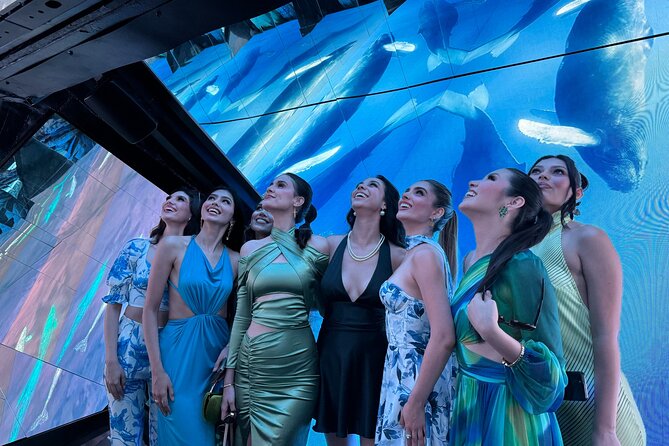
Another part of the museum presents underwater ecosystems. The goal is not simply to show individual animals, but to place them within the larger marine environment that supports them.
Talassa the whale provides a story-based route through some of these ideas. Her journey gives younger visitors a character to follow and helps turn conservation subjects into a narrative. You may find this approach more approachable than a display arranged only by species or scientific category.
The museum also presents the challenges marine species face. The supplied details do not identify each threat or specify how much time the conservation section requires, so I would treat it as an introduction rather than a full course in marine policy. Still, it gives the visit a useful purpose beyond animal identification: you are asked to consider what affects whales, dolphins, and other sea life.
The skeleton collection is the museum’s strongest physical feature
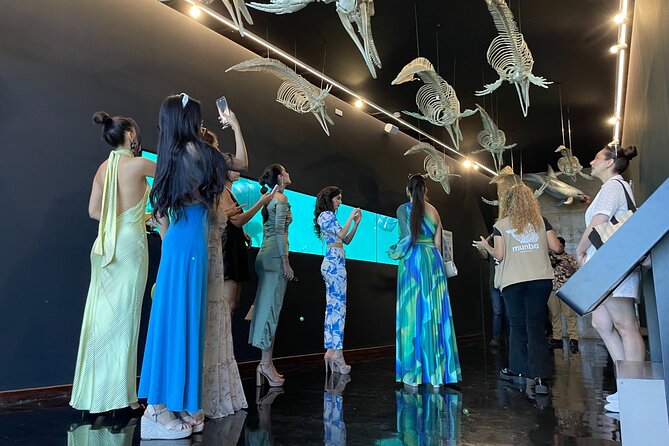
MUNBA houses Latin America’s second-largest osteological collection. In plain terms, that means a major collection of bones and skeletons, with displays focused on whales, dolphins, and orcas.
This is where the museum gains its strongest sense of scale. Digital exhibits can explain anatomy, but a full skeleton makes the size of these animals immediate. You can see how the parts fit together and compare different marine mammals in a way that small illustrations cannot provide.
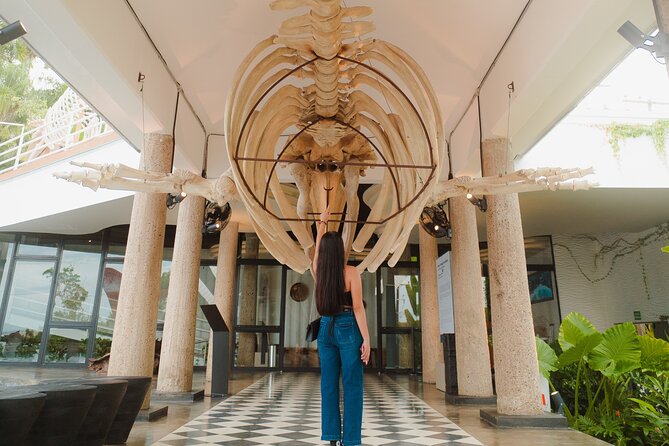
The world’s only sperm whale calf skeleton is the most unusual item named for the museum. That detail alone gives the collection a rare point of interest. It is not simply another large whale skeleton. It represents a very young animal and offers a different way to think about growth and anatomy.
You should allow time to look closely at the skeletons rather than treating them as a quick photo stop. The collection is likely to appeal most to visitors interested in animals, biology, museums, or conservation. It also gives the visit lasting value for adults who might otherwise find children’s interactive exhibits too light.
More whale trips worth the boat ride around Mexico:
- Luxury Catamaran Whale Watching Cabo San Lucas
★ 5.0 · 2,107 reviews - Whale Watching Cabo-Women crew-Sightings Guaranteed & Free Photos
★ 5.0 · 1,743 reviews - SMALL GROUP Whale Watch | Cabo San Lucas | Biologist | FREE Pics
★ 5.0 · 1,106 reviews - Humpback Whales in Cabo San Lucas
★ 5.0 · 1,005 reviews
A useful family stop in Mazatlán
The supervised Children’s Zone is a practical feature for families. Children have a dedicated area with creative and educational activities, while parents can spend more time with the main exhibits.
That arrangement does not mean you can treat the museum as childcare. The information says the zone operates under expert supervision, but it does not provide ages, activity times, or supervision rules. You should still confirm any specific family requirements when you arrive.
For families, the museum’s greatest strength is variety. One child may prefer Talassa’s story. Another may focus on the virtual reality display. Parents can look at the skeleton collection and conservation material. Whale songs and underwater scenes give the whole group shared points of interest.
The museum may also work well for a mixed-age group because participation is not limited to reading. The younger members of your party can engage with activities, while older children and adults can spend longer with anatomy and conservation.
How much time to allow
Plan for two to three hours, as that is the expected visit length. I would choose the longer end of that range if you are visiting with children, want to use the interactive features, or enjoy reading museum explanations.
The experience can fit neatly into a day in Mazatlán because it is a single museum stop rather than a full-day excursion. It also gives you a weather-proof activity, although the supplied information does not describe indoor conditions or other facilities beyond the café.
The museum is open Tuesday through Sunday from 10:00 a.m. to 5:00 p.m. It is not listed as open on Mondays. The stated operating period runs from January 20, 2025, through December 30, 2026, so check the date of your visit if you are booking near the edge of that period.
Because the museum closes at 5:00 p.m., avoid leaving your visit until the final hour if you want to use the technology and see the collection at an unhurried pace. A late arrival may still work for a quick visit, but it is less suitable for families or anyone hoping to spend the full two to three hours.
Is $17.30 good value?
At $17.30 per person, MUNBA offers reasonable value if you are interested in marine life or want a family activity that can fill part of an afternoon.
The price makes more sense when you consider the range of material included: interactive displays, virtual reality, whale songs, underwater habitats, a major skeleton collection, the Children’s Zone, and café access at the end. You are not paying only to walk past static cases.
Still, the museum’s moderate size matters. If you expect a massive aquarium, a full-day attraction, or an extensive collection of live animals, this may feel limited. The information provided describes skeletons, digital exhibits, and educational activities, not live-animal displays.
For a couple or solo visitor, the value depends on your interest in the subject. Someone fascinated by whales and anatomy could easily find the price worthwhile. Someone looking for a short list of major Mazatlán attractions may prefer to compare the visit with other local activities.
The experience has a 4.7 rating from three published reviews, while one detailed rating gives it four out of five and describes it as a good museum with a moderate amount to see. That matches the practical expectation I would set: worthwhile and engaging, but not enormous.
Practical details before you go
Your confirmation is received at the time of booking, and the ticket is mobile, so you can keep it on your phone. The experience is offered in English.
MUNBA is near public transportation, which makes it easier to reach without relying entirely on private transport. The information does not specify the exact transit routes, parking arrangements, or pickup service, so you should not assume that transportation to the museum is included.
Service animals are allowed, and most people can participate. No special fitness requirement is listed. The available information does not give detailed guidance about wheelchairs, seating, elevators, or the layout of individual exhibits, so contact the provider if you need a specific accessibility arrangement.
Shekinah Beach Club is the experience provider. The booking includes admission to the museum, not a separate guided excursion around Mazatlán.
There is also free cancellation if you cancel at least 24 hours before the local start time. Inside that 24-hour window, you will not receive a refund, and changes are not accepted. That policy is worth noting if your Mazatlán plans may shift.
Who should book MUNBA?
I would recommend MUNBA most strongly to families, marine-life fans, museum enthusiasts, and visitors who want an educational stop with some playful technology.
It is also a good choice if you have two or three hours available and want a break from outdoor sightseeing. The virtual reality display, whale songs, and skeleton collection give the visit enough variety to hold attention across different age groups.
You may want to skip it if you are seeking live whales, dolphins, or a large aquarium. Nothing in the available information indicates that live animals are part of the experience. You should also set realistic expectations about size. This is a focused museum, not an attraction likely to occupy an entire day.
Should you book the MUNBA whale museum?
Book it if you want a reasonably priced, family-friendly museum that combines real skeletons with digital exhibits and conservation themes. The sperm whale calf skeleton and Latin America’s second-largest osteological collection give it a stronger physical collection than a simple children’s attraction.
I would especially choose it on a Tuesday through Sunday morning or early afternoon, when you can use the full opening period without rushing. Just remember that the museum is moderate in size. At $17.30, it offers a solid two to three hours, not an all-day attraction.
FAQ
Where is the MUNBA whale museum located?
MUNBA Museo Nacional de la Ballena is located in Mazatlán, Mexico.
How much does admission cost?
The listed price is $17.30 per person.
How long does a visit take?
The expected duration is approximately two to three hours.
What are the museum’s opening hours?
MUNBA is open Tuesday through Sunday from 10:00 a.m. to 5:00 p.m.
Is the museum open on Mondays?
The stated schedule lists Tuesday through Sunday, so Monday is not included in the regular opening hours.
Is admission included with the experience?
Yes. Admission to the museum is included.
What language is the experience offered in?
The experience is offered in English.
What can you see at MUNBA?
You can see whale, dolphin, and orca skeletons, including the world’s only sperm whale calf skeleton. The museum also has virtual reality, whale songs, underwater ecosystems, and interactive conservation exhibits.
Is there an area for children?
Yes. The museum has a Children’s Zone with creative and educational activities under expert supervision.
Can I cancel for a full refund?
Yes, if you cancel at least 24 hours before the experience’s start time. Cancellations made less than 24 hours in advance are not refunded, and changes within that period are not accepted.
Newly added whale trips around Mexico
- Whale Watching★ 4.0 · 10 reviews
- Private Whale Watching in San Jose Del Cabo snack,drinks,Warranty★ 5.0 · 2 reviews
- Sunset Whale Watching in San Jose del Cabo★ 5.0 · 36 reviews
- Whale Watching Warranty in San José del Cabo Snacks and drinks★ 5.0 · 34 reviews
- Whale Watching in San Jose del Cabo★ 5.0 · 31 reviews
- San Jose del Cabo Small-Group Sunrise Whale Watching★ 5.0 · 46 reviews
- Whale watching tour★ 5.0 · 12 reviews
- Whale watching★ 4.0 · 6 reviews
Mexico Whale Watching Tours, side by side.
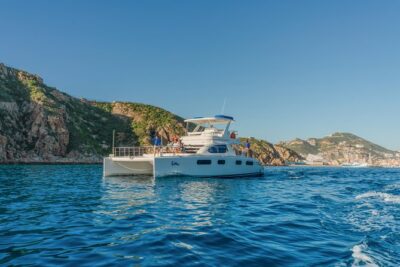
Luxury Catamaran Whale Watching Cabo San Lucas
Read our review →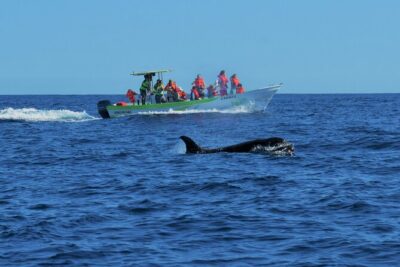
Whale Watching Cabo-Women crew-Sightings Guaranteed & Free Photos
Read our review →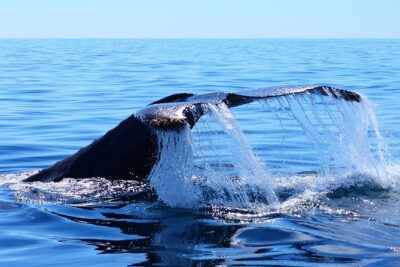
SMALL GROUP Whale Watch | Cabo San Lucas | Biologist | FREE Pics
Read our review →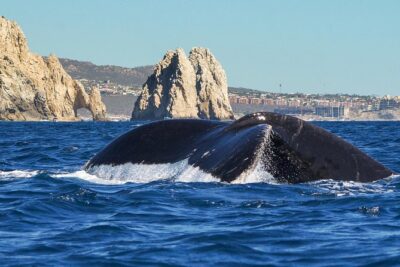
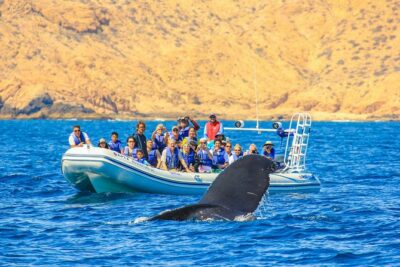
Whale Watching, The Famous Arch and Fast Boat Tour in Los Cabos
Read our review →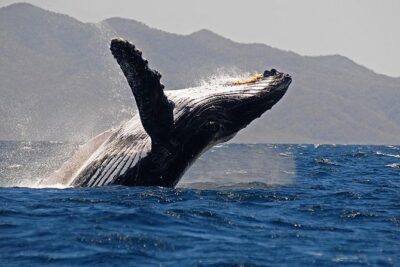
Whale and Dolphin Watching with a Biologist in Puerto Vallarta
Read our review →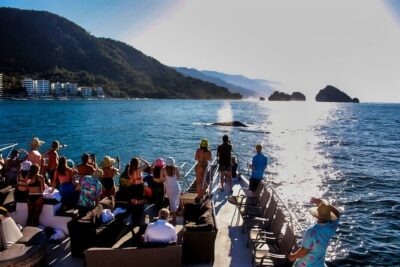
Sunsets and Whales Mega Yachts ALL INCLUSIVE: Puerto Vallarta
Read our review →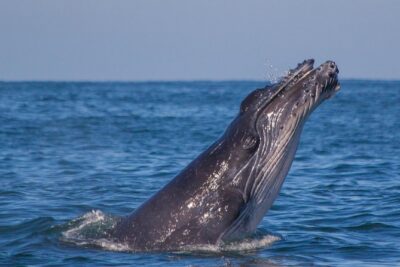
Lists this trip appears in