Review · THE USA
Seattle: Half-Day Wildlife and Whale Watching Cruise
Seattle’s best whale watching trips do not wait for wildlife to come to the city. They run far into the Salish Sea, sometimes toward the Canadian border, following reports of orcas, humpback whales, and other marine life. This cruise has a 97% whale sighting rate, and the crew may extend the outing when the animals are far away.
I like the easy downtown start at Pier 69, within walking distance of Pike Place Market, and I like having a naturalist onboard to explain what you are seeing. The main drawback is simple: wild whales set the schedule. You might watch a humpback for half an hour, or spend most of the trip traveling to see only a few backs and fins.
Key points to know
- Whale sightings are highly likely, but never guaranteed: A free trip is offered if no whales are seen.
- The boat may travel a long way: Trips usually last 3 to 5 hours, but a distant pod can make the outing much longer.
- Expect several types of wildlife: Orcas, humpback, gray, and minke whales may appear, along with seals, sea lions, porpoises, eagles, and seabirds.
- Naturalist guides add real value: Guides such as Mark and Allison have explained animal behavior, local waters, and conservation in an engaging way.
- Window seats cost extra or depend on availability: Assigned seating is used, and outside viewing is available when the boat is near wildlife.
- Food is sold onboard: Local food, drinks, blueberry scones, and even mimosas have been available for purchase.
Why this Seattle cruise is worth considering
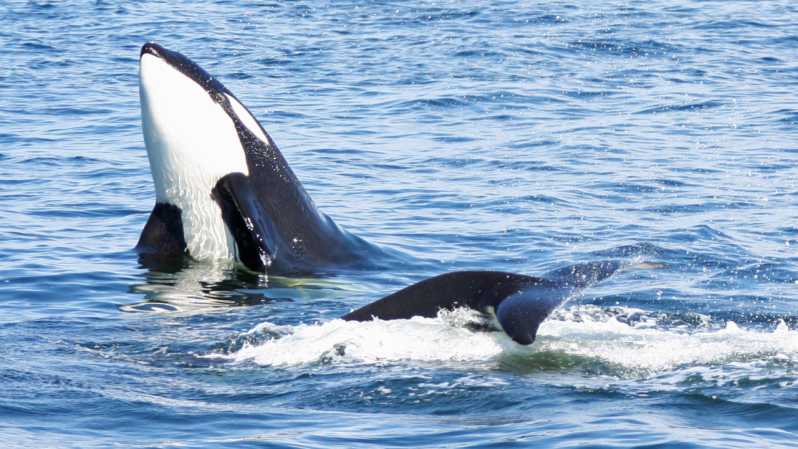
For many people, seeing an orca in the wild is the reason to book this outing. The Salish Sea is home to several kinds of whales, and the cruise gives you a chance to see them behaving naturally, rather than performing in a tank or enclosure.
That distinction matters. An orca pod may travel in a tight group, hunt, surface briefly, or disappear for several minutes. A humpback might float quietly at the surface, blow a cloud of mist, then show its tail before vanishing. You need patience, a bit of luck, and a willingness to accept that nature does not follow a sightseeing script.
I also like that the trip is not limited to whales. Harbor seals and Stellar sea lions often add movement close to the boat. Porpoises can appear as quick fins. Bald eagles, herons, and other seabirds give you something to watch during the longer stretches between sightings.
More Whale Watching and Wildlife Cruises in the USA
- Juneau Wildlife Whale Watching
★ 5.0 · 7,379 reviews - Juneau Wildlife Whale Watching & Mendenhall Glacier
★ 5.0 · 6,236 reviews - Wildlife Viewing, Sightseeing and Whale Watching Quest
★ 5.0 · 812 reviews
Leaving Pier 69 on the Seattle waterfront
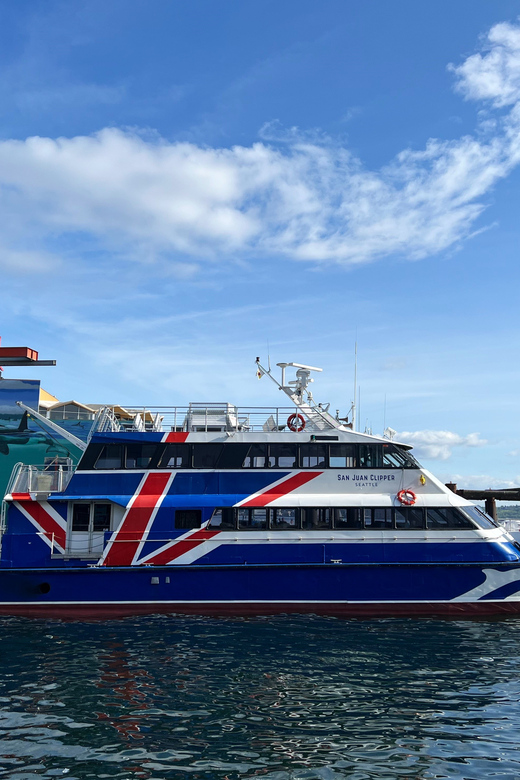
The meeting point is practical for a city visit. You walk down the breezeway to the ticket office at Pier 69, exchange your voucher at the ticket counter, and board from the Seattle waterfront. You need to arrive 45 minutes before departure, so do not plan to arrive at the last minute after shopping at Pike Place Market.
The pier is close enough to major downtown sights that you can build the cruise into a full day. Pike Place Market is a short walk away, and the Space Needle is also nearby, though you should allow plenty of time for the check-in process and the return from the water.
The boat uses assigned seating. A window upgrade may be available at check-in if space remains, and one account described three premium seats beside a window. Still, a window seat is not the only useful place to sit. When whales appear, you can generally step outside to watch them, and the best view may be from an open deck rather than through glass.
What the 3 to 5-hour route feels like
The advertised duration is four hours, but the actual trip can run from three to five hours depending on where the whales are. That range is important. The vessel may travel a long distance before the crew locates a pod, especially when orcas have moved north.
One outing returned around 4:45 after going almost to Canada. The payoff was two orca pods, but the group had only about 15 minutes with them because of the distance traveled. Another trip lasted two hours longer than expected on a particularly strong sighting day.
I see this as both a strength and a warning. The crew makes a serious effort to find whales, and a longer route can produce the memorable encounter you came for. But you should not schedule a tight dinner reservation, flight, ferry, or other major activity immediately afterward.
The ride itself can be part of the experience. The Salish Sea offers broad water views and changing scenery, with islands and distant shores appearing along the route. On a clear day, the cruise feels like a proper Pacific Northwest outing even before an animal appears.
Orcas, humpbacks, gray whales, and smaller wildlife
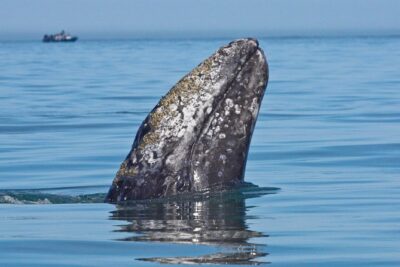
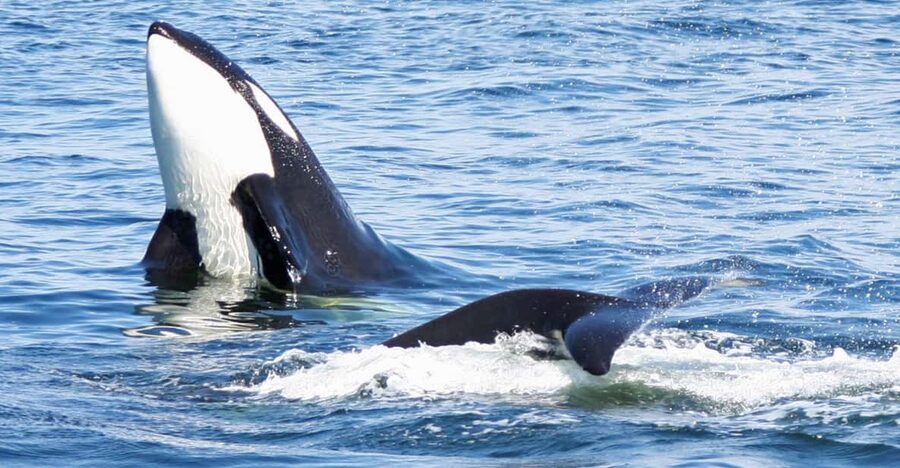
The possible whale list is unusually varied. You might see Bigg’s transient orcas, humpback whales, gray whales, or minke whales. Recent outings have included pods of orcas, family groups with young whales, gray whales, and individual humpbacks.
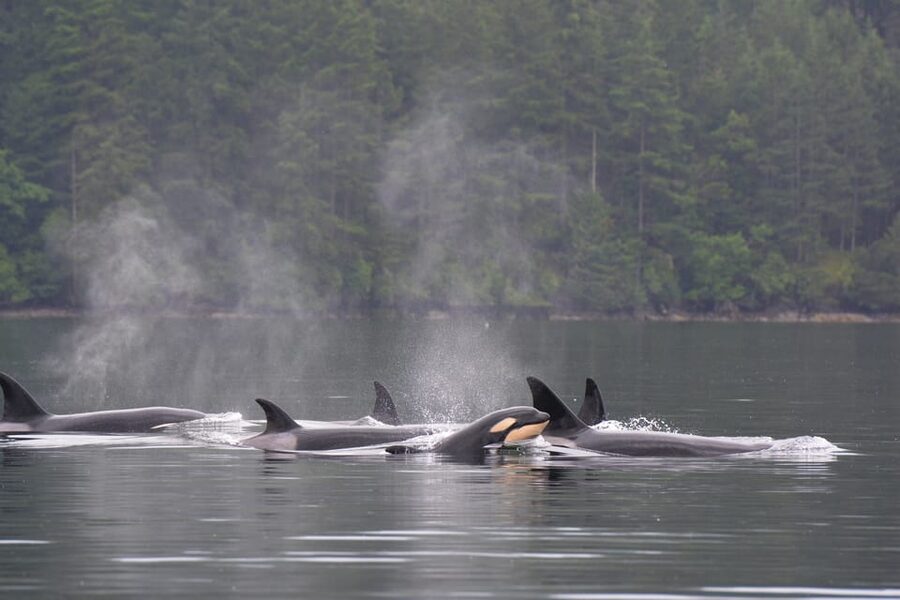
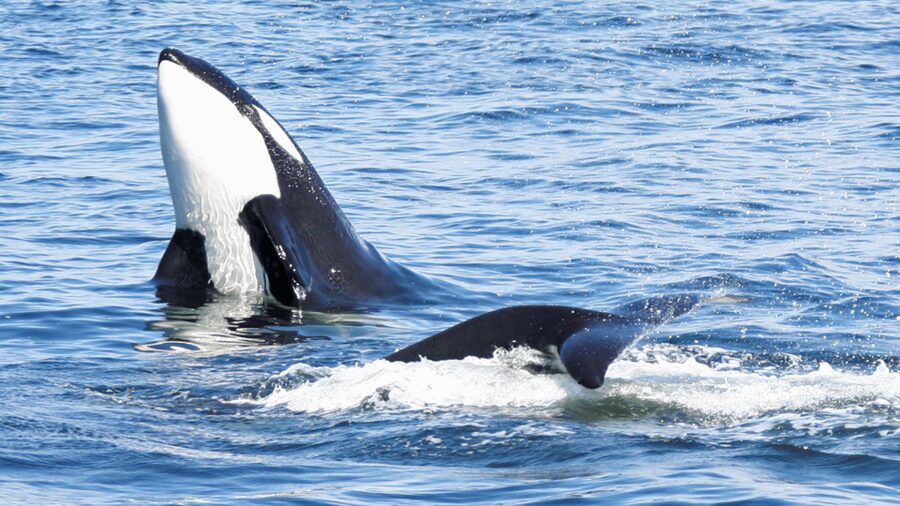
Orcas can be especially dramatic. One group watched seven orcas breach and feed. Another saw a family pod of Bigg’s transients hunting. If the animals are active, the boat may remain nearby for a good stretch while the naturalist helps you understand the behavior.
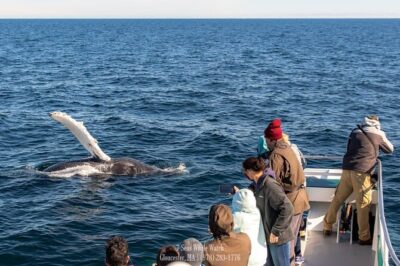
Humpbacks offer a different kind of sighting. One whale called Two Spots was seen resting at the surface, a behavior often described as logging. The animal released a visible blow, floated close to the boat, and later showed its tail. Encounters like this can be quiet rather than theatrical, but they reward careful watching.
Gray whales and minke whales may surface less dramatically. At times, you may see only a back, tail, or blow before the animal disappears. That can feel disappointing if you expect a full-body view, but it is normal for a whale watching trip and a useful reminder that the animals are not there for a photo opportunity.
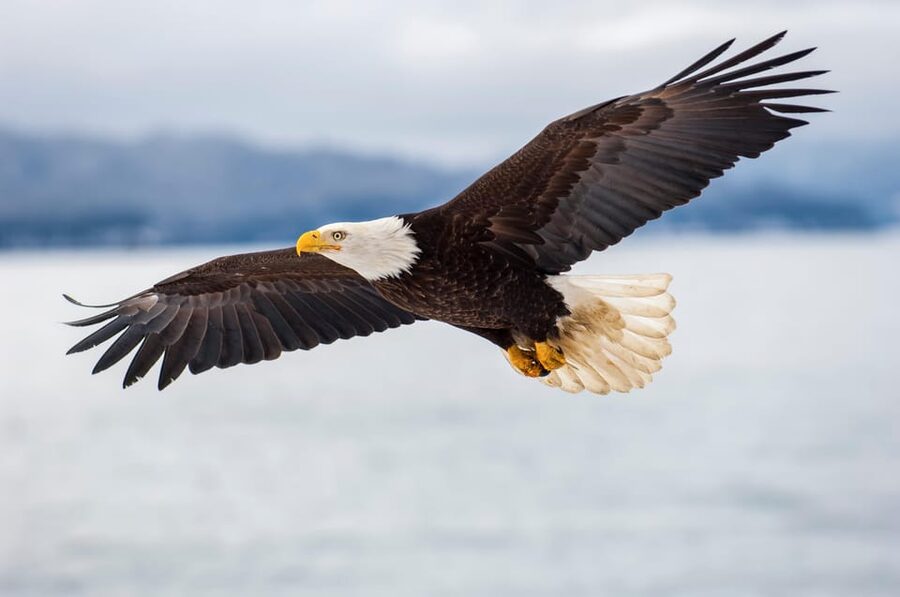
The extra wildlife helps fill the gaps. Sea lions may lounge on buoys, seals can appear near the boat, and porpoises may flash by quickly. Bald eagles, herons, and other birds add variety. One outing included an eagle that had just completed a hunt, a detail that made the trip about more than whales alone.
More Whale Watching Cruises in the USA
- Boston: City Cruises Whale Watching Cruise
★ 4.5 · 4,710 reviews - City Cruises Boston Whale Watching Cruise by High-Speed Boat
★ 4.5 · 3,115 reviews - San Diego Whale Watching Cruise
★ 5.0 · 2,317 reviews - San Diego Whale Watching & Dolphin Cruise
★ 4.5 · 1,588 reviews
The naturalist makes the difference
A naturalist guide is included, and this is one of the strongest parts of the experience. The guide explains what you are seeing, answers questions, and discusses whale conservation and viewing rules.
Guides named Mark and Allison have received particular praise for clear explanations and an easy manner. The quality of any live guide can vary from one departure to another, but the role itself is valuable. Without interpretation, a distant whale can look like a small dark mark on the water. With context, you begin to understand why the pod is moving, why the boat keeps its distance, and what a particular surface behavior means.
The viewing rules are not just a formality. The operator follows state and Pacific Whale Watch Association regulations designed to avoid disturbing whales and other sea life. That means the boat cannot simply rush toward an animal or cut across its path for a closer picture.
The sound system is the main weak point. Several people found announcements difficult to hear from the top deck, especially with the engine, air conditioning, and water noise. The lower level was easier for some people, and announcements became clearer once the boat slowed near the animals.
If hearing the commentary matters to you, sit where you can hear the naturalist rather than choosing the highest deck automatically. You can still step outside later when the boat reaches a sighting.
Seating, open decks, and onboard comfort
The boat is described as comfortable for a long outing, with bathrooms and indoor seating. That matters because the trip can last several hours and may include a long run to the sighting area.
The open deck offers the best chance to see animals without looking through a window, but it can be noisy and exposed. Indoor seats provide shelter and make it easier to hear announcements, though your view may be limited when the boat is moving quickly.
Premium or window seating may be offered for an additional cost or assigned according to the booking. I would not treat it as essential. One person found the upgrade worthwhile, while another felt the windows did not provide a particularly good view. Since you can go outside near wildlife, the value of paying extra depends on your preference for a guaranteed indoor position.
Bring binoculars if you own a pair. They are available to rent, but having your own means you are ready when a whale surfaces briefly. Professional wildlife photos may also be offered on a USB drive after the cruise. One package contained about 150 images for $30, which can be useful if you prefer to watch rather than spend the entire trip holding up a phone.
Food, drinks, and the real cost
At $148 per person, this is not a casual harbor ride. You are paying for a specialized wildlife trip, a naturalist guide, a large boat, and the effort involved in searching a wide area of open water.
The price becomes easier to justify if you value the full experience rather than a guaranteed close-up photograph. The cruise can produce rare moments, such as a group of orcas hunting or a humpback resting near the boat. It also gives you several hours on the water with professional crew support and interpretation.
Food and drinks are not included, but they can be purchased onboard. Options have included local food, drinks, blueberry scones, and mimosas. The onboard food has been described as reasonably priced, though you should not assume a full meal is part of your ticket.
For a group, the cost adds up quickly. I would book it when seeing whales is a major goal of your Seattle visit, not simply as a filler activity. The free-trip offer if no whales are sighted provides some protection, but it does not remove the possibility of a less dramatic outing with only distant or brief sightings.
The best and hardest parts of whale watching
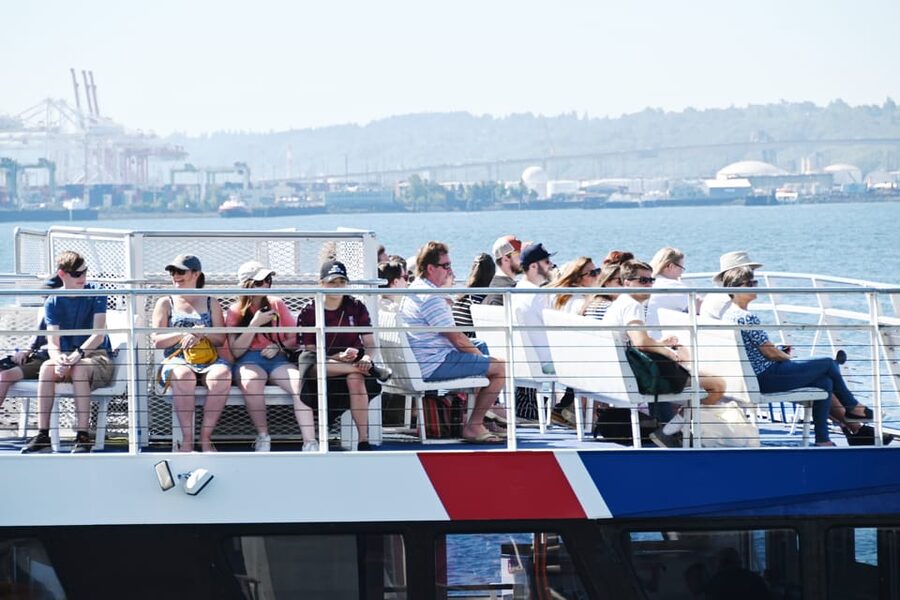
The strongest moments are often not predictable. A foggy morning can begin with low expectations, then clear enough to reveal a humpback at the surface. A sunny day can still produce only a few visible animals. One outing saw a single partial whale, while others watched multiple species.
That uncertainty is part of the deal. If you need a guaranteed schedule and constant action, this may test your patience. You may spend a great deal of time traveling, waiting, and scanning the water.
I would also keep your expectations realistic about distance. Regulations prevent the boat from approaching too closely, and a large vessel cannot maneuver like a small craft. You might see only a tail or back, especially when the whale is moving away.
Still, the trip has a strong success record, and the crew may extend the search when conditions allow. The 97% sighting rating is a useful reason to consider this operator, but it should not be confused with a promise of breaching or close views on every departure.
Who should book this cruise
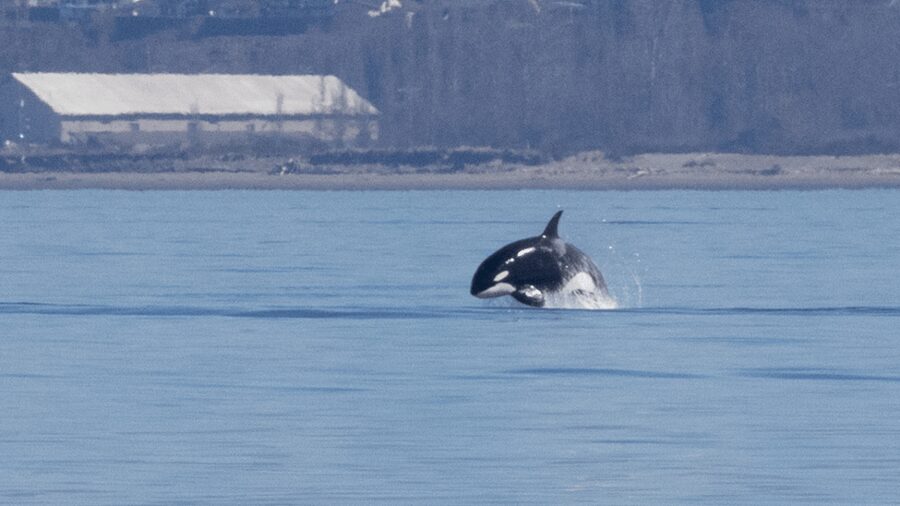
I would recommend it to families, first-time whale watchers, wildlife photographers, and anyone who wants a major outdoor activity without leaving Seattle for several days. The downtown meeting point is convenient, and the wheelchair-accessible boat makes the outing possible for more people.
It is also a good fit if you value explanation. The naturalist adds meaning to the views and gives you a better sense of local conservation work and animal behavior.
I would hesitate if you get motion sick, dislike long boat rides, or have a fixed appointment later in the day. Motion sickness medicine is available onboard, but that does not make a rough or extended trip comfortable for everyone. A whale watching cruise is more rewarding when you can allow the day to unfold without watching the clock.
Practical details before you book
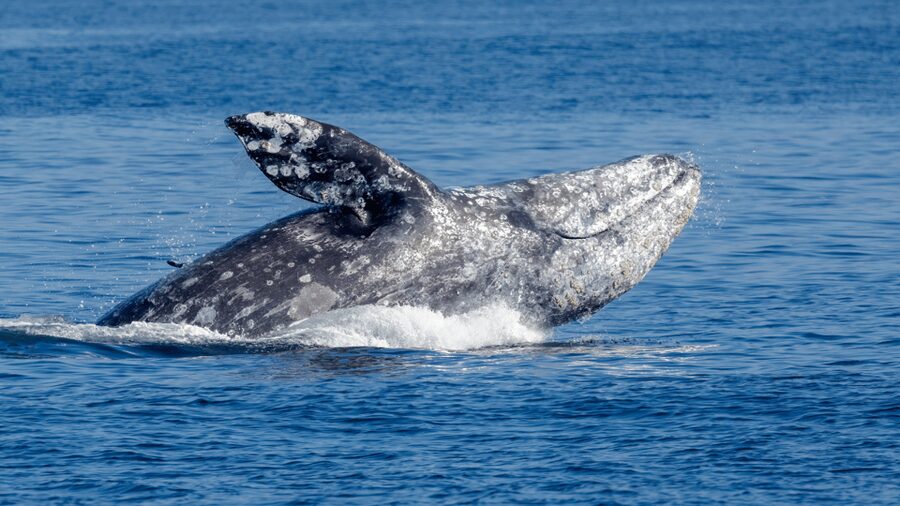
Book with the possibility of a 3 to 5-hour outing in mind. Arrive 45 minutes early at Pier 69, walk to the ticket office, and exchange your voucher before boarding.
Cancellation is free up to 24 hours before departure, and you can reserve now and pay later. The live tour is in English, and the boat is wheelchair accessible.
Pack warm layers, even if Seattle feels pleasant on shore. Bring binoculars if you have them, and consider a camera with a good zoom rather than relying only on a phone. Keep your schedule loose after the cruise, since the whales may be far from the pier.
Should you book it?
Book this cruise if a chance to see wild orcas or whales is high on your Seattle list and you can accept the uncertainty of nature. The high sighting rate, capable naturalist guides, varied wildlife, and downtown departure make it a strong choice.
Skip it if you need a short, tightly timed activity or if a brief glimpse would leave you unhappy. The most honest way to view this outing is as a search across a living sea. You may get a quiet humpback, a pod of hunting orcas, or only a few distant blows. At $148, that is a meaningful expense, but for the right day and the right expectations, it can become the most memorable part of your Seattle visit.
FAQ
Where does the Seattle whale watching cruise depart?
It departs from Pier 69 on the Seattle waterfront. You must walk down the breezeway to the ticket office and exchange your voucher at the ticket counter before departure.
How early should I arrive?
Arrive 45 minutes before the scheduled departure time so you have time to reach the ticket office, exchange your voucher, and check in.
How long does the cruise last?
The listed duration is four hours, but the trip can last from three to five hours depending on where the whales are located.
What animals might I see?
Possible sightings include orcas, gray whales, humpback whales, minke whales, porpoises, seals, sea lions, bald eagles, herons, and other birds.
What happens if no whales are seen?
A free trip is offered if whale sightings do not occur.
Is food available onboard?
Food and drinks are available to purchase onboard. Available choices have included local food, beverages, blueberry scones, and mimosas.
Is the cruise wheelchair accessible?
Yes, the activity is listed as wheelchair accessible. The tour is conducted in English with a live naturalist guide.
More Half-Day Trips in the USA
- Vancouver Half-Day Whale Watching Adventure with Free Photos
★ 5.0 · 5,000 reviews - Victoria Half-Day Whale Watching Adventure with Free Photos
★ 5.0 · 2,259 reviews - Auckland: Whale and Dolphin Watching Half-Day Eco Cruise
★ 4.5 · 1,072 reviews - Small-Group Half-Day Whale-Watching Tour in Puerto Vallarta
★ 5.0 · 334 reviews
Newly added whale trips around the USA
- Anacortes Whale Watching Adventure Tour – Zodiac Boat★ 5.0 · 149 reviews
- Guaranteed Whale Watch Tour from Anacortes★ 4.5 · 21 reviews
- Orca whale tour near Seattle★ 5.0 · 3 reviews
- Orca Whale Inflatable Rides★ 5.0 · 3 reviews
- 8hr Kenai Fjords Whale Watching Tour w/ 1hr Fishing 16 Passengers★ 5.0 · 2 reviews
- Private Whale Watching and Marine Wildlife Tour★ 5.0 · 10 reviews
- Sitka Whale Watch and Sea Otter Quest★ 5.0 · 8 reviews
- Only Wildlife and Whale Watching Tour Leaving from Seattle★ 4.0 · 248 reviews
USA Whale Watching Tours, side by side.
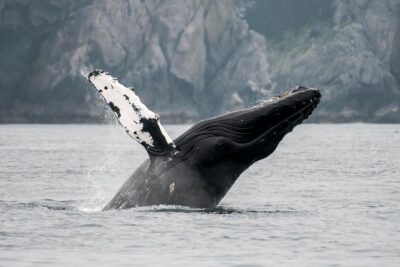
Juneau Wildlife Whale Watching & Mendenhall Glacier
Read our review →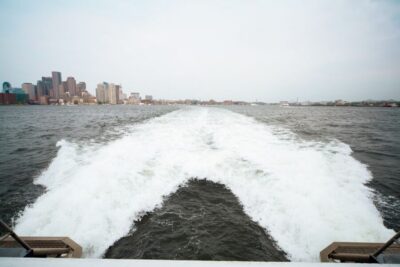
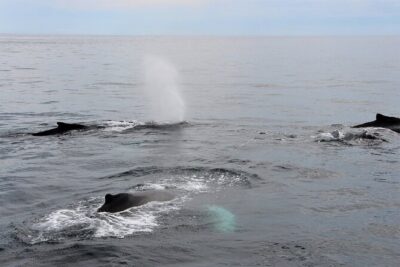
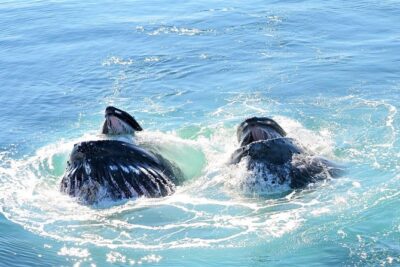
City Cruises Boston Whale Watching Cruise by High-Speed Boat
Read our review →
Maui Eco-Raft Tour: Eye-Level Whale or Dolphin Watching – Lahaina
Read our review →